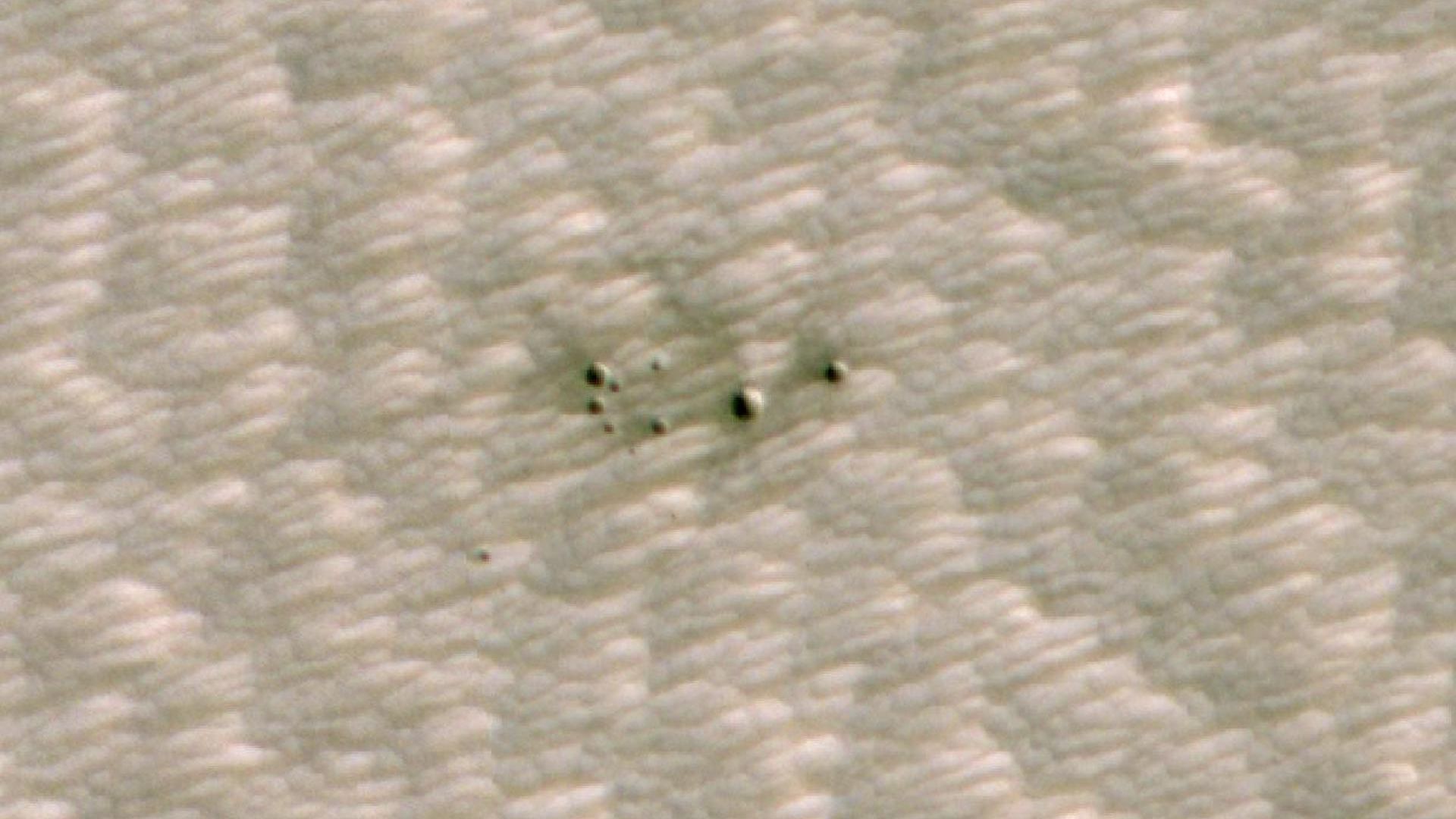
Scientists have used artificial intelligence to spot small, newly formed craters on Mars for the first time.
Why it matters: This use of AI could cut down on the time scientists spend combing through images of the Red Planet's surface taken by orbiters to find interesting features worthy of study.
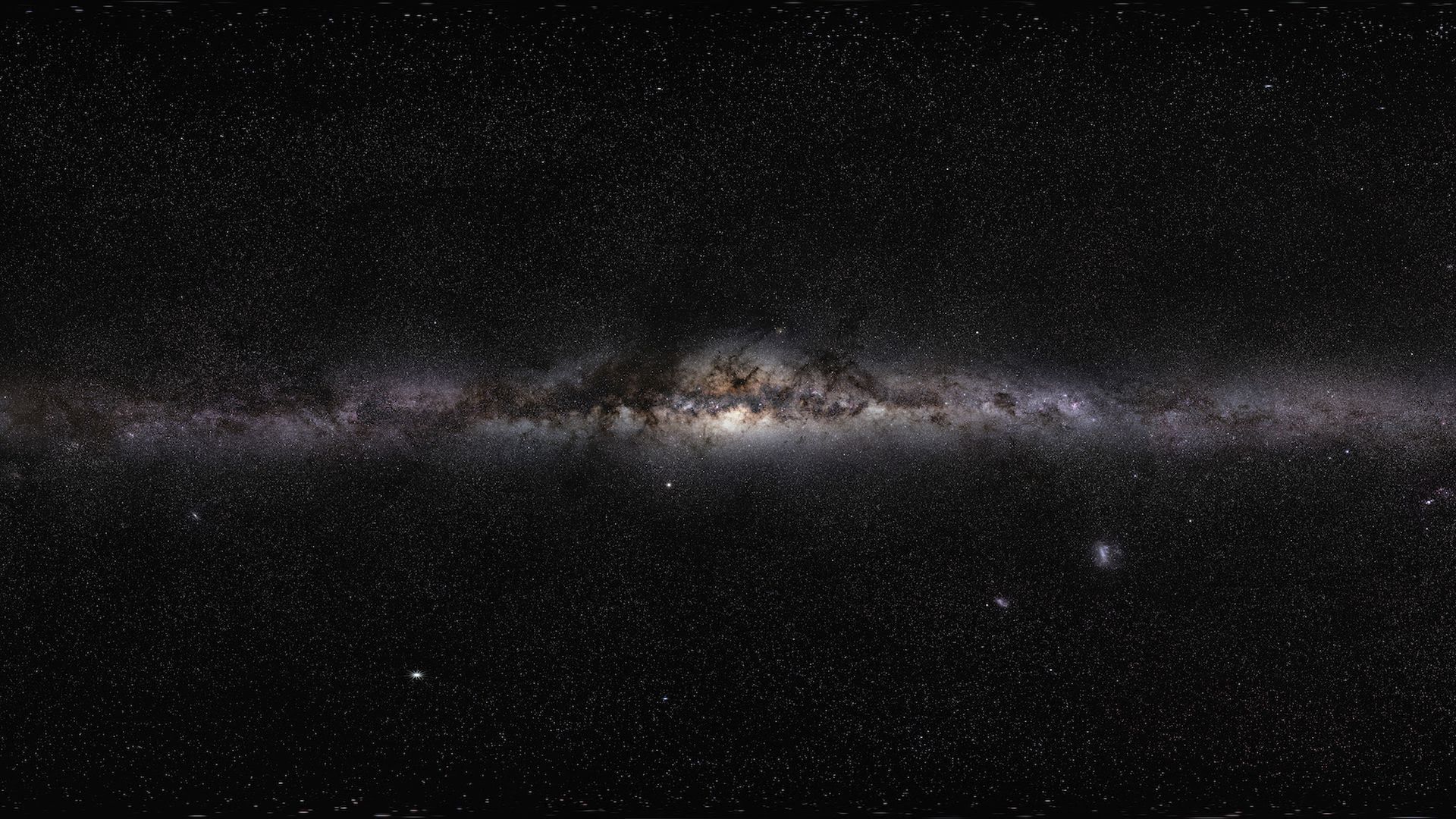
Three scientists are sharing the Nobel Prize in physics this year for their work on the supermassive black hole at the center of the Milky Way.
Why it matters: The laureates — Roger Penrose, Reinhard Genzel and Andrea Ghez — have created a more full theoretical and observational view of the inner workings of our galaxy.
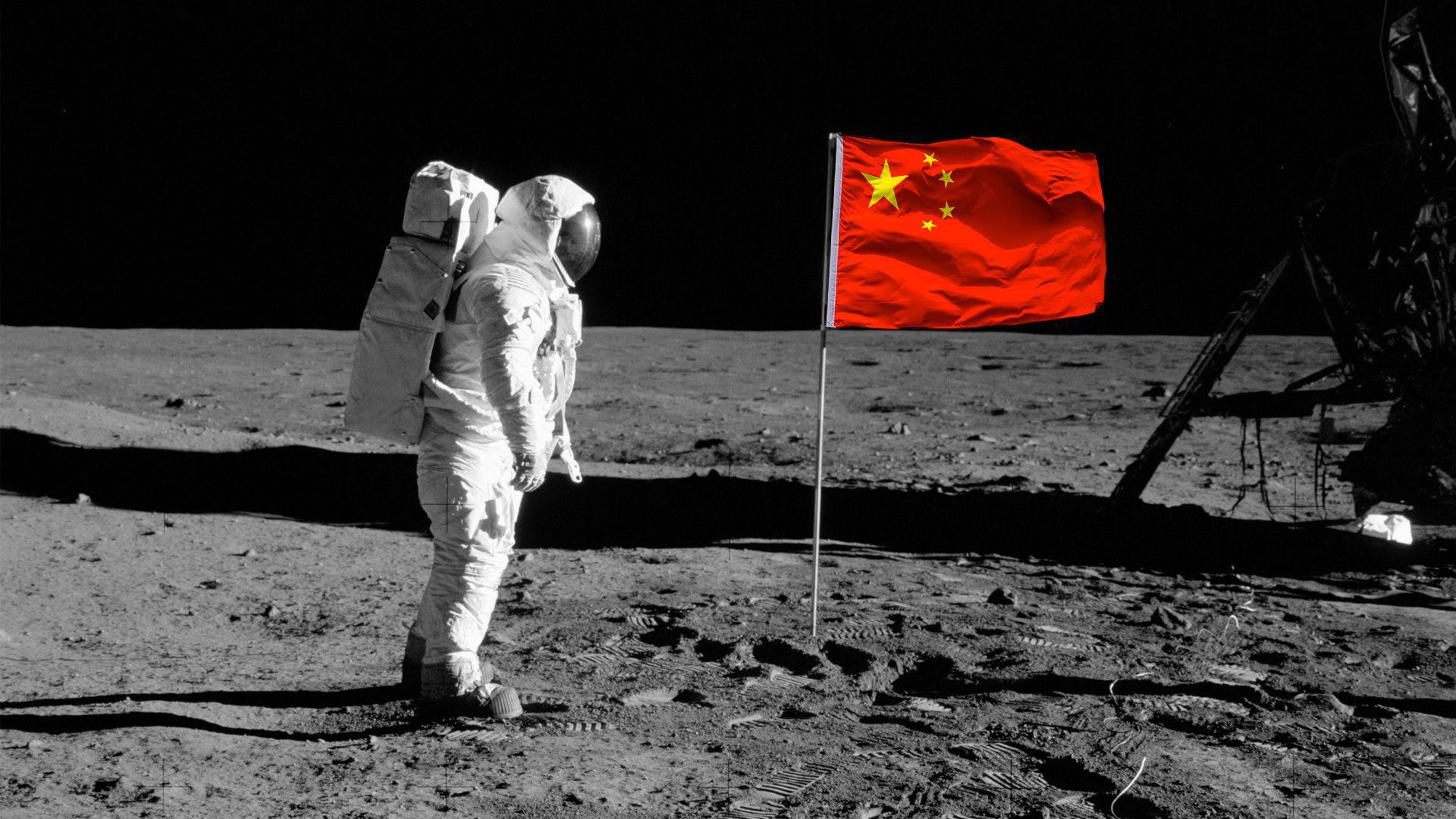
China has chosen a new class of 18 astronauts, another step along its methodical path to explore space in the coming decades.
Why it matters: The nation has plans to build a new space station in orbit and eventually send people to the Moon, making some in the U.S. concerned about the geopolitical implications of China's space ambitions.
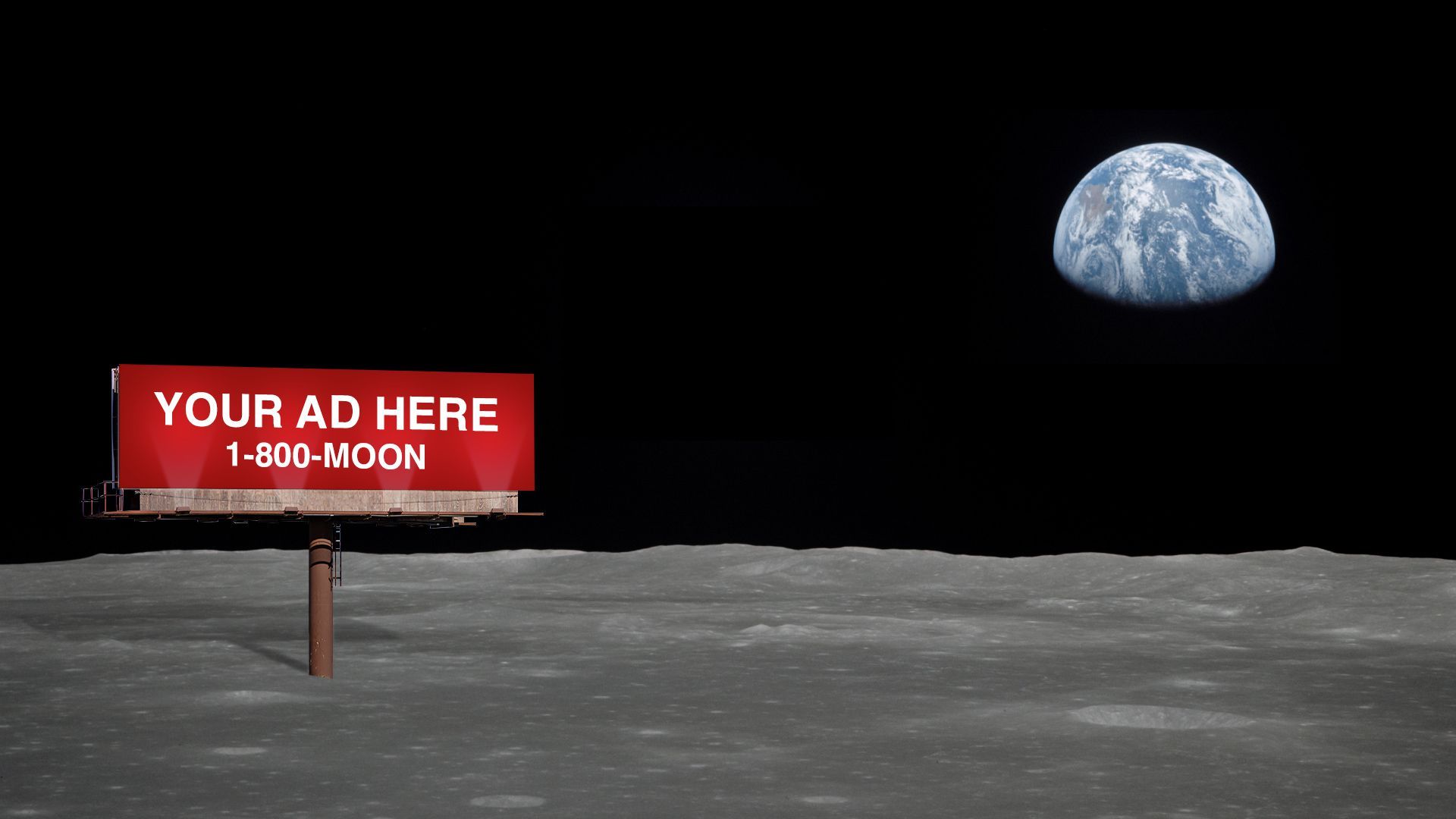
Space — once the purview of only the wealthiest and most technologically advanced nations — is now open to brands, private citizens and commercial companies, all at NASA's urging.
The big picture: The commercialization of spaceflight has flung open the door to branding and marketing in space that will change everyone's relationship with the cosmos.
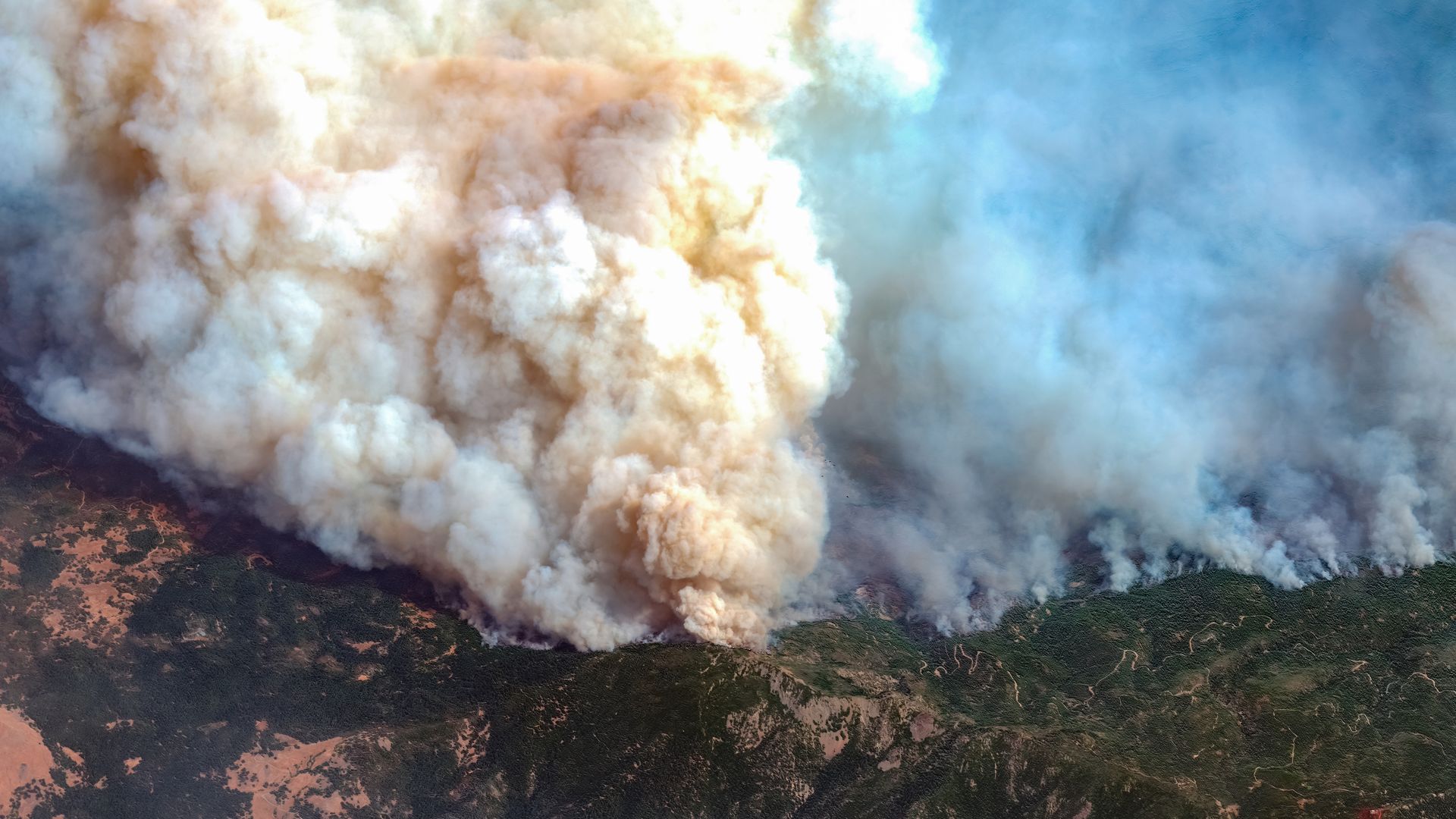
A massive wildfire in the Coast Range of California, between San Francisco and the Oregon border, has burned over 1 million acres, Cal Fire said on Monday.
The big picture: The August Complex Fire, which merged from 37 different wildfires in the Mendocino National Forest, has killed one person and destroyed 159 structures as it burned across 1,002,097 acres, per Cal Fire. It was at 54% containment as of Monday.
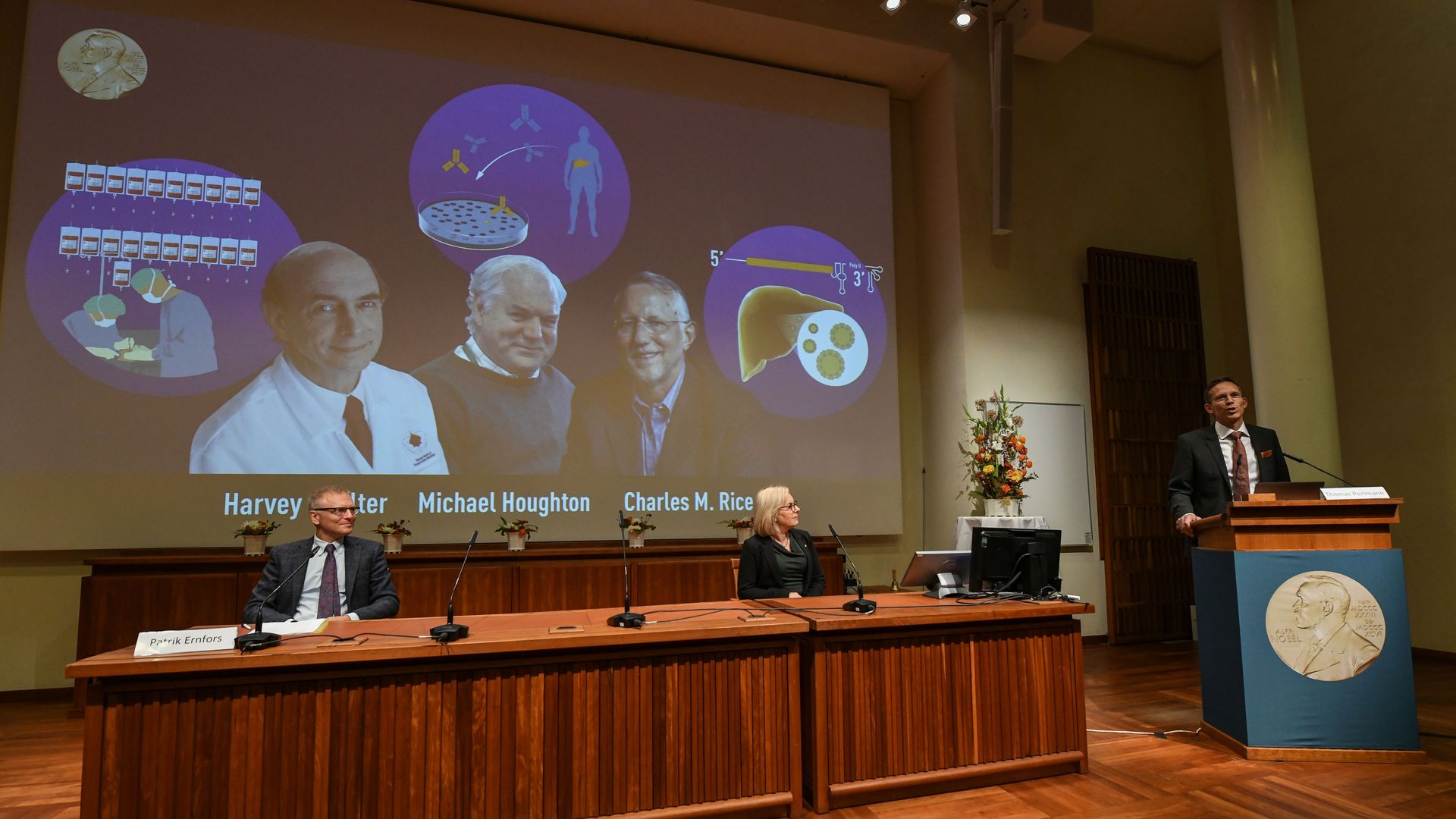
Three scientists — Harvey J. Alter, Michael Houghton and Charles M. Rice — have won the Nobel Prize for their discovery of the Hepatitis C virus, a blood-borne liver disease that infects millions every year.
Why it matters: Before the scientists' discovery, many liver problems went unexplained. "The discovery of Hepatitis C virus revealed the cause of the remaining cases of chronic hepatitis and made possible blood tests and new medicines that have saved millions of lives," the Nobel Prize committee said.