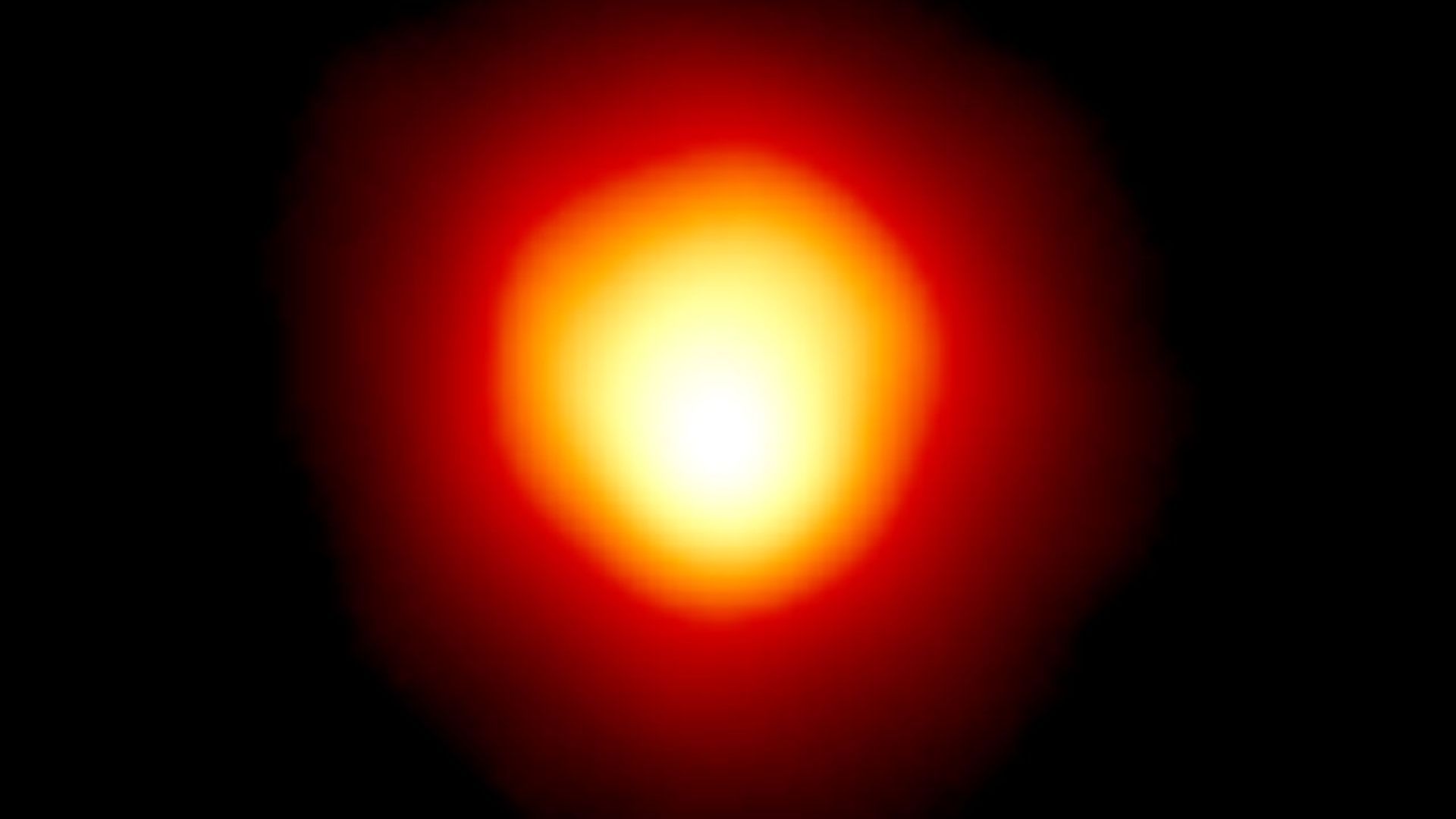
Betelgeuse — the red supergiant star — spit out a huge mass of hot gas and plasma that made it look like it had dimmed significantly from Earth's perspective at the end of 2019 and earlier this year, according to new research.
The big picture: Betelgeuse is one of the brightest stars in the night sky and astronomers keep a close watch on it, with the expectation that it may one day explode as a supernova.
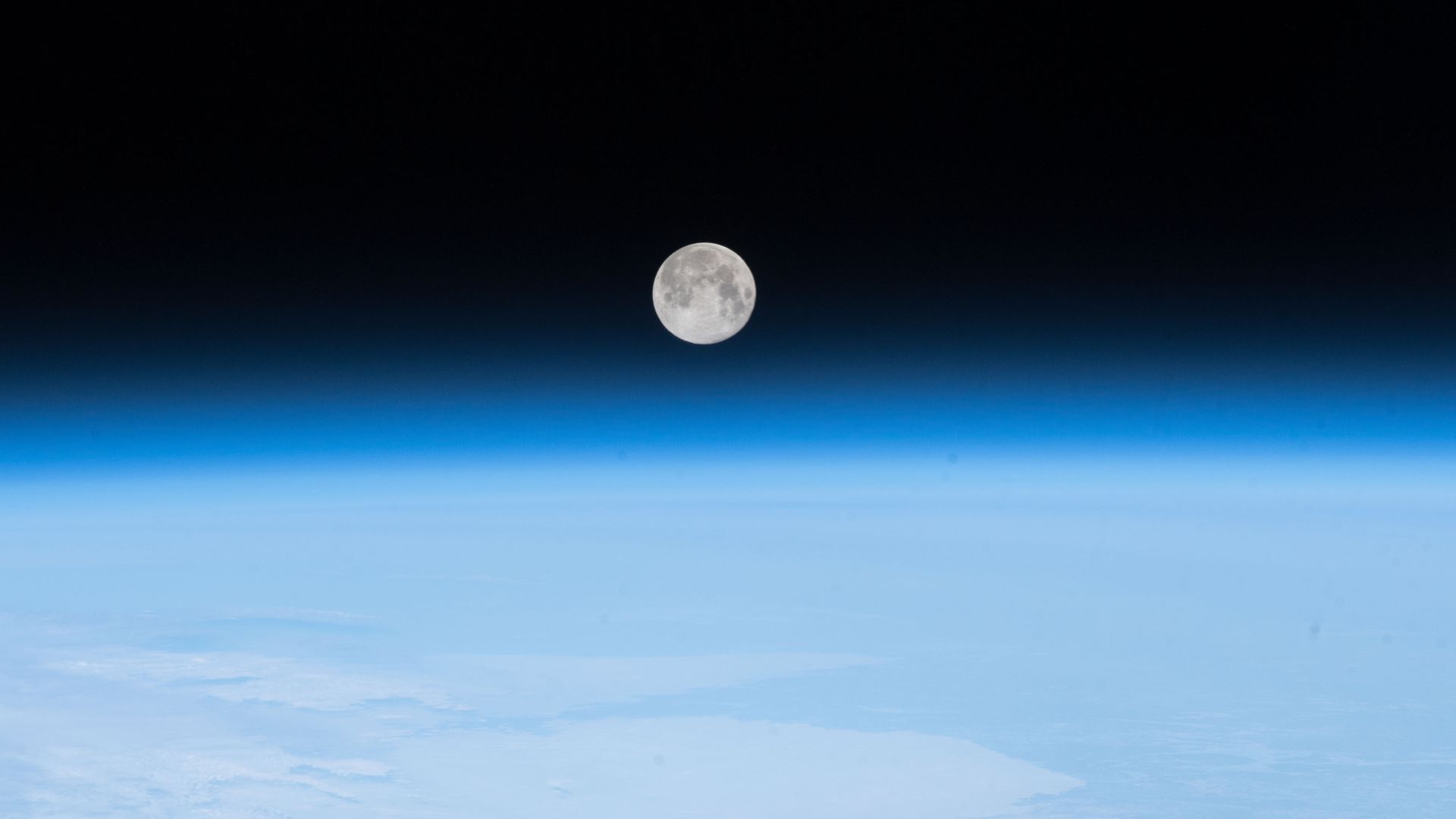
Increased activity on the Moon could make it harder for scientists to study lunar ices that may hold clues to the origins of water in the solar system.
What's happening: With NASA's Artemis program and other space agencies aiming for the Moon, the lunar surface could become a very crowded place in the coming years. Scientists are now working to parse out any unintended consequences of that exploration.
SpaceX is racking up wins this year, solidifying its role in the top tier of space companies operating in the U.S. today — and pressuring the rest of the industry into a new era of spaceflight.
Why it matters: Instead of remaining the young upstart breaking all the rules, SpaceX is now creating the rules for the other companies involved in the industry.
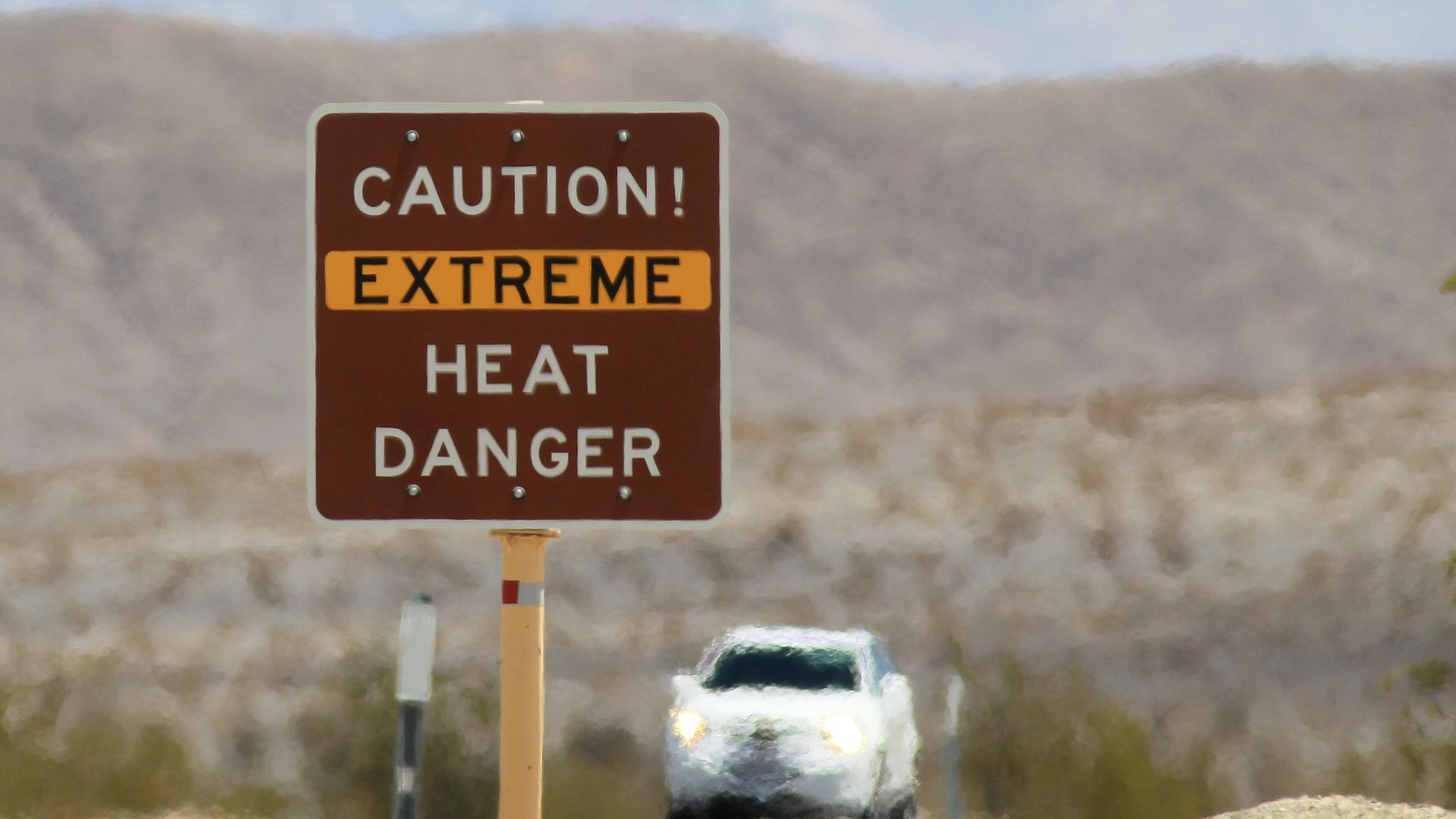
A Southern Californian thermometer at Death Valley's Furnace Creek reached 130 degrees Fahrenheit on Sunday, per the National Weather Service (NWS).
Why it matters: If verified, it would be Earth's hottest recorded temperature since at least 1931, the most scorching August day on record and the third-highest temperature ever recorded, per the Washington Post. Records were broken across California over the weekend, as the heat wave triggered wildfires and rolling power outages.