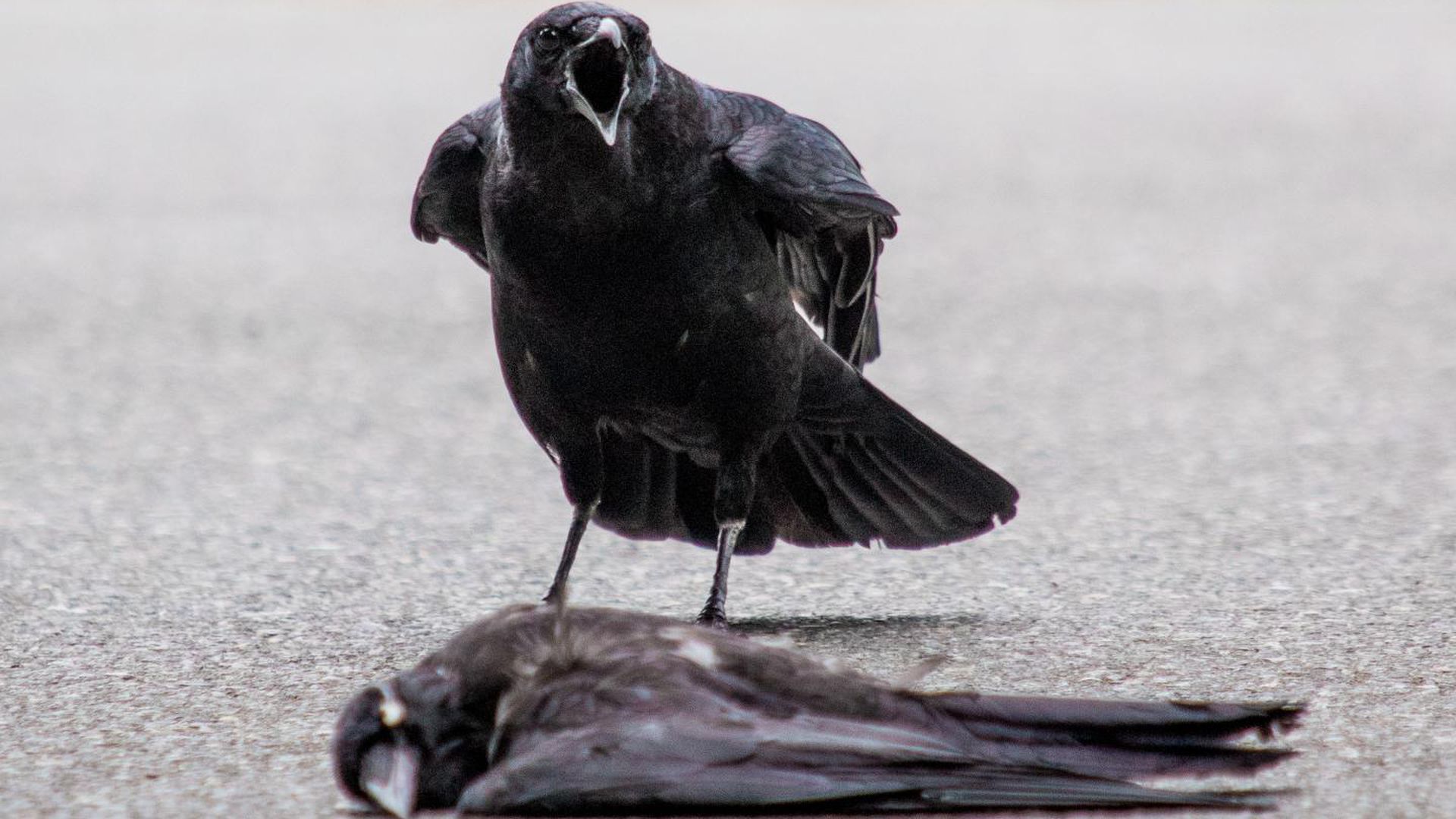
Some animal species respond to the emergence of new diseases by social distancing from other members of their species.
The big picture: Social distancing remains the most direct way to reduce the spread of disease, as we've discovered with COVID-19. The behavior may be so basic to survival that some animals do it instinctually — a model skeptical human beings might want to follow.
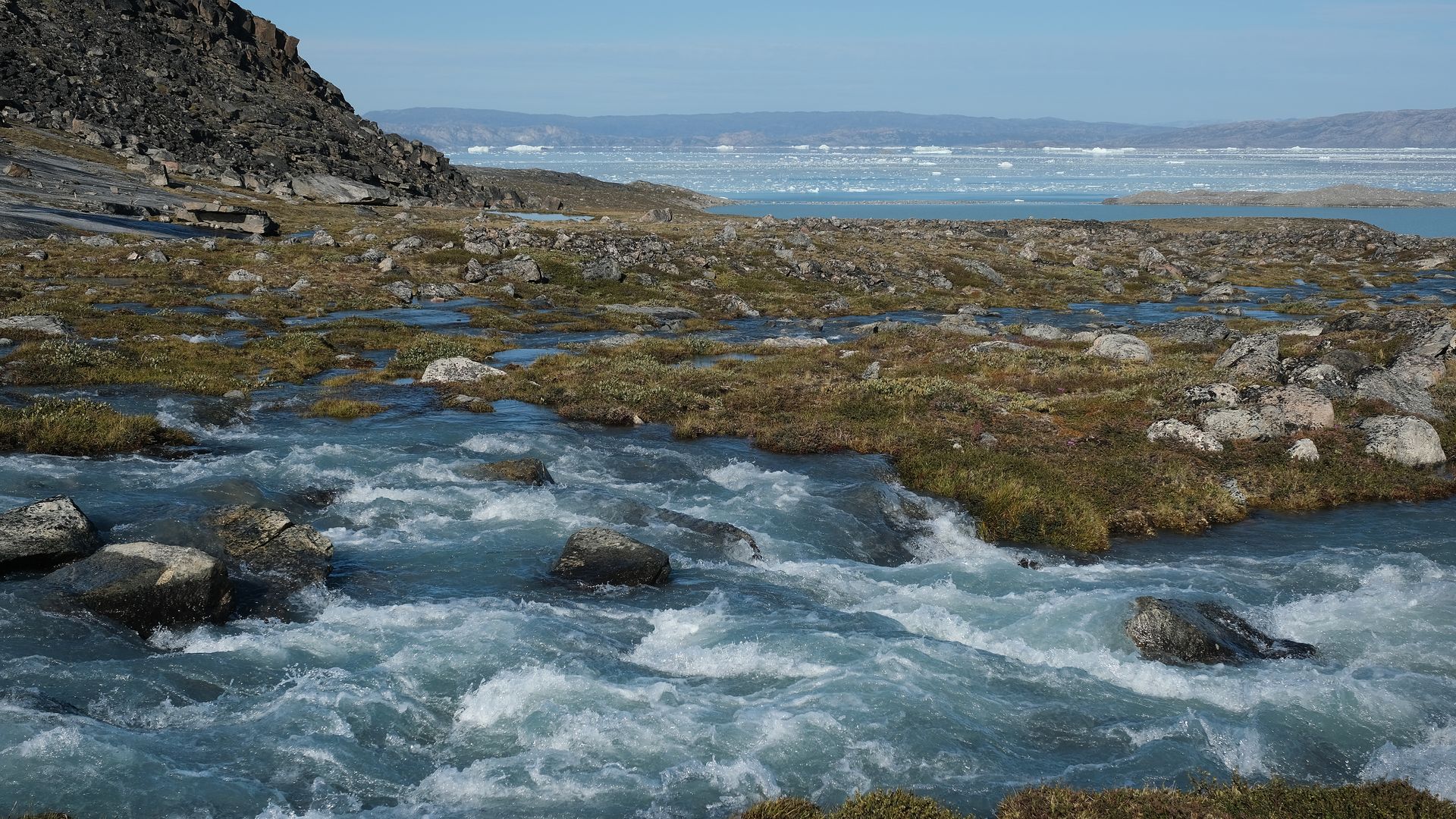
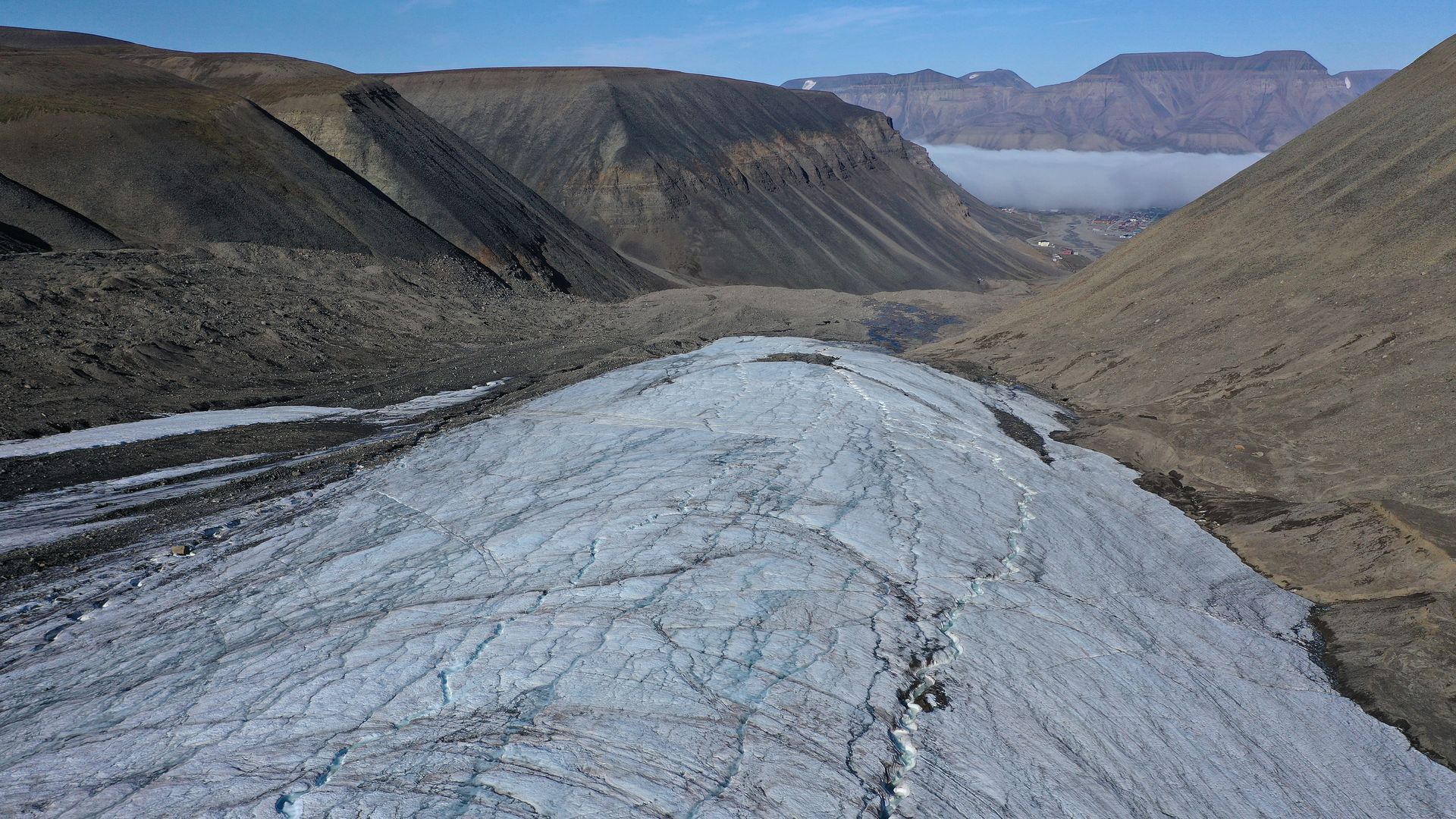
Greenland's ice sheet has melted beyond the point of no return, contributing to rising ocean levels, a new study published in the journal Nature Communications Earth and Environmentfinds.
Why it matters: Even if global warming were to stop imminently, annual snowfall that replenishes the ice sheet cannot keep pace with the ice that is flowing into the ocean from glaciers.
The Defense Department revealed its Unidentified Aerial Phenomena Task Force (UAPTF) on Friday, charging the group with examining unexplained encounters with unidentified flying objects, per a statement.
Why it matters: The task force, to be led by the Navy, comes after the Pentagon earlier this year released a number of videos of "unidentified aerial phenomena" captured by Navy pilots over the last decade.
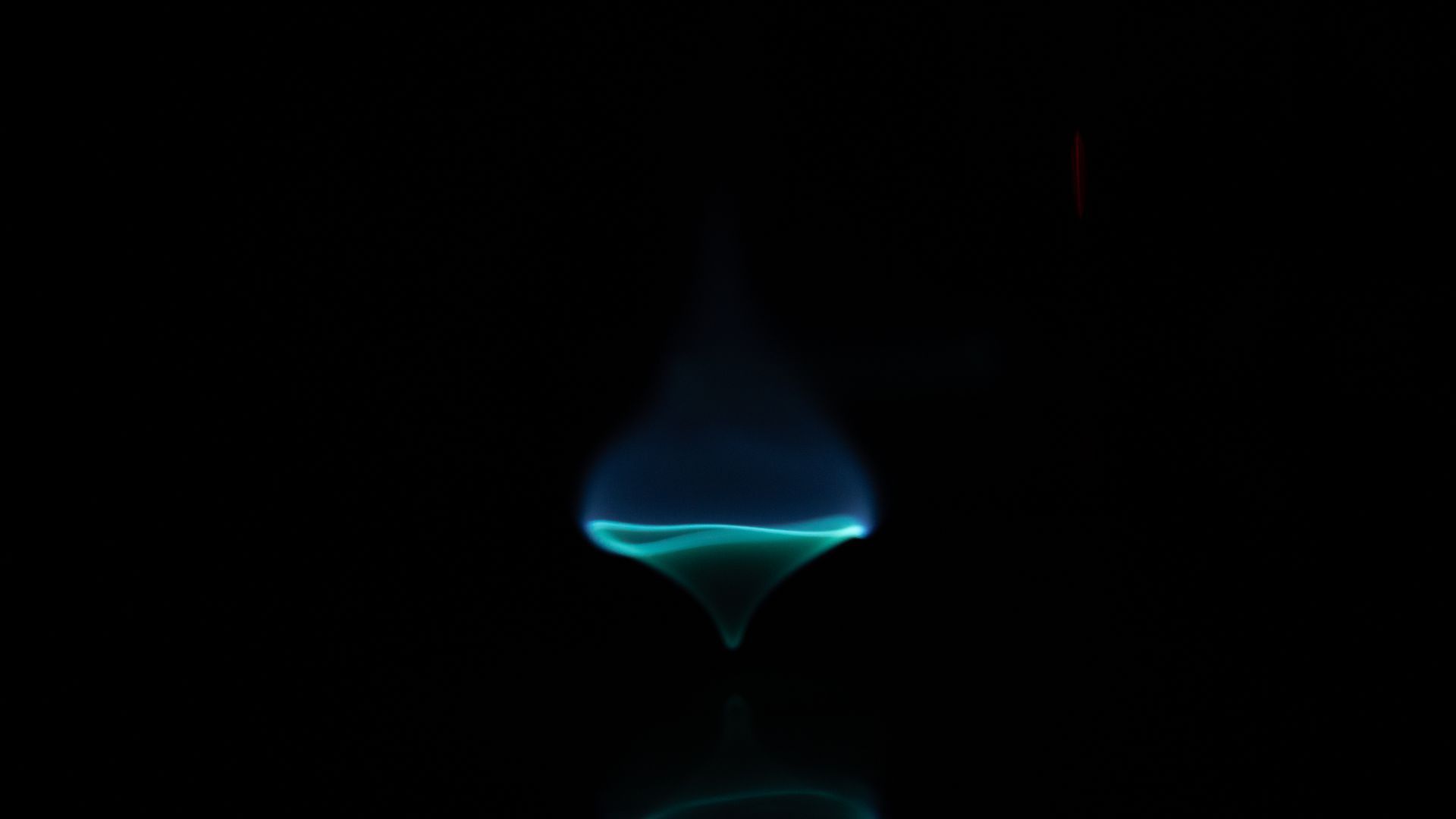
A fire phenomenon known as the blue whirl can emerge from fire tornadoes. This week scientists reported new details of the structure of the mysterious clean-burning flame.
Why it matters: Researchers hope to one day harness the blue whirl as a source of energy and to clean up fuel spills. To do that, they need to understand the flame's form — and how it might be controlled.