On July 15, Russia ratcheted up international tensions by testing what appears to be a weapon to destroy enemy satellites in space, according to the U.S. Department of Defense. But this is far from the first time the country has put on a display of force in orbit.
Why it matters: Russia has been building out its space weapons capabilities for years. The recent test — which did not destroy a satellite — comes after Russia staged another anti-satellite test of a different kind of system in April.
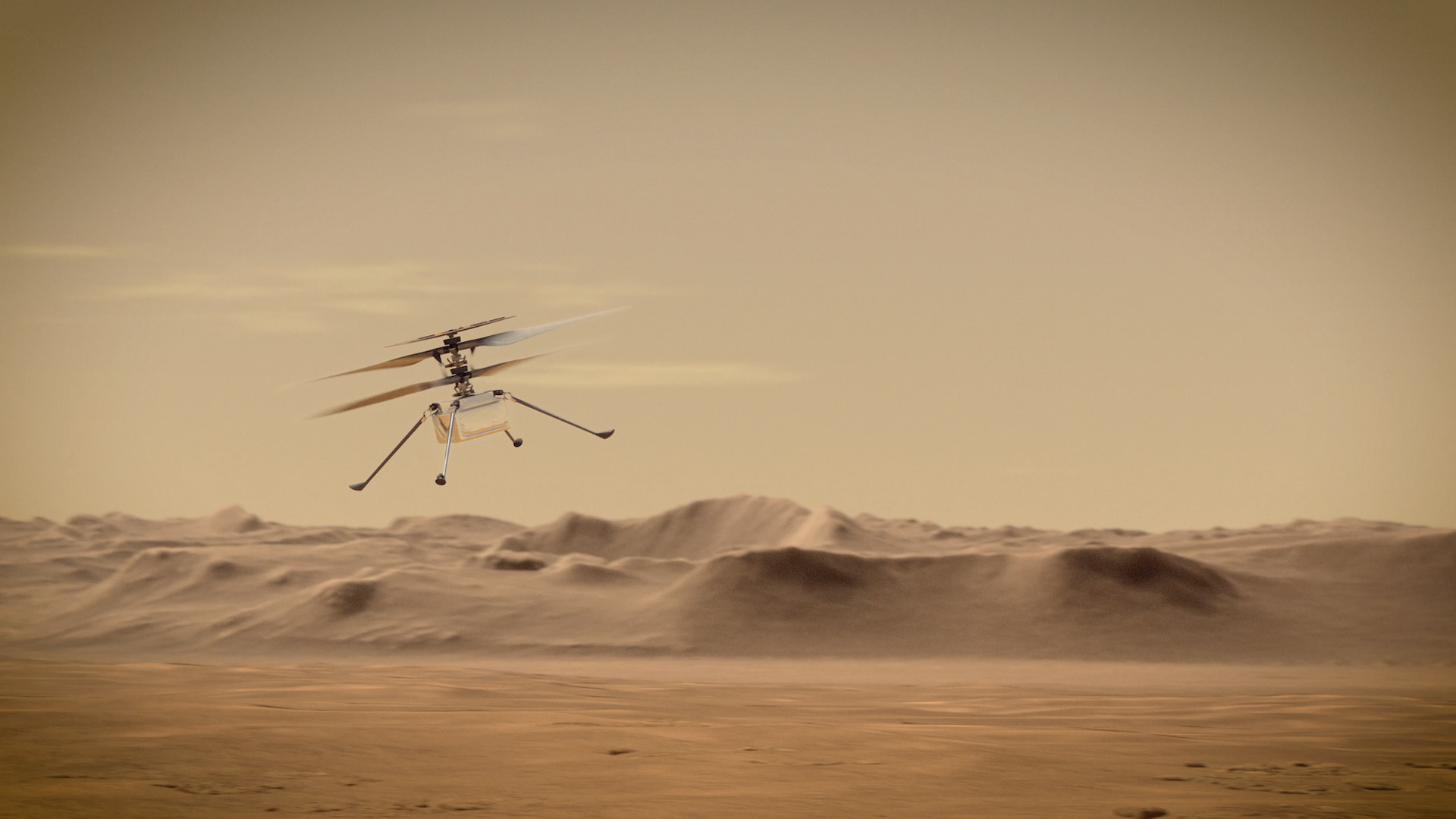
Perseverance will carry new tech to Mars that represents major technological advances since NASA's last rover — Curiosity — landed on the Red Planet in 2012.
Why it matters: These new experiments and technology demonstrations will fill in gaps in knowledge scientists have about the world and set up future robotic missions in the process.
More than any of its increasingly sophisticated predecessors, NASA's next robot on Mars will pave the way for getting humans to the Red Planet.
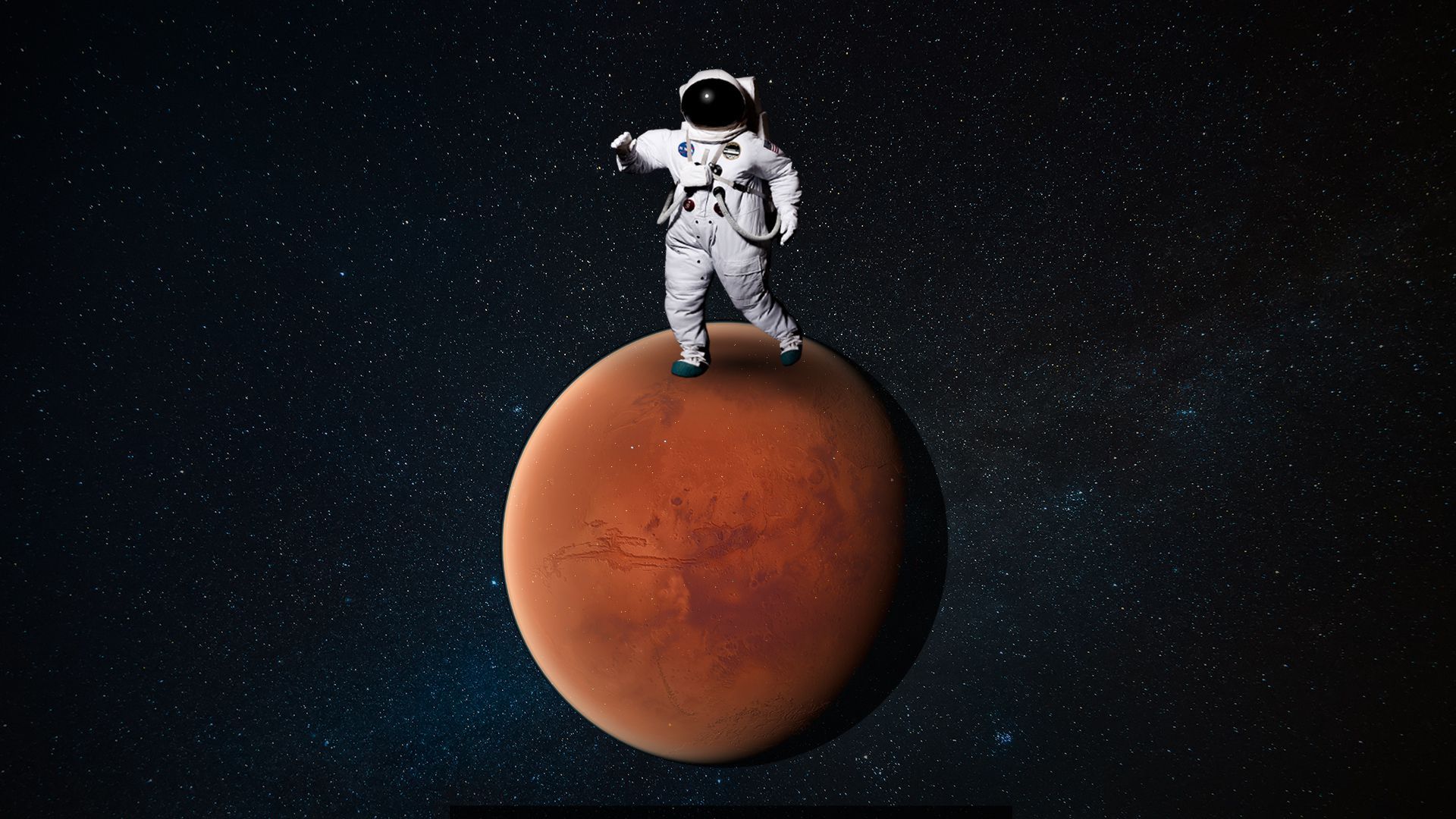
Why it matters: Rovers, landers and orbiters have beamed back invaluable data about Mars for decades, but the next phase in exploration depends on human explorers. One astronaut conducting science on Mars' surface could yield more efficient and quicker results than even the most advanced robot.
As South Texas continued to feel the effects of one hurricane, another one was threatening parts of Hawaii, according to forecasters.
Driving the news: Former Hurricane Hanna triggered flooding after dumping over 15 inches of rain over Texas — and the downpour's continuing overnight, the Washington Post notes. Meanwhile, a "dangerous Hurricane Douglas" was approaching the Hawaiian island of Kauai Monday morning, the National Hurricane Center (NHC) said.