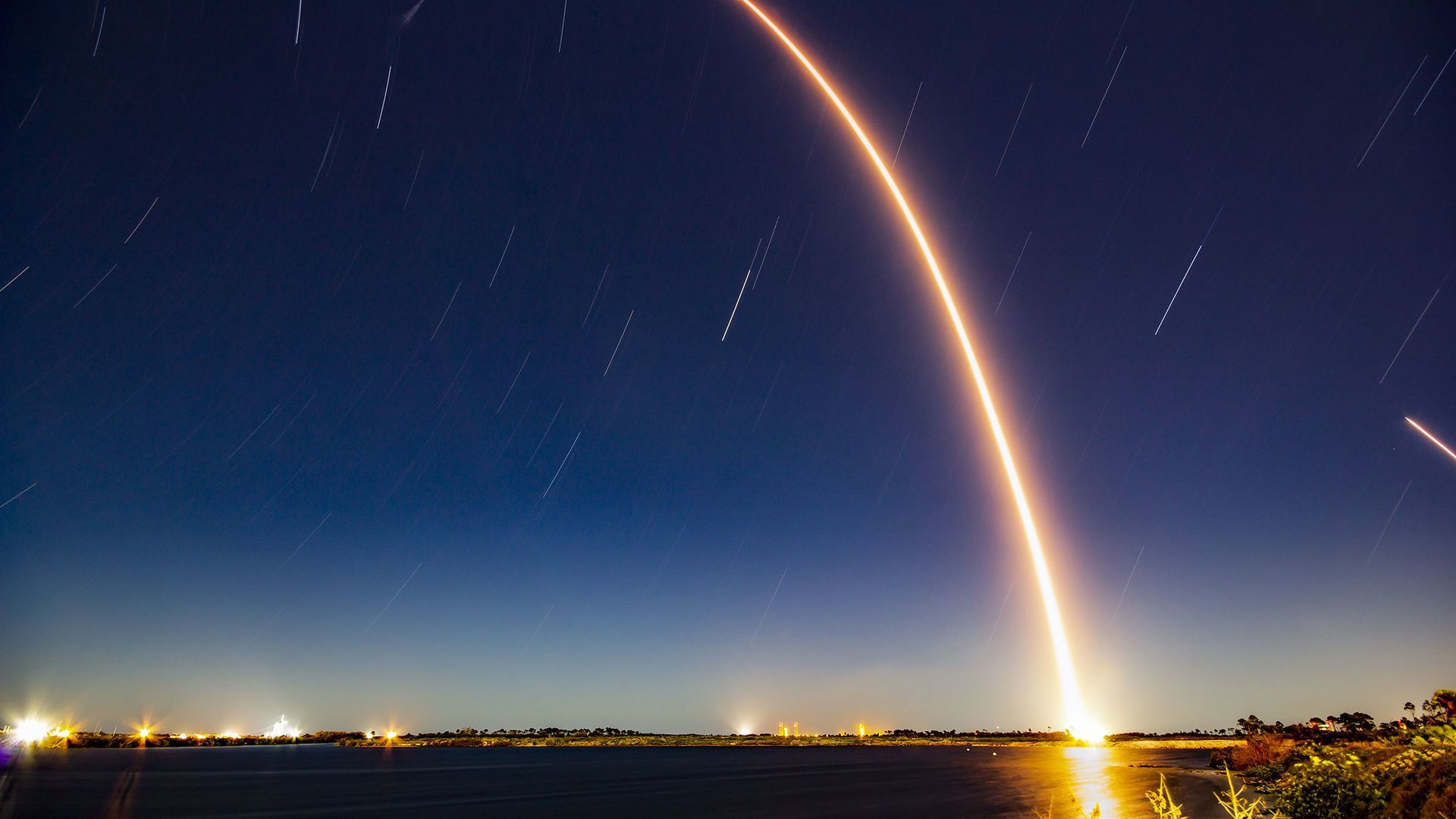
Voyager 2 — one of the farthest-flung spacecraft ever built — won't be able to receive commands from Earth until 2021.
Why it matters: If something goes wrong with the spacecraft in the next 11 months, it could mark the end of the long, iconic mission that is now exploring interstellar space, 11.5 billion miles from Earth.
Space-focused startups raked in $5.7 billion in financing in 2019, far surpassing the $3.5 billion raised in 2018, according to a new report from Bryce Space and Technology.
Why it matters: The report and others like it show investors still see the industry — buoyed by investor interest and new international companies — as ripe for investment.
Astronomy is still dealing with its own sexual harassment reckoning that came two years before the #MeToo movement swept through the entertainment industry.
Why it matters: Harassment, bias and discrimination lead to the underrepresentation of women — and particularly women of color, women with disabilities and LGBTQ+ women— in science, technology, engineering, math and medicine.
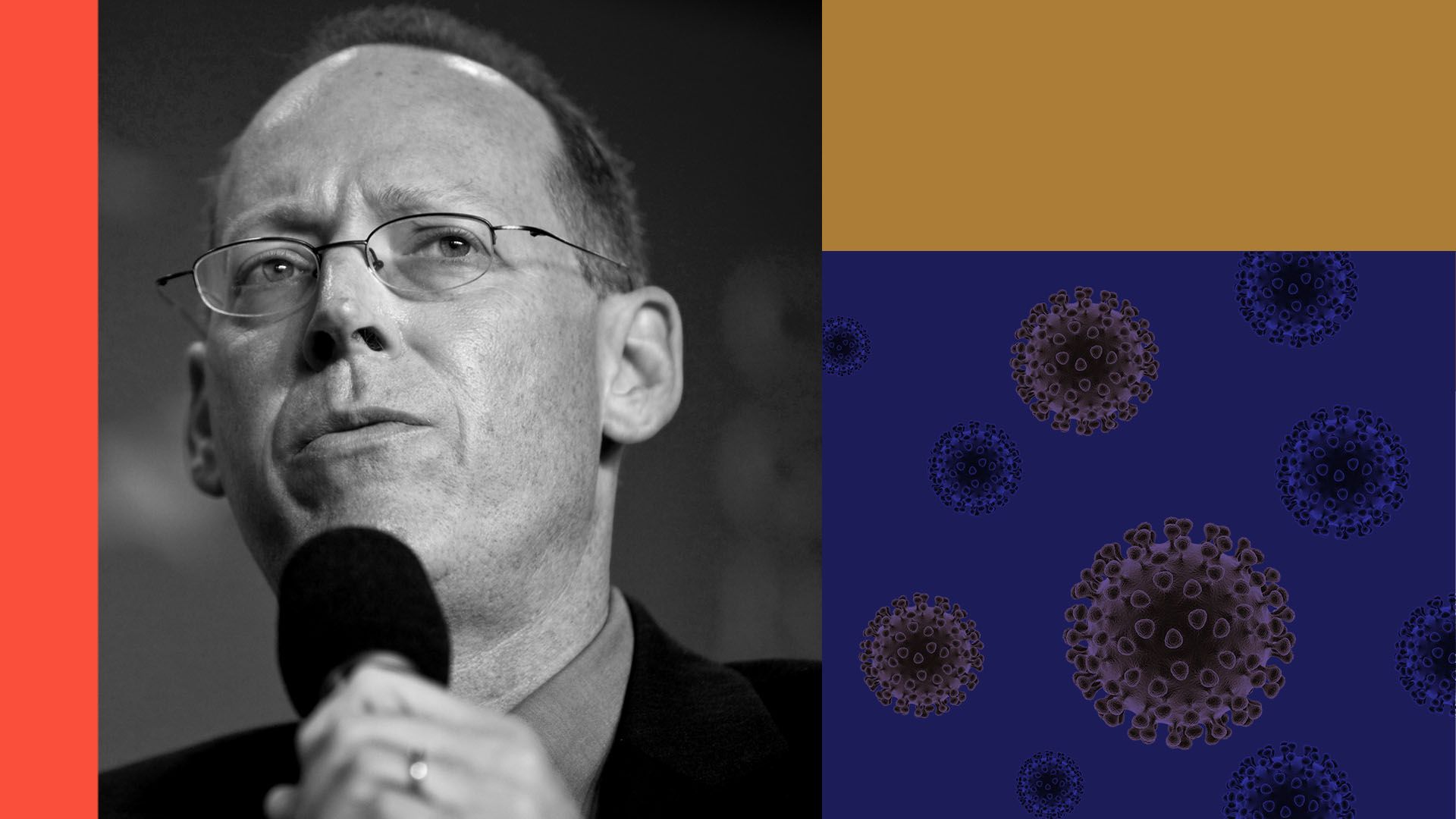
Paul Farmer, co-founder of Partners in Health, has spent decades treating infectious diseases in impoverished countries like Haiti and Sierra Leone.
What he's saying: The U.S. has lagged in its response to the coronavirus, but Farmer still has confidence in the country's public health agencies as well as the treatments that are available to infected patients.