While debate rages about how to fight climate change, the impacts that rising temperatures have already locked in are getting worse.
Why it matters: We’re learning more about how much of the damage is irreversible, like with rising sea levels — which means we need to think about not just stopping the problem, but also about adapting to the parts we can't stop.
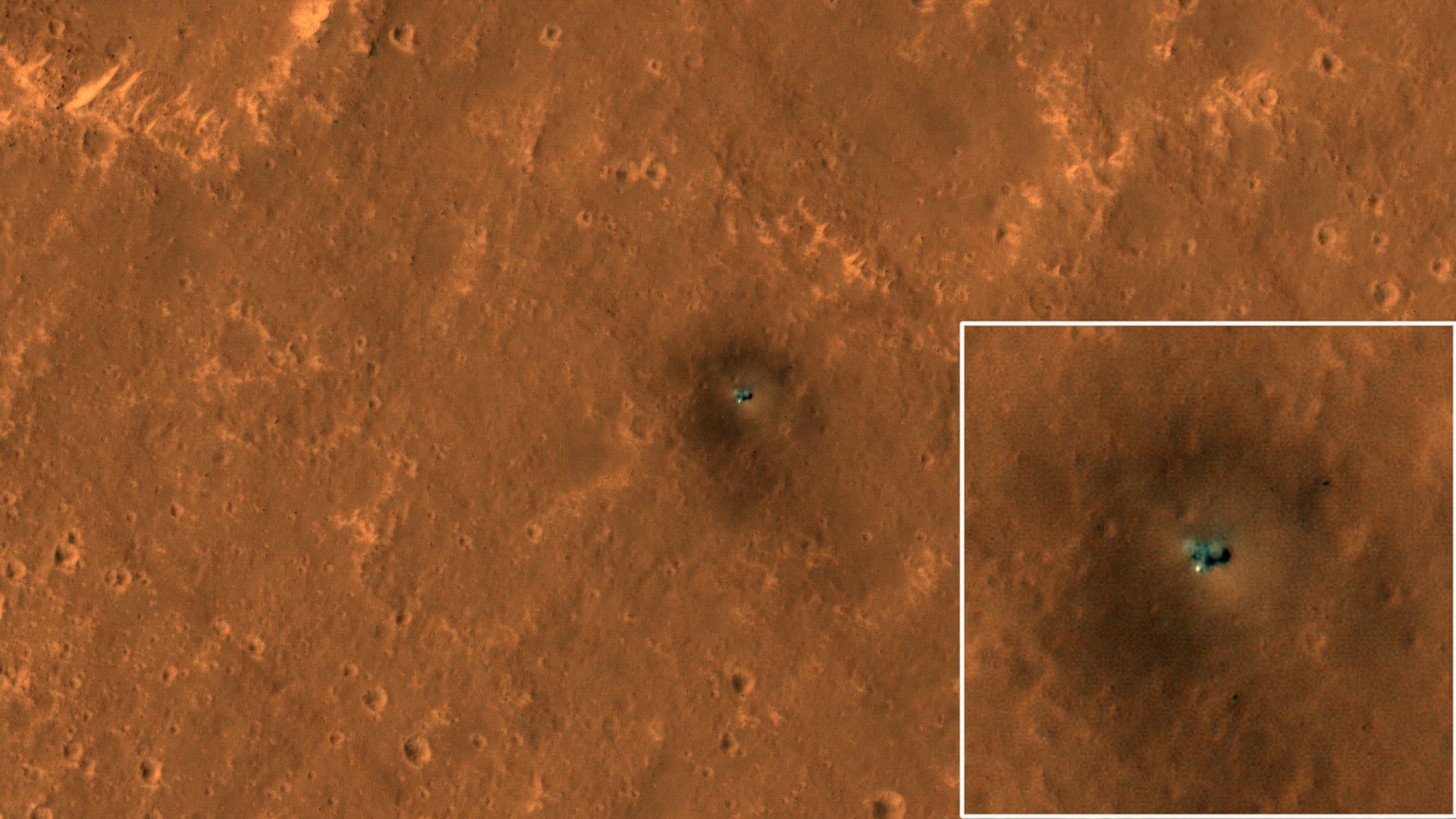
Even the most distant robotic explorers on Mars are never totally alone. NASA's Mars Reconnaissance Orbiter caught sight of the space agency's InSight lander on the Martian surface in September.
Why it matters: The remarkably clear photo taken by the MRO shows off the lander's circular solar panels on the sides of the spacecraft.
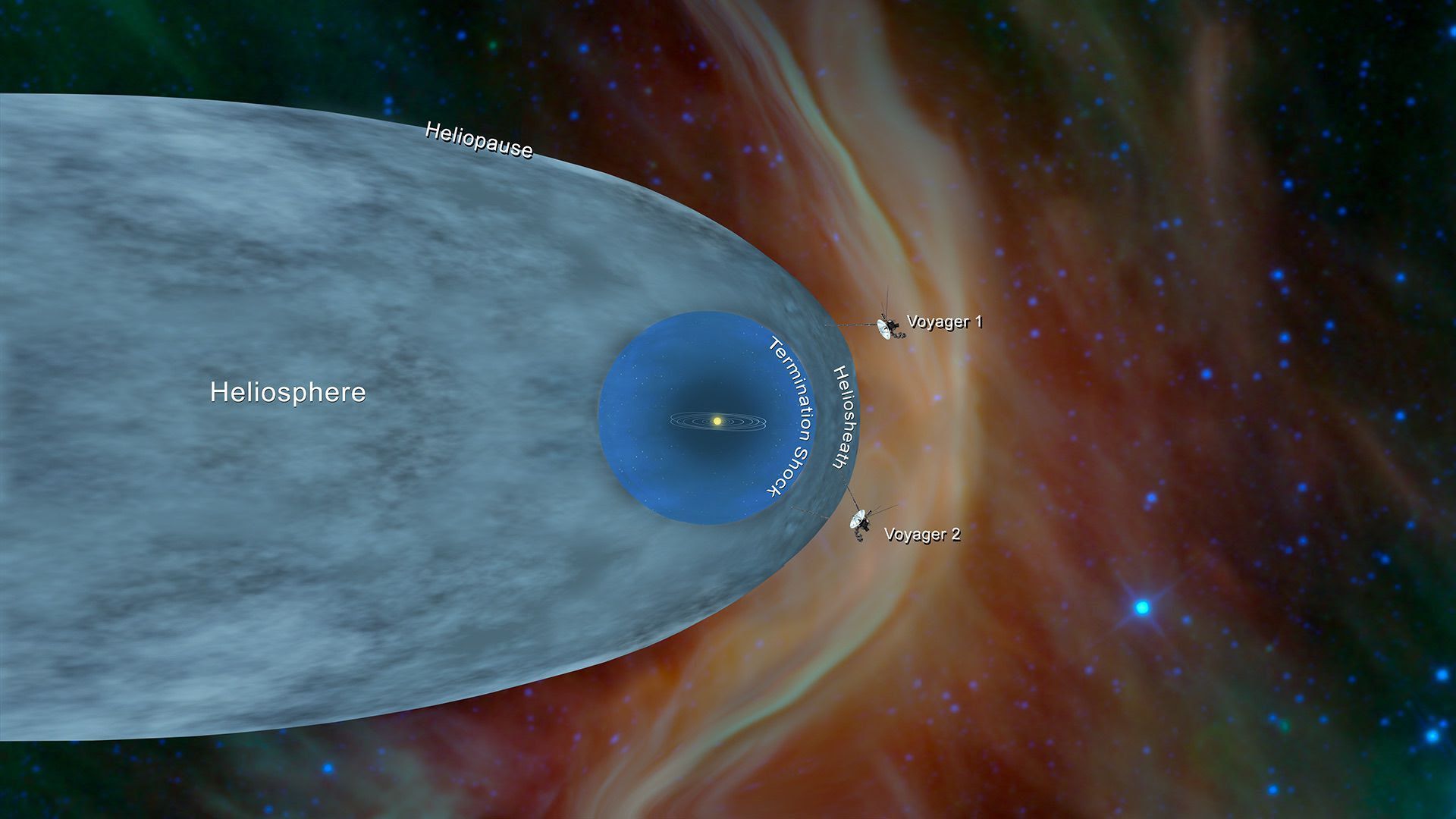
The Voyager 1 and Voyager 2 probes — which launched in 1977 and are now traveling through interstellar space — may be complicating scientists' understanding of our solar system's structure.
Why it matters: Mapping the structure of our solar system places it in context with the rest of the galaxy, allowing scientists to learn more about the evolution and even future of our cosmic neighborhood.
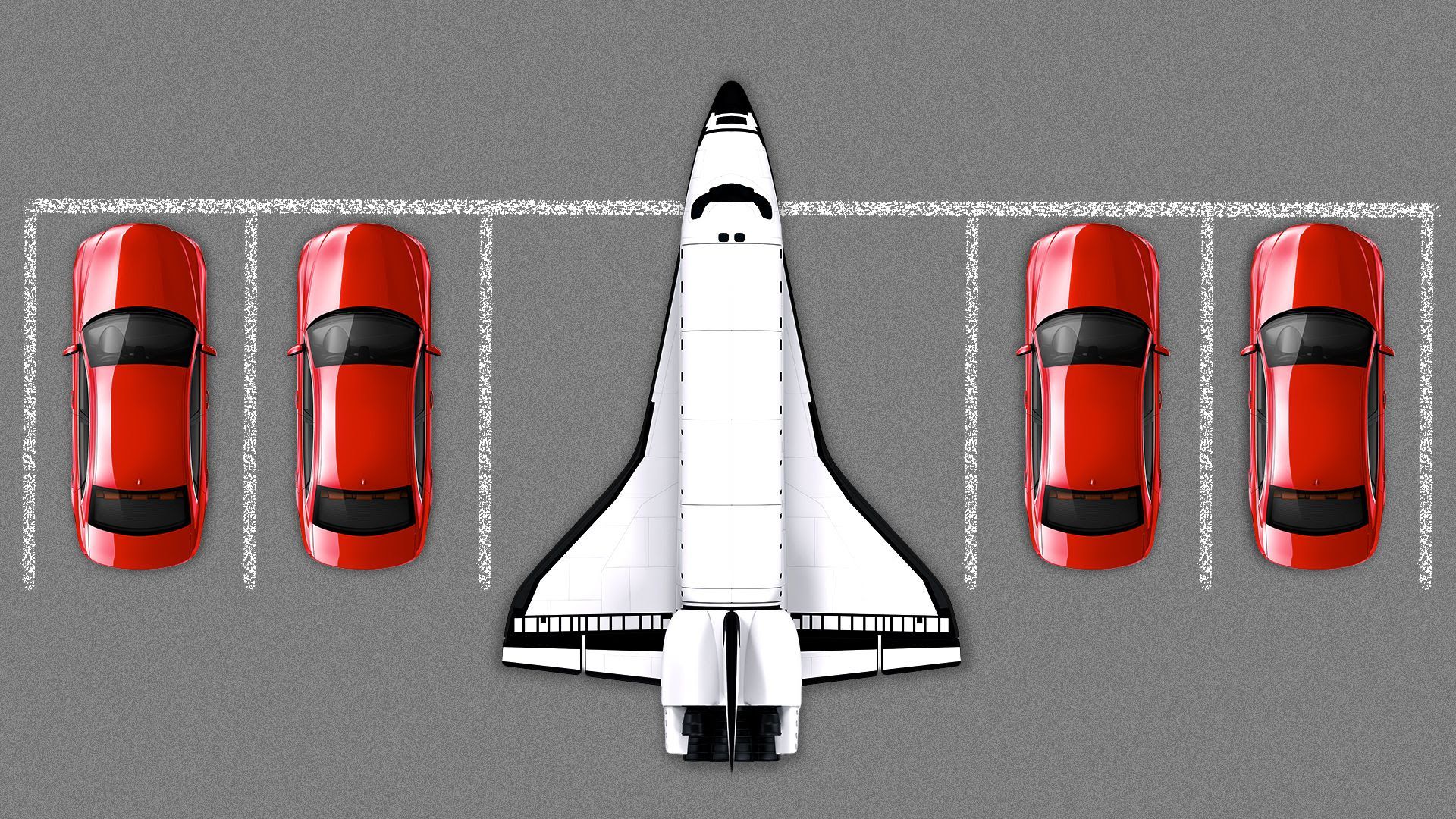
A space economy conjures visions of thousands of people living and working in orbit and beyond, but the jobs that will keep the space industry afloat in the coming years will be located on Earth.
The big picture: The space industry could be worth $805 billion by 2030, according to estimates from UBS.
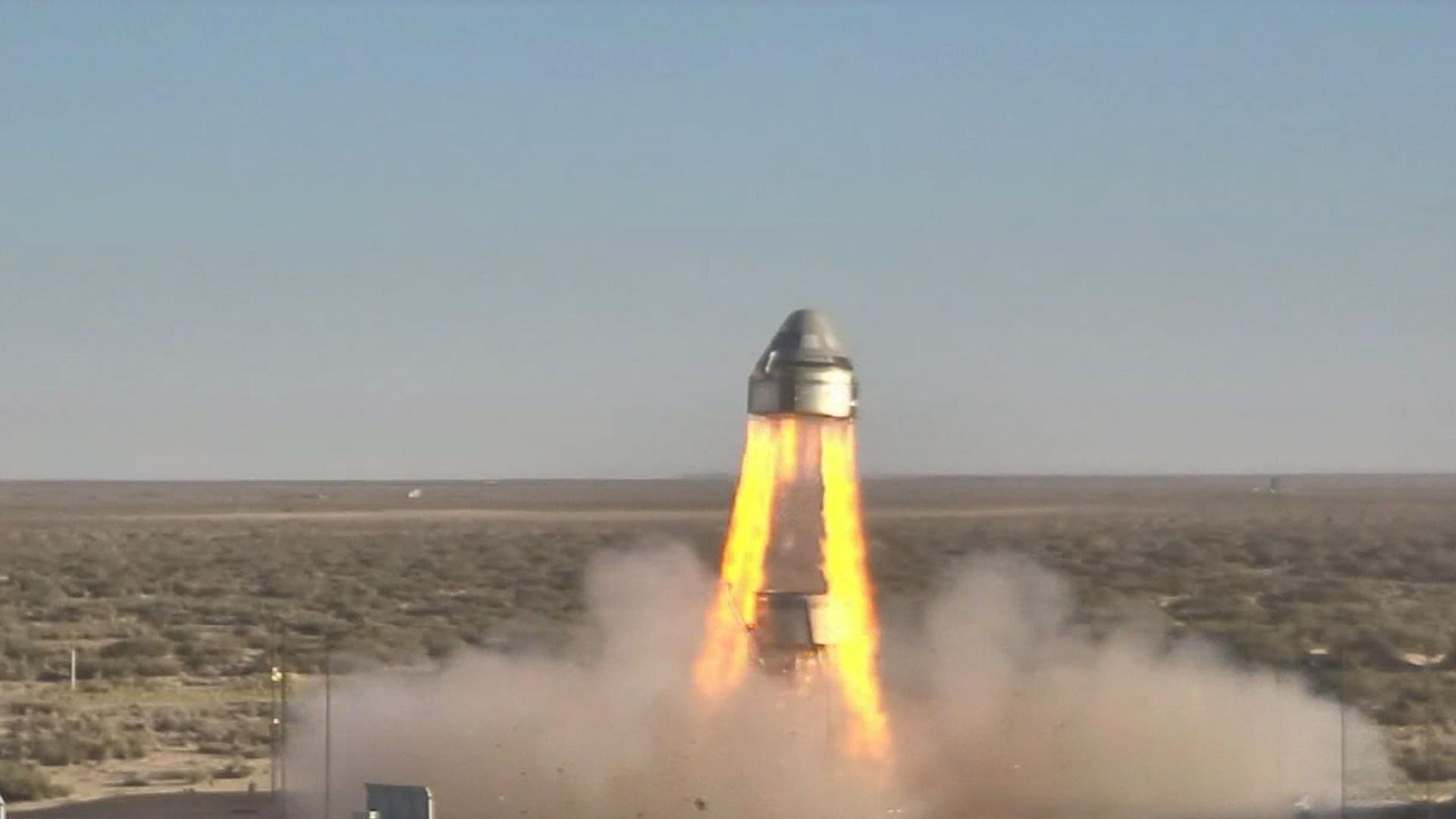
SpaceX and Boeing are working to clear a number of safety hurdles before the end of the year ahead of launching their first crews of astronauts to the International Space Station.
Why it matters: The two companies have been tasked with flying people to space from U.S. soil, ending NASA's reliance on Russia's Soyuz spacecraft for transportation to the station.