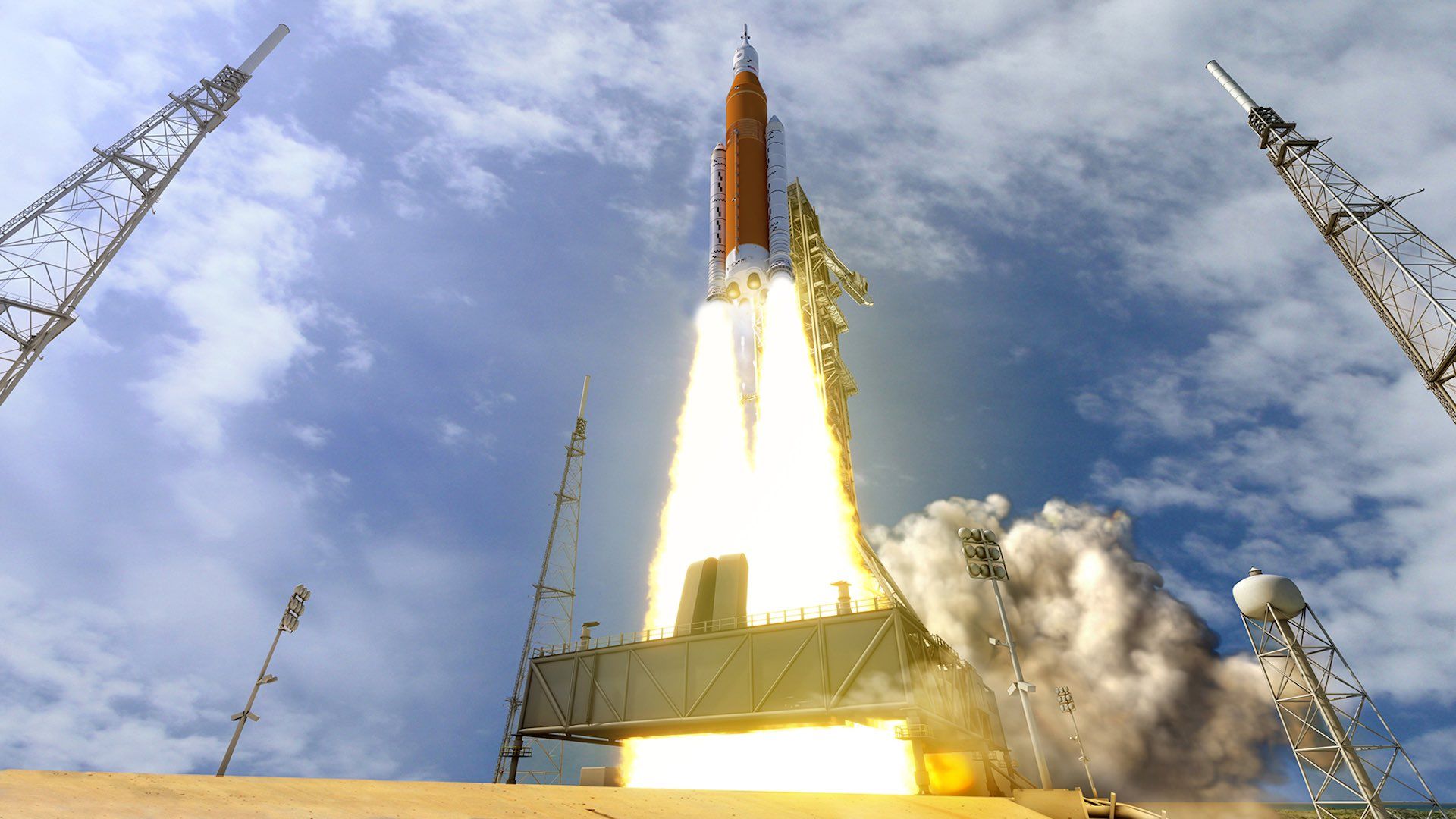
NASA's Space Launch System (SLS) mega rocket and the Orion spacecraft — designed to take people to deep space destinations like the Moon and Mars — are facing possible delays and cost overruns, according to a new independent report released Wednesday.
Why it matters: Orion and SLS are key elements of NASA's planned Artemis mission, which is the Trump administration's plan to bring astronauts back to the surface of the Moon by 2024. If development of the rocket and spacecraft experience further delays, the agency may not meet that deadline, according to the Government Accountability Office report.
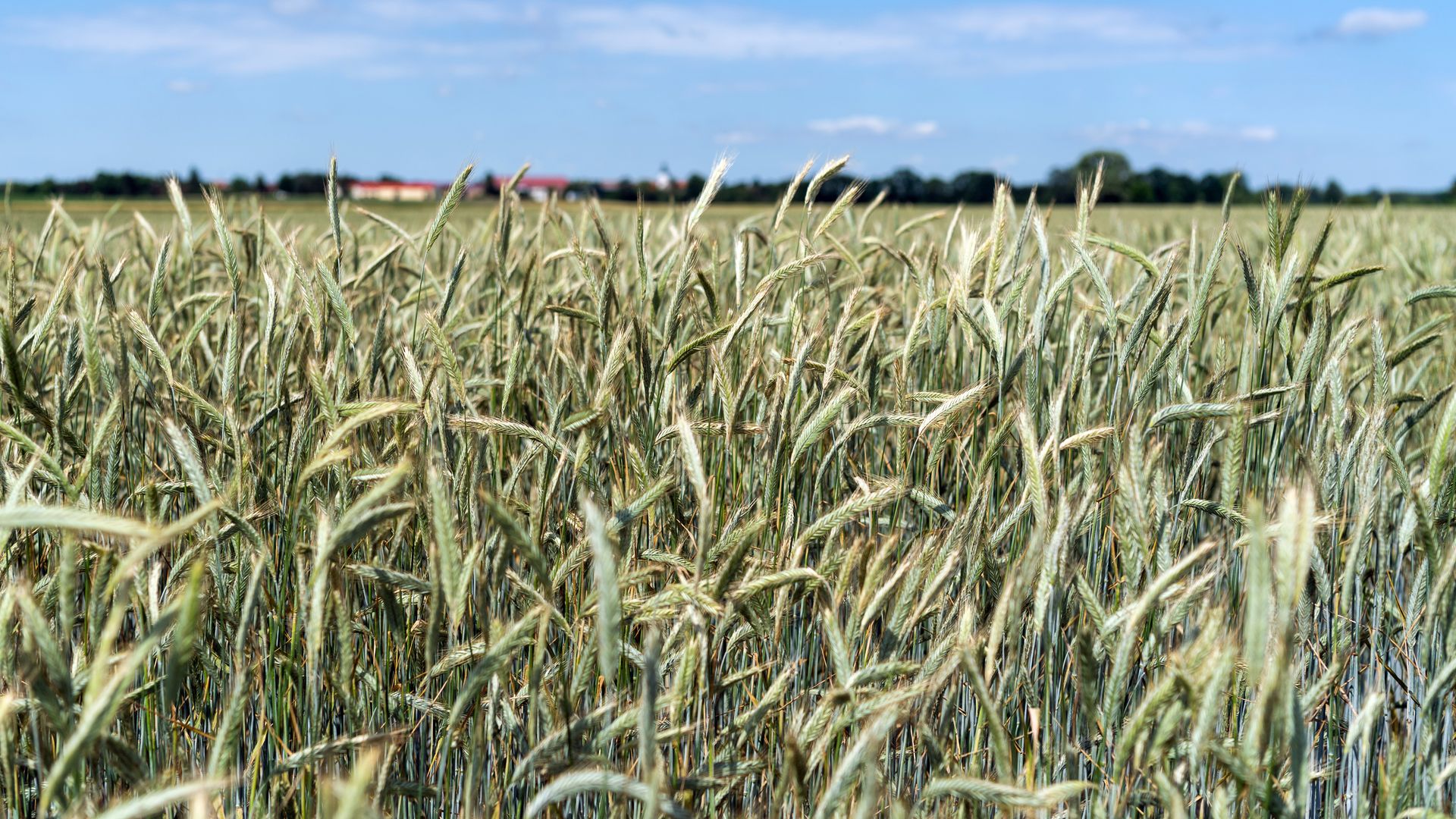
Domestic plantings of corn have stalled to their slowest pace in 40 years as a result of adverse weather conditions, the Washington Post reports, citing data released by the U.S. Department of Agriculture.
Why it matters: May 2018 to April 2019 was the wettest 12-month period on record for the Lower 48 states, according to the National Centers for Environmental Information. May 2019 itself was also the second-wettest month alone in the U.S. since 1895. The torrential downpours have flooded American farmland, particularly in the Midwest, and making a greater proportion of crops unviable compared to past planting seasons.
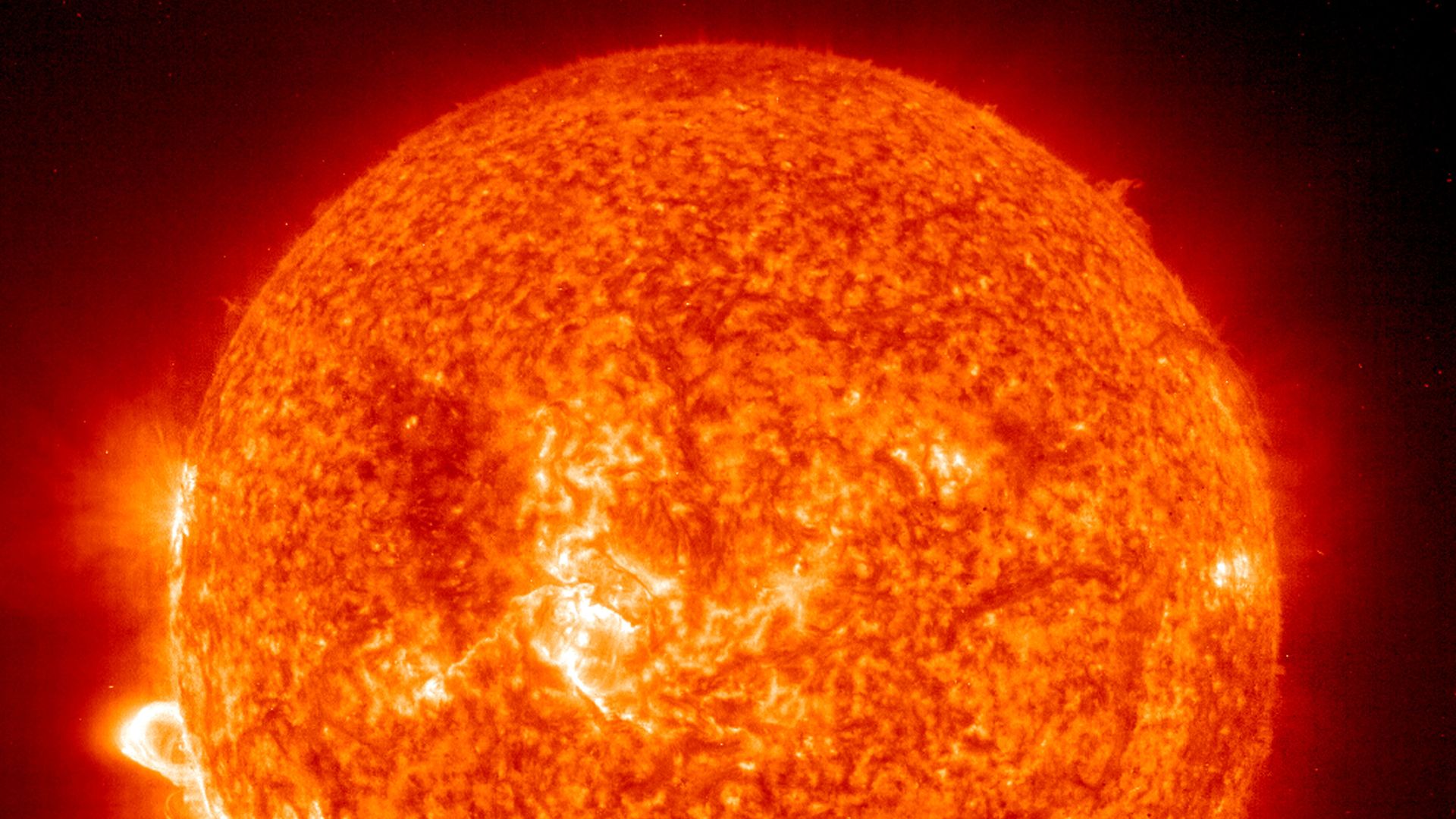
The upcoming 11-year solar cycle, which kicks off in 2020, is forecast to be quieter than the last but that doesn’t mean we should be complacent about solar storms, experts say.
Why it matters: Although rare, an extreme coronal mass ejection (CME) — a large burst of plasma sent out by the Sun — could cause a months-long blackout, harm satellites and cause billions in damage.
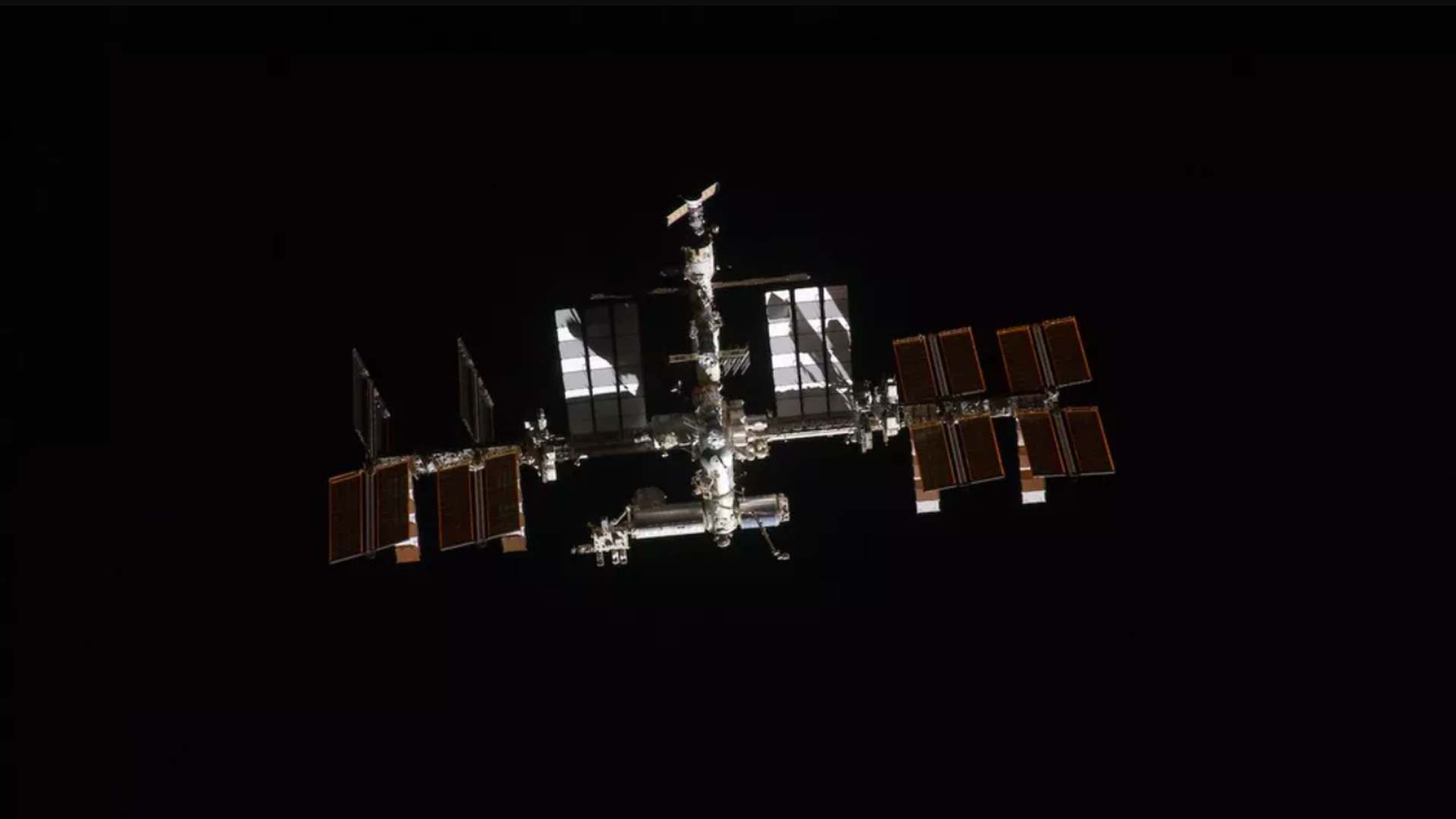
Private spaceflight companies already have big plans to capitalize on NASA opening up the International Space Station to commercial space ventures in the coming years.
Why it matters: The agency hopes by the time the station runs its course, NASA astronauts will be able to fly to privately-managed space stations in orbit instead of a government-run outpost, freeing up NASA to focus more resources on the Moon and Mars.
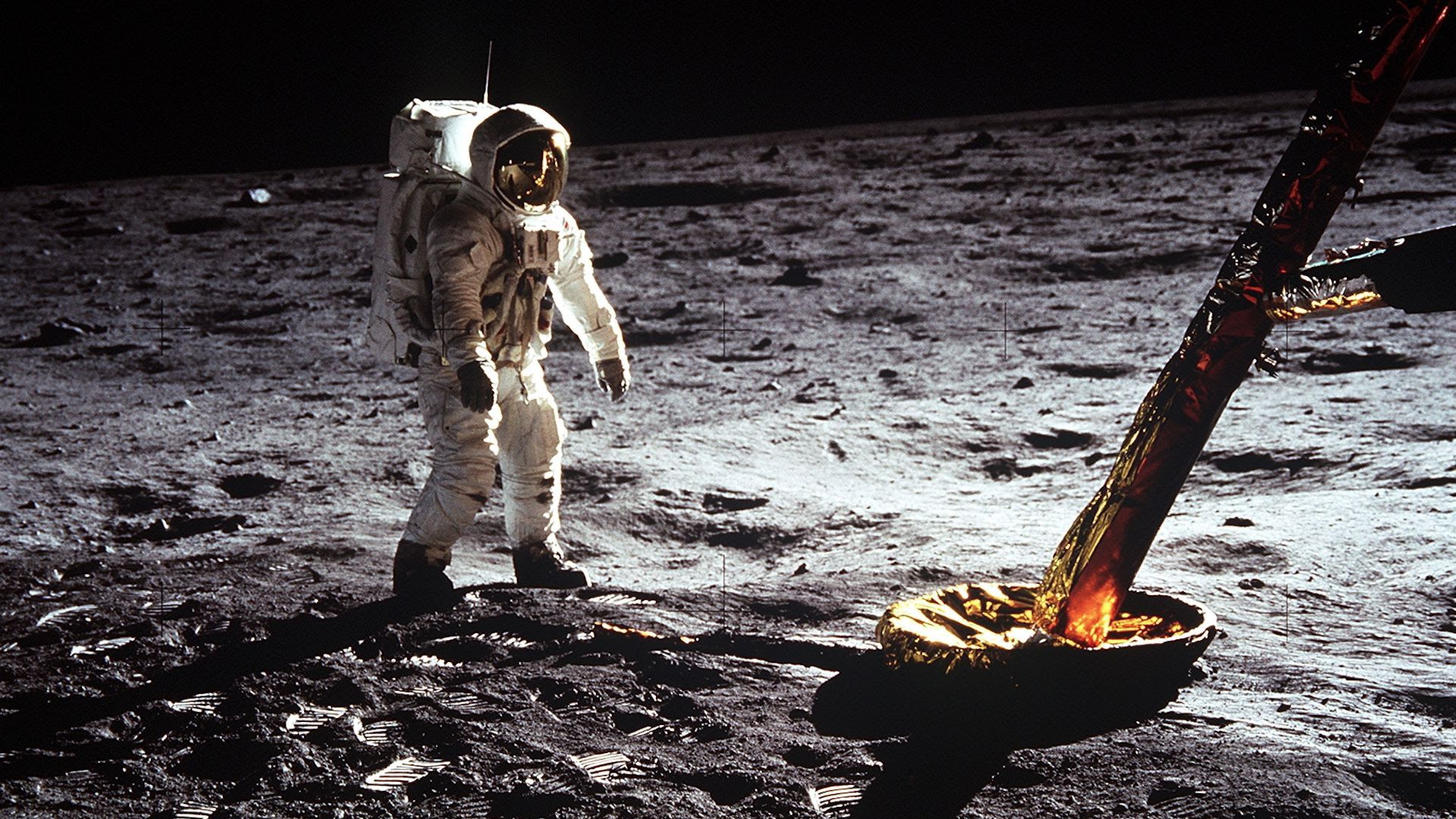
A new website transports you back in time to 50 years ago, when Neil Armstrong, Buzz Aldrin and Michael Collins first shot for the Moon.
The big picture:Apolloinrealtime.org replays the experience of the Apollo 11 mission to the Moon in real time using archival footage from Mission Control, astronaut-shot footage, TV broadcasts and photos.
A new study in the journal Nature Geoscience finds meteors may be responsible for helping to form clouds in Mars' middle atmosphere, about 18 miles above the ground.
Why it matters: Learning more about the red planet's current climate could help scientists piece together the world's past. The origins of the clouds in the middle atmosphere were a mystery until now.


/2019/06/18/1560879438464.gif?w=3840)