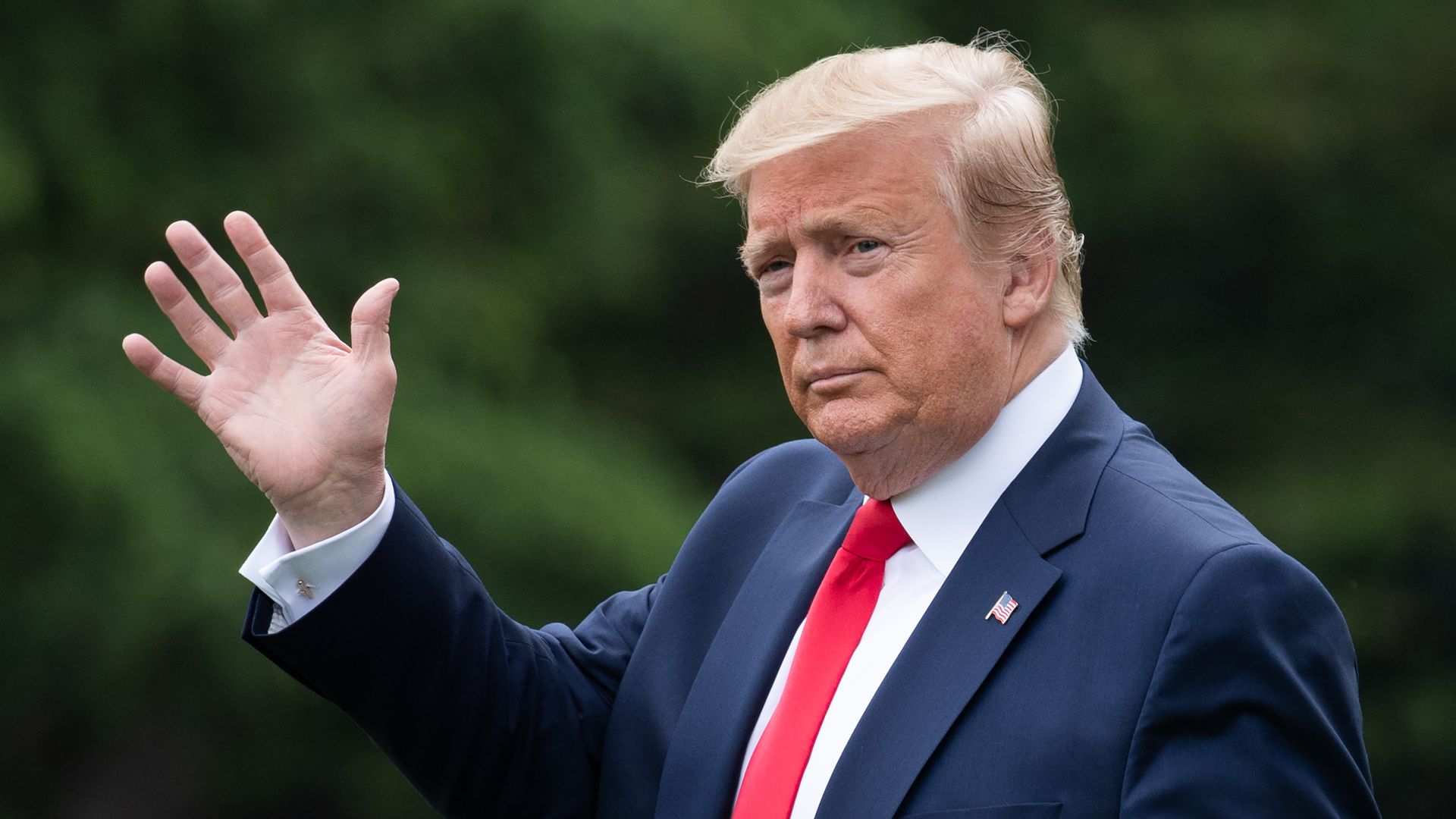
President Trump traveled to Florida on Wednesday to host a rally and visit those affected by Hurricane Michael, the Category 5 storm that hit the state in October 2018. But 7 months after the hurricane, disaster-relief funding remains at a standstill.
Catch up quick: Relief funds have stalled as a back-and-forth unfolds between Trump and Congress, as sources familiar with the negotiations say they're stuck on the specific amount of funding for Puerto Rico, Axios' Alayna Treene reports.
Severe thunderstorms are erupting over parts of the southern Plains and Texas that could spawn strong tornadoes, damaging straight line winds and baseball-sized hail, according to NOAA's Storm Prediction Center.
Thought bubble from Axios Science editor Andrew Freedman: The risk for tornadoes, including several strong tornadoes, is elevated particularly over the Texas Panhandle and a slice of far western Oklahoma. It's unusual for NOAA's Storm Prediction Center to forecast a tornado risk quite this high, which indicates their confidence that the ingredients necessary for such phenomena are likely to come together.
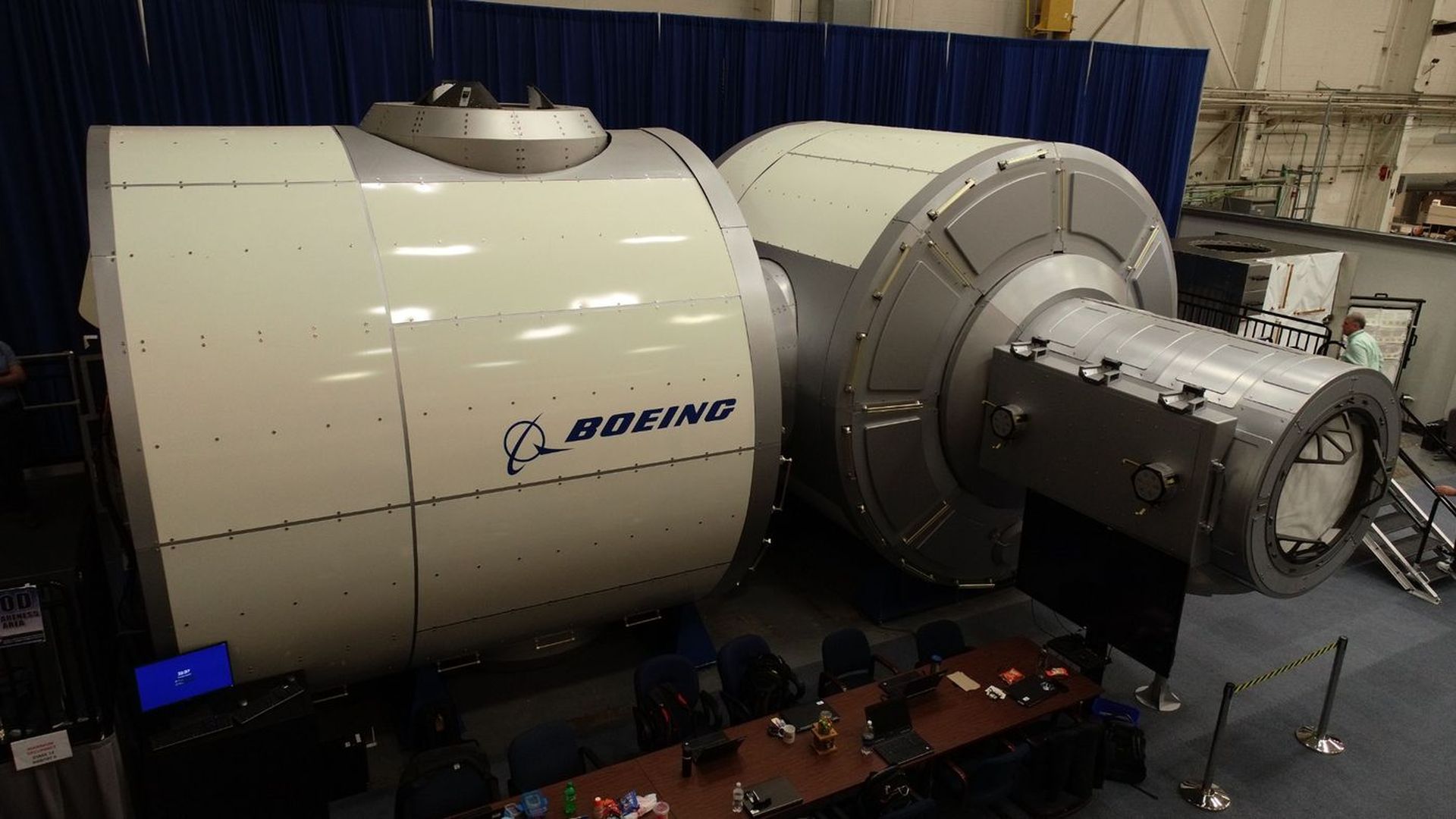
Boeing wants to take lessons learned from the International Space Station (ISS) to meet NASA's ambitious 2024 deadline to get humans back to the moon.
Driving the news: The longtime NASA contractor just finished up construction of a full-scale, ground-based model of its prototype for the space agency's lunar gateway. NASA will now start running the prototype through a series of tests.
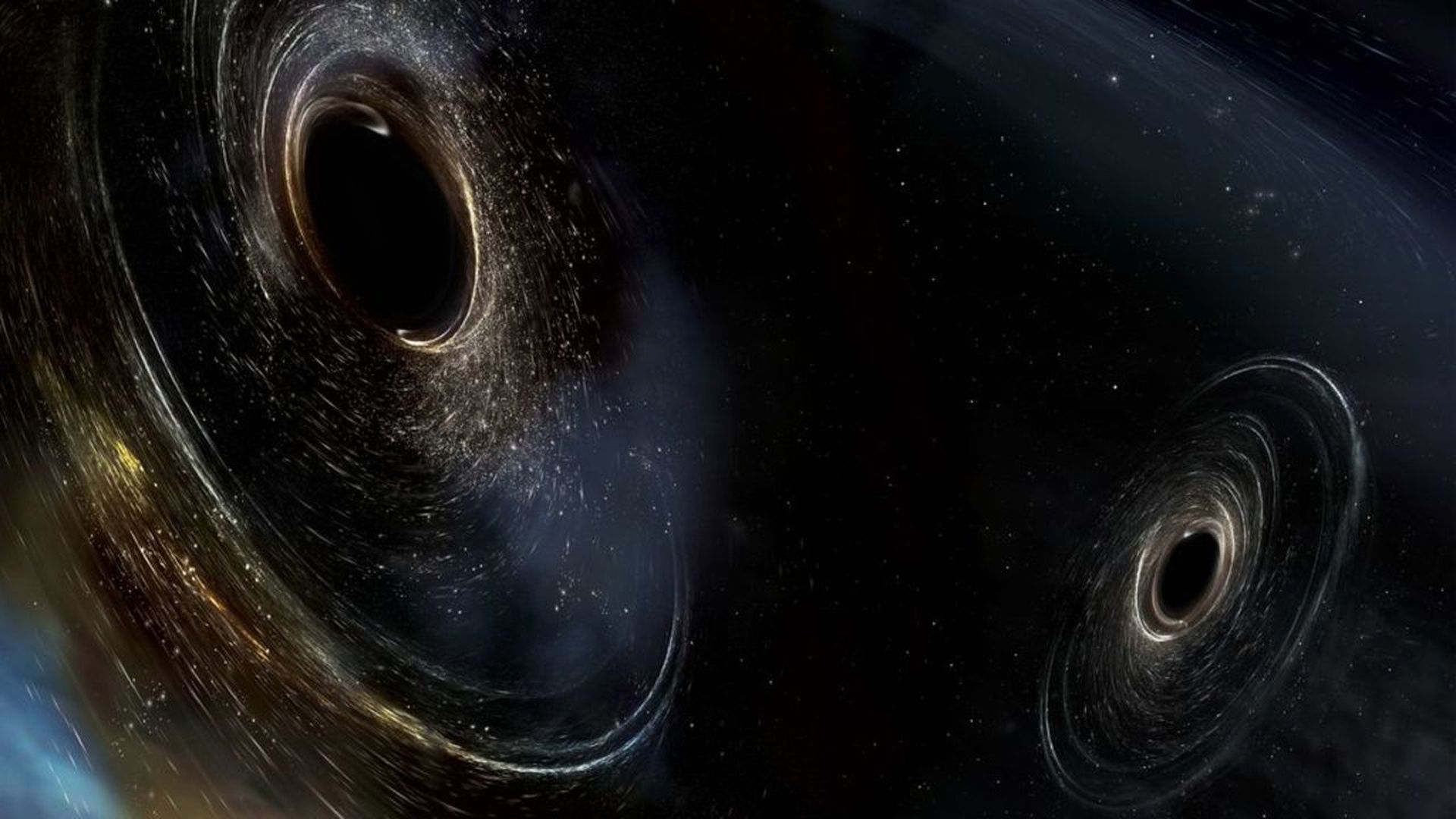
Ever since scientists first detected gravitational waves — ripples in the fabric of space and time created during the cataclysmic mergers of black holes and neutron stars — in 2015, discoveries have come in a slow trickle, released every few months.
Driving the news: Now we can expect those findings to come more like a firehose, and you can follow along in real time.
Technology designed to hunt for alien planets has progressed in the 27 years since we found the first planet outside of our solar system. However, researchers still can't tell with confidence whether any newfound worlds can sustain life — and might not be able to for years.
The big picture: Scientists have detected almost 4,000 planets circling stars light-years away from our own solar system.


/2019/05/07/1557249137148.gif?w=3840)