Friday's science stories


West Antarctic ice melt poses unique threat to U.S.
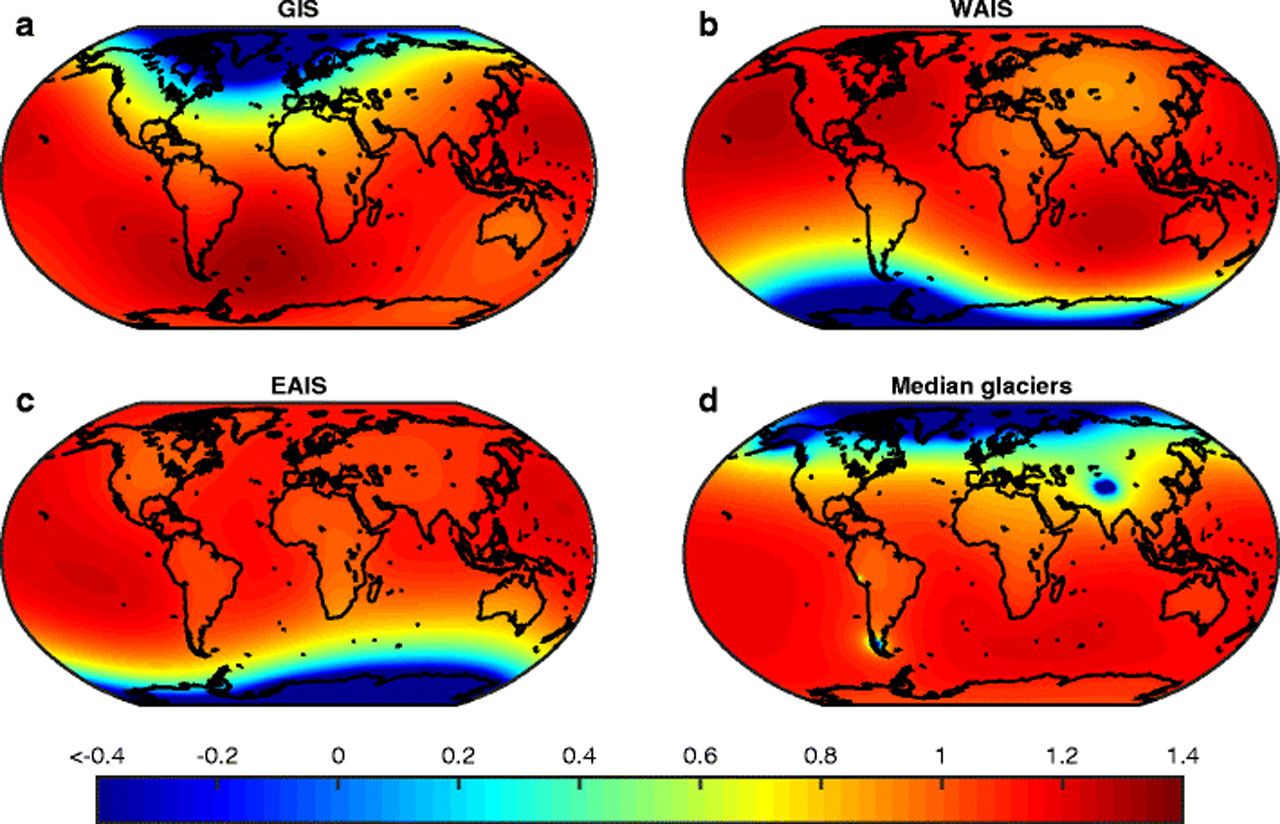
News of Antarctica's accelerating ice melt garnered worldwide headlines yesterday, as scientists revealed that 3 trillion tons of ice has been lost to the sea since 1992 — mostly from the thawing West Antarctic Ice Sheet and Antarctic Peninsula.
Why it matters: The location of the ice melt is important for determining the future of coastal communities, according to climate scientists. And, due to West Antarctica melting, it turns out that the U.S. coastline will be hit extra hard, paying a sea level rise tax of about 25%.
El Niño watch issued as signs point to a return of the climate cycle
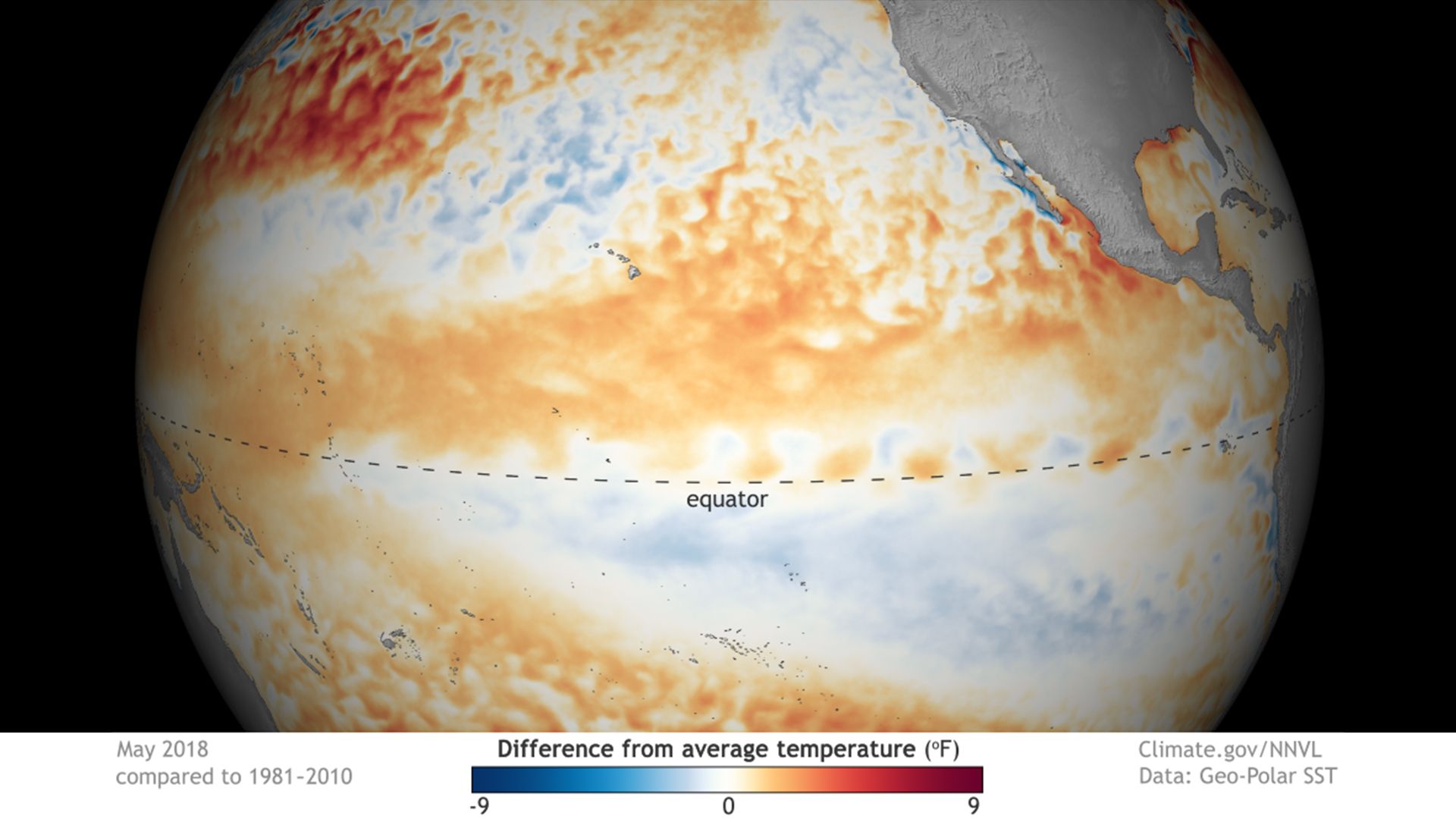
The National Oceanic and Atmospheric Administration has issued an El Niño watch, meaning that conditions are favorable for El Niño conditions to develop in the tropical Pacific Ocean within the next six months.
Why it matters: If an El Niño forms, it would follow one of the most intense such events on record, which teamed up with long-term climate change, to lead to the warmest year ever recorded: 2016. Depending on its exact location in the Pacific and its intensity, the climate phenomenon can reorder weather patterns around the world. On the plus side, it can contribute to increased upper atmospheric winds over the tropical Atlantic, weakening nascent hurricanes and keeping the number of storms lower than they otherwise would be.