NASA is deploying The Mars Helicopter, "a small, autonomous rotorcraft, [that] will travel with the agency’s Mars 2020 rover mission, currently scheduled to launch in July 2020," the agency announced in a press release.
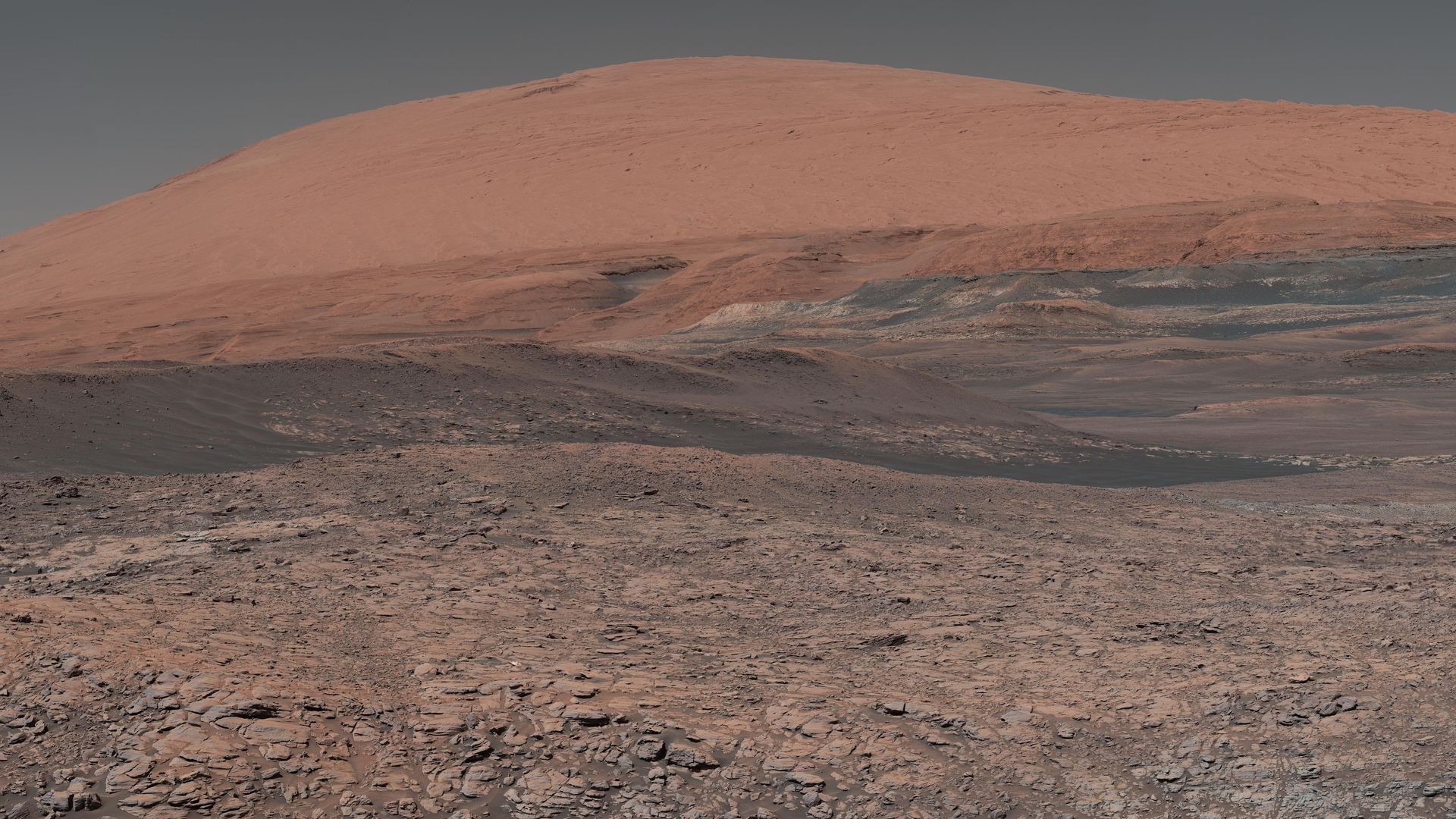
The problem facing NASA engineers: How to overcome Mars’ relatively thin atmosphere, which would doom any conventional craft. Proving this concept could help with future human exploration of the planet.
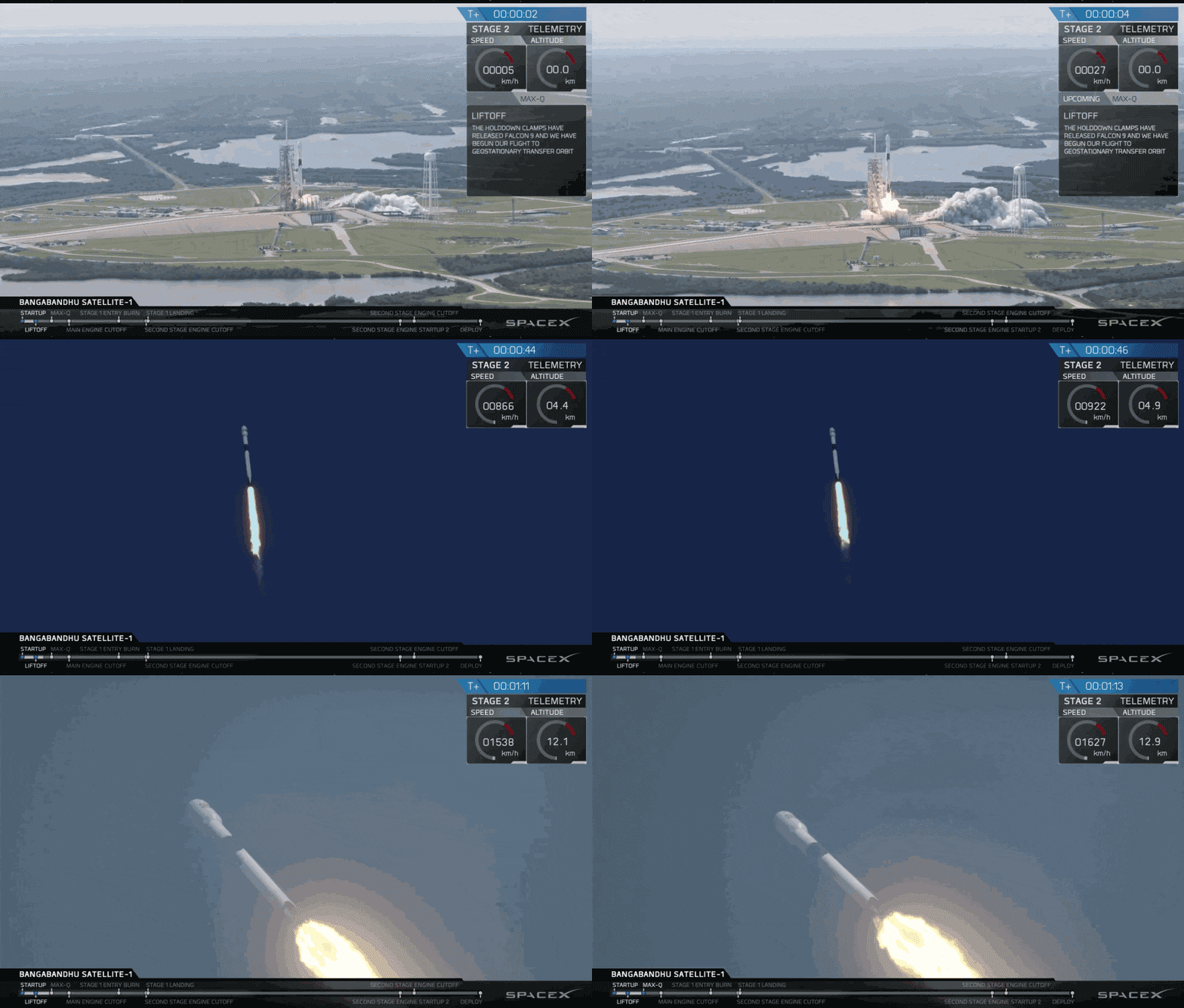
SpaceX has successfully launched its Falcon-9 rocket carrying the Bangabandhu-1, Bangladesh's first-ever high-orbit communications satellite, and landed it safely on a drone ship in the Atlantic Ocean off the coast of Florida.
The Trump administration has set its near-term sights on returning humans to the moon and, by the 2030s, to orbit or land on Mars.
Between the lines: NASA funding is key tohuman exploration of Mars, and some worry a mission to the moon could divert resources needed to reach the Red Planet. The agency is looking for the commercial space industry to take on more low-Earth orbit and lunar activities. When it comes to NASA resources for an eventual Mars mission, the moon is “the elephant in the room,” Artemis Westenberg, president of Explore Mars, said at the Humans to Mars Summit this week.