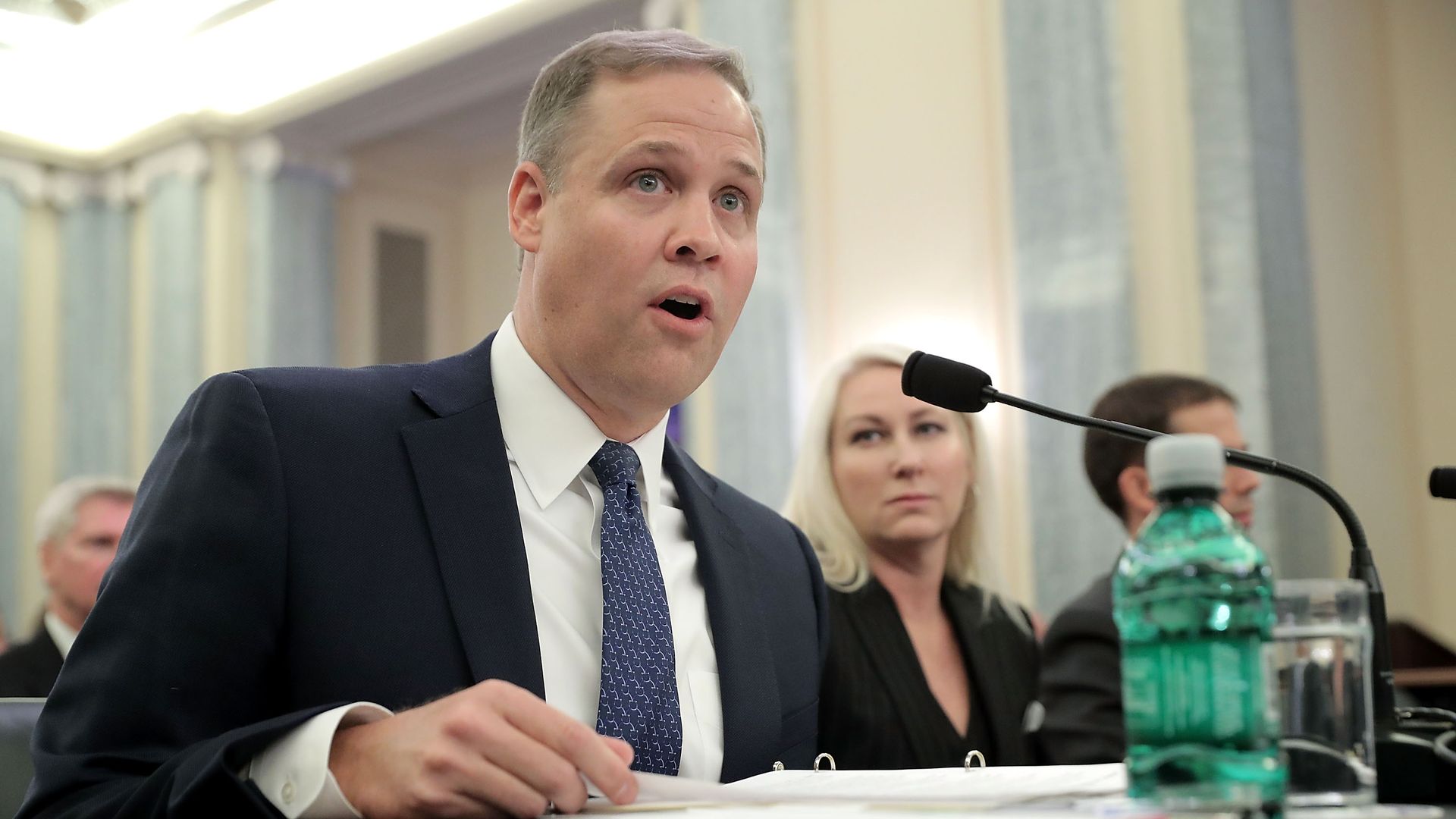
In a 50-49 vote along party lines, the Senate approved President Trump's pick to lead NASA — Oklahoma Congressman and Navy Reserve pilot, James Bridenstine.
Why it matters: The confirmation comes amid concern "about his record of partisanship as well as some statements questioning climate change, an area of research in which the space agency plays a central role," per the New York Times. The confirmation wraps up a seven and a half month period that left NASA without a permanent leader.
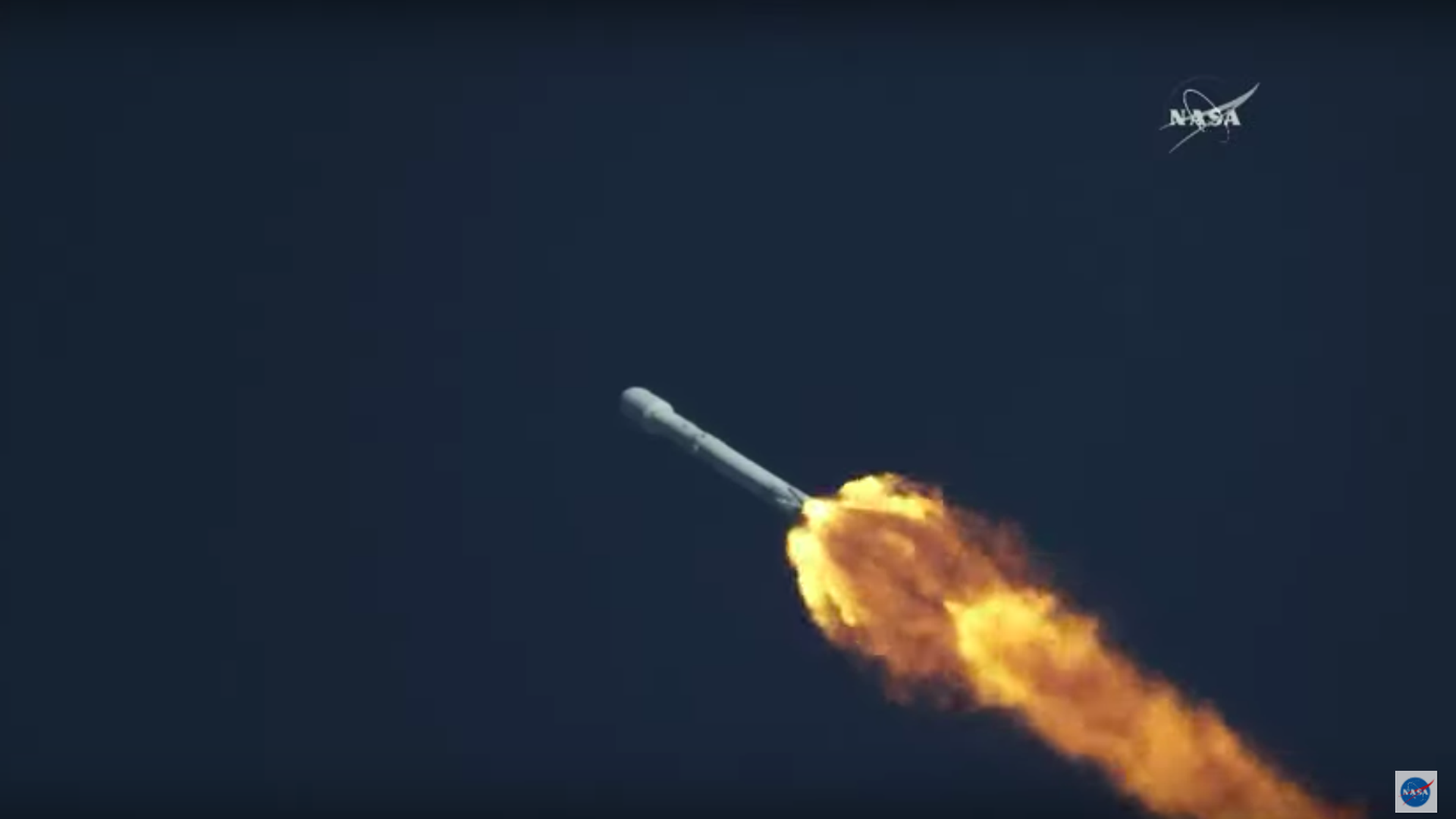
NASA successfully launched the Transiting Exoplanet Survey Satellite, or TESS, Wednesday evening as part of an ambitious step that will allow astronomers to estimate how many planets there may be beyond our solar system.
How it works: The spacecraft, which lifted off from the Cape Canaveral Air Force Station in Florida, has wide-angle cameras. Over the next two years, it will photograph nearly 85% of outer space to detect the brief dips of light sparked by planets passing in front of a star. The database it creates will guide NASA missions for decades. The Kepler Mission has so far identified 2,650 exoplanets to date, per Space.com
Puerto Rico has been hit by an island-wide blackout, per the AP. The Puerto Rico Electric Power Authority said that it could take 24 to 36 hours to restore power to everyone on the island, adding that it was prioritizing hospitals, San Juan's international airport and water pumping stations.
Why it matters: This is the first time since last year's Hurricane Maria that Puerto Rico has experienced an island-wide power failure, according to the AP, thanks to its still-unstable grid. In fact, prior to this outage, 40,000 Puerto Rican power customers still remained without power from Maria.