Wednesday's science stories

New volcanic island may tell us about Mars' past
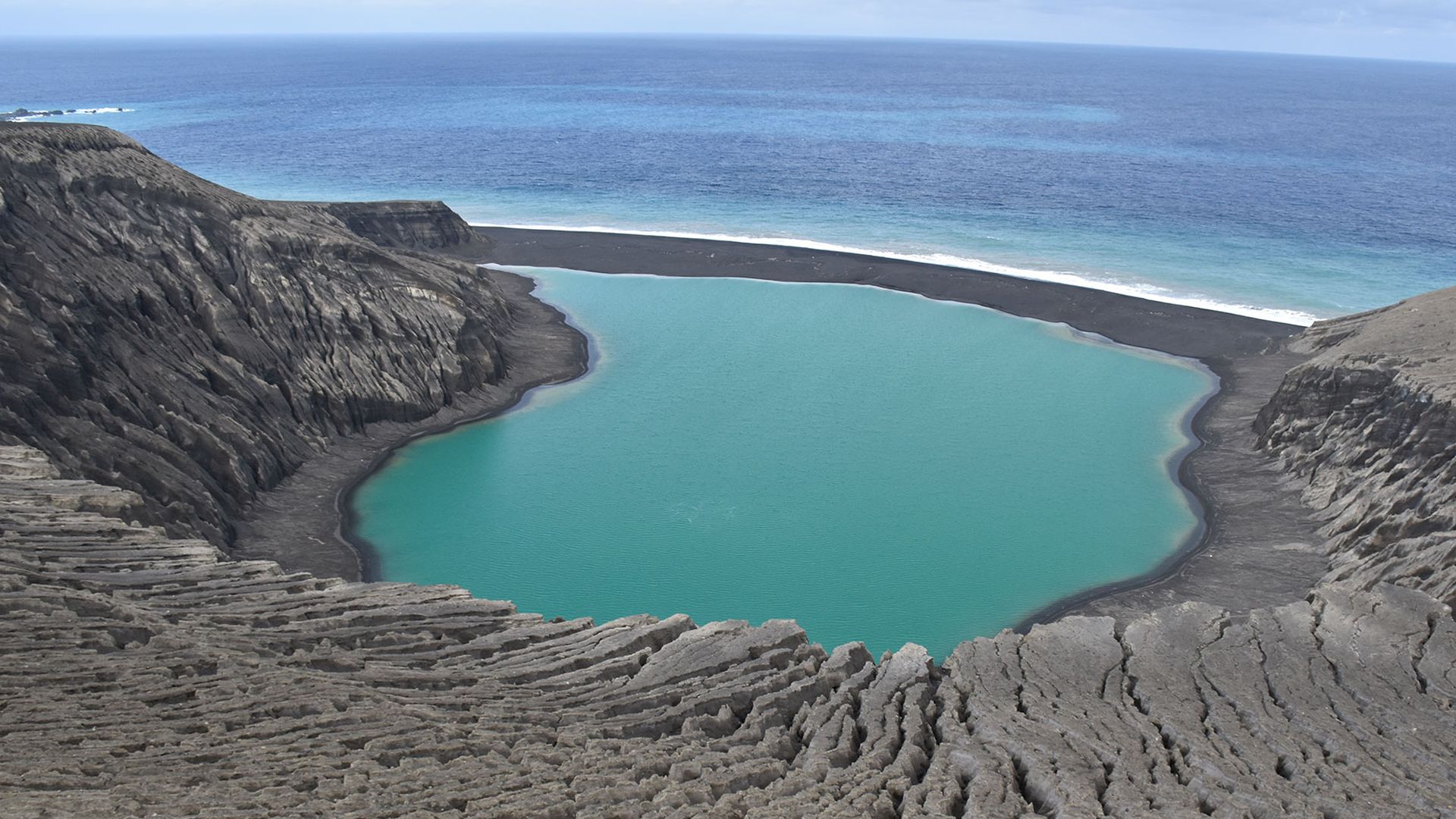
A new island formed from the ash of an underwater volcanic eruption in the South Pacific was initially projected to last a few months, but could exist for 6 to 30 years, according to a new NASA study released on Monday. Researchers have used satellite imagery to study the island in the South Pacific since 2015 and have an “unprecedented view from space of its early life and evolution," the agency said in a statement.
Why it matters: Studying the development and erosion of the island offers scientists a nuanced understanding of volcanic features on Mars that appear to have erupted underwater, “providing clues about when the red planet was wet several billion years ago,” the New York Times reports.

Cassini finds Saturn's rings change the planet's atmosphere
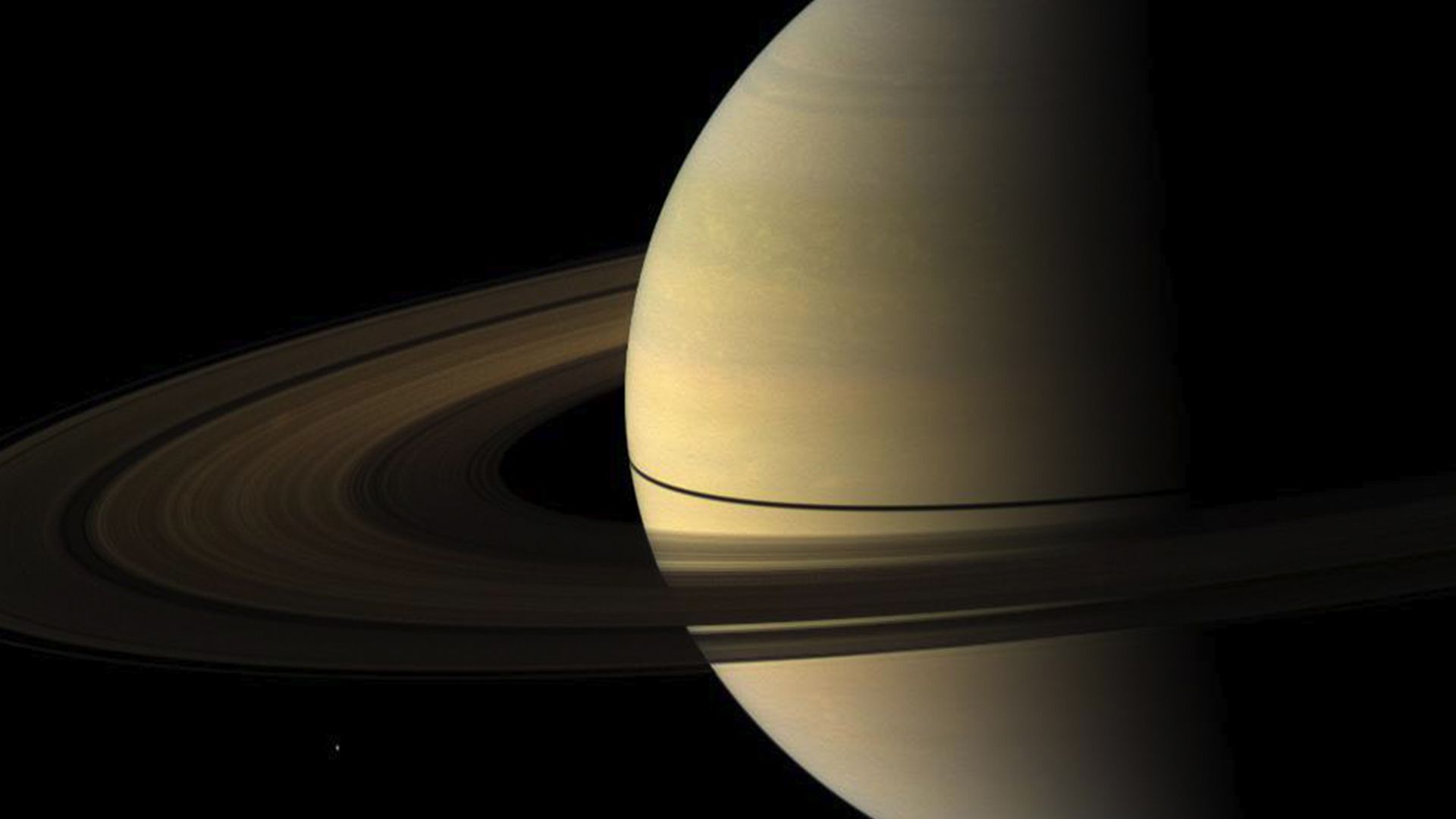
Shadows from Saturn's rings can affect the planet's atmosphere, according to an analysis of data collected by the Cassini-Hyugens spacecraft during its final dives into the gaseous planet's upper atmosphere earlier this year. The work was presented yesterday at the American Geophysical Union conference and will be published this week in the journal Science.
Why it matters: These are the first direct measurements of Saturn's ionsophere as opposed to remote sensing observations, study author William Kurth from the University of Iowa tells Axios. Much of our knowledge of other planets is based on that about Earth, with modifications to account for what we know to be different. By sampling the ionosphere of Saturn, Kurth says researchers can begin to check these modified theories. "An important outcome, though, is that the improved theories incorporating things we learn at other planets, should help us understand our own planet better than we do."