September 24, 2024


👥 Happy Tuesday! Settle in for panels and networking receptions: It's Climate Week in NYC and National Clean Energy Week in D.C.
💼 Changed jobs recently? Let us know here, and we'll include you in our newsletter next week on who's working where.
🎵 Today's last song comes from Jackie Toth, an independent consultant on climate policy issues: "This Time" by Earl Klugh, a smooth jazz selection.
1 big thing: Gas-blending fight

Legislation that would mandate year-round sales of gasoline with a higher blend of corn-based ethanol is gaining momentum — but still faces a significant Senate roadblock, Daniel writes.
Why it matters: Farming, retailer and petroleum groups have joined in support of bills they say would boost gasoline supplies and lower fuel prices for consumers while giving farmers a bigger market.
- Some oil refineries have opposed it, pressing for broader changes to the EPA's Renewable Fuel Standard program. Also, environmental groups argue that ethanol is a net negative for the climate because it requires so much land and processing.
The big picture: Legislation that would require year-round sales has racked up bipartisan support: 14 co-sponsors, including three Democrats, in the Senate, and 35 co-sponsors, including 10 Democrats, in the House.
- "We have a broadening base of support," Rep. Adrian Smith, a Nebraska Republican who sponsored the House legislation, told Daniel.
- The American Petroleum Institute, which previously opposed the idea, is now lobbying for the Senate bill. It "ensures uniformity across America's fuel supply, bringing much-needed consistency and long-term certainty to the marketplace," said API's Will Hupman in a statement.
- Senate sponsor Deb Fischer, also a Nebraska Republican, is "confident that a path forward exists in both the Senate and the House" given "bipartisan support of our legislation and our diverse group of stakeholders," she said in a statement.
Yes, but: Tom Carper, chair of Senate EPW, has refused to bring the bill up in committee.
- Trade groups repping fuel retailers and travel plazas called Carper's opposition the "primary roadblock" in a February letter to Senate EPW.
- A Senate EPW aide said divisions still linger on the issue, adding the likelihood of Congress advancing the bill "seems low."
- Despite bipartisan support, "the topic remains quite controversial, and no viable compromise among the interested parties has surfaced to resolve the issues at play here," the aide said.
Between the lines: Sales of gasoline blended with 15% ethanol, or E-15, are typically banned during the summer months under the Clean Air Act to limit smog. (Most U.S. gasoline is blended with 10% ethanol.)
Our thought bubble: This perennial fight will remain a live issue in the months to come.
- Both President Biden and former President Trump have advocated for increased E-15 sales, and Democratic VP candidate Tim Walz would likely lean on his agricultural bona fides to elevate the issue in a Harris administration.
- Carper's retirement at the end of the year could open a path to moving the bill before next summer's driving season.
2. Exclusive: Levin's latest nuclear waste push
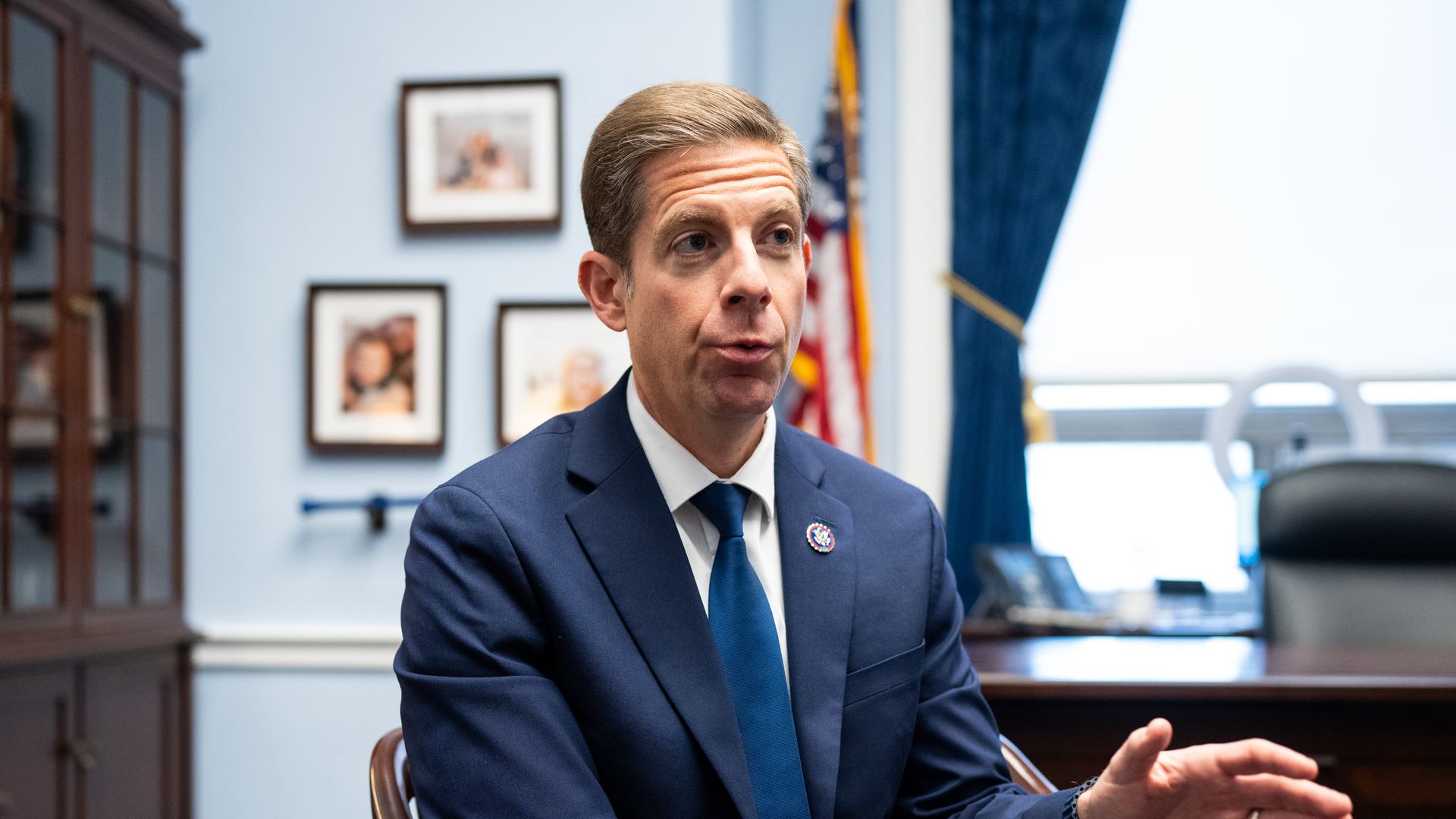
Rep. Mike Levin is dropping a bipartisan bill today that would completely overhaul how the federal government handles spent nuclear fuel, Nick scoops.
Why it matters: It's a fresh effort to find a solution to the nation's long-standing waste dilemma, drawing on years of outside recommendations and research.
Driving the news: The Nuclear Waste Administration Act, introduced with GOP co-sponsor Rep. August Pfluger, would set up a new agency to handle siting and storage, taking that authority outside of DOE.
- It revives legislation first proposed by a bipartisan group of senators more than a decade ago, based on ideas from DOE's 2012 blue ribbon report on nuclear waste.
- "The real key is to insulate the management of spent nuclear fuel from the political process," Levin told Nick.
Zoom in: The new agency would be funded by a nuclear waste fee paid by utilities — and interest from the government's existing Nuclear Waste Fund —that could be made available without an annual appropriation from Congress.
- The bill would also explicitly authorize a consent-based siting process to build a permanent disposal facility.
Between the lines: DOE is going ahead with a consent-based approach for an interim storage facility for the commercial waste that's spread out across dozens of reactor sites around the country.
- Levin has led a charge to get that effort funded, and he said he's "pleased" with how it's gone so far.
What's next: Levin said he's had "ongoing" conversations about a potential Senate companion (Sen. Lisa Murkowski and others have been sponsors on previous iterations).
- "The hope is that we can grow bipartisan support through the end of the year and into the next Congress."
3. Biden gets CHIPS on his desk

The bipartisan bill that would exempt certain CHIPS Act projects from some environmental permitting requirements is headed to President Biden's desk, Nick writes.
Why it matters: The bipartisan House vote last night caps off more than a year of grappling to get the Building Chips in America Act across the finish line.
- The bill would let projects bypass the intensive NEPA processes that some lawmakers argue has stymied the government's massive investments in semiconductor manufacturing.
Driving the news: The bill passed 257-125, with 49 absences after Sens. Mark Kelly and Ted Cruz were able to get it through the Senate unanimously last year.
- Most "no" votes were Democrats, with 13 Republicans also joining in opposition.
- Natural Resources Chair Bruce Westerman, who didn't vote last night, helped get it stripped from last year's NDAA because he doesn't like "picking winners and losers."
4. Catch me up: Fresh LNG letter and more

🚢 1. LNG letter war continues: Congressional Democrats led a letter signed by 100 international lawmakers urging the Biden administration to reject LNG exports.
- They argue methane leaks throughout the supply chain "likely eliminate any climate advantage of reduced greenhouse gas emissions."
🔋 2. UnDERStanding DERs: Rooftop solar panels, batteries, smart thermostats and other connected consumer devices are the focus of a new bipartisan initiative at the Pew Charitable Trusts to rapidly accelerate the deployment of distributed energy resources.
- Audrey Zibelman, a former chair of the New York State Public Service Commission, and Pat Wood, former FERC chairman under President George W. Bush, will help lead the effort.
☀️ 3. Solar standard: The Solar Energy Industries Association is out with draft traceability standards for the solar supply chain.
- It's notable for an industry that's been wrapped up in trade fights and questions about China's dominance in the supply chain.
✅ Thank you for reading Axios Pro Policy, and thanks to editors Chuck McCutcheon and David Nather and copy editor Kathie Bozanich.
Do you know someone who needs this newsletter? Have them sign up here.
View archive