March 28, 2023

🌞 Tuesday's here and so are we, with a deep dive into the GOP energy bill hitting the floor this week.
- Need a soundtrack to this week's drama? Try "Energy" by Drake (yes, LOL).
🚨 Our Tech Policy sister newsletter launched this week! Get $200 off your subscription by using code POLICYLAUNCH at checkout.
- And mark your calendar to join Axios Pro at 6pm Thursday at D.C.'s Hawk 'n' Dove for a happy hour celebrating the launch. Register here.
⚡️ Situational awareness: House Speaker Kevin McCarthy outlined conditions for debt limit talks today, including "measures to lower energy costs."
1 big thing: Playing permit politics
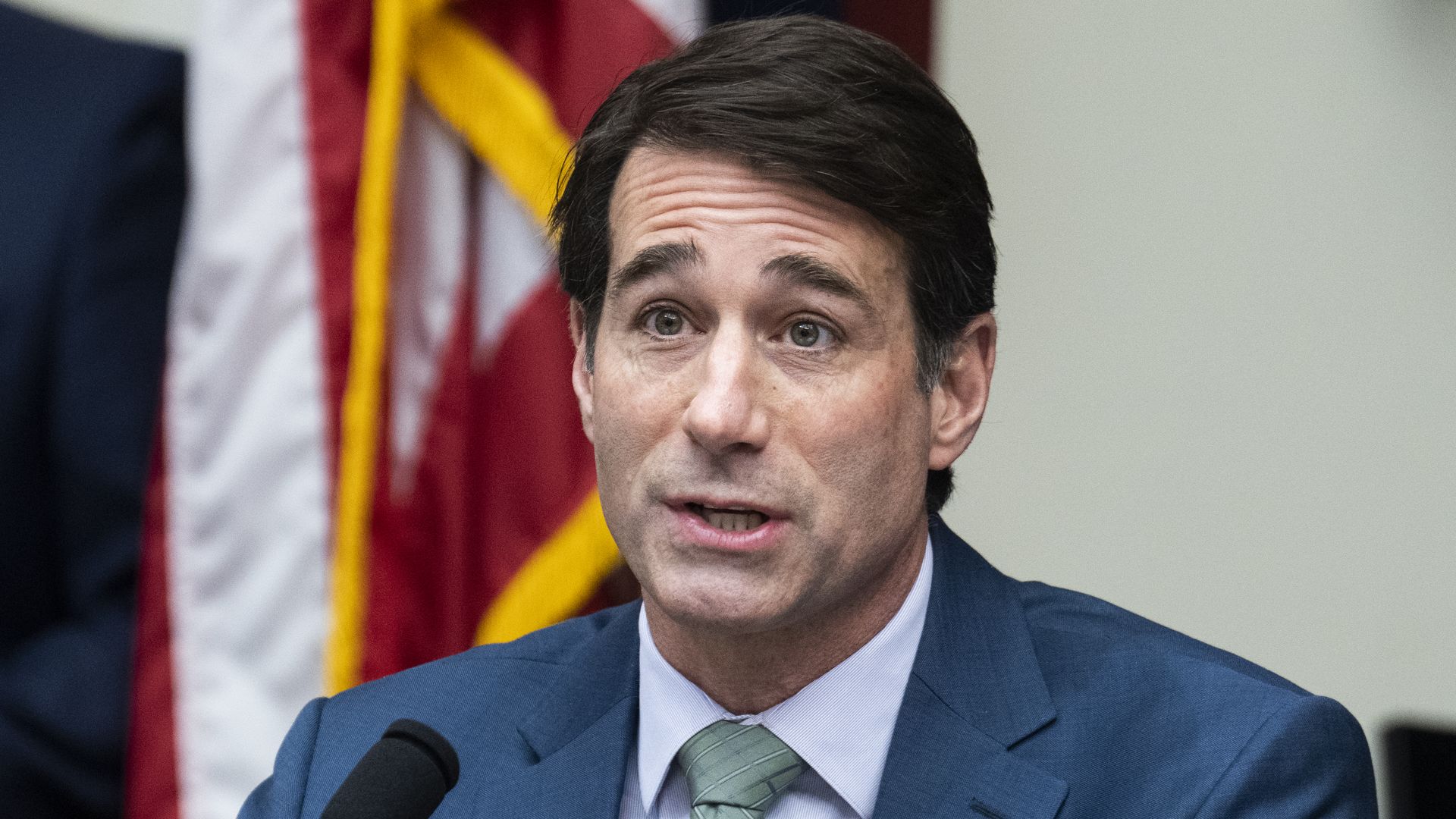
Garret Graves speaks last month. Photo: Tom Williams/CQ-Roll Call, Inc via Getty Images
📝 Lots of attention and money are flowing into D.C. to overhaul environmental permitting laws — but H.R. 1 shows Democrats and Republicans are still far apart on making that happen, Nick writes.
Why it matters: The focus from K Street and the Biden administration's top levels is helping keep the permitting conversation alive as H.R. 1 reaches the floor, despite divides about what "permitting reform" even means.
Driving the news: H.R. 1 is the GOP starting point for that kind of deal.
- "Dems may come to the table because they need [permitting overhaul] for their renewable energy, they need it for their transmission. Republicans may come to the table because they need it for their [pipelines] or whatever else," Garret Graves told reporters last week. "But there is no reason why this should not be a bipartisan effort."
- The U.S. Chamber of Commerce circulated a letter — signed by major renewables and fossil fuel trade organizations — calling for a deal by the end of the summer, as Axios' Ben Geman reported.
- Biden administration officials have also been calling for a bipartisan permits bill in speaking appearances and at committee hearings.
Yes, but: Some Democrats who want to negotiate with the GOP don't view H.R. 1 as a serious opening bid.
- "Unless they engage in bipartisan, bicameral conversations, I will just assume that they're doing this to have some talking points to make the American Petroleum Institute happy," Sen. Brian Schatz told Nick.
Democrats are entertaining the permitting conversation because they want to make it easier to build the new transmission lines that will be needed to deploy more renewables and hit climate goals.
- But in many cases, it's not necessarily federal permitting laws holding up those projects.
- "We have a cost-allocation problem. We have a connecting-all-the-interregional-conflicts problem. It's not fundamentally a NEPA problem," Sean Casten told Nick.
- "We use the same words [on overhauling permitting], but we're talking about wildly different things," Casten added.
This dynamic has some members saying now shouldn't be the time to ask, "Will they make a deal?"
- "I think the dialogue is important first. I hope we get to consensus-building here, but first let's stake down our principles, our goals," E&C Democrat Paul Tonko told Jael in the Speaker's Lobby.
What we're watching: The National Environmental Policy Act will be a focal point of whatever talks happen.
- The GOP bill would expand the kinds of projects eligible for fast-tracked NEPA review and limit lawsuits against project permits, as we told you this month.
- There's also bipartisan interest in easing the regulatory path for emerging technologies like small nuclear reactors and geothermal power.
Quick take: Plenty of moderate Democrats are open to those ideas, but progressives think Congress should speed projects by giving FERC more power to site lines and offering permitting agencies more resources without changing environmental laws.
- Any deal that gives renewables and fossil fuels equal treatment would be "a really dumb idea," Jared Huffman told Nick outside the House chamber.
Of note: The White House, unsurprisingly, issued a veto threat for H.R. 1, but the administration kept the door open to a deal centered on renewable and low-carbon energy.
- We expect a more bipartisan conversation to emerge among Senate committee leaders once the House does its thing this week.
Go deeper: Industry folks have raised the idea of tying a permits bill to debt ceiling talks, and that appears to have some currency with House Republicans, as Politico reported.
2. Pro-fracking, gas stove amendments on tap
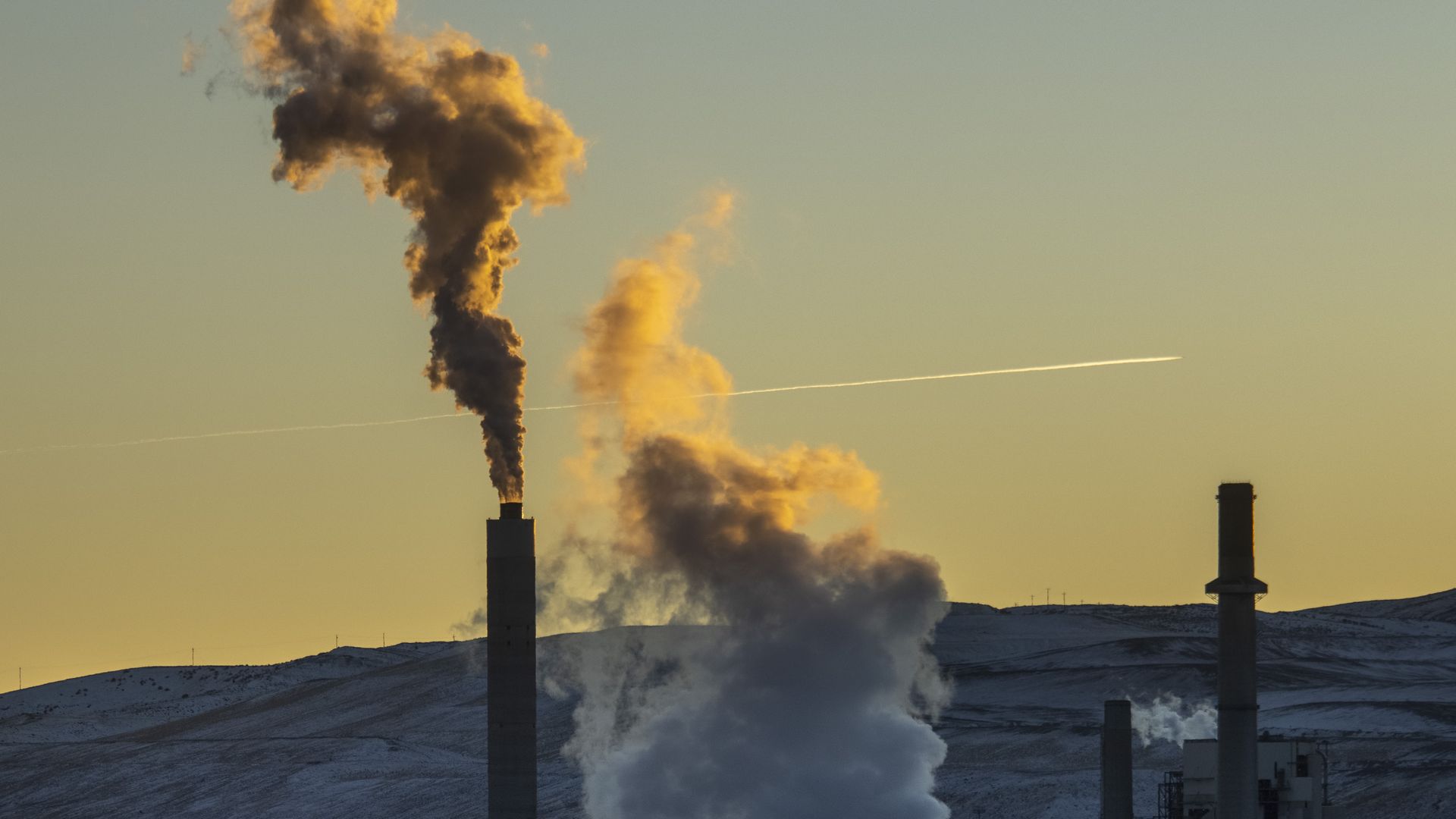
Emissions at Wyoming's Naughton coal-fired power plant. Photo: Natalie Behring/Getty Images
Permitting watchers would be wise to focus on H.R. 1's 37 amendments, Jael writes.
Why it matters: Republicans made in order for floor debate a litany of potential add-ons that could send the bill careening into uncharted waters.
What'll come up: A list so long Billy Joel could make it a song...
- An amendment from Scott Perry would fulfill a long-sought goal of some conservatives to repeal Section 115 of the Clean Air Act, which serves as the basis for EPA's efforts to regulate greenhouse gas emissions.
- Many are fossil-centric, including amendments that would prevent fracking regulations, revoke FERC gas policies and speed up coal-to-product projects.
- Republican red meat like offshore windmill impacts on whales and a federal gas stove ban (that ain't happening) will also arise via amendment.
- Democrats also got amendments that would bolster permit staff efficiency and scrap language in the GOP bill that would undo the elimination of noncompetitive leasing for oil and gas sales in the Inflation Reduction Act.
What won't come up: Rules opted against letting the House consider amendments that would ban offshore oil projects in certain waters.
- That means Vern Buchanan, a potential GOP swing vote on the package, isn't getting a vote on his ban on drilling off the coast of Florida.
- Rules also left out amendments from Andy Ogles and Perry modifying language that would let the government ban foreign-owned mining firms from federal lands for human rights issues.
- Some Republicans have hinted they might clarify that language before it gets a full floor vote. So far, it's been left unscathed.
What they're saying: Natural Resources Chair Bruce Westerman sounded confident leaving Rules, telling Jael he believes amendments won't stymie odds of passage.
- "I think we're heading to the finish line," Westerman said.
✅ Thank you for reading Axios Pro Policy, and thanks to editors Chuck McCutcheon and David Nather and copy editor Bryan McBournie.
View archive