Axios What's Next

January 13, 2023

While some teachers and schools are banning the essay-writing AI tool ChatGPT, others are exploring its potential as a learning aid, Jennifer reports today.
Today's newsletter is 1,093 words ... 4 minutes.
1 big thing: Teachers grapple with ChatGPT

Illustration: Sarah Grillo/Axios
ChatGPT, the new artificial intelligence tool that can write remarkably cogent essays on any topic based on simple prompts, is sparking intense debates among educators about the nature and purpose of modern teaching methods, Jennifer A. Kingson reports.
Why it matters: Some teachers foresee "a flood of cheating," while others envision a big opportunity to improve — and modernize — how writing is taught.
Driving the news: Several school districts have blocked the chatbot from their systems, but critics say such bans are shortsighted and ineffective.
- "Kids will always find ways to take shortcuts around hard work," says Philip Vinogradov, director of innovation at Merion Mercy Academy, a private high school near Philadelphia.
- From calculators and CliffsNotes to Google Translate, Grammarly and Photomath, teachers have always had to stay one step ahead of students, he notes.
Catch up quick: ChatGPT was released for free public use in November by research firm OpenAI, delivering an early holiday gift to tech-savvy students in need of, say, a pre-vacation essay about "Macbeth."
- The nation's largest school district — New York City — swiftly blocked access to ChatGPT on city-owned laptops and networks (though teachers and students can presumably get it on their own devices).
- A Princeton student wrote an app, GPTZero, to detect if something was written by ChatGPT.
- OpenAI may add a watermarking system to flag plagiarism.
What's happening: Teachers have been holding meetings and comparing notes about the tool's ramifications and possible responses.
- Suggestions have included requiring students to handwrite their essays, like in the days of yore.
- Some schools are bolstering their honor codes, or doubling down on "authenticity pledges" students must sign before submitting work.
The intrigue: Some teachers are experimenting with ways to use ChatGPT in the classroom, either to explore the nature of "good" writing or to create linguistic scaffolding that students can build on.
- Brett Vogelsinger, who teaches 9th grade English in Doylestown, Pennsylvania, invited his students to use ChatGPT as an aid — not a substitute — for writing an essay about "To Kill a Mockingbird."
- Only four took him up on it, and two dropped out, saying ChatGPT's responses weren't "long enough or deep enough or interesting enough," Vogelsinger said.
- For the others, it did "a good job of pointing out what parts of the text they should be thinking of."
- With ChatGPT, students have "this little AI friend who is going to bat around ideas with them — that's how I look at it," Vogelsinger told Axios.
What they're saying: Students and teachers "will come to use this technology to augment the writing process, not replace it," Marc Watkins, a lecturer at the University of Mississippi, wrote for Inside Higher Ed.
- "It is crucial for us to teach our students about these models, how to use them ethically and what it will mean for their writing process."
The other side: Others worry it's "the end of high-school English," per the headline on an Atlantic essay from teacher Daniel Herman.
- "The arrival of OpenAI’s ChatGPT ... may signal the end of writing assignments altogether — and maybe even the end of writing as a gatekeeper, a metric for intelligence, a teachable skill," Herman wrote.
Reality check: The writing produced by ChatGPT is formulaic, and the content is often inaccurate.
- It doesn't include citations or sources, and it's programmed to exclude anything that happened after 2021.
Yes, but: "It’s a lot better than the writing of some of our kids," Vinogradov told Axios.
The bottom line: Students who use ChatGPT to slack off do so at their own peril — but there's educational potential here too.
2. Carbon capture takes a step forward

Illustration: Sarah Grillo/Axios
Direct-air capture company Climeworks has begun providing carbon removal and storage services to corporate buyers, Axios' Ben Geman writes.
Why it matters: It's a step forward for nascent tech that could earn a place in the toolkit against global warming — if investment pouring into the sector creates commercial scale.
Driving the news: The Swiss company said it was providing services from its plant in Iceland to buyers that include Microsoft, Shopify and Stripe.
- Volumes were not disclosed.
What they're saying: "This is an important inflection point in the development of direct-air capture" Stacy Kauk, Shopify's head of sustainability, told the Wall Street Journal.
3. Eyes on the lunar prize
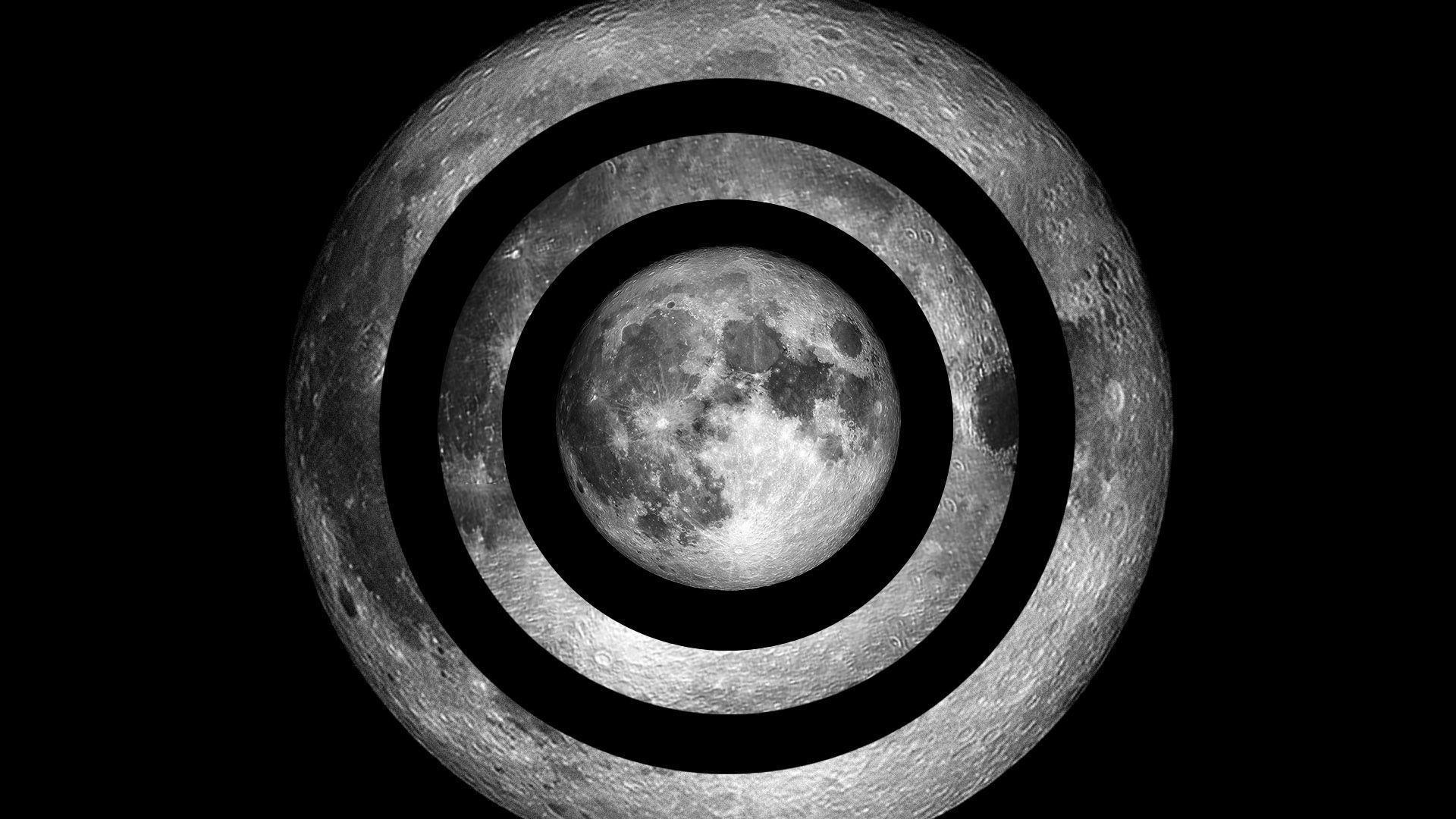
Illustration: Natalie Peeples/Axios
Companies and countries are doubling down on establishing themselves on and around the Moon, Axios' Miriam Kramer reports.
Why it matters: Lunar operations are technically challenging and expensive — but the payoff in national prestige and potential economic benefits could make them worthwhile.
What's happening: China and Russia are planning to build a research station on the Moon as NASA works to send astronauts back to the lunar surface.
- More than 20 nations have signed on to the NASA-driven Artemis Accords, which govern lunar exploration.
- But China and Russia are creating a parallel track for lunar exploration — and stoking competition.
Meanwhile: Private companies are also working to make it to the Moon this year, with hopes of building a lunar economy that could be worth billions.
- Japanese company ispace's lander is set to reach lunar orbit in April, with plans to land on the Moon and deploy a rover, among other payloads.
- Two other missions — from Astrobotic and Intuitive Machines — are set to launch this year, carrying NASA payloads.
4. 📸 Ski slump

Photo: Christof Stache/AFP via Getty Images
A patchy length of artificial snow is seen at a ski resort in Southern Germany on Wednesday.
- Unusually high temperatures across Europe have been putting a damper on the continent's winter sports season, CNN reports.
- The quickly changing climate has left locals worrying that this hasn't been a one-off freak event, but rather reflects their new wintertime reality.
- "What's scary is the uncertainty," a ski rental shop owner in the French Alps told the Washington Post.
Go deeper: The past 8 years were the world's warmest
5. One fun thing: The "liking gap"

Illustration: Annelise Capossela/Axios
You're probably making better first impressions than you think, Axios' Erica Pandey writes.
Why it matters: Our perception of how well-liked we are affects everything from how good we feel about ourselves to how well we do at our jobs.
Driving the news: In a new study published in the journal Organizational Behavior and Human Decision Processes, researchers paired up conversation partners and then asked them how they felt they came off in that first interaction.
- What they discovered was a "liking gap," as people routinely underrated the first impression they made on others.
- The gap is widest after an initial conversation — but shrinks as people get to know each other better.
Read the rest — and sign up for Axios Finish Line.
Big thanks to What's Next copy editor Amy Stern.
Was this email forwarded to you? Get your daily dose of What's Next by signing up here for our free newsletter.
Sign up for Axios What's Next

The next decade of big, sweeping changes will unfold in cities and communities where new technologies like 5G, AI and drones are transforming how we work, live and play together. What’s Next will guide you through the revolution.