
Axios Vitals

April 03, 2024
Happy midweek. Today's newsletter is 1,032 words or a 4-minute read.
1 big thing: Frustration over ADHD drug shortage

Shortages of commonly prescribed ADHD drugs have stretched on for nearly 18 months, with no clear end in sight for many Americans who've found it difficult if not impossible to get the treatments.
Why it matters: As demand for stimulants like Adderall and Vyvanse soared, the fill rate for such prescriptions has dropped more than 10% in two years, Tina writes on a new analysis from health analytics firm Truveta.
The big picture: ADHD drugs are among a high number of generic medicine shortages in recent years that include cancer drugs, asthma medication, hormones and children's Tylenol.
- HHS in a white paper yesterday said statutory changes and more funding are needed for "more impactful and enduring solutions" than the ones it's already taken to address shortages.
Patients struggling to find ADHD drugs have aired their frustrations in thousands of comments filed to the Federal Trade Commission, which is studying possible factors driving shortages.
- One woman said she's had trouble each month filling a prescription for her son, a sixth grader.
- "Recently his teacher asked him to find a way to 'just stay home' until his medication becomes available again," she wrote. "Can you imagine what it feels like for a child to hear this?"
Between the lines: Likely drivers of the shortages include pandemic-driven increases in demand, caps on production of the drugs, and the threat of rolling back rules making it easier to prescribe stimulants virtually.
- "The question is, 'What is now perpetuating the shortage?' And that's not a question that's been adequately answered," Johns Hopkins psychiatry assistant professor David Goodman told CNN.
2. Private equity probe targets ERs
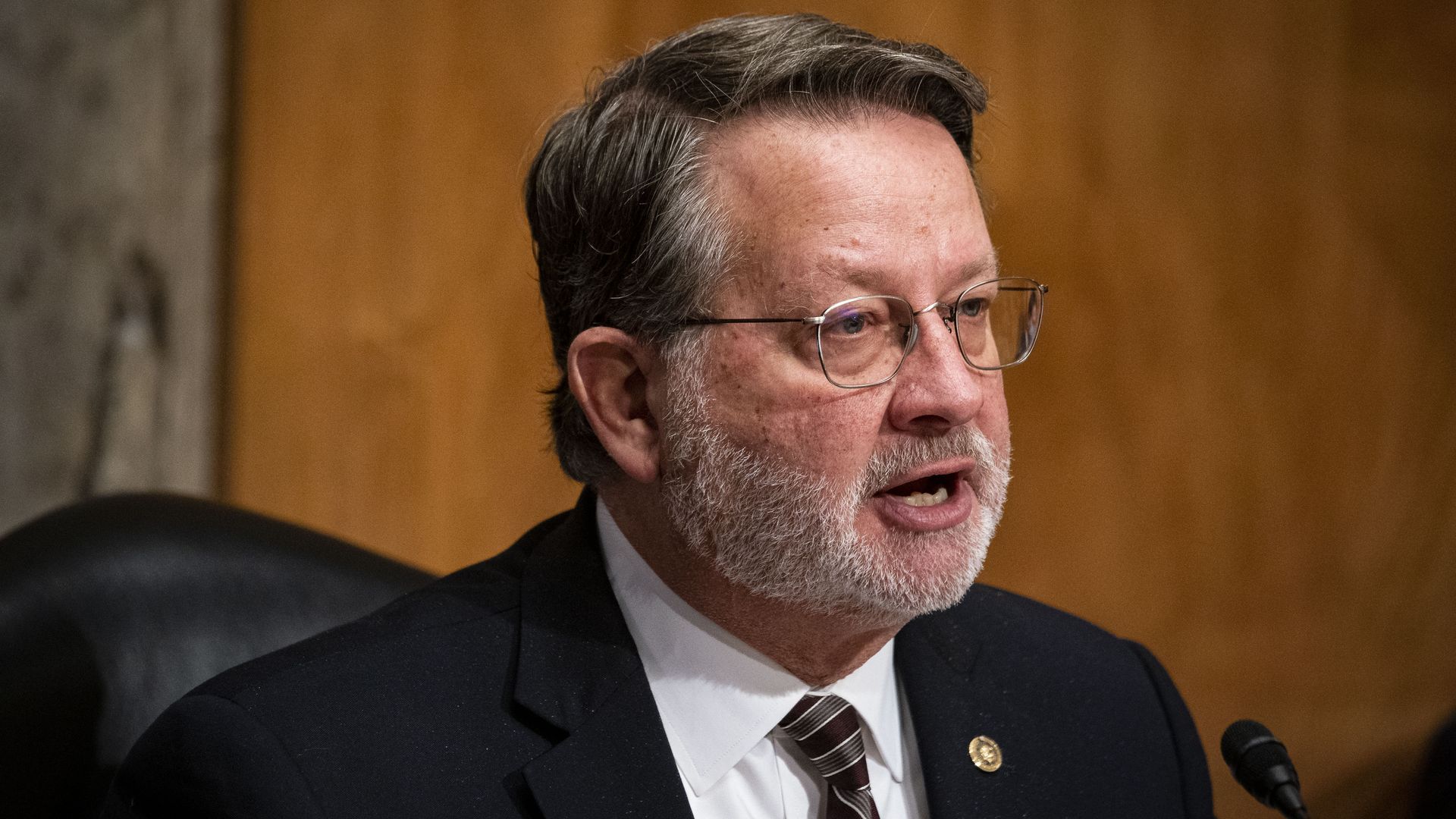
Gary Peters. Photo: Al Drago-Pool/Getty Images
The Senate homeland security committee is examining whether expanding private equity control over hospital emergency departments is compromising patient care and potentially putting emergency preparedness at risk.
Why it matters: A new inquiry by Chairman Gary Peters (D-Mich.) adds to congressional scrutiny of big private equity firms' ownership of hospitals, physician staffing firms, nursing homes and other cogs in the health system, Axios' Peter Sullivan writes.
- Private equity-owned physician staffing groups are believed to operate nearly one-third of all emergency departments β and more than a quarter of rural hospitals are owned by private equity firms, the committee said.
State of play: The panel sent letters inquiring about business operations, staffing decisions and patient care to private equity-connected firms including Blackstone-owned TeamHealth and Envision Healthcare, previously owned by KKR.
- Peters says more than 40 ER doctors raised alarms to his staff about how private equity-backed physician staffing companies and hospitals could be jeopardizing patient safety by engaging in cost-saving measures like reduced staffing.
- Several of the companies were also at the at the center of the lengthy debate over surprise billing that led to the No Surprises Act.
3. Fall of a telehealth darling
Illustration: Annelise Capossela/Axios
The pandemic's rapid expansion of virtual care meant big business for telehealth giant Amwell β but strategic missteps and a lack of agility pushed the company into a nosedive, Erin Brodwin reports in an investigation first published on Axios Pro.
The big picture: Telehealth generalists like Teladoc and Amwell were initially well-positioned to capitalize on the early COVID-19 boom. But to survive, companies had to remain nimble as competitors rushed to virtual care.
- Amwell overpromised on technical capabilities, bungled product rollouts with key clients, and missed a chance to build a long-term revenue growth strategy, according to interviews β including with four former Amwell employees β and a review of internal documents.
Context: Founded in 2006, Amwell rose to prominence in telehealth and went public in September 2020 at a $4.1 billion valuation with backing from Google. But that's around when its problems started to coalesce.
- Amwell rushed to sign up clients for its signature telehealth product before the platform was truly ready, six sources said.
- The company overcommitted to customizations that ultimately slowed the endeavor's overall progress, and to projects outside the company's range of expertise, they say.
- Amwell told Axios it's "confident in our path to growth" and will continue to "fine-tune our strategy."
If you need smart, quick intel on health tech dealmaking for your job, get Axios Pro.
4. Next step in drug negotiations
Illustration: Rebecca Zisser/Axios
The Biden administration has responded to counter offers from drugmakers participating in the first-ever price negotiations, CMS said yesterday.
The big picture: The closely watched process is moving along while legal threats still hang over the negotiations and both sides reveal little about their initial bids.
- The manufacturers of the 10 high-cost drugs up for negotiations last month sent counters to Medicare, which faced an April 1 deadline to accept or respond to those offers.
What's next: Medicare and each drugmaker can meet for haggling sessions as many as three times in the next several months.
- The negotiations end Aug. 1, with the final prices published Sept. 1 and taking effect in 2026.
5. Discrimination in the exam room
1 in 3 LGBT adults say a health care provider has disrespected or treated them unfairly, twice the rate of adults who don't identify as LGBT, according to a new KFF survey.
- These negative interactions with the health care system are also leading to worse health care outcomes, the survey finds.
Zoom in: LGBT adults were much more likely to report having a bad experience with a provider that caused their health to get worse (24% vs. 9%), made them less likely to seek out care (39% vs. 15%) or led them to switch providers (36% vs. 16%).
- Experiences of discrimination, in or outside of the health care system, could exacerbate mental health issues among LGBT adults, who are more likely to report going without care.
Still, most LGBT adults say they've had positive experiences with providers who understood and respected their cultural values and beliefs and involved them in their care.
6. Catch up quick
π€ Kaiser Permanente closed its acquisition of Geisinger, but questions remain about their new Risant Health venture. (Modern Healthcare)
π· Honeywell is weighing the sale of its PPE unit, with interest likely from private equity firms. (Bloomberg)
π° Health costs are getting so high that Medicare recently had to add digits to the claims processing form used by hospitals and doctors. (Stat)
πΊπΈ The artist who used flags to memorialize COVID deaths on the National Mall is drawing attention to gun violence with her next project. (Washingtonian)
Thanks for reading Axios Vitals, and to health care editor Jason Millman and copy editor Matt Piper. Please ask your friends and colleagues to sign up.
Sign up for Axios Vitals

Healthcare policy and business analysis from Tina Reed, Maya Goldman, and Caitlin Owens.