Senate to examine private equity's growing role in ER care

Add Axios as your preferred source to
see more of our stories on Google.
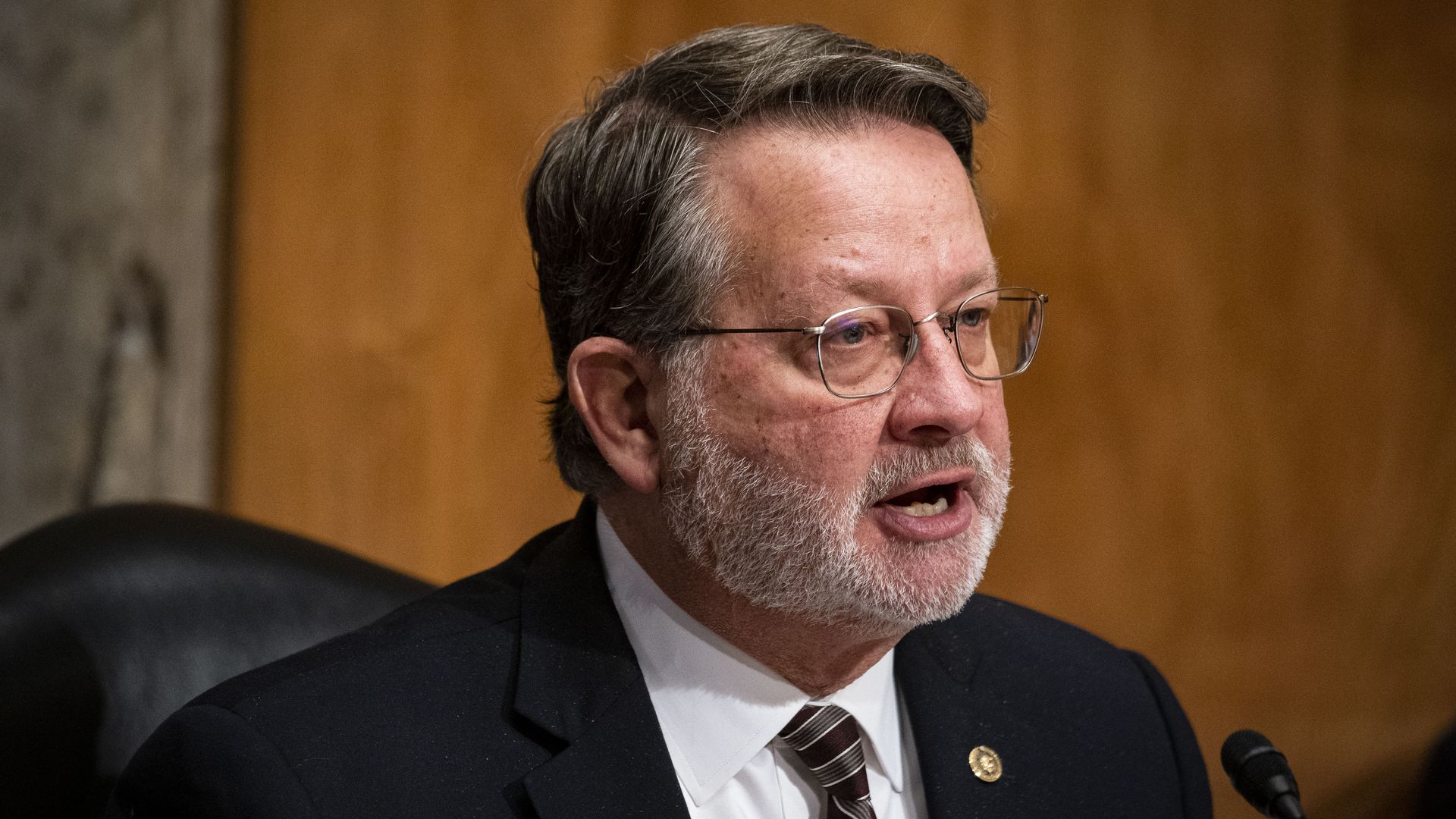
Gary Peters. Photo: Al Drago-Pool/Getty Images
The Senate homeland security committee is examining whether expanding private equity control over hospital emergency departments is compromising patient care and potentially putting emergency preparedness at risk.
Why it matters: A new inquiry by Chairman Gary Peters (D-Mich.) adds to congressional scrutiny of big private equity firms' ownership of hospitals, physician staffing firms, nursing homes and other cogs in the health system.
- Private equity-owned physician staffing groups are believed to operate nearly one-third of all emergency departments — and more than a quarter of rural hospitals are owned by private equity firms, the committee said.
State of play: Peters' Senate Homeland Security and Governmental Affairs Committee sent letters inquiring about business operations, staffing decisions and patient care to private equity-connected firms including Blackstone-owned TeamHealth and Envision Healthcare, previously owned by KKR.
- Peters says more than 40 ER doctors across the country raised alarms to his staff about how private equity-backed physician staffing companies and hospitals could be jeopardizing patient safety by engaging in cost-saving measures like reduced staffing.
- Several of the companies were also at the at the center of the lengthy debate over surprise billing that led to the No Surprises Act in 2020.
"I am concerned companies that previously engaged in surprise billing may now consider other cost cutting efforts that more directly risk negatively impacting patient safety and care," Peters wrote, citing long wait times and thin staffing in ERs.
- Other companies contacted include Apollo Global Management, US Acute Care Solutions and Lifepoint Health.
The intrigue: The homeland committee has been getting more involved in health care as a national security issue, and recently advanced a measure aimed at cutting off U.S. funds for certain Chinese biotech companies deemed national security threats.
The other side: TeamHealth said in a statement: "We look forward to engaging with the committee and demonstrating our uncompromised commitment to our clinicians and communities."
- US Acute Care Solutions said it will "gladly participate in [the] committee's work as USACS is confident our physician-owned model of care is in the best interests of patients, physicians and hospitals."
