Axios Science

August 01, 2024

Thanks for reading Axios Science. This week's newsletter is 1,673 words, about a 6-minute read.
- Send your feedback and ideas to me at [email protected].
- Sign up here to receive this newsletter.
1 big thing: Climate whiplash is giving fires fuel

A massive wildfire in northern California is a symptom of the American West's suffering from climate whiplash — oscillating between periods of extremely wet and dry conditions exacerbated by a warming atmosphere.
Why it matters: This whiplash, coupled with decades of land management practices that have strictly limited fire from the landscape, is increasingly creating conditions in some places for destructive and devastating fires.
- Several studies point to a future with more frequent shifts between wet and dry extremes.
- There is an "increase in this hydro-climate whiplash" and it creates an ideal scenario for worsening wildfires by growing vegetation then burning it, says Daniel Swain, a climate scientist at UCLA.
Driving the news: The Park Fire that began in Butte County in northern California has burned more than 390,000 acres, making it the fifth-largest fire in California's history. Authorities say they think the fire began from an act of arson.
How it happened: Most of California wasn't in a drought at the start of the fire season.
- The majority of its reservoirs were above their average level from a wet winter punctuating back-to-back years with significant rainfall that broke 25-year records in some places.
- This wet period followed an extreme, two-decade-long drought that exceeded the severity of any observed for more than a millennia.
- The wet winter spurred the growth of fast-growing shrubs and grasses.
Then one of the hottest springs in recent history turned into one of the hottest summers on record.
- An extreme, long-lasting heat wave that stretched from June into July extracted "a tremendous amount of water" out of the soil and plants, especially those at lower elevations, "drying it out to the point of it being a kiln," Swain says.
- The sustained heat and extraction of moisture from the landscape is an "unprecedented combination of conditions," he says.
- "It's a combination that seems incongruous," Swain says. But it is also one that "we're starting to see as thirstiness of atmosphere increases with warming."
How it works: As Earth's atmosphere warms from human-caused climate change, it can evaporate and carry more water, producing more intense rains that fuel the growth of vegetation.
- At the same time, decades of suppressing natural fires and cultural burning in some places has allowed for unchecked plant growth and dense forests, experts tell Axios.
- "The natural fire deficit is the problem" because it results in denser fuel, Swain says. "Then climate change comes along and kiln dries that extra fuel."
Flashback: There are indications of climate whiplash and its relationship to fire in California's past climate.
- Scientists studying an almost 9,000-year-old stalagmite in a cave in California's Santa Cruz mountains saw an increase in markers of fire in the stalagmite's chemistry alongside what they suspect was an increase in climate whiplash.
- The climate whiplash then was "ultimately driven by melting of ice and water flow into the North Atlantic, which is happening right now as well," says Jessica Oster, a paleoclimate researcher and professor at Vanderbilt University. However, now that same dynamic is playing out due to human-driven warming.
The big picture: In California, wildfires have burned more than 750,000 acres, compared to the five-year average of just 141,000 acres, so far this year, and the Park Fire is just one of 89 large fires burning across the West.
- A recent study found the frequency and magnitude of extreme wildfire events more than doubled in the past two decades, Axios' Andrew Freedman reported.
- The area burned by wildfires in the western U.S. has "increased by a factor of four since the 1970s" and is attributable to human-caused climate change, says Mike Flannigan, a professor of wildland fire at Thompson Rivers University in British Columbia.
What to watch: Each wildfire has its distinctive characteristics, including a mix of past fire management practices, vegetation and climate, says Alexandra Syphard, a senior research ecologist at the Conservation Biology Institute.
- "There is no one-size-fits-all prediction for fire futures in California or a single strategy to mitigate fire risk to people, infrastructure, and ecosystem resilience," Syphard and her colleagues write in a paper published earlier this week in the journal PNAS.
2. Bird flu concerns at the county fair
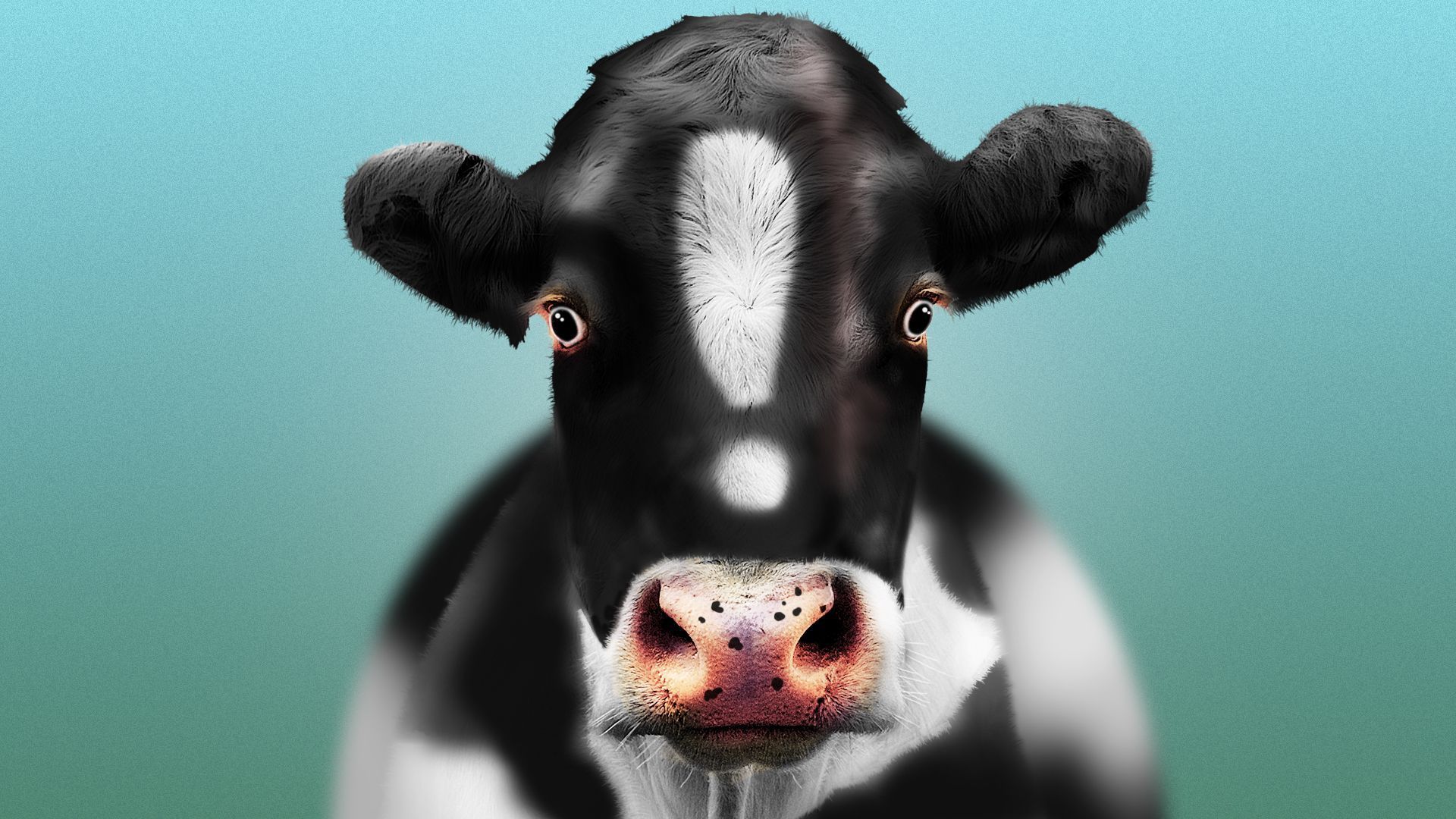
The quintessential summer pastime of going to the county fair could carry some risk this year with the threat of bird flu hanging over livestock exhibits and throngs of visitors, Axios' Tina Reed writes.
Why it matters: The mingling of animals, people and equipment at 4-H competitions, milking demonstrations and petting farms creates the conditions for potential transmission to humans.
"What we do at fairs kind of violates every tenet of biosecurity that we preach, and we do it on public display, and we charge the public," Andrew Bowman, a veterinarian from Ohio State University, told CIDRAP News.
- "As great as fairs are for agricultural education, they create situations with multiple species from different farms housed in one spot," he said.
Driving the news: During a call with reporters on Tuesday, federal officials reiterated that the risk from the virus, which has spread across livestock herds in more than a dozen states, remains "low" for humans.
- However, they also said they are "concerned" about potential for spread and noted many state and county fairs were taking steps to mitigate the risk.
- "It's a consideration, particularly for parents whose kids may have pre-existing health conditions or something of that sort," Nirav Shah, principal deputy director at the Centers for Disease Control and Prevention, said on the call.
- The CDC late last month released guidance for fair exhibitors to reduce risk of transmission among animals. Recommendations included shortening the amount of time livestock are at the fair, regular handwashing and avoiding eating, drinking or touching the mouth while in animal areas.
The bottom line: "It is a real concern. If we look at past years, we surely have seen evidence of animal-to-human transmission in the fairs," said Michael Osterholm, director of the Center for Infectious Disease Research and Policy at the University of Minnesota.
- It's unclear how much transmission could occur in these environments, but he pointed to a few outbreaks of the H3N2 variant in 2016 that were believed to be connected to swine exposure at fairs in Ohio and Michigan.
3. Blood tests may have an edge spotting Alzheimer's
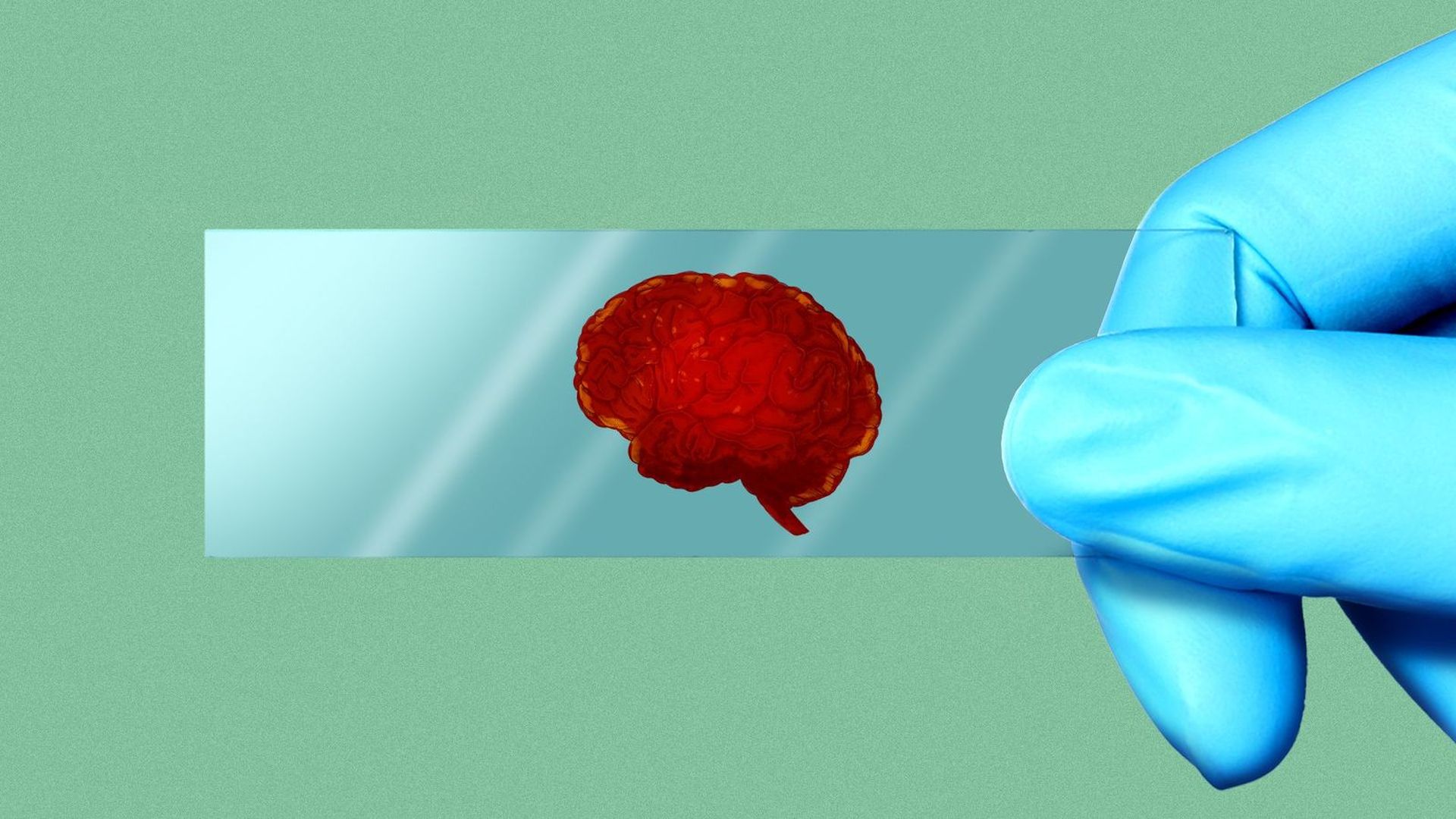
There's growing evidence that blood tests can accurately diagnose Alzheimer's disease and pave the way for earlier treatment of more patients, Axios' Maya Goldman writes.
Why it matters: Making Alzheimer's easier to detect is seen as crucial now that new drugs that slow the disease's progression are coming onto the market.
- A blood test has advantages over pricey PET scans or more invasive spinal taps that are used to diagnose the dreaded neurological condition and could be incorporated into routine physician office visits.
Driving the news: A study featured at an international Alzheimer's conference this week in Philadelphia found blood tests allow primary care doctors to accurately detect the characteristics of Alzheimer's.
- There are at least 16 blood tests in development, though none has won FDA approval yet.
- Primary care is "the first, and in many cases, the final point of entry for these patients," said study co-author Sebastian Palmqvist, an associate professor at Lund University in Sweden. "Looking at the future, I think this is where the blood test can have the largest impact."
- Doctors in the study used a blood test made by C2N Diagnostics, which performs as well as an FDA-approved spinal fluid test for detecting molecular signs of Alzheimer's.
The blood test assessed the buildup of proteins in the brain thought to contribute to Alzheimer's.
- Primary care doctors and dementia specialists used the test to screen for pathological signs of Alzheimer's with 91% accuracy, per the study, published Sunday in JAMA.
- That's compared to 61% success rate using clinical evaluations like cognitive testing in a primary care setting and 73% by dementia specialists using the same tools.
Yes, but: The accuracy of blood tests for Alzheimer's can vary widely, and many clinicians are still skeptical of them.
5. Something wondrous
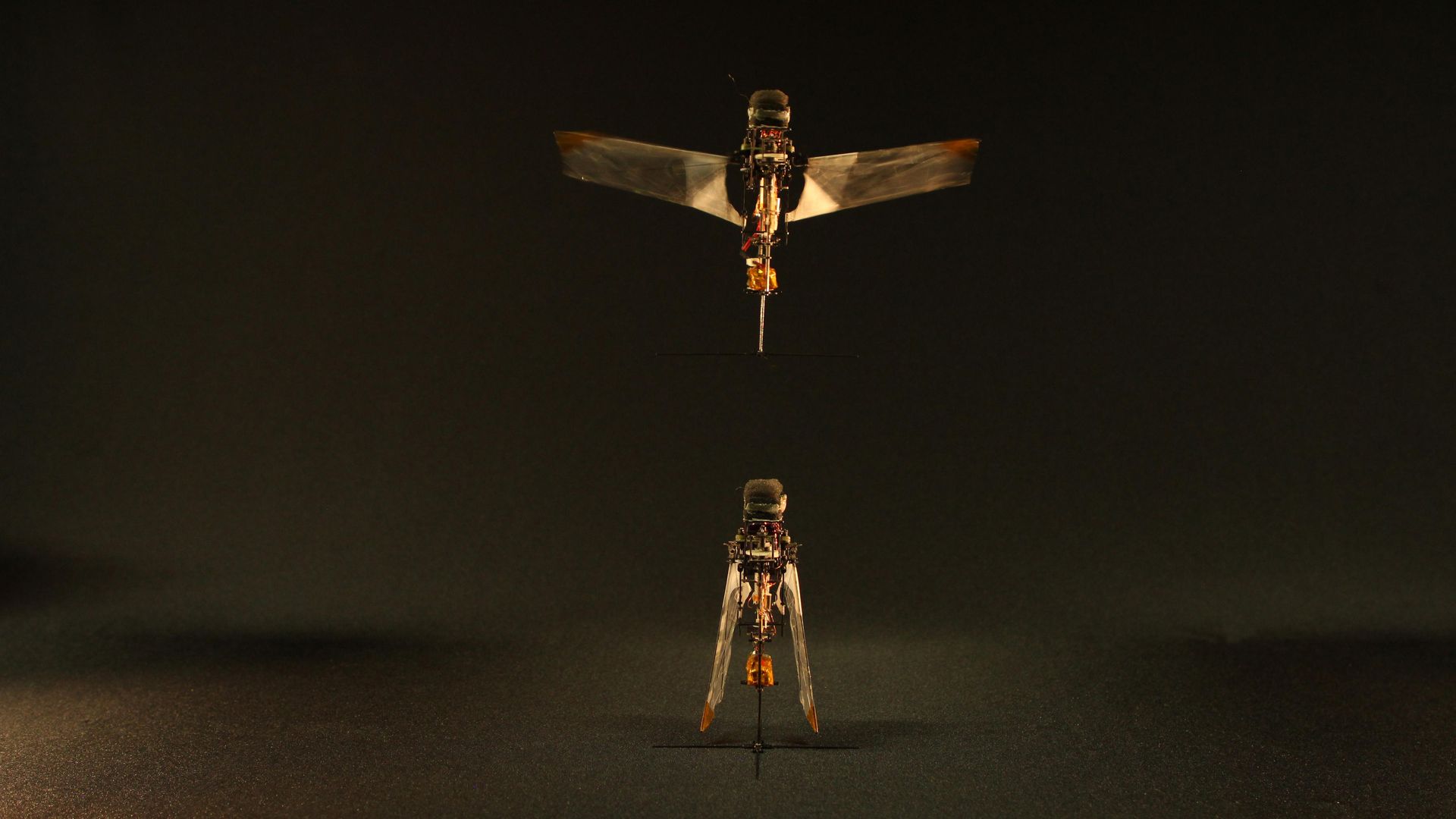
The complex way rhinoceros beetles' unfold their wings is the inspiration for a new miniature robot described in a paper published this week.
Why it matters: Engineers are trying to make small, efficient flying robots that can be used to access places people can't — for example, collapsed buildings or other search and rescue situations.
What they did: Researchers led by Hoang-Vu Phan, a postdoctoral researcher at the Ecole Polytechnique Fédérale de Lausanne in Switzerland, used high-speed cameras to study how the rhinoceros beetle (Allomyrina dichotoma) unfolds its wings.
- They found the hard forewings, called elytra, lift up triggering a "spring-like" release of the hindwings, they write in Nature.
- That allows enough space for the beetle to flap the elytra and then unfold the hindwing tips like origami into their position for flight.
- After flying, the elytra are used to push the hindwings back into their resting position.
The intrigue: Unlike birds and bats that use wing and pectoral muscles to unfold their wings, the beetles do it passively, without moving a muscle.
Next, the team used the same mechanism to build a microrobot and showed it could unfold its wings, fly in a controlled and stable manner, and then retract the wings.
What they're saying: "With its tiny scale, the robot can fly into tight spaces," Phan told me in an email.
- "But if flight is not possible, the robot can land or perch [on] any surfaces, and then switch to other locomotion modes such as crawling."
- And because the robots' wings can rest along its body, the risk of damaging them is reduced, Phan said.
What to watch: Phan said future studies could explore other insects, including tiny flies that "use similar passive strategies given the limited muscle availability with their tiny bodies."
- "We also want to improve our robot for more agile flight and to implement ground locomotion capabilities, such as perching and crawling, similar to its biological counterparts."
Big thanks to Andrew Freedman, Sarah Grillo on the Axios Visuals team and copy editor Carolyn DiPaolo.
Sign up for Axios Science