Lilly's Alzheimer's drug gets FDA nod

Add Axios as your preferred source to
see more of our stories on Google.
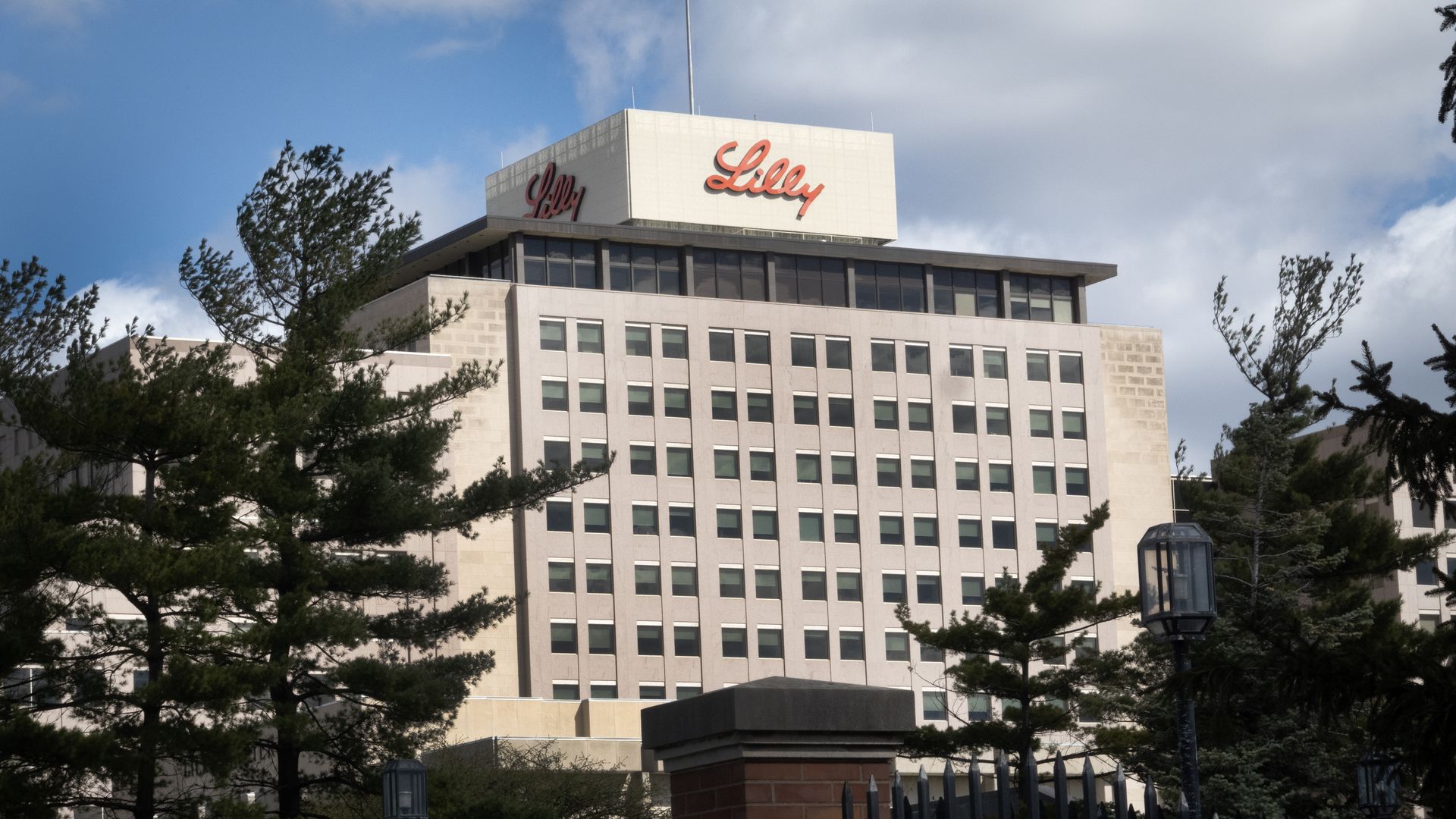
Photo: Scott Olson/Getty Images
The Food and Drug Administration granted approval to Eli Lilly's Alzheimer's drug, which was found to slow progression of the disease by about a third, the company announced Tuesday.
Why it matters: The approval of donanemab, which will be sold under the brand name Kisunla, makes the antibody the second drug of its kind to win Food and Drug Administration approval.
- The drug, which is infused once a month, was approved to treat mild cognitive impairment.
The big picture: Kisunla targets proteins in the brain known as amyloid plaques that are believed to contribute to the development of Alzheimer's disease, which afflicts nearly 7 million Americans.
- Phase 3 clinical trial data over 18 months showed the drug slowed progression of the disease by 35% compared to the placebo and reduced the patient's risk of progressing to the next clinical stage of disease by up to 39%.
- The drug can help "slow the decline that may diminish people's ability to remember new information, important dates, and appointments; plan and organize; make meals; use household appliances; manage finances; and be left alone," officials said in a release.
- It will compete with Eisai and Biogen's Leqembi, which the FDA approved last year.
Catch up quick: In June, a key FDA advisory committee unanimously concluded that the drug donanemab benefits patients with early stages of the disease and that its benefits outweigh its risks.
- The drug had faced some uncertainty earlier this year after the FDA in March unexpectedly called for an outside review of donanemab after some patients enrolled in a clinical trial experienced brain swelling, bleeding and other adverse events.
