Axios Phoenix

October 16, 2025


It's Thursday. One more day to go.
- Today's weather: Sunny with a high of 80.
🎂 Happy birthday to our Axios Phoenix member Mark Edelman!
Today's newsletter is 998 words — a 4-minute read.
1 big thing: SCOTUS ruling could shift Arizona's political lines
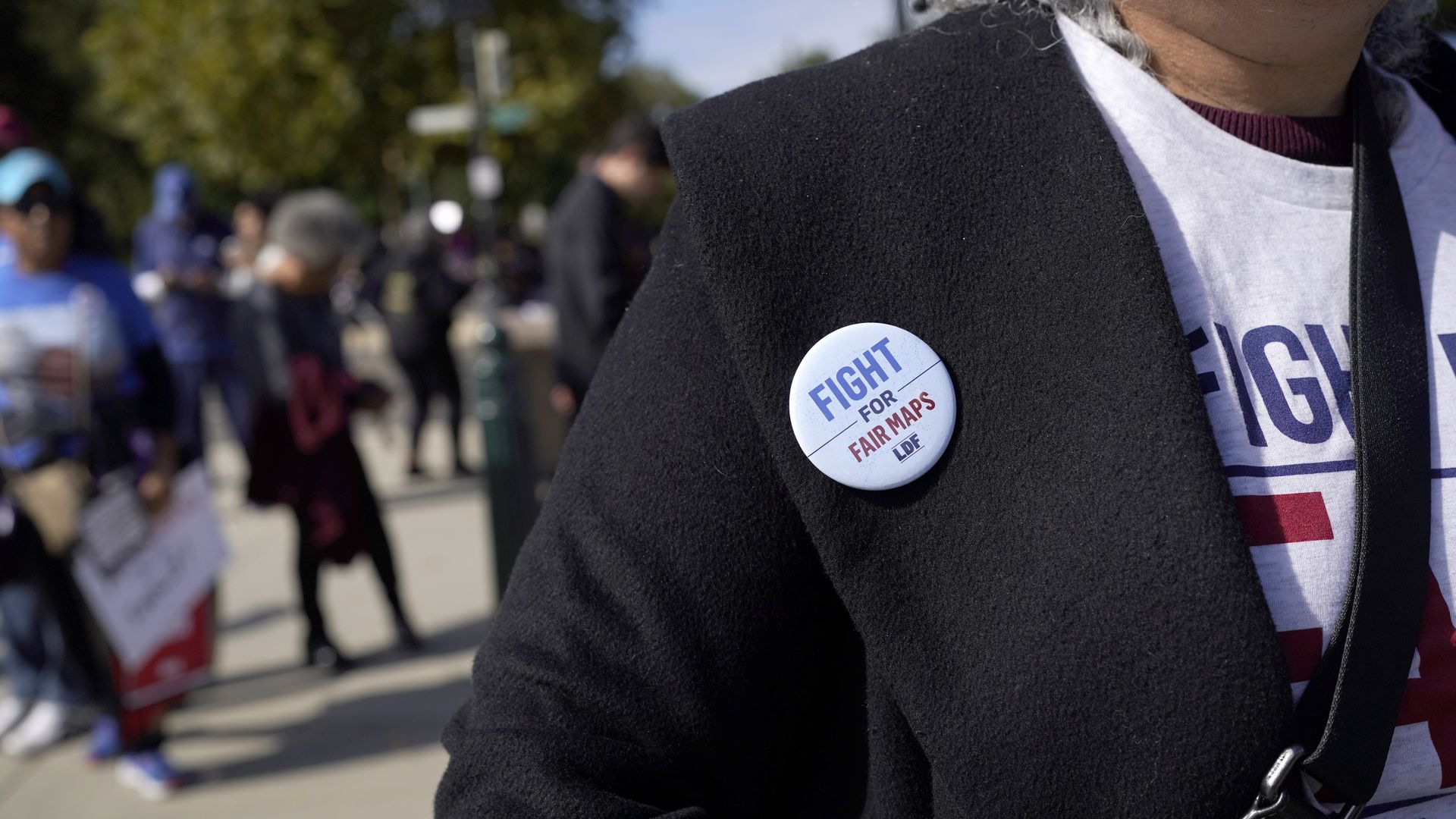
A U.S. Supreme Court case out of Louisiana could reshape how Arizona draws its congressional and legislative maps by limiting how much race can be considered when creating districts meant to boost minority representation.
The big picture: Section 2 of the 1965 Voting Rights Act prohibits racial discrimination in voting and election practices and has long been interpreted to require the creation of districts where minority voters can elect candidates of their choice.
Driving the news: The Supreme Court heard arguments yesterday in a case challenging the Louisiana Legislature's creation of a second majority-Black congressional district last year, following a federal court order.
Caveat: Arizona's maps aren't drawn by lawmakers but by the Arizona Independent Redistricting Commission (AIRC), intended to curb partisan gerrymandering.
- Unlike legislatures in other states, the AIRC couldn't come back to redraw maps mid-decade in response to a Supreme Court ruling and must wait until after the 2030 census.
Zoom in: Even if the high court restricts the use of race in mapmaking, other requirements in the Arizona Constitution would go a long way toward ensuring Latino representation.
Between the lines: Doug Johnson, a consultant hired by the AIRC in 2021, said Latino districts like Phoenix's south and west side 3rd Congressional District and area legislative districts would be "almost guaranteed to be drawn" based on criteria other than the Voting Rights Act.
- Erika Neuberg, the 2021 commission's independent chair, told Axios she has "no doubt that people will abuse the system" in other states if the Supreme Court limits Section 2 of the Voting Rights Act, but for her commission, "it wouldn't have made a difference," and she predicted it wouldn't for future commissions either.
Yes, but: Neuberg said future commissions could still reduce Latino representation if the Supreme Court limits Section 2 of the Voting Rights Act.
- The courts have given commissions leeway to balance the often-conflicting redistricting criteria, she said.
The intrigue: Neuberg added that creating Latino-majority districts made it harder for the AIRC to create more competitive districts, long a priority for Democrats in predominantly Republican Arizona.
2. Arizona's complicated VRA history
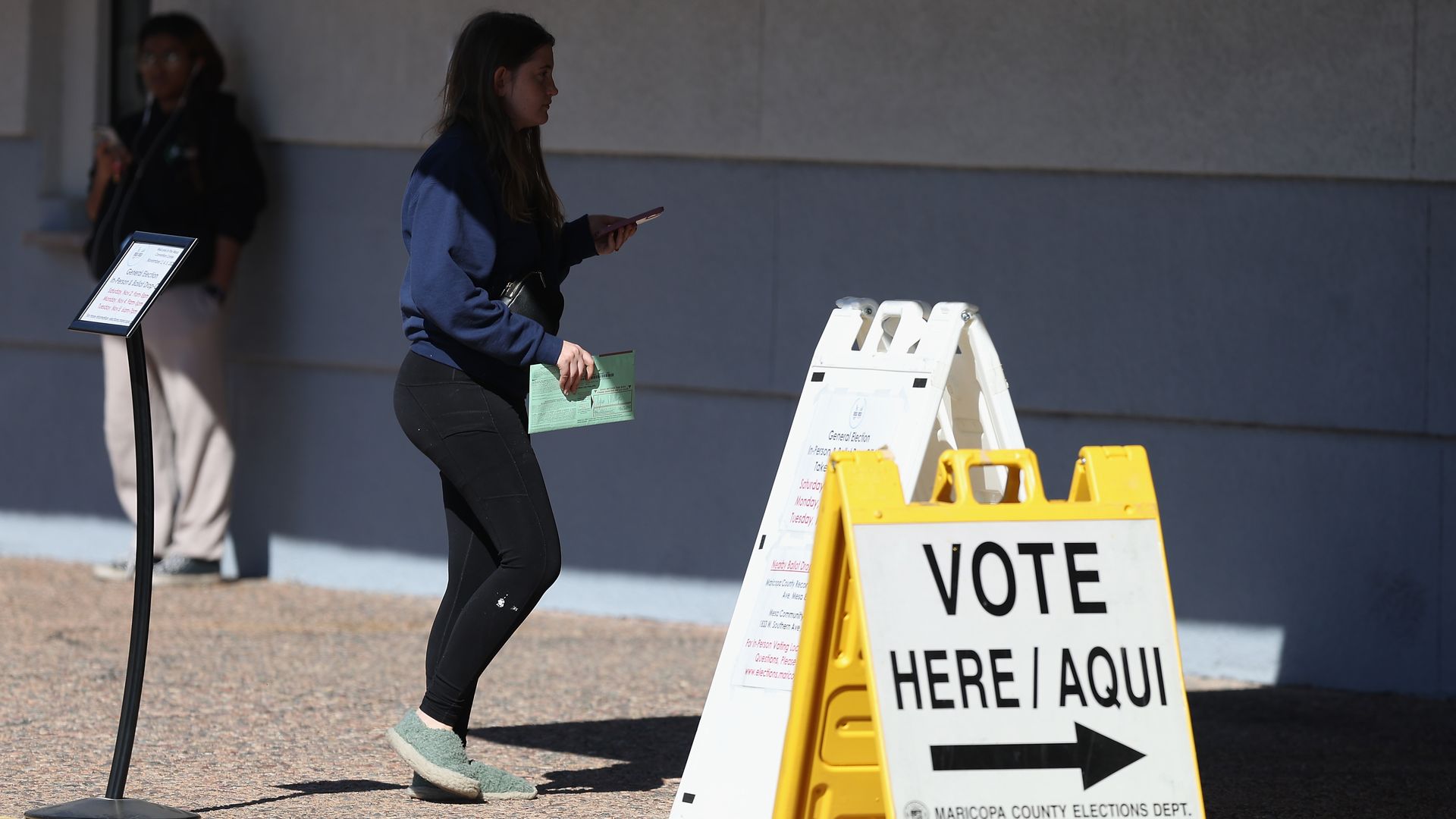
Over the Voting Rights Act's 60-year history, Arizona has been shaped by the landmark election legislation and has played a significant role in reimagining the law.
Why it matters: Arizona's complicated history of voter disenfranchisement has made it a key player in the national effort to ensure unfettered voting rights.
Catch up quick: The Voting Rights Act, signed into law by President Lyndon B. Johnson in 1965, created sweeping voter protections by prohibiting race-based discrimination and requiring states to adopt practices to expand the voting power of minority groups.
- The federal legislation forced the end of Arizona's literacy test requirement — a tactic to prevent Latinos from voting — and expanded Native American voter access.
The intrigue: The Voting Rights Act authorized federal oversight of locales with a history of race-based voter discrimination or suppression, requiring them to submit any changes to local election laws or maps to the U.S. Department of Justice for advance approval to ensure no "discriminatory purpose nor a discriminatory effect."
- Arizona was one of nine states subject to this "preclearance."
Yes, but: The U.S. Supreme Court in 2013 ruled that the formula used to determine which states were subject to preclearance was unconstitutional.
Meanwhile, in 2021, two Arizona election laws landed before the U.S. Supreme Court, leading to one of the "most consequential" voting rights decisions in decades, The New York Times reported at the time.
- The Supreme Court upheld the laws, essentially saying voters must be prevented from casting a ballot to prove they were suppressed or discriminated against.
3. Waymo self-driving cars to deliver DoorDash

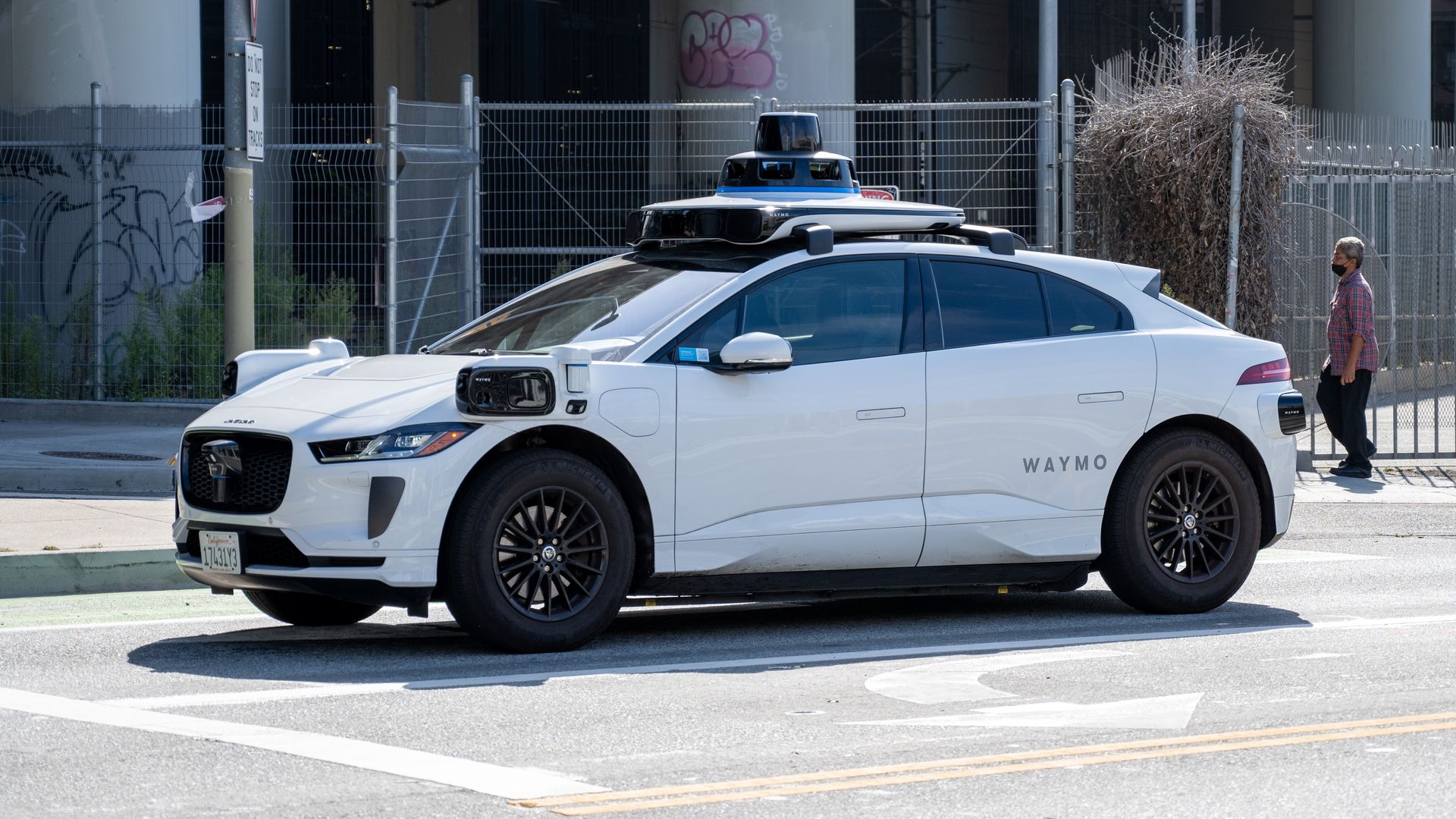
Self-driving car company Waymo is partnering with DoorDash to provide deliveries, beginning in the Phoenix area.
Why it matters: The deal marks the first collaboration between the two companies and could open the door for a wider deployment of autonomous vehicles for delivery.
Driving the news: Waymo said DoorDash customers in metro Phoenix will get the option to receive contact-free deliveries from participating merchants "in the coming months."
- Initial deliveries will be orders from DoorDash's DashMart, which offers items such as groceries, fresh food and household staples from local retailers.
- "When Waymo arrives, open the trunk with your DoorDash app and grab your items," as Waymo put it.
Context: The former Google self-driving car company owned by Alphabet has been running autonomous vehicles in the Phoenix area for years.
- DoorDash, meanwhile, has begun testing delivery by drone in certain markets.
4. Chips & salsa: Dems march over Grijalva delay
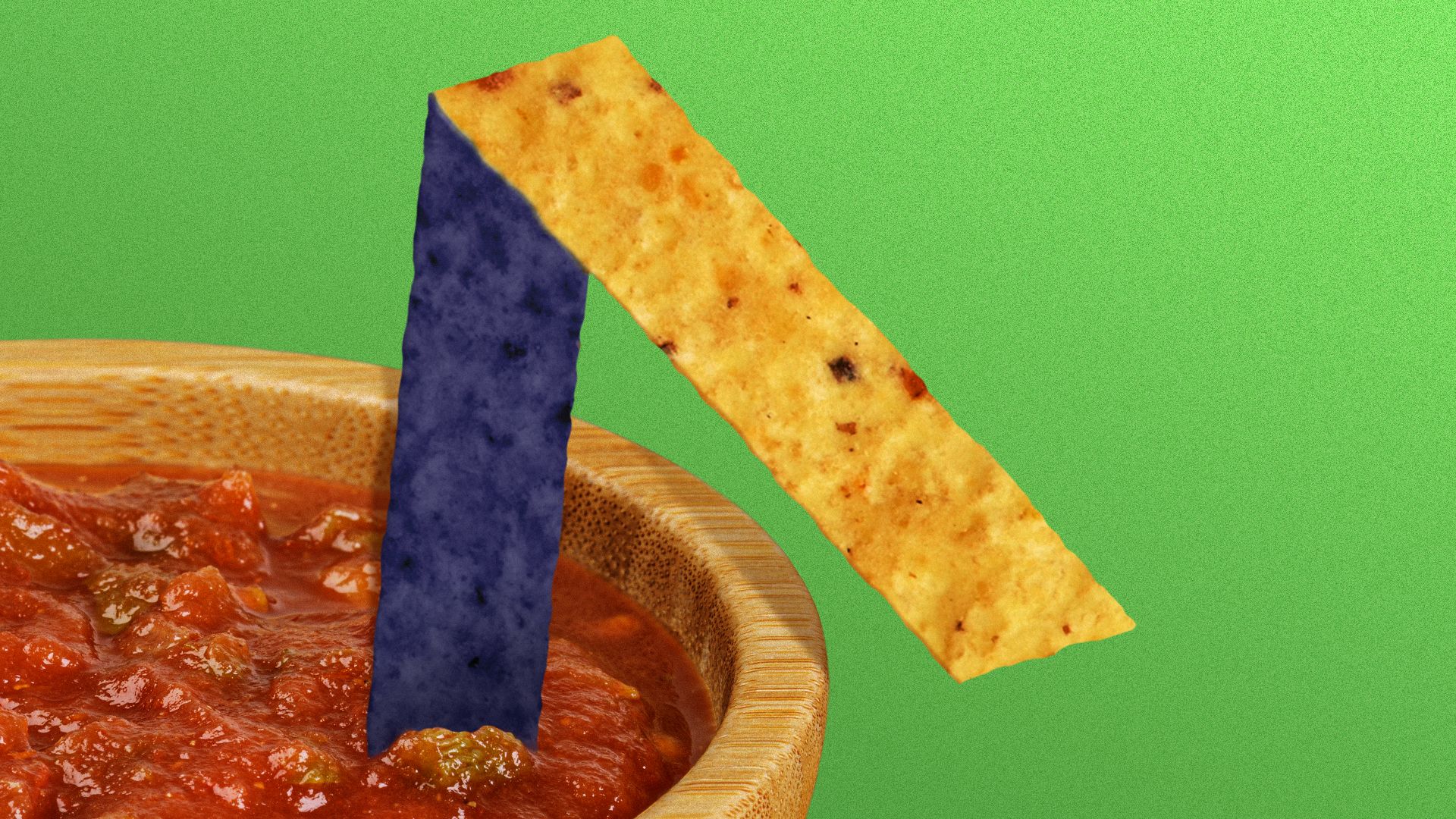
🫏 Dozens of U.S. House Democrats marched to Speaker Mike Johnson's office Tuesday night to demand he swear in Arizona Representative-elect Adelita Grijalva. (Axios)
🌨️ Tempe Mayor Corey Woods declared a state of emergency following a destructive microburst on Monday, allowing the city to seek state and county disaster relief. (12 News)
⚾ The Tucson Baseball Team, the first Mexican team to be based in the U.S., will start its season in Hermosillo due to U.S. visa issues. (KJZZ)
✈️ U.S. Rep. Abraham Hamadeh said he was surveilled under the TSA's controversial "Quiet Skies" program that monitored travelers considered to pose potential security risks. (AZcentral)
5. 🏳️🌈 It's Pride time!

Phoenix Pride returns to the Valley this weekend with a massive festival and parade to celebrate the local LGBTQ+ community.
🕺 Festival
More than 150 entertainers are set to perform across five stages throughout the weekend. Plus, check out the art expo, dance pavilions and more.
- When, where: Saturday (2-10pm) and Sunday (noon-9pm), Steele Indian School Park
🚗 Parade
Colorful floats and thousands of participants will make their way through midtown Phoenix. Mayor Kate Gallego is the grand marshall.
- When, where: Sunday (10am), 3rd Street between Thomas and Indian School roads
📗 Jeremy enjoyed reading "The Witches," Stacy Schiff's account of the Salem witch trials.
🐶 Jessica's dog is officially in the Halloween spirit with her orange bandana.
This newsletter was edited by Gigi Sukin.
Sign up for Axios Phoenix
