Axios Media Trends

September 24, 2024

Today's Media Trends, copy edited by Sheryl Miller, is 1,557 words, a 6-minute read. Sign up.
1 big thing: Scoop... Koch eyes Forbes
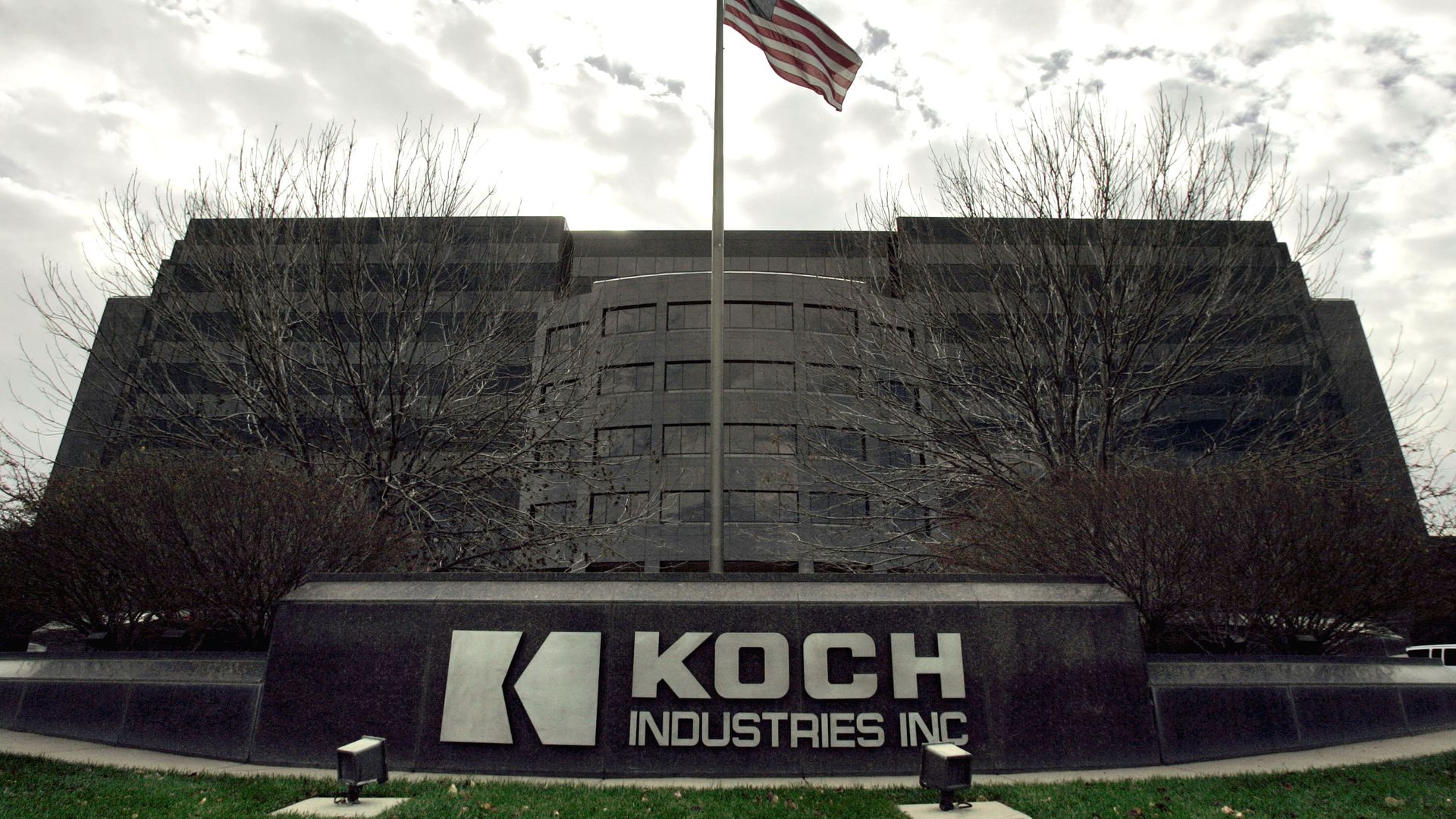
Koch Inc.'s private equity arm is in ongoing talks on a bid to buy Forbes in partnership with another individual investor, sources told Axios.
Why it matters: Koch Equity Development (KED) has a history of successful media investments, including its 2017 deal to back Meredith's acquisition of Time Inc. with $650 million and its 2018 and 2019 investments in Getty Images worth $550 million.
Between the lines: KED often targets poorly managed or undervalued companies. It will sometimes partner with a strategic buyer on deals that aren't part of Koch Inc.'s core competencies in manufacturing and technology.
- The Koch family is widely known for supporting conservative and libertarian causes, but KED does not become editorially involved in its media deals.
- KED operates independently of Koch's 501(c)(3) philanthropic organization Stand Together, which invested in Semafor last year.
State of play: KED is in talks with an entrepreneur named Divyank Turakhia to partner on a bid for Forbes that would value the company at roughly 10% less than the $630 million valuation it received for its blank check merger in 2021, sources told Axios.
- The deal would include an equity rollover from Forbes' current owners, a source said.
- Turakhia had at one point worked with Forbes' affiliate platform, Forbes Marketplace, as a client. Turakhia sold his ad tech company Media.net for $900 million in 2016.
Turakhia is an Indian-born serial entrepreneur. Sources said he and KED aim to structure the deal so as not to run afoul of regulators over foreign ownership concerns.
Catch up quick: The Forbes family sold a majority stake (95%) in Forbes to a Hong Kong-based investment firm called Integrated Whale Media (IWM) in 2014. The family retains a 5% stake in the company and board seats.
- IWM has been trying to liquidate its investment for years. But its past two attempts — a 2021 blank check merger and a 2023 private sale — were scuttled, in large part due to foreign ownership concerns.
Zoom out: KED in the past has eyed buying Forbes itself — without a deal partner, a source told Axios.
- In the months that have passed since the collapse of a deal to sell Forbes last year, IWM has been in talks with a few potential buyers.
Reality check: The target valuation for the company, which includes Forbes Marketplace, is high given the current marketplace for media deals.
- Forbes Marketplace is the most profitable part of the company, but Forbes only owns 40% of it.
2. 🎧 NYT to sell audio subs through Apple, Spotify

Beginning next month, the New York Times will make its audio subscription available for purchase through Apple Podcasts and Spotify, executives told Axios.
The big picture: More publishers, including Vox Media and The Economist, are experimenting with paywalled podcasts as part of broader efforts to grow their subscription audiences.
How it works: Come October, listeners will need to subscribe to the Times' audio content to unlock older episodes of the Times' hit shows, such as "The Daily," "The Ezra Klein Show," "Modern Love" or "Hard Fork."
- Subscribers will also get other perks, such as early access to new shows from Serial Productions, an audio production firm acquired by the Times in 2020.
By the numbers: Podcast subscriptions purchased through Spotify or Apple Podcasts will cost $6 monthly or $50 annually.
- That price mirrors the cost of a subscription to NYT Audio, an app that houses all of the Times' audio content, including podcasts, serialized shows and audio versions of its text articles.
What to watch: The Times' head of subscription growth Ben Cotton said new podcast subscribers that come through Apple Podcasts or Spotify will be counted toward the company's overall subscription total, which is how the Times counts subscriptions from any third-party vendor it works with.
- The Times counts subscribers to the Wirecutter through Apple News, for example, as part of its overall subscriber count.
3. Telegram caves
Telegram CEO Pavel Durov on Monday said his company will provide some user data, including IP addresses and phone numbers, in response to valid legal requests.
Why it matters: The move marks a major departure from Telegram's long-held position of siding with user privacy and free speech above broader safety and security concerns from government or law enforcement officials.
Between the lines: Telegram's shift comes days after X bowed to pressure from Brazil's Supreme Court to remove accounts from the platform that a judge argued threatened Brazil's democracy.
- X has been blocked from Brazil for nearly a month.
- Despite drawing a hard line in favor of free speech, X has complied with takedown requests from governments, most notably India, which has taken an increasingly hard stance against foreign tech companies.
- TikTok, for example, is still banned in India, along with a slew of other Chinese-owned apps.
The big picture: Global tech companies have historically tried to resist government requests for user data or content takedowns, but doing so poses a risk of getting shuttered out of a country entirely.
- Instagram was blocked by the Turkish government last month for failing to comply with its content rules. The country eventually lifted the ban after negotiations with Instagram officials, per Reuters.
- Other apps have conceded with censorship demands around the world. Netflix blocked nearly a dozen titles from its service in Southeast Asia between 2016 to 2021. Snapchat blocked Qatari-funded Al Jazeera in Saudi Arabia to comply with local laws in 2017.
Yes, but: Most companies have red lines. Google famously exited China in 2010 following censorship demands.
What to watch: A U.S. TikTok ban, in addition to the India ban, would box the app out of two of the largest and most lucrative smartphone markets in the world.
4. 🔍 TikTok enters search ad wars


TikTok today debuted a new search ad product that allows brands to keyword target ads and optimize them in its search results, marking its official entry into the search ad market.
Why it matters: To date, TikTok has made most of its money selling video ads against user-generated posts, similar to Meta or Snapchat. Now, it will compete with the likes of Google and Amazon for a much wider set of search ad budgets.
How it works: Previously, advertisers could buy ads that appeared within search results. But without any sort of sophisticated targeting capabilities, they weren't very competitive with ads on bigger search platforms.
- The new search ads will support both video and image carousel assets, TikTok said. Brands will have the option to tailor their search ad campaigns to either optimize traffic or web conversion objectives.
The big picture: Paid search mobile advertising is one of the fastest-growing ad mediums in the U.S, per PwC, thanks to the rise of retail platforms like Amazon.
- Retail search advertising will make up nearly 50% of all search advertising by 2028, PwC projects.
5. Scoop: Washington Reporter co-founder resigns following foreign agent registration

Garrett Ventry, the co-founder of a new conservative-leaning Capitol Hill outlet called Washington Reporter, has resigned from the company's board and its executive leadership team following his registration with the Justice Department earlier this month as a foreign agent for Qatar, sources told Axios.
Why it matters: Ventry co-founded the new publication as a conservative rival to established media companies on Capitol Hill, such as Politico and Punchbowl News.
- He and co-founder Brian Colas are funding the outlet alongside Omeed Malik, the financier who backed Tucker Carlson's media venture, and other conservative strategists and business executives.
Zoom in: Ventry informed Colas earlier this month that he would be stepping away from his board seat while taking on a new consulting project for the international media office for the state of Qatar.
- Qatar hired Ventry to help it build relationships with the U.S. media. While Washington Reporter doesn't cover foreign policy, Ventry stepped away from the outlet to avoid any appearance of conflicts of interest, a source said.
- Ventry's board seat will be replaced by site's editorial lead and longtime reporter Matthew Foldi.
Zoom out: Ventry and Colas launched Washington Reporter to bring perspectives and insights that are catered specifically to conservatives on Capitol Hill. Both have deep ties to Capitol Hill Republicans and corporate America.
- The outlet launched with a free weekly newsletter that today has over 10,000 email sign-ups. Its coverage has spanned interviews with the House GOP leadership.
6. 📺 Campaign grand finale
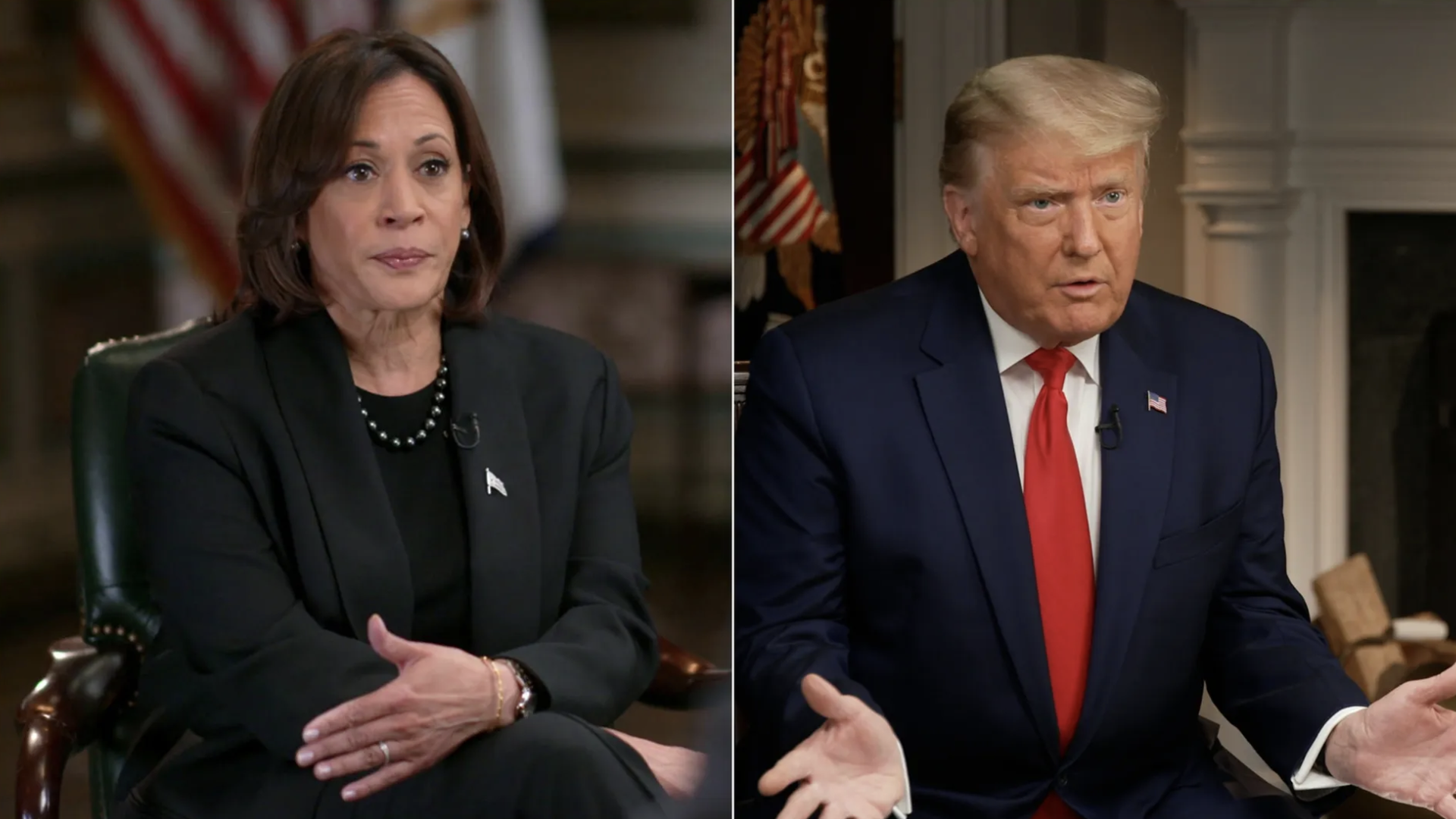
Vice President Harris and former President Trump are both considering "60 Minutes" interviews that would air back to back on Oct. 7 as a campaign grand finale, Axios' Mike Allen scooped.
Why it matters: With Trump ruling out a second debate with Harris, the CBS News juggernaut would give the campaigns one last mass audience, 29 days before Election Day.
- The Harris campaign is in active talks with "60 Minutes."
- Trump sources say an interview is TBD.
The latest: Harris on Saturday accepted a CNN invitation for a second debate, on Oct. 23. But Trump said later at a rally in Wilmington, North Carolina: "The problem with another debate is that it's just too late — voting has already started."
- The VP debate will be Oct. 1 in New York City, hosted by CBS.
The big picture: "60 Minutes" remains the nation's top-rated news show, drawing 11 million viewers last week for its 57th-season premiere.
- It wrapped its 50th consecutive season as the No. 1 television news program in May.
Sign up for Axios Media Trends