Axios Macro
August 06, 2026


Neil is just back from a meeting of the Aspen Economic Strategy Group in Colorado, and in today's newsletter we bring you insights from some of his sideline conversations. ⛰️
- First, a look at the broad new tariff authority that Congress is considering giving President Trump.
- Plus, why a top Wall Street executive thinks the reaction to Federal Reserve chairman Kevin Warsh's press conference last week was excessively negative.
Situational awareness: Unemployment filings rose by just 1,000 last week, to 199,000, holding near the lowest level of jobless claims in almost 60 years.
Today's newsletter, edited by Jeffrey Cane and copy edited by Katie Lewis, is 936 words, a 3.5-minute read.
1 big thing: Trump may get a big, new tariff authority
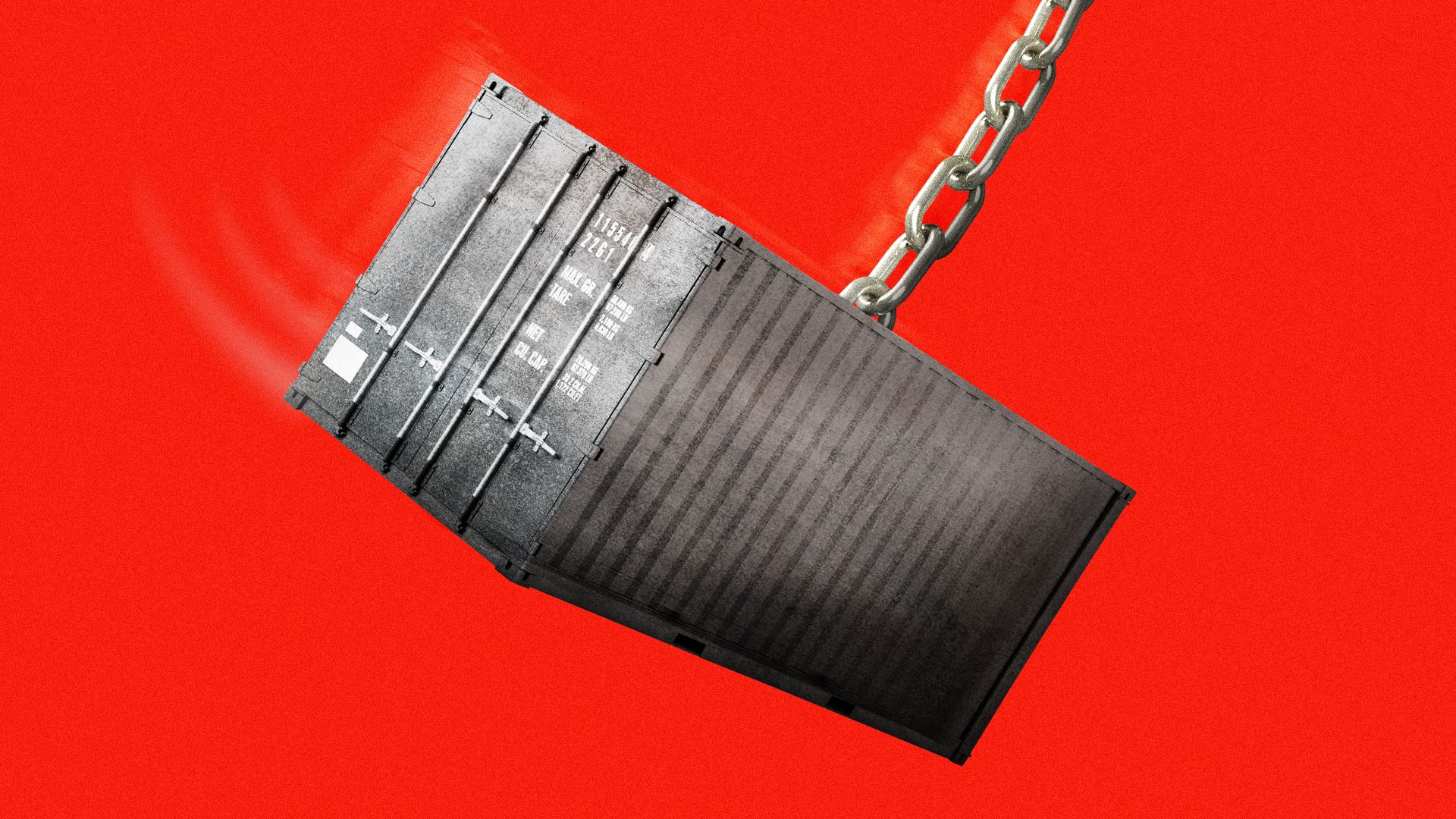
A legal cat-and-mouse game has played out over whether the president can use various obscure, untested provisions to impose tariffs. Now, Congress appears on track to give him a big, new — and explicit — tariff authority.
Why it matters: A bill on Russia sanctions, named for the late Sen. Lindsey Graham, has received overwhelming bipartisan support in the Senate and would allow Trump and future presidents to impose tariffs of up to 100% on major importers of Russian energy.
- If enacted in its current form, it would give the president greater flexibility to raise import taxes on major economies including India, China and the European Union, without the legal limits and ambiguity of the tools he has used thus far.
Catch up quick: The Lindsey O. Graham Sanctioning Russia Act of 2026 passed a key procedural hurdle in the Senate last week by an 86-12 vote.
- It strengthens sanctions on Russia and Iran and targets Russia's "shadow fleet" of oil tankers used to avoid Russian sanctions, and imposes a 500% tariff on U.S. imports from Russia.
- The bill states that the U.S. trade representative can adjust tariff rates to anywhere between 0% and 100% on the five largest importers of Russian crude oil or natural gas by volume.
- The trade representative must merely notify Congress about its actions; there are no further constraints or requirements needed for the administration to justify whatever tariff rate it chooses.
State of play: It comes as Trump's broader tariff agenda has faced challenges and setbacks in the courts.
- The Supreme Court ruled against Trump's use of the International Emergency Economic Powers Act to impose sweeping tariffs, and the Treasury has refunded $100 billion to importers who paid them.
- The administration then turned to Section 122 of the Trade Act of 1974, allowing temporary tariffs to address balance-of-payments deficits. That provision limits the scale and duration of tariffs, and a lower court struck down its use anyway.
The intrigue: The administration most recently turned to Section 301 of the Trade Act, allowing tariffs as retaliation for unfair practices by trading partners.
- That is a tried-and-true provision that has been used across many presidential administrations, but the specific grounds for its invocation in this case is more dubious, asserting that retaliation is needed for forced labor practices in some of the wealthiest countries on earth.
- Businesses that face the import taxes are challenging those in court, as well.
Between the lines: If enacted in its current form, the Russia sanctions legislation would grant the president a more legally bulletproof tool to impose much higher tariffs, at least on a handful of major economies.
- There's nothing in the bill's text that compels Trump or future presidents to tie the use of the tariffs to some specific geostrategic goal involving Russia's war with Ukraine.
What they're saying: "The sentiment is obviously right," Jonathan Finer, former principal deputy national security adviser, tells Axios. "The war won't end until [Russian President Vladimir] Putin is pressured enough to stop. But the details matter."
- "The bill includes no sanctions authorities the president doesn't already have, lets him off the hook with a waiver to avoid using them, and gives him enormous authorities to tariff U.S. partners and allies up to 100%, largely at his discretion," Finer said.
2. The case for giving Warsh some space
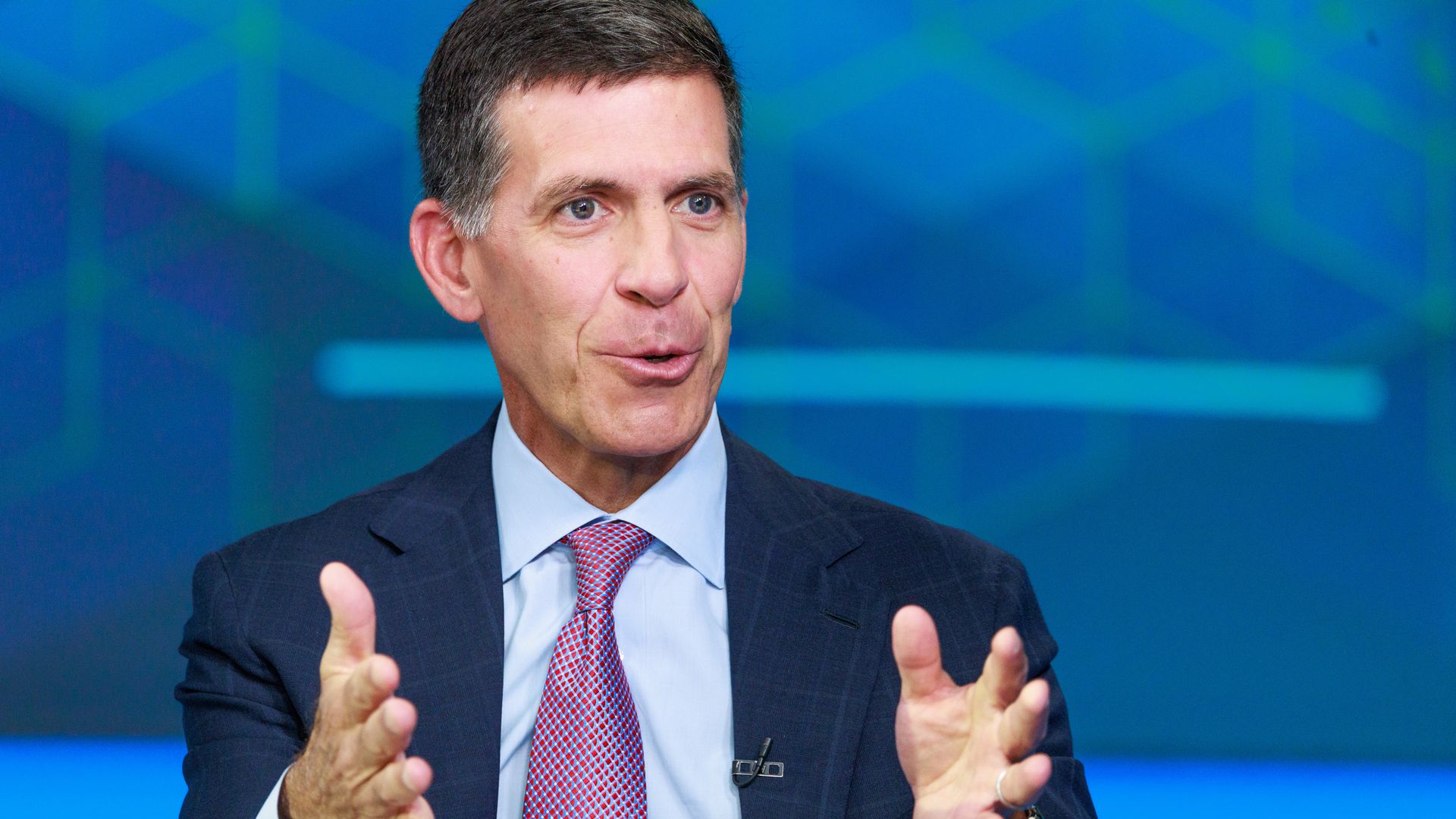
The response to Warsh's press conference last week was swift and negative, prompting a sell-off of long-term bonds. A top Goldman Sachs executive sees it as an overreaction.
What they're saying: "The market has been accustomed to getting a lot of Fed commentary all the time," Goldman president John Waldron tells Axios. "I think Kevin is right to take a step back and say 'Let's evaluate that, and think about a different approach.'"
- "His challenge is that anytime you give the markets all this information, it's very hard to pull it back," Waldron adds.
- "I think commentators are overreacting to what he's doing, and we should give him the time and space to do what he's doing and judge the results over time."
Zoom out: While markets didn't get the kind of granular analysis of economic conditions and detailed description of the Fed's policy stance that they have become accustomed to, Warsh did assert his commitment to stable prices, even if he was vague about the policies that the Fed might use to achieve it.
- "I think far and away the most important thing is the Fed's independence and the Fed's commitment to price stability, and I think Kevin has been clear on that," Waldron says, by reiterating his seriousness about reaching the 2% inflation target.
- "Just because he's not tightening rates doesn't mean he's not committed to price stability."
Of note: Despite last week's hiccup, markets have been broadly stable in the days since, suggesting little lasting damage from the communications challenges.
- Goldman's financial conditions index, which tracks the tightness or looseness of markets across major world economies, has eased since the meeting, with lower bond yields and higher stock prices.
Sign up for Axios Macro