Axios Generate

September 26, 2024


🤯 There's a lot happening! But we're here to curate the chaos with just 1,356 words, 5 minutes.
🎸 This week in 2000, Mark Knopfler released the album "Sailing to Philadelphia," which provides today's exquisite intro tune...
1 big thing: Electric Uber drivers need more plug-in spots

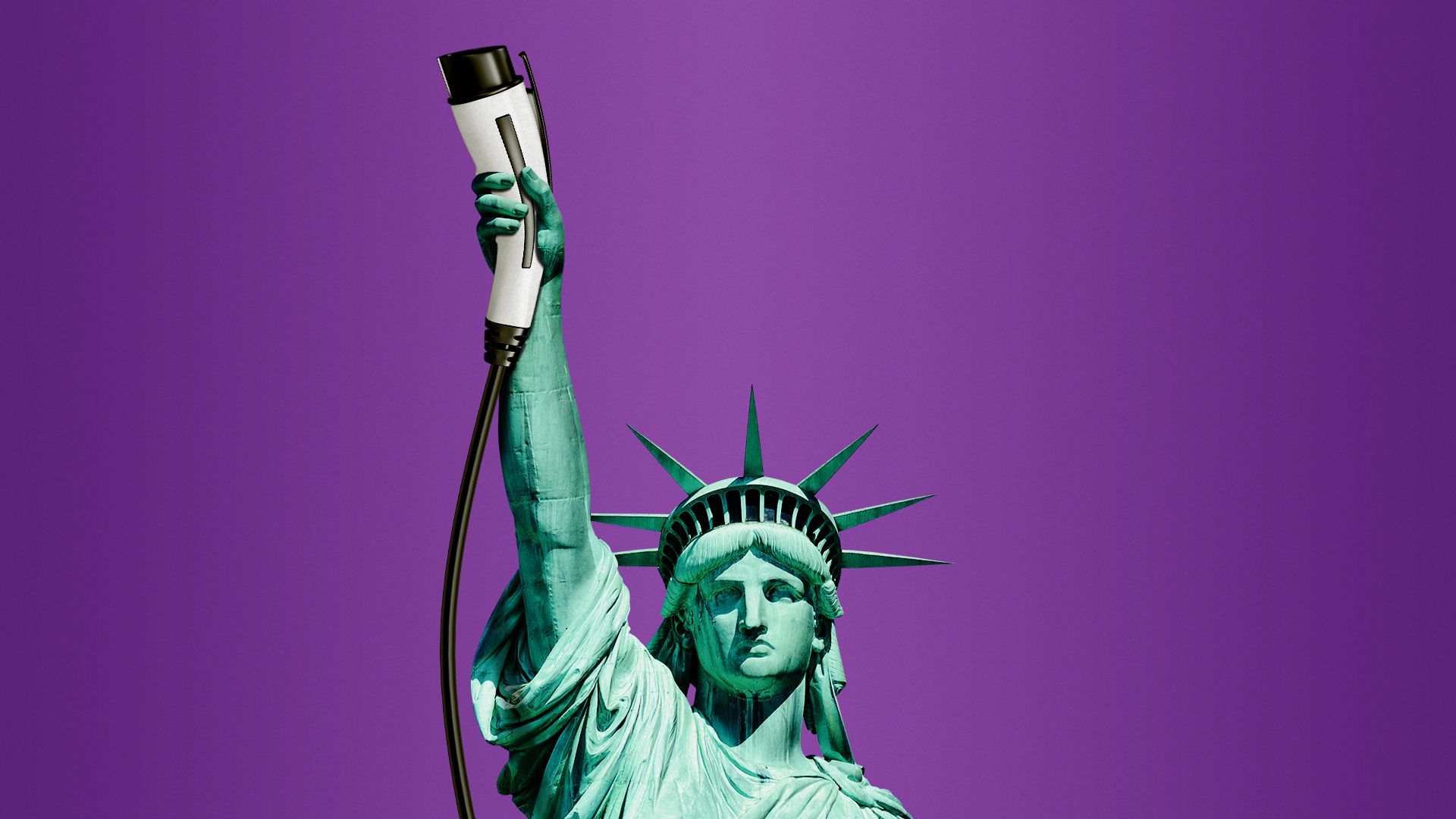
The push to electrify urban taxi and rideshare fleets has created a new problem: not enough charging infrastructure in cities like New York and San Francisco.
Why it matters: While government funding is directed primarily to highway charging spots, dense urban centers stand to benefit the most from the shift to electric cars, trucks and buses — provided they have a place to charge.
- In many of those cities, every square inch of land is precious and skyscrapers suck up power.
The big picture: Rideshare drivers are going electric five times faster than the general public, according to Uber, whether due to government mandates or commercial incentives.
- An electric Uber or Lyft saves three times the carbon emissions of a personally owned EV because they rack up more miles, one study found.
Yes, but: Charging is an issue for urban rideshare drivers, many of whom live in multifamily housing and don't have access to charging at home.
- While many cities, like San Francisco, Boston and New York, are rolling out curbside charging, it's relatively slow and best for overnight charging.
- More fast-chargers are needed so rideshare drivers can maximize their trip availability.
- In San Francisco — where about 25% of new cars sold are EVs — there are roughly 1,000 public EV chargers, but only 174 of them are fast-chargers.
Between the lines: Between land acquisition, permitting and utility upgrades, it can take several years for a fast-charging station to open.
- And the upfront capital costs are daunting: a single fast-charging stall can cost as much as $150,000.
- So there's a classic chicken-egg problem: Charging networks won't invest without enough EV customers and people won't buy EVs without reliable charging options.
- "I think that egg finally hatched," says Frank Reig, CEO and co-founder of Revel, a New York-based electric mobility and infrastructure company aiming to accelerate EV adoption in America's densest cities.
Driving the news: With help from Uber and New York's electric utility, ConEdison, Revel is opening its first fast-charging hub in Manhattan today — a project nearly two years in the making.
- ConEd paid for the electrical upgrade and Uber, which aims to be a zero-emissions platform in U.S cities by 2030, financially guaranteed a minimum level of utilization across Revel's network in exchange for 25% charging discounts for drivers.
What's next: Revel is in expansion mode with plans to leap from its current 64 fast-charging plugs in New York to 300 by the end of 2025, including nearly 50 at LaGuardia Airport.
- It's also developing charging sites across the San Francisco Bay Area and in downtown Los Angeles.
2. "Catastrophic" and massive Hurricane Helene to hit Florida, Southeast
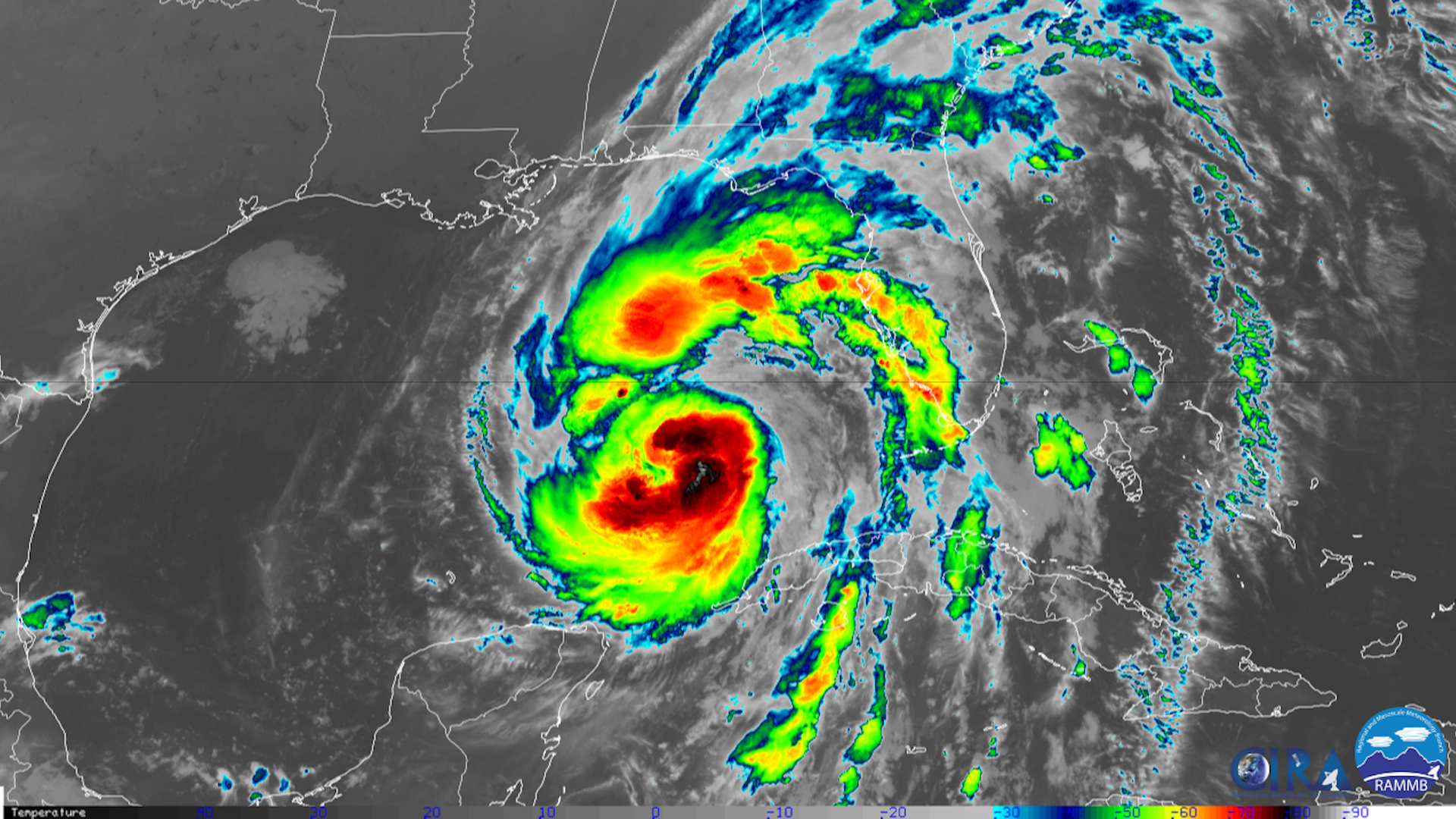
Hurricane Helene is strengthening over the record-warm waters of the Gulf of Mexico and speeding towards landfall this evening to the south-southeast of Tallahassee as a Category 3 or higher storm.
Threat level: The large storm is forecast to bring an unprecedented 15-20-foot storm surge to Florida's Big Bend area. It will also bring high winds to all of Florida and plow inland with hurricane-force wind gusts likely in Atlanta.
- The NWS is calling the maximum storm surge forecast for the Big Bend region of Florida "potentially unsurvivable."
- Flooding rains are already affecting the southern Appalachians, with rainfall totals upwards of 15 inches expected. Atlanta could see a half-foot of rain through tomorrow night.
- Tampa Bay is forecast to see one of its most severe storm surge events on record, with up to 8 feet of surge.
- The Atlanta metro area faces one of its most significant encounters with a hurricane or tropical storm on record.
Between the lines: Helene's expansive wind field will power the potentially deadly storm surge.
- The storm's structure, with two rings of thunderstorms around the eye, has kept it from rapidly intensifying so far.
- With tropical storm and hurricane warnings in effect for more than three states, power outages may encompass more than one million people by Saturday.
- Climate change is boosting global ocean temperatures, which were at record-high levels for more than a year straight.
The bottom line: This storm is on track to be a multibillion-dollar disaster that reshapes coastlines and lives.
3. 📝 Harris pitches new tax credits, critical mineral reserve
Kamala Harris is vowing fresh tax incentives for low-carbon projects and proposing a critical minerals stockpile to reduce reliance on China.
Why it matters: A policy outline released yesterday adds detail to what's been a vague platform.
- But it's unclear how the ideas would bolster support already available under the IRA, the 2021 infrastructure law, and other current policies.
Driving the news: The wide-angle "America Forward tax credit" would help "critical industries of the future," and that list includes:
- "Expanding clean energy manufacturing."
- "Modernizing and reducing emissions in steel and iron production."
- Using biotech to develop sustainable materials.
State of play: The document proposes a stockpile to "safeguard access" to minerals needed for manufacturing.
- Their strategy would also "create" incentives for domestic minerals production and processing, and building up supply chain links with allies.
Between the lines: It's a politically delicate document.
- It touts record oil production but devotes lots of space to growth in renewables and related manufacturing, bent around an economic pitch.
What we're watching: Harris said via video that the campaign is launching "Climate Voters for Harris-Walz."
- It urges people to text the campaign, which prompts sign-ups to volunteer.
4. 💵 Global South states rally around Bridgetown 3.0

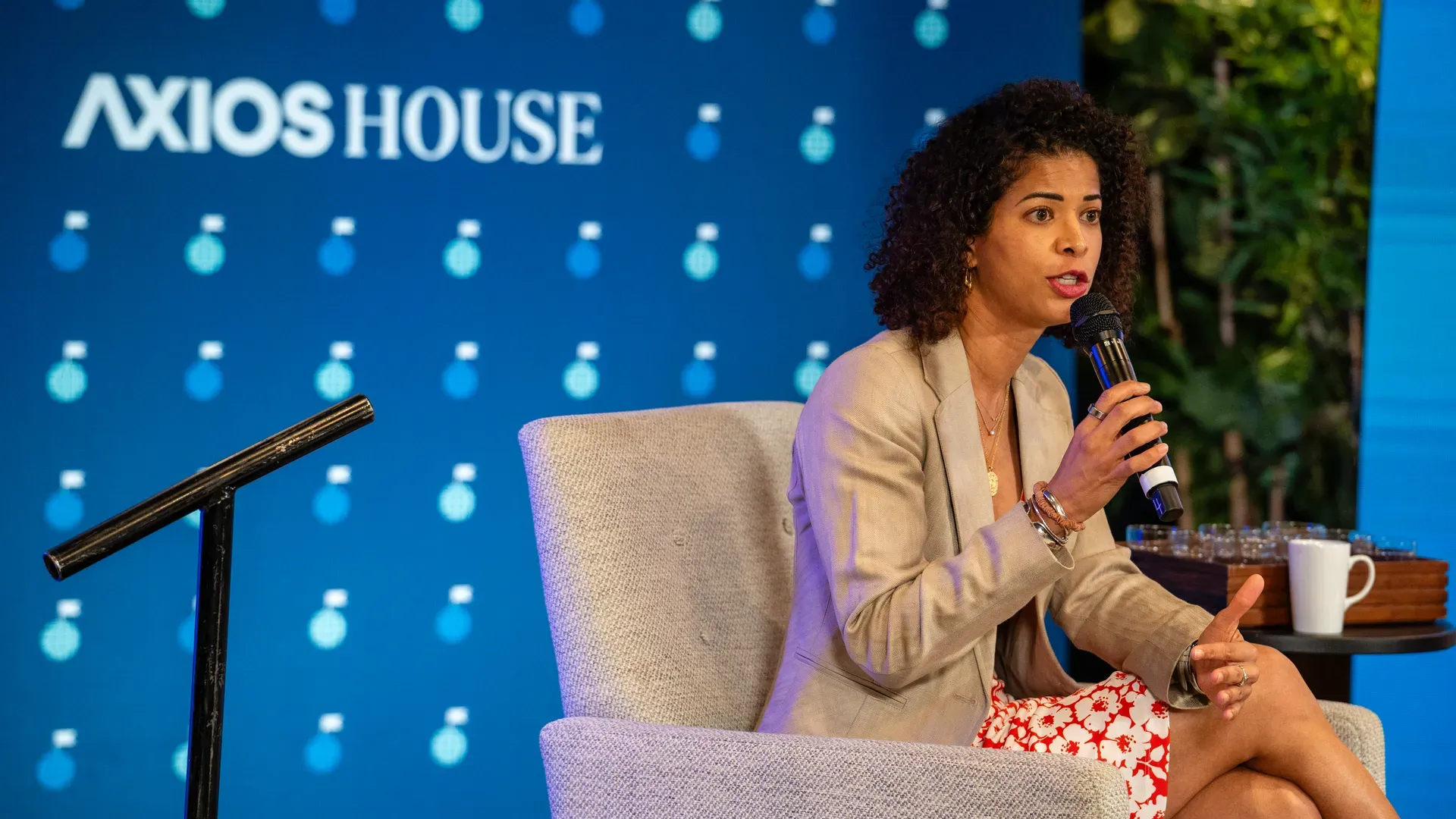
Barbados revealed an updated version of its ambitious multilateral finance overhaul that would free up more money at lower borrowing costs for developing countries in climate crises.
Why it matters: The Bridgetown Initiative refresh has brought together many Global South countries that seek to bridge the financial gap — estimated in the trillions — in climate financing for the region.
- Its central message: make it cheaper for emerging and developing countries to borrow to build climate-resilient economies.
Driving the news: Bridgetown 3.0, released yesterday at this week's UN General Assembly and named for Barbados' capital city, has three major prongs.
- Changing the rules. Today's financial structure of multinational banks like the IMF was conceived more than 50 years ago.
- Shock-proofing economies. Creating more access to special drawing rights (SDRs), and other sources of liquidity for the Global South.
- Increasing financing and making good on existing commitments.
The big picture: The Bridgetown Initiative estimates that every dollar invested in climate adaptation saves between $4 and $7 later.
- More than half of the world's population lives in a country that spends more on debt service each year than education, health or climate adaptation.
5. 🎙️ IEA boss on OPEC+ and nuclear power
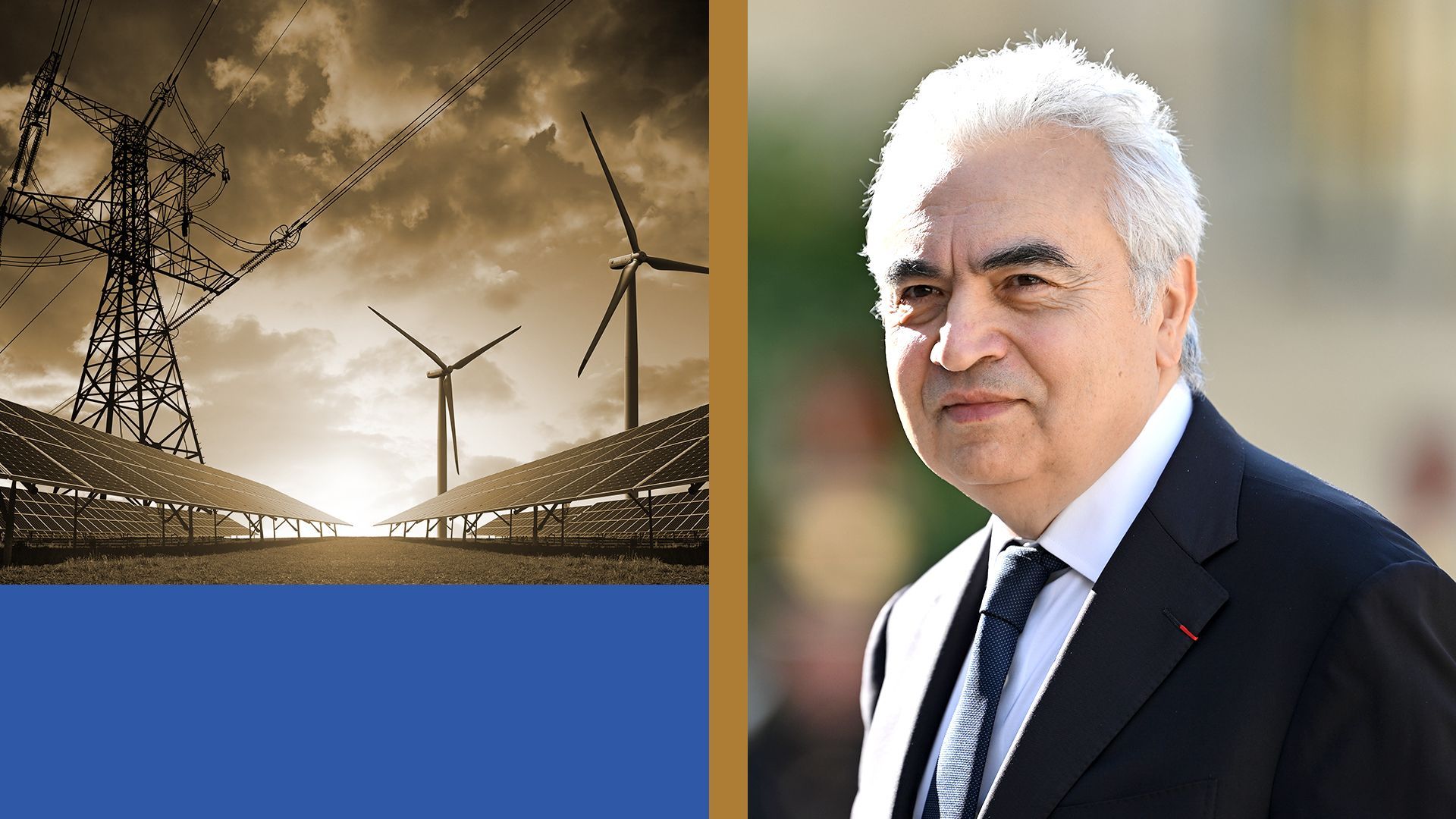
Here's a few other newsy nuggets from my interview with International Energy Agency head Fatih Birol at Climate Week NYC.
🛢️ Oil markets: Birol said he "wouldn't be surprised" if OPEC+ reevaluates its plan to start unwinding production curbs in December. He cited sagging U.S. oil prices despite Middle East tensions.
⚡ Power markets: While Birol said many organizations overestimate future oil demand, rising electricity needs ahead will be "much stronger than many people expect."
- He cited rising air conditioning use in Asia and Africa, EV growth that will be faster than what many believe, and AI and data centers.
⚛️ Nuclear energy: Birol sees the trifecta of power demand, energy security needs, and climate policies together creating tailwinds for nuclear power.
- He wouldn't be surprised if some European nations will try to "make the most" of existing plants, and even look again at dormant reactors — akin to what's happening at Pennsylvania's Three Mile Island.
6. 🛢️Charted: electrifying the oil patch


Using electricity rather than diesel and other fuels is increasingly taking hold in the biggest U.S. oilfields, new Dallas Fed data shows.
Why it matters: This can help reduce the carbon intensity of operations but also creates new sources of power demand.
The big picture: The Dallas Fed's quarterly survey polls oil and gas companies in their region on an array of topics.
- It includes the Permian Basin, the most prolific U.S. oil field.
7. 💬 Quote of the day
"I'm watching with bated breath the discussion around 1.5°C. Does that continue to be the target or is there an evolution in thinking?"— Heather Zichal, global head of sustainability at JPMorgan Chase & Co., via Bloomberg
This question around the slipping-out-of-reach 1.5°C Paris Agreement target has ramifications for financial sector strategies, the Bloomberg piece notes.
📨 Did a friend, colleague or even a frenemy send you this newsletter? Welcome, please sign up.
🙏 Thanks to Chris Speckhard and Chuck McCutcheon for edits to today's edition, along with the brilliant Axios Visuals team.