Axios Future of Health Care

October 08, 2026


Let's make it a good Thursday. Wellness influencer Bryan Thompson has made himself a human vessel for data-driven health optimization. But it's not clear to some what he's proven.
Today's newsletter is 1,673 words, a 6.5-minute read.
1 big thing: Bryan Johnson's Rx for immortality
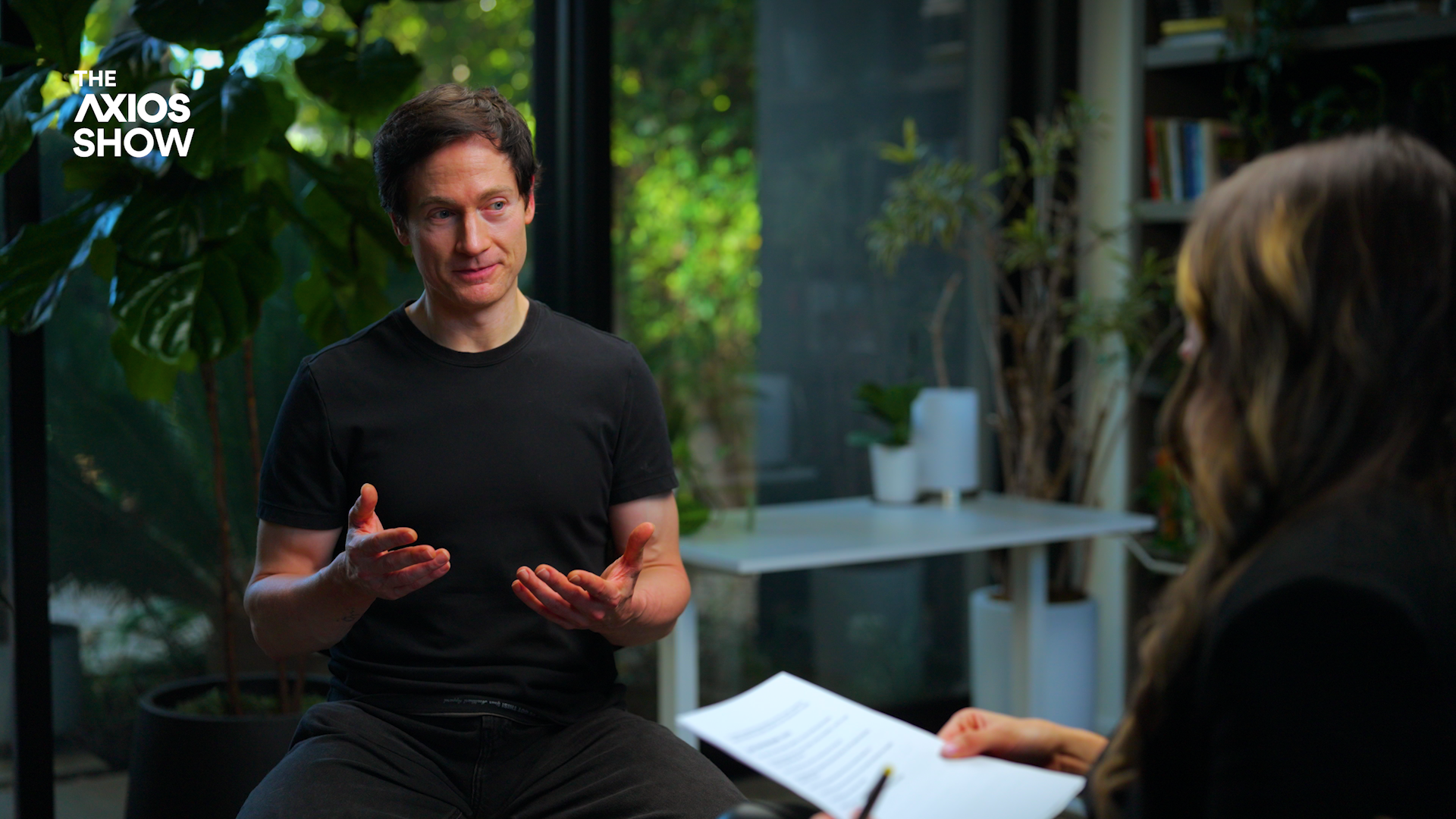
Tech entrepreneur turned wellness influencer Bryan Johnson wants to be remembered as a longevity pioneer, telling "The Axios Show" that he wants people to embrace the idea that they may never experience death.
Why it matters: Johnson and his online brand Blueprint have become the personification of a controversial wellness culture that believes aging can be a solvable problem, if you measure the body's physiological functions enough.
- The question is whether all the data collection aided by AI can really slow aging, or whether it's biohacking with a fancy dashboard.
What they're saying: "We are at this inflection moment as a species where we are transitioning to don't die. And that means we have a different value system," Johnson, who's 49, tells Axios.
- "What creates status and power and prestige is going to be different. And as crazy as it sounds, it may be your nighttime erections. It may be your fertility strength. It may be your ability to dunk a basketball at age 49."
Zoom in: Johnson made his fortune with Braintree, a payment technology firm that he later sold to PayPal. Since then, he's been at the vanguard of a longevity boom driven by billionaire tech entrepreneurs seeking to extend their lives and, in some cases, share their experiences on social media.
- Johnson's "Don't Die" mantra is built around protocols he's subjected himself to, including regular blood testing, whole-body MRIs, and sleep, exercise and nutrition hacks.
- Long term, he's outlined a vision in which advanced diagnostic tools and next-generation therapies can make chronic illness curable, not just something to manage.
- He likens the evolution of Blueprint to Amazon, scaling up offerings from nutrition products to high-end concierge care and technology he says allows people to measure the effectiveness of GLP-1s and peptides.
- Its rise has coincided with a DIY health movement, in which patients frustrated with the medical system are seeking to self-manage more of their care — sometimes with heavily touted but loosely regulated products that haven't been shown to work.
Yes, but: There is no proven medical intervention that extends human life. One early-stage clinical trial is exploring whether a gene therapy can safely "reprogram" human cells, a requirement for any anti-aging claim.
- Johnson's health-support claims are largely built on personal results and haven't been validated by trials.
- He's also drawn criticism in medical circles for questionable practices like using donor plasma from his young son as an anti-aging treatment, a practice that's drawn warnings from the FDA for having no clinical benefit and carrying risks.
Zoom out: Combining exercise and adequate sleep with experimental treatments and stacks of supplements can make it difficult to separate the substance from the hype.
- Johnson concedes he's a performance artist. And with 8 million social media followers and a flair for self-promotion, he isn't without his detractors.
- Diagnosed with hypothyroidism at age 21, Johnson tells Axios he's trying to "carbon date" his autoimmune conditions to shut down critics who question whether his health interventions have caused him harm. Many critics "really want me to die," he adds.
He brushes off suggestions that instead of focusing on himself, he could fund clinical trials that would benefit humanity. Those kinds of trial findings would be "insignificant in the grand scheme of things," he says.
- "What I care about is, will the 25th century give me a head nod, be like, 'Thank you.' ... That's the goal. Can you change the species to think about themselves differently enough?"
Asked what advice he'd give President Trump, Johnson says he'd welcome the chance to take care of his health.
- "Surely he's got the best possible care," Johnson says. "But you know what? Doctors miss things all the time. Biden had many things that are missing. And so my experience has been when I jump into a situation, I can usually find several areas of improvement instantaneously just because we're so non-standard in what we do."
2. Drug lobby sues to stop Medicare experiment
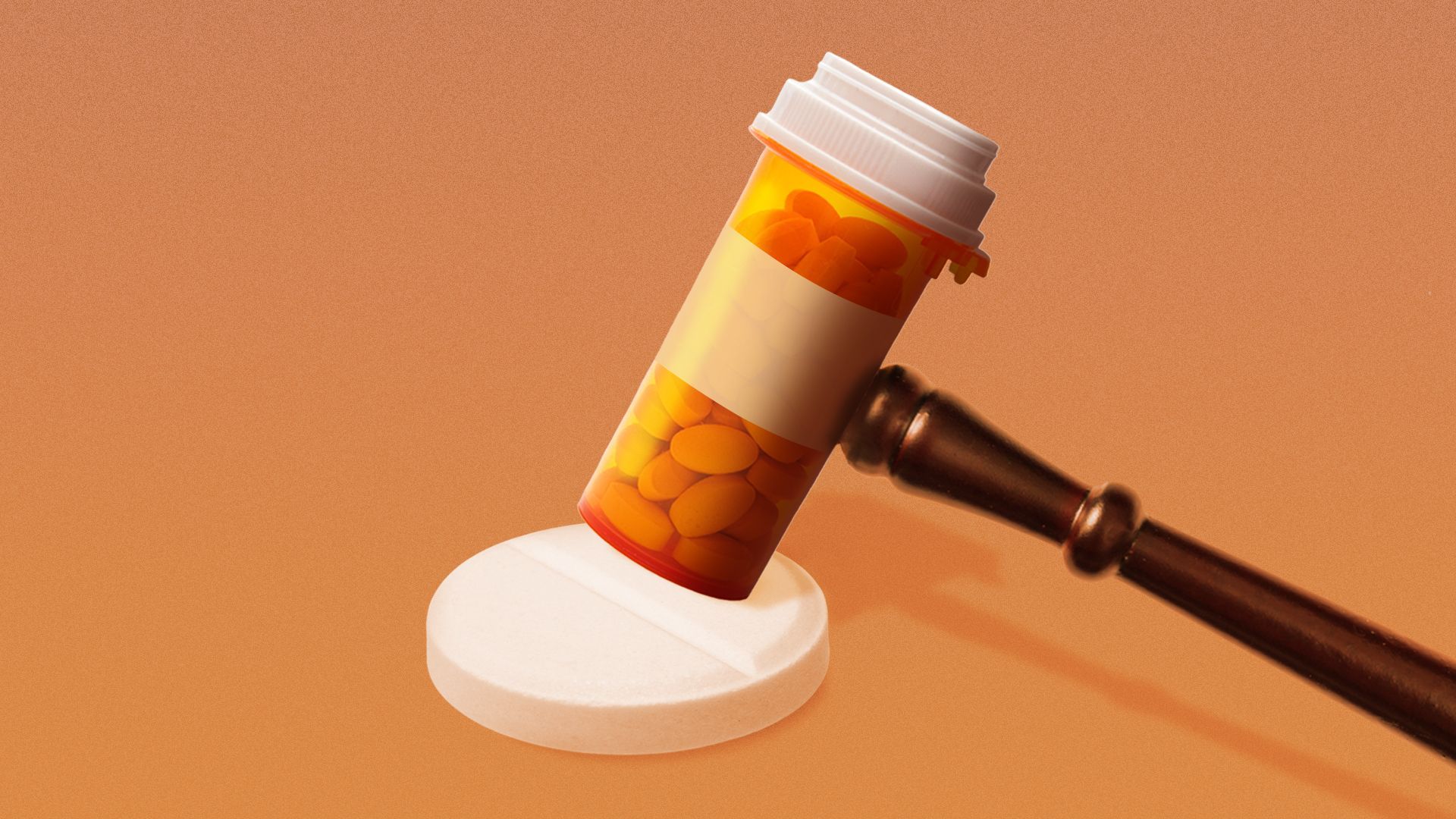
The drug industry trade group PhRMA filed a lawsuit yesterday to halt a Trump administration program aimed at forcing manufacturers to offer Medicare the lowest prices in the world for certain medicines.
Why it matters: The case could decide whether Medicare administrators can alter laws governing the program and influence future efforts to set drug price controls.
Driving the news: PhRMA said the administration overstepped its authority when it recently finalized plans to peg what the government pays for some physician-administered drugs to prices in 19 other developed countries.
- Instead of testing a new pricing model, PhRMA said the effort predetermined the outcome by requiring companies to give rebates to the federal government if they charge more than an international benchmark.
- "CMS cannot rewrite the law and bypass Congress to impose foreign price controls," said PhRMA CEO Stephen Ubl.
Between the lines: The legal challenge was widely expected and came after CMS dramatically downsized the pilot program, called the Global Benchmark for Efficient Drug Pricing Model.
- Analysts predicted the scaled-back effort would affect only a handful of companies.
The stakes remain high because a ruling in favor of the industry could limit other drug price experiments, including one for Part D prescription drugs.
3. Biohub partners up in bid to map cells

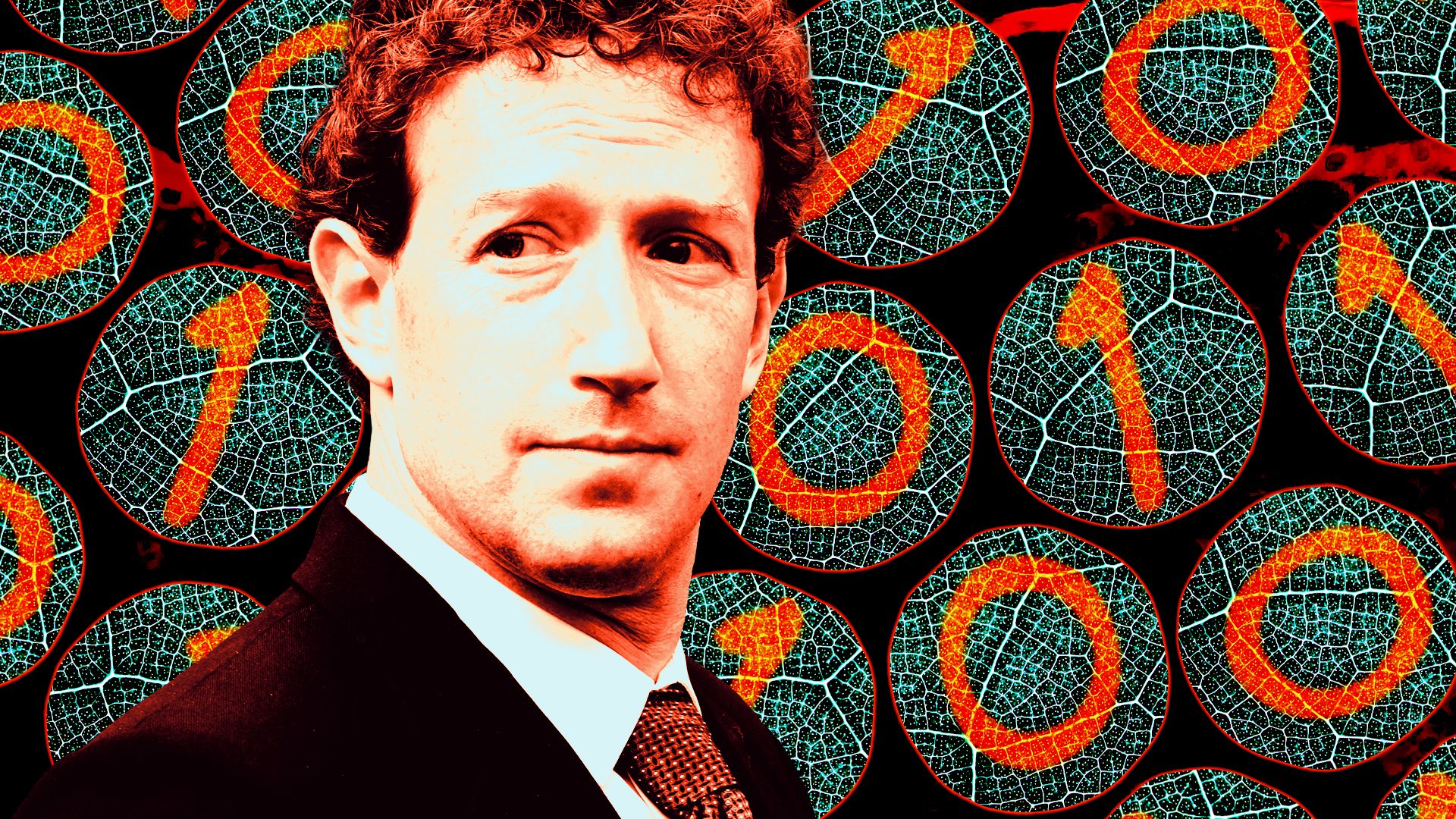
Mark Zuckerberg's Biohub is partnering with Google and the federal government in its ambitious effort to use AI for generating vast quantities of biological data that can predict how cells behave.
Why it matters: They hope to create an AI model that lets scientists test potential experiments virtually, helping them identify the most promising ones before spending the time and money to perform them in the lab.
- AI is capable of understanding proteins and other pieces of biology, but modeling an entire living cell is orders of magnitude more complex — and researchers don't yet have enough of the right data to do it.
Driving the news: Biohub, the Department of Energy, NIH, Google DeepMind, Isomorphic Labs, Meta and a collection of scientific organizations are collaborating to create and standardize data for what Biohub calls a "universal virtual cell."
The big picture: The goal is to use AI to explore many more scientific questions in biology virtually, allowing scientists to reserve expensive lab work for experiments most likely to teach them something important.
- "If we can put more and more reasoning and intelligence into every single question that we actually ask in the lab, the value of those empirical results will be far greater," Biohub head of science Alex Rives told Axios.
Much of AI's recent progress has come from combining better algorithms, more computing power and enormous amounts of data.
- Biology presents an additional challenge: Much of the information AI needs doesn't exist yet and has to be painstakingly measured from the physical world.
Yes, but: Biology is harder than many other AI domains because researchers need what Rives calls "empirical AI" — models that learn from biological evidence and can accurately predict what happens in the physical world.
- Such models could eventually help scientists investigate fundamental questions such as how aging and regeneration work — or medical questions such as which molecular mechanisms are responsible for Alzheimer's disease.
How it works: The first phase will create a broad map of cellular biology, gathering different kinds of information about cells and how they respond to changes.
- Further out, Rives envisions models that could examine an individual's disease and predict its molecular causes and the best way to intervene.
The intrigue: The commercial partners will have one year of exclusive access to the data they develop before it is shared publicly.
- Rives said the temporary advantage is intended to give companies a reason to contribute money while still ensuring the resulting data becomes an open scientific resource.
- "We have to have some incentive for commercial players to be a part of this, and the embargo period creates that," Rives said. "But it's a one-year embargo. So what that means is that very rapidly, data becomes available broadly to scientific efforts."
Zoom in: The effort involves $1.8 billion in funding, data, computing and measurement technology.
- DOE plans to invest more than $500 million over five years in biological measurement, modeling and computing, while NIH is bringing datasets and other resources resulting from more than $500 million in previous federal investment.
- Google DeepMind, Isomorphic Labs and Meta are collectively investing another $300 million, while Biohub previously committed $500 million to the effort.
4. Biopharma dealmaking hits the brakes

Biopharma dealmaking slowed over the course of the third quarter amid economic turmoil and some disappointing clinical trial results, Katherine Davis wrote first on Pro.
The big picture: More biotechs have gone public this year than last, but fewer tested public markets in September, and there are signs the sluggish pace will continue for the rest of this year.
- M&A activity softened in the quarter, with about $39 billion spent across 15 deals — down from $78 billion across 27 transactions in Q2.
What they're saying: "Higher rates, weaker breadth, and a difficult stretch of clinical readouts made September a tougher month for biotech," Raymond James analysts wrote in a note.
Context: Evommune discontinued development of an experimental skin disease drug in September, following poor midstage trial results.
- This month, ArriVent BioPharma's targeted cancer therapy missed its primary endpoint in a Phase 3 lung cancer study, sinking its stock by as much as 57%.
- And Foghorn Therapeutics scrapped development of a cancer program with Eli Lilly and cut its headcount by 40% after disappointing early-stage trial data.
What we're watching: The pace of M&A and licensing transactions, as well as IPOs, will be under scrutiny ahead of the Jefferies and JPMorgan health care conferences — two major dealmaking events this winter.
If you need smart, quick intel on health tech dealmaking for your job, get Axios Pro.
Thanks for reading Axios Future of Health Care, and to editor Kate Marino and copy editor Matt Piper. Please ask your friends and colleagues to sign up.
Sign up for Axios Future of Health Care