Axios Future of Energy
September 23, 2025

๐ฅ Good morning from New York, where your Future of Energy team is all over Climate Week. We've got 1,386 words, 5 minutes for you today.
๐ฅ Check out today's upcoming livestreams from our Axios House events, and here's a replay of yesterday's newsy, breezy sessions.
๐ธ This week in 1977, Steely Dan released the album "Aja," which provides today's perfect intro tune...
1 big thing: How AI is helping Al Gore warm up to nuclear power
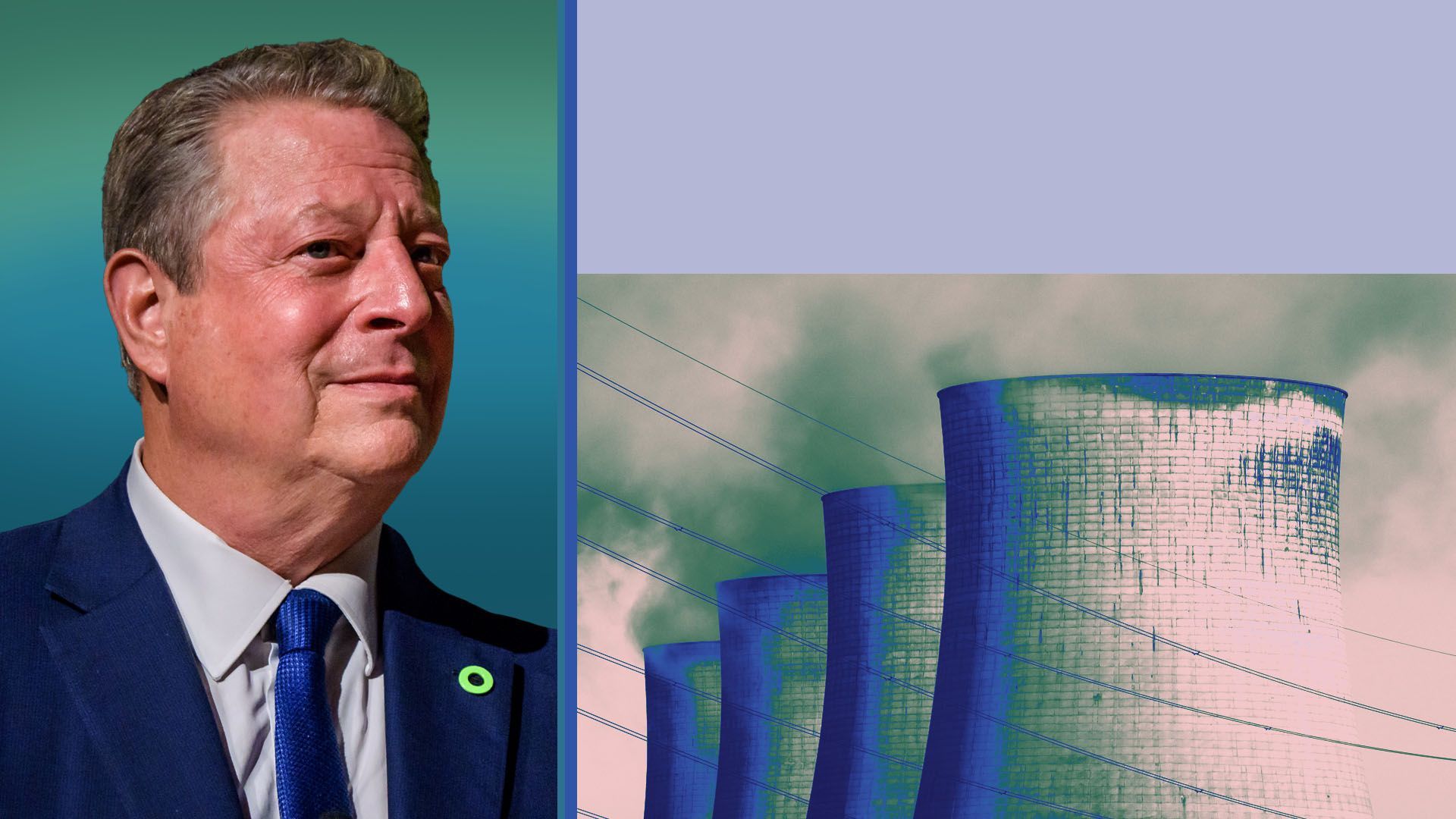
Al Gore says AI's surging electricity demand merits giving nuclear power a fresh look โ even with what he thinks is a persistently hefty price tag.
Why it matters: The former VP and famous environmentalist's perspective on nuclear has evolved.
- It encapsulates the tricky position nuclear occupies in our broader energy and climate debate.
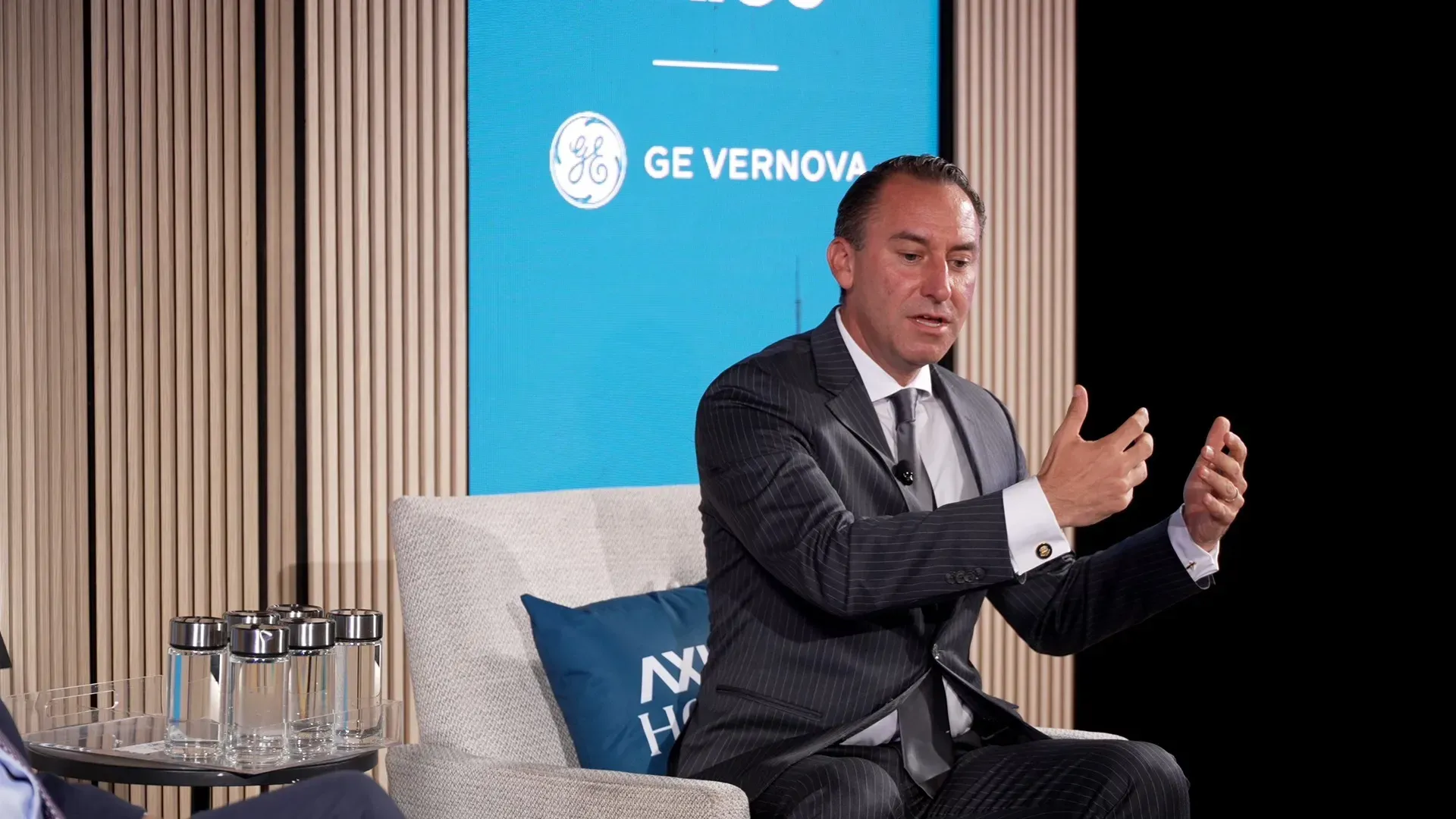
State of play: "The surge in demand for electricity is causing some reanalysis of what role nuclear might play when you have large, wealthy, consumer-facing businesses that need enormous amounts of new power," Gore said in an exclusive interview with Axios.
- "For a variety of reasons, it has priced itself out of the market as the market used to exist. Now the market is different," Gore said, implying that hyperscalers building data centers would be able to stomach higher prices.
The big picture: Nuclear power, one of the world's biggest sources of steady, zero-emitting electricity, has been largely stagnant over the last few decades.
- This has been driven, at least partly, by a few isolated โ but high-profile โ accidents that prompted long regulatory reviews that then hiked prices.
- Rising power thirst is fueling talk of a U.S. nuclear resurgence. So is strong Trump administration backing.
- Jarrod Agen, a senior White House official, extolled nuclear's benefits at an Axios event yesterday at Climate Week in New York.
Yes, but: Gore said the resurgence might not come from small modular reactors (SMRs) due to their price tag.
- "Some of the most responsible policy analysts that I respect are now shifting back away from SMRs as maybe a technological dead end again," Gore said.
Catch up quick: A handful of new SMR technologies are under development โ including in the U.S. โ but they remain the exception to trends around the world where larger reactors are being built, especially in China.
Flashback: In 2000, as vice president, Gore said he didn't support an increased reliance on nuclear power, according to an article by the Nuclear Information and Resource Service, an anti-nuclear nonprofit.
- He cited nuclear's high costs as the reason why he predicted in 2012 it would play a "limited role" in our future energy mix.
My thought bubble: I don't reference these articles to criticize his changing position, but to show how much has changed in our world such that it compels even people at Gore's level to rethink their positions.
The bottom line: Gore's bullish-with-a-caveat position shows the potential resurgence of nuclear power. But past precedent suggests plenty of hurdles lie ahead.
2. ๐ง Bonus: Gore on what's hype and what's real
The former VP offered Axios a Smart Brevity verdict on emerging climate tech areas.
Why it matters: Gore closely watches what works in climate, and he's an OG in sustainable finance, co-founding Generation Investment Management in 2004.
Take it away...
โ๏ธ Fusion: "Properly hyped, but probably still farther out than the new optimists would want us to think," he said in a recent interview.
๐ฉ Green hydrogen: "I was overly optimistic about green hydrogen, at least in the near-term and maybe medium-term."
- The "bubble has burst" and cost declines are slower than hoped, Gore said.
- But some heavy industry uses remain quite promising, like low-emissions steel production, he said (Generation invests in the green steel firm Stegra).
๐ชค Direct air capture: "Very overhyped."
- "There may be something out of the biology revolution that adds some as-yet unknown potential ... I don't expect it, I don't think it's a safe bet."
โจ๏ธ Deep geothermal: "Properly hyped," but "the time frame for commercial application is still uncertain."
3. ๐ In focus at Climate Week: the rocky push for COP reform

One Climate Week theme is how to make the annual UN climate summits more fit for purpose, 10 years after the Paris Agreement.
Why it matters: Calls for COP reform are growing โ even if they aren't new โ amid barriers to tangible implementation of non-binding pledges and targets.
- COPs' effectiveness โ or lack thereof โ has bankshot effects on low-carbon energy investments, fossil fuel demand, and beyond.
Driving the news: Simon Stiell, the top UN climate official, announced yesterday that he's soliciting input from "senior experts" on process changes.
The big picture: Reform means many things to many people, but common gripes with COPs include...
- A consensus process that gives every nation veto power;
- too much industry lobbyist access;
- the presidency selection (big fossil producers are hosting lately); and lots more.
Friction point: There's tension between adding muscle and keeping buy-in.
- "The minute you start talking about increasing the number of teeth, or adding teeth to the agreement, then you start losing countries, right?" said Giza Gaspar-Martins, who formerly led the Least Developed Countries group, a formal negotiating bloc at UN summits.
- He spoke at a Center for Energy and Climate Solutions event on COP reform yesterday.
What we're watching: Formal and ad hoc reform pushes.
- Stiell said he expects to receive "ideas and feedback" later this year.
4. ๐ข๏ธ White House eyes oil deals at Climate Week and UN meeting

Trump administration officials hope to ink oil and gas deals with other governments during Climate Week and the UN General Assembly, a top White House official told an Axios event yesterday.
Why it matters: Jarrod Agen, executive director of the White House National Energy Dominance Council, pitched U.S. energy as a diplomatic tool.
- "It's Europe, it's Asia. They are looking for U.S. energy. They want to get off of Russian energy sources, and we have such a supply," he said.
State of play: Agen pointed to summer's U.S.-EU trade deal, which included a European pledge to buy $750 billion worth of U.S. energy over three years.
The intrigue: Using climate gatherings to ink oil and gas deals is a controversial โ but not unprecedented โ move.
5. ๐ ๏ธ COP30 leaders look beyond pledges with new platform

Brazil's COP30 bosses just launched an effort to showcase "concrete solutions" that shine "a spotlight on efforts already driving change."
Why it matters: They see the new Granary of Solutions platform as a lasting, breathing, continuously updated tool that helps replicate useful on-the-ground work.
- "To implement what has been studied and worked over time tends to be more feasible, easier, and quicker to scale than coming up with new things," Brazilian businessman Dan Ioschpe, COP30's "high-level champion," told Axios.
State of play: The granary is sourcing from hundreds of initiatives โ spanning energy, farming, oceans and more โ launched since the 2015 Paris Agreement.
- It features case studies and other tools.
The bottom line: The next wave of nations' non-binding emissions pledges will get tons of ink.
- But the new platform is part of the increasing effort to have these annual climate summits get more specific in driving practical, tangible work.
6. ๐ Catch up quick: Microsoft, Exxon, offshore wind

๐๏ธ Microsoft has invested in low-carbon cement startup Fortera and also agreed to buy the company's cement from a future plant.
- Why it matters: It's part of a larger trend of hyperscalers looking to reduce data centers' carbon footprint as emissions from AI rise. Go deeper via Axios Pro Deals.
๐ข๏ธ Exxon announced fresh expansion of giant oilfields off Guyana's coast, this time via a $6.8 billion project to boost output by another 150,000 barrels per day (bpd) around 2029.
- Why it matters: Guyana, where Exxon is already pumping roughly 650k bpd and rising fast, is a pillar of its strategy โ and among the most important discoveries in decades.
๐ Troubled renewables heavyweight รrsted's stock is up this morning following a federal judge's order yesterday that its wind project off Rhode Island's coast can resume construction.
7. ๐ One data thing: the drop in per capita CO2 emissions

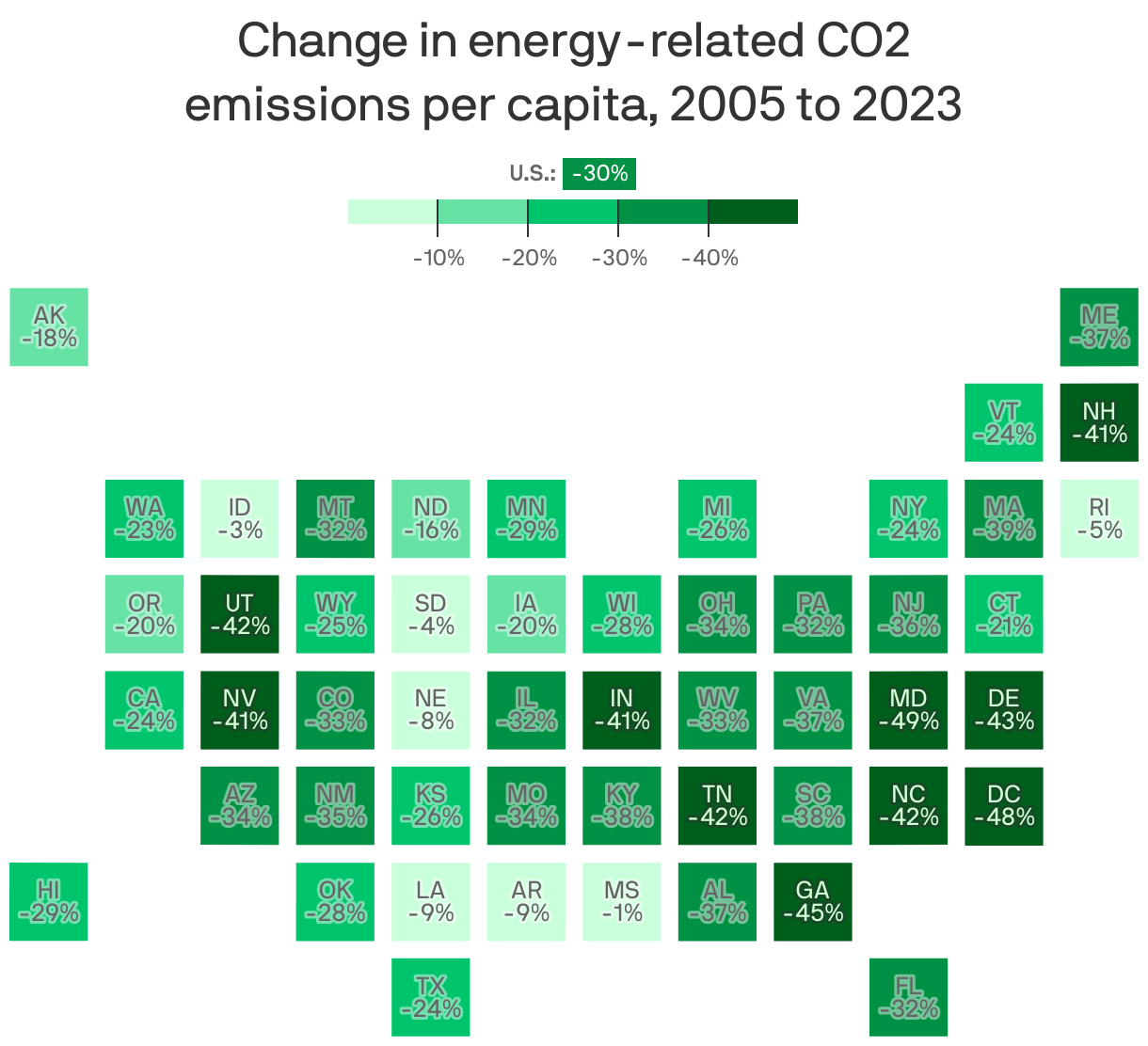
Energy-related CO2 emissions per capita fell in every U.S. state from 2005 to 2023, per federal data.
- That was largely because we burned less coal and more natural gas (which emits less CO2 comparatively), but wind and solar also played their part.
The big picture: Raw energy-related emissions fell 20% in this time frame, while the population grew by 14%, per Energy Information Administration figures.
What we're watching: How Trump 2.0's pro-coal, anti-wind-and-solar policies may change the trajectory as starting clean energy projects gets harder.
๐ช Did a friend send you this newsletter? Welcome, please sign up.
๐ Thanks to Chuck McCutcheon and Chris Speckhard for edits to today's edition, along with the brilliant Axios Visuals team.
Sign up for Axios Future of Energy