Axios Denver

June 15, 2026

🚒 Welcome back. It's Monday, and we're digging into wildfire season as Colorado braces for another steamy summer.
🌧️ Today's weather: Sunny with a high near 80.
Today's newsletter is 1,034 words — a 4-minute read.
1 big thing: 🚁 How Colorado fights wildfires
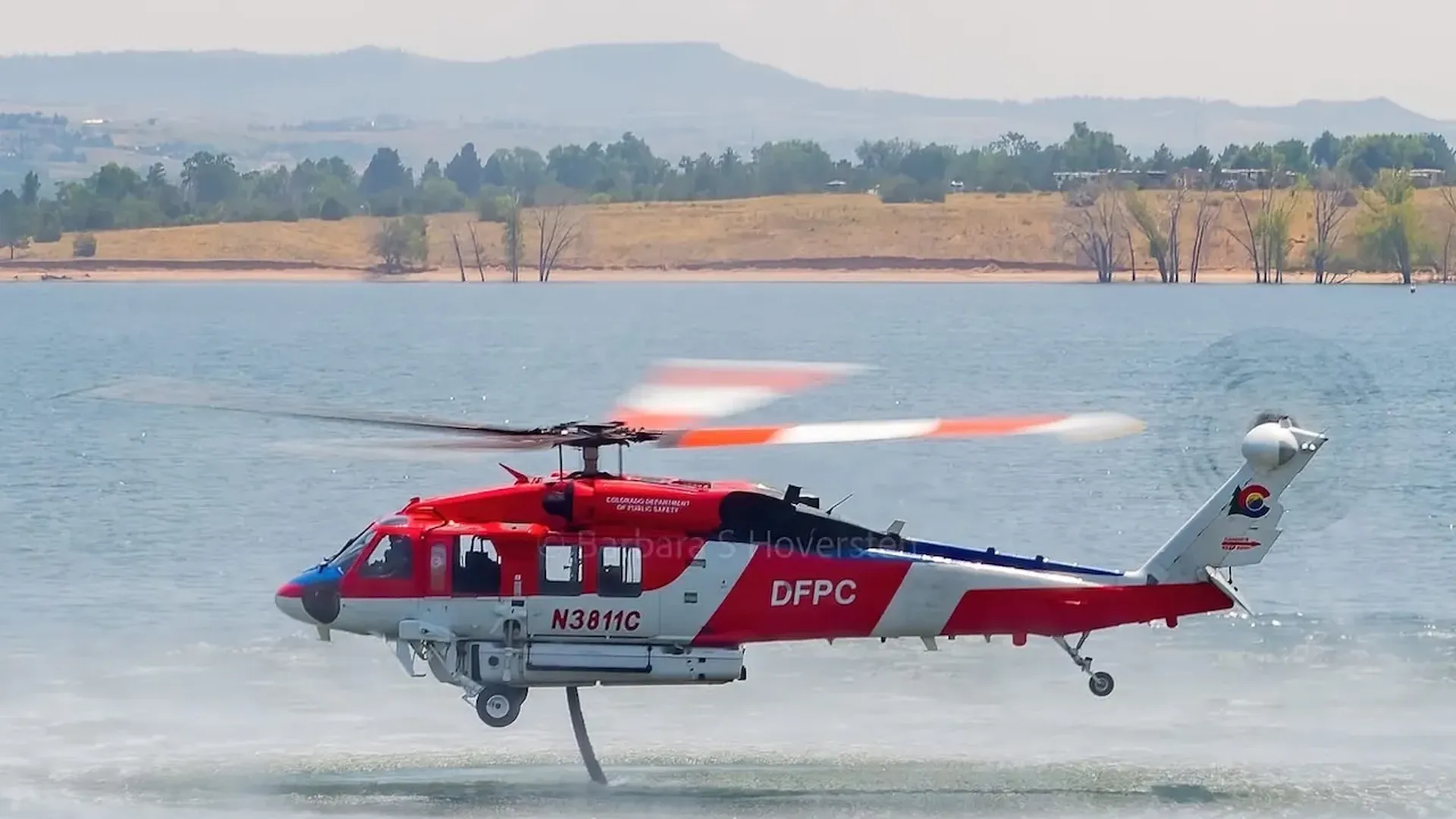
Colorado is entering what forecasters expect could be a severe wildfire season, but state officials say they're better prepared than ever to respond.
Why it matters: The state's firefighting fleet, including two new Firehawk helicopters, enables a more rapid response to suppress blazes before they get out of control.
State of play: Colorado's planes and helicopters flew about 1,400 hours in 830 missions last year, dumping millions of gallons of fire suppressant, the Division of Fire Prevention and Control reports.
- Those assets are expected to get even more action this year, as emergency management officials predict a "challenging" fire season.
What they're saying: "The ability to have and contract our own resources, our human resources in the state of Colorado, gives us some comfort level," Stan Hilkey, executive director of the Colorado Department of Public Safety, said at a recent briefing.
Here's a look at Colorado's firefighting assets:
Multi-Mission Aircraft (MMA)
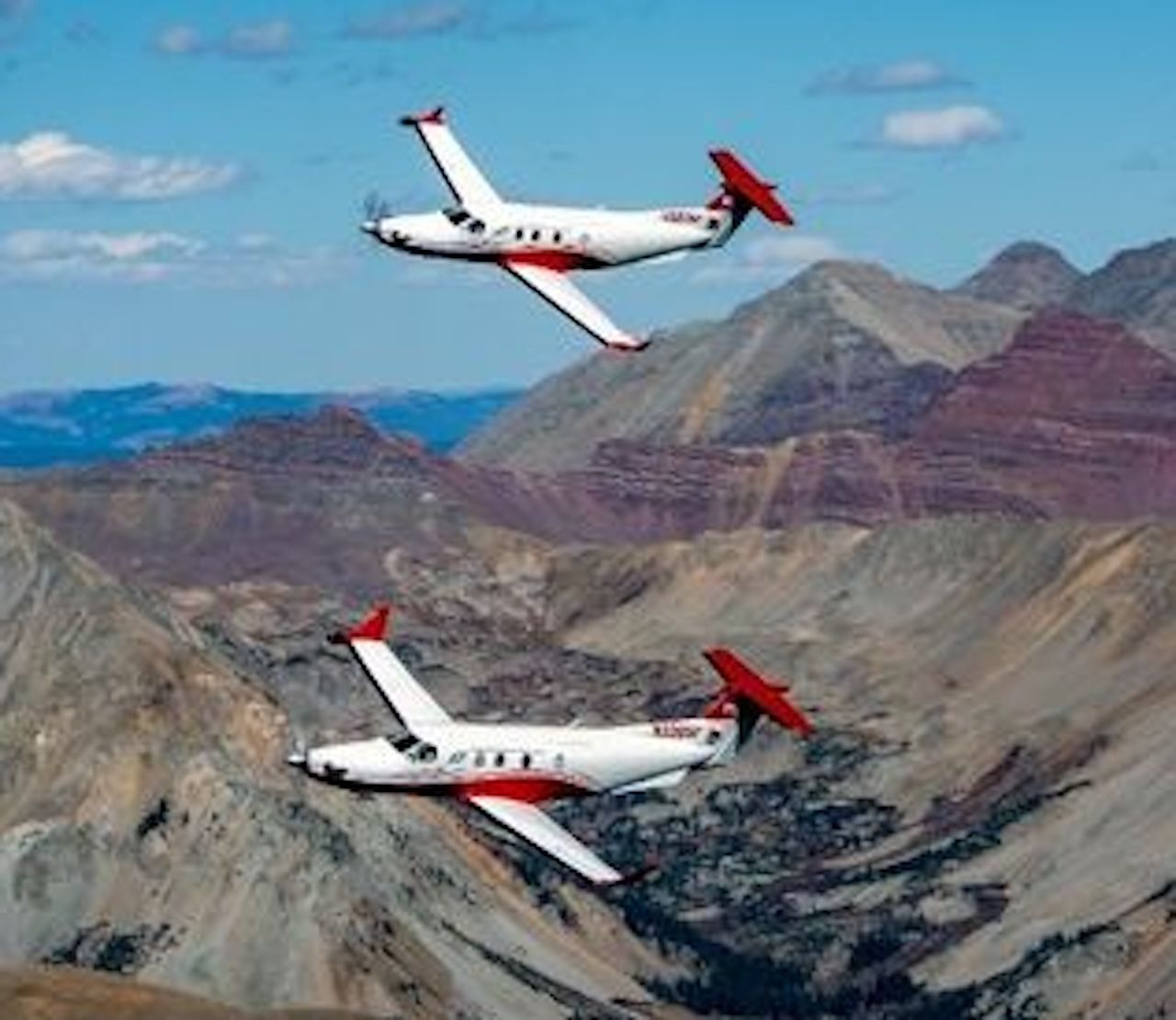
The state owns two Pilatus PC-12 planes operated by contractors based at Centennial Airport.
- The planes detect new fires and provide real-time intelligence and mapping for established fires.
- The planes can get almost anywhere in the state within 45 minutes of takeoff.
Large Air Tankers (LATs)
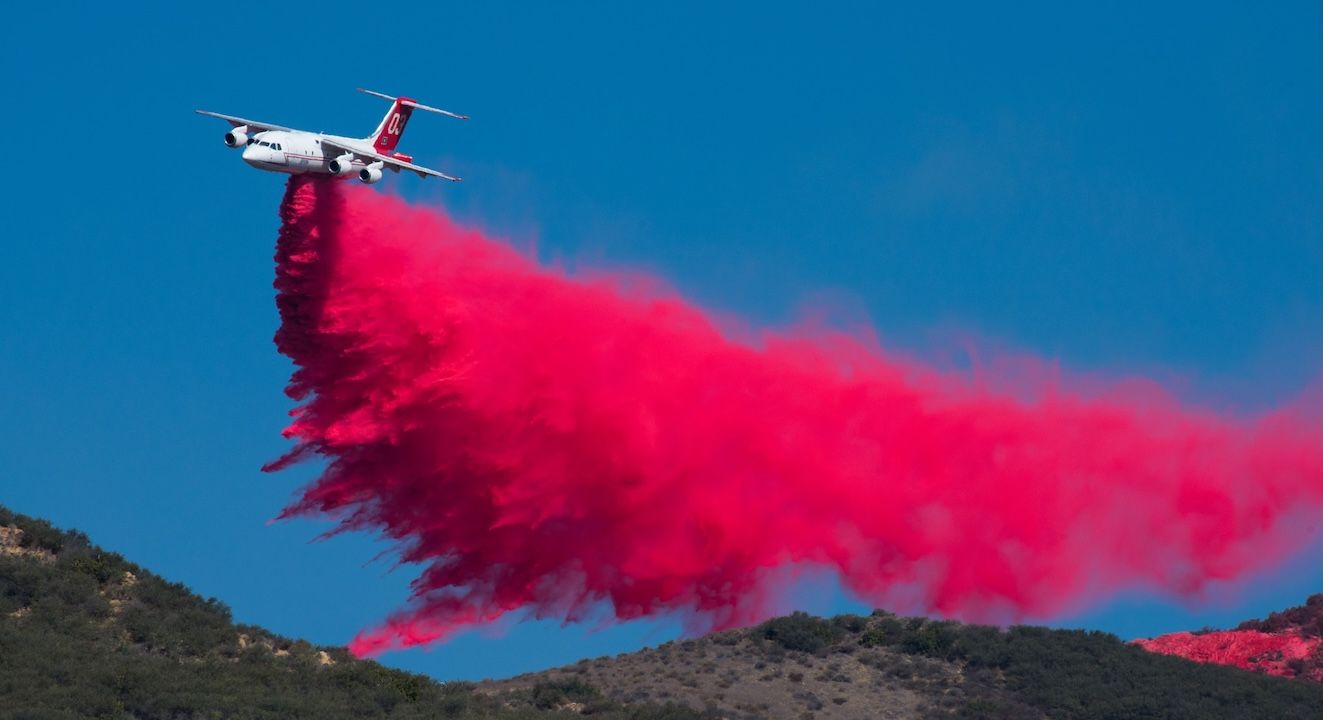
The state's fire division contracted for exclusive use of one large air tanker 120 days per year. It's based in Colorado Springs but moves as needed to address fire activity.
- The plane can drop up to 3,000 gallons of fire retardant.

2. Cuts could hamper forecasting
More cuts to federal science programs threaten weather forecasts crucial to predicting wildfire behavior.
Why it matters: Much of the West saw a dry winter, an early sign that fire risk could be elevated throughout the region this summer.
State of play: Researchers say the biggest wildfires emerge when long-term conditions like drought and dry vegetation overlap with short-term weather events, a combination that's already difficult to forecast.
- The Rocky Mountain region tends to see more burned acreage in summers following a La Niña fall, Cooperative Institute for Research in Environmental Sciences (CIRES) research scientist Mike Hobbins tells us.
- "That portends very poorly for this summer."
Between the lines: Much forecasting depends on federal labs like Boulder-based National Oceanic and Atmospheric Administration (NOAA) and CIRES, whose funding the Trump administration has already cut or threatened to cut.
- Researchers operate as an "ecosystem," CIRES associate director Jen Kay tells us. Losing tools like NCAR's supercomputing center would affect projects at multiple labs, she says.
What they're saying: "You check your phone [for the forecast], that came from a computer model that someone ran on a supercomputer … all of that infrastructure comes from the federal government," Kay says.
- "If you cut NOAA by 50%, you cut the quality of the forecast you get on your phone by 50%."
3. 🔥 Wildfire season shakeup
The West heads into wildfire season with record-dry conditions and a federal firefighting force that's undergoing an unprecedented reorganization.
Why it matters: A landscape ready to burn and the organizational shakeup have some elected officials questioning whether federal response systems are prepared.
Catch up quick: Most federal wildfire resources are now overseen by the Department of the Interior after President Trump signed an executive order last year to consolidate operations.
- Previously, firefighters from several agencies — the U.S. Forest Service (part of the Agriculture Department), the Bureau of Land Management and the Bureau of Indian Affairs among them — all responded independently to wildfires.
- The Forest Service reorganization is amplifying concerns.
What they're saying: "We share the questions and concerns raised by Coloradans regarding the timing of the proposed reorganization as we enter what is likely to be a severe fire season," the state's Democratic federal delegation wrote to the Interior secretary last week.
The other side: "This integration eliminates redundancies, streamlines training, strengthens recruitment, and enhances career growth for Interior wildland fire personnel," Interior spokesperson Elizabeth Peace told Axios in an email.
- "Hiring remains on track," she added, and the department expects roughly the same number of firefighters — around 5,700 — as last year.
4. Mile Highlights: Job hunt
🏫 Denver Public Schools superintendent Alex Marrero says he applied to lead Miami-Dade County Public Schools — one year after DPS extended his contract through 2028. He has led DPS since June 2021. (CBS News)
Broncos' outside linebacker Jonathon Cooper was arrested again last week and booked into the Douglas County jail on charges of domestic violence, harassment and violation of a protective order. (9News)
🌵 About 95% of Colorado is in drought, affecting about 5 million people, though forecasters say conditions could improve this month. (KDVR)
Invest in local journalism
Strong communities grow with clear, reliable local news at their roots.
Why it matters: Your support helps our newsroom continue covering the stories that shape how your community grows, from big developments to everyday changes.
🌱 Become a member today. You'll support the reporting that keeps you informed and helps our newsroom keep growing alongside your community.
We appreciate your support.
5. How AI spots wildfires before 911 calls

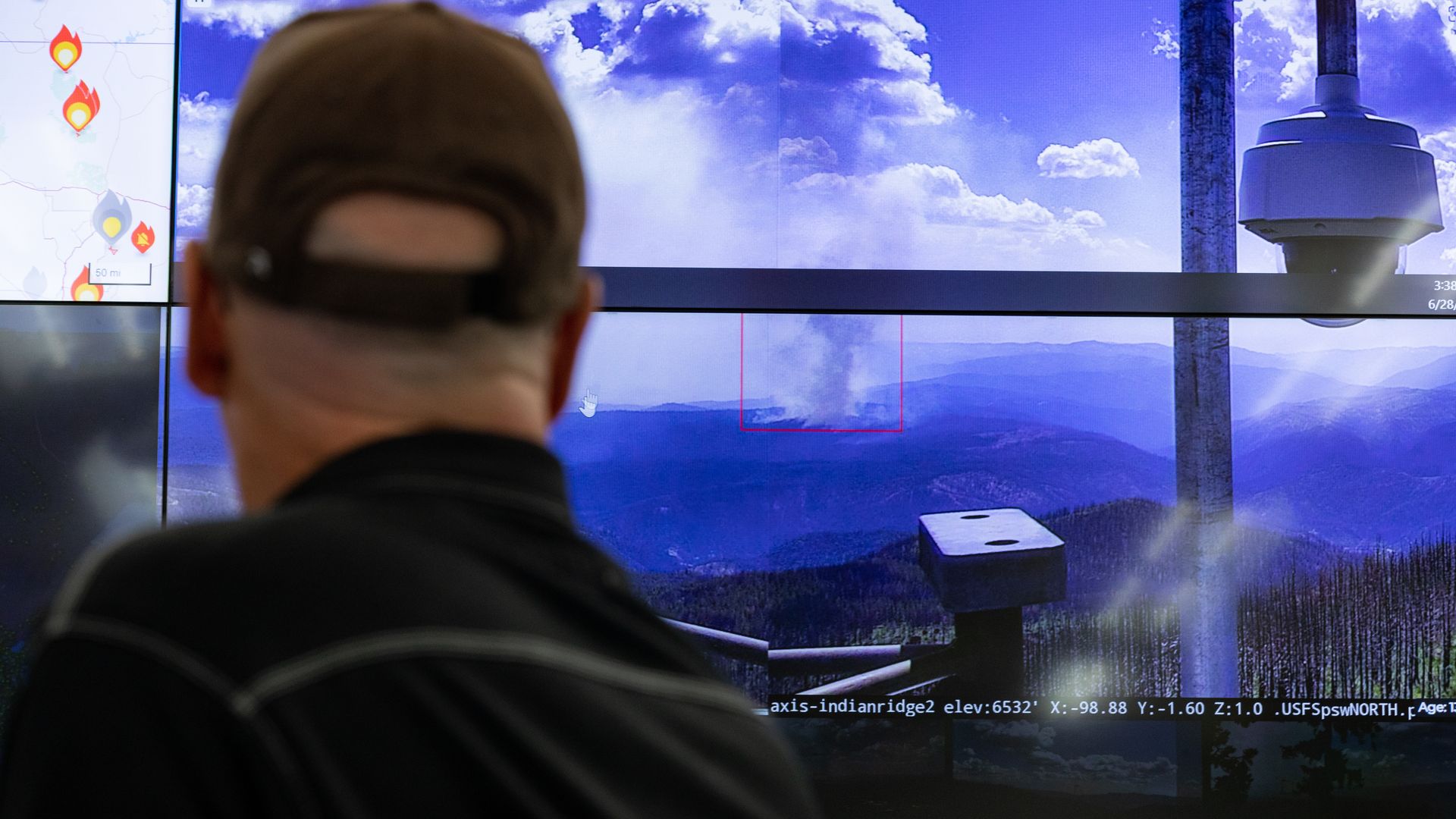
As wildfires become faster-moving and more destructive with climate change, agencies across the West are adopting AI-powered cameras, satellite systems, and other weather-prediction tools to help spot fires and deploy crews sooner.
Why it matters: The technology is designed to buy firefighters time — often the most valuable resource during a wildfire. Earlier warnings not only save lives, but help prevent fires from growing and causing millions of dollars in damage.
State of play: Millions of acres across the West are watched by networks of AI-equipped cameras, which scan for smoke and other anomalies — such as changes in light patterns — around the clock.
- Colorado is expected to expand its handful of cameras to more than 160 sites in 2026.
- The panoramic cameras are at the top of cell phone towers to survey large areas.
Meanwhile, NOAA recently debuted its AI-powered satellite imagery system, which can identify hot spots from space and track a fire's spread and intensity, even through clouds and smoke.
🪵 John bought a Howl R1 camp stove to avoid fire restrictions this summer.
😳 Esteban is marveling at the Colorado Rockies' historic 23-9 victory yesterday.
Thanks to our editor Gigi Sukin.
Sign up for Axios Denver