How Colorado fights wildfires: Planes, helicopters and crews

Add Axios as your preferred source to
see more of our stories on Google.
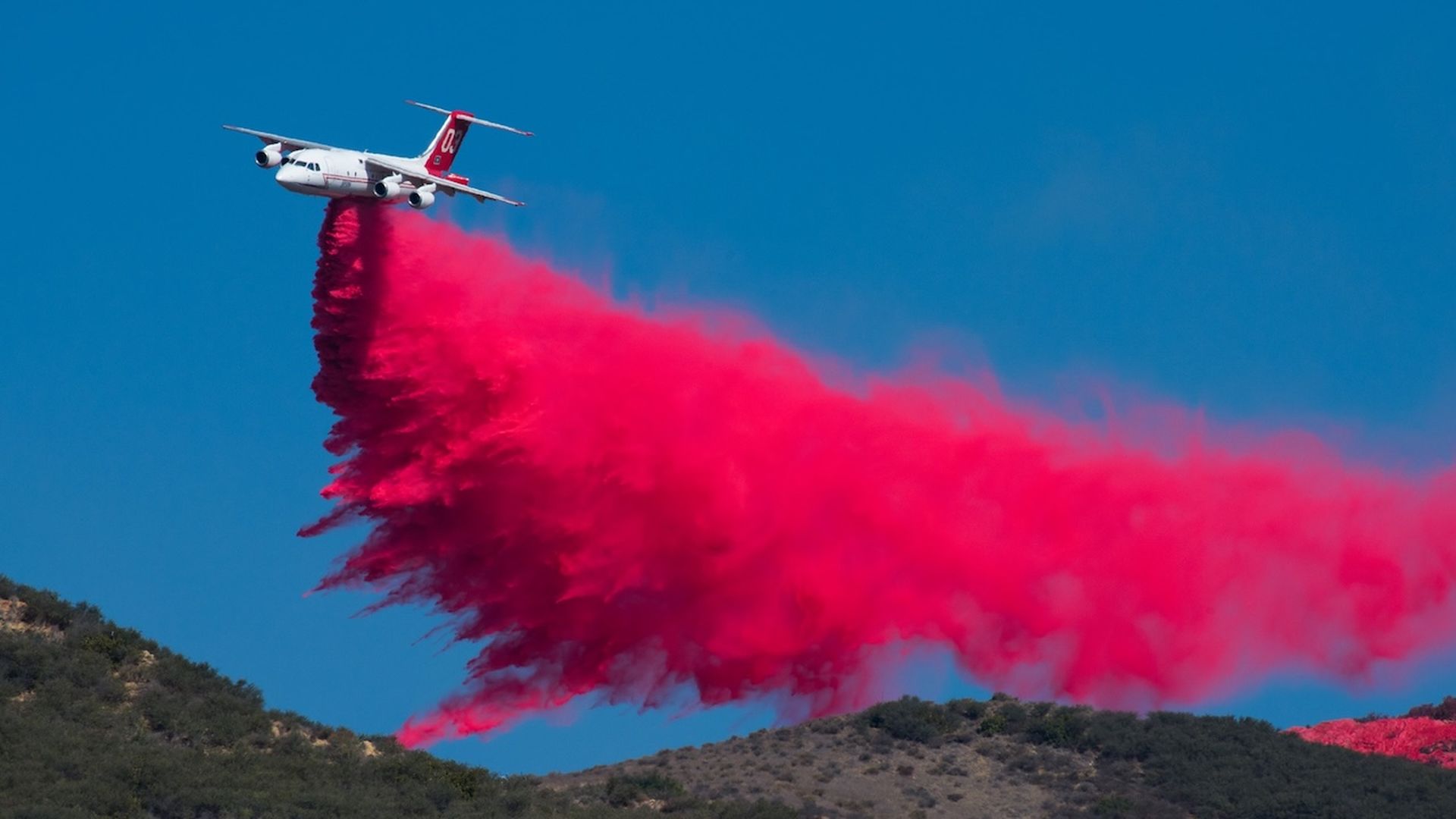
A large air tanker. Photo: Courtesy of the Colorado Division of Fire Prevention and Control
Colorado is entering what forecasters expect could be a severe wildfire season, but state officials say they are better prepared than ever to respond.
Why it matters: The state's investment in firefighting resources, including the recent addition of two Firehawk helicopters, enables a more rapid response to suppress blazes before they get out of control.
State of play: The state's planes and helicopters flew about 1,400 hours in 830 missions last year, dumping millions of gallons of fire suppressant, the Division of Fire Prevention and Control reports.
- Those assets are expected to get even more action this year, as emergency management officials predict a "challenging" fire season.
What they're saying: "The ability to have and contract our own resources, our human resources in the state of Colorado, gives us some comfort level," Stan Hilkey, executive director of the Colorado Department of Public Safety, said at a recent briefing.
Zoom in: Here's a peek at Colorado's firefighting assets.
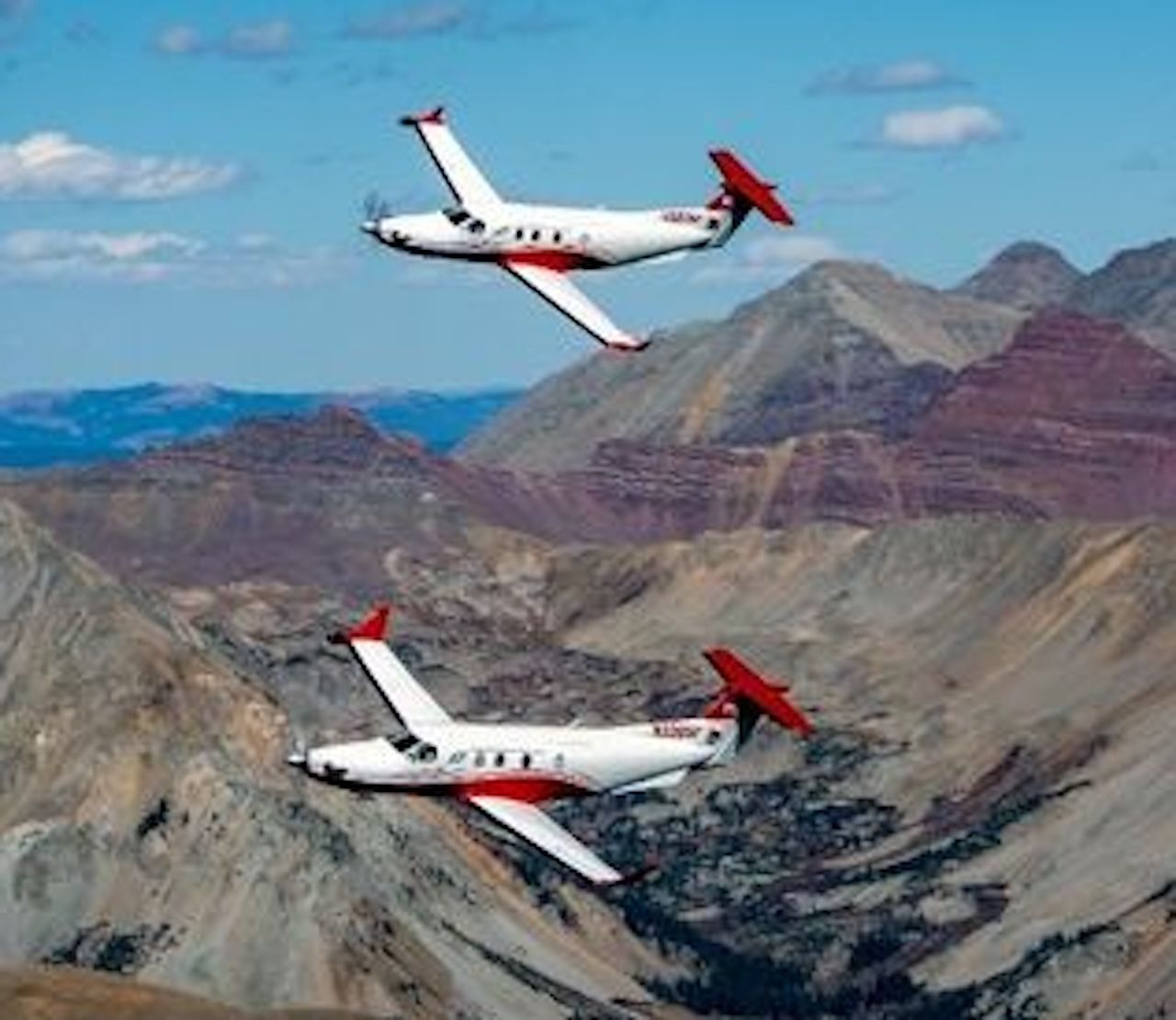
Multi-Mission Aircraft (MMA)
The state owns two Pilatus PC-12 planes operated by contractors based at Centennial Airport.
- The planes are used to detect new fires and provide real-time intelligence and mapping for established fires.
- By the numbers: The planes can get almost anywhere in the state within 45 minutes of takeoff.
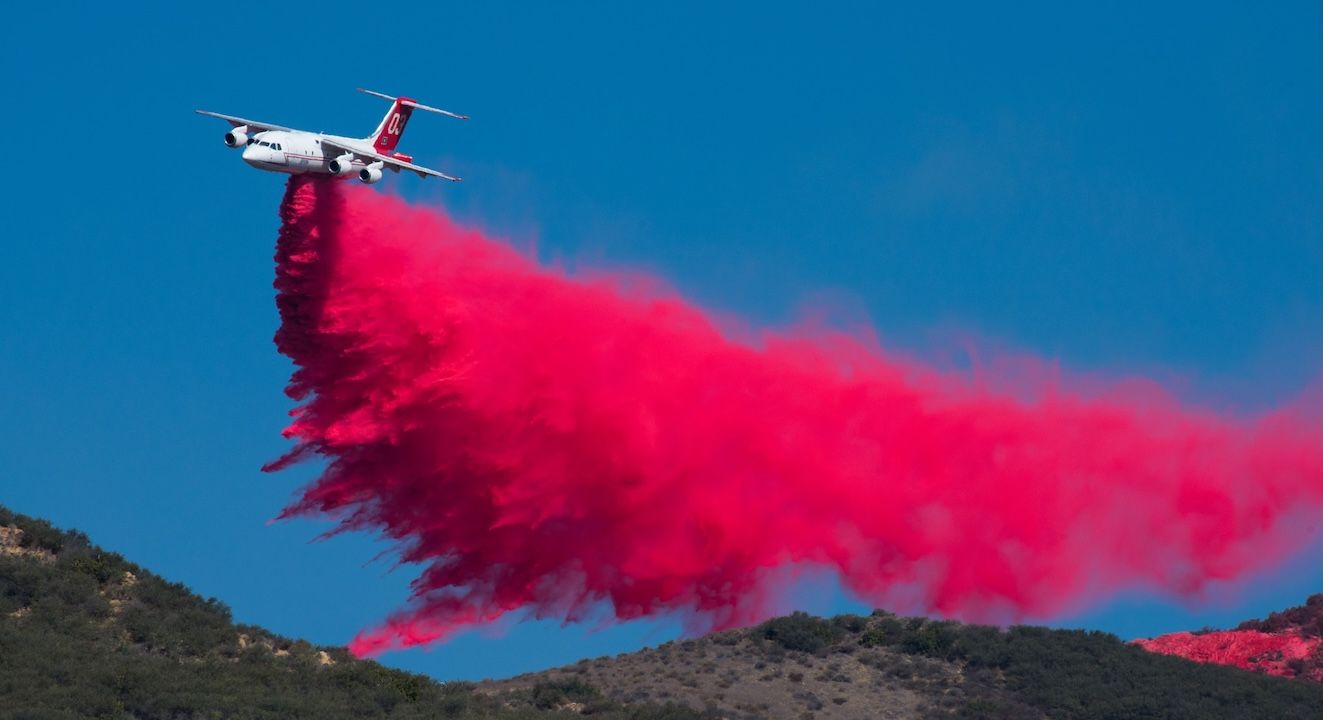
Large Air Tankers (LATs)
The state's fire division contracted for exclusive use of one large air tanker 120 days per year. It's based in Colorado Springs but moves as needed to address fire activity.
- By the numbers: The plane can drop up to 3,000 gallons of fire retardant.
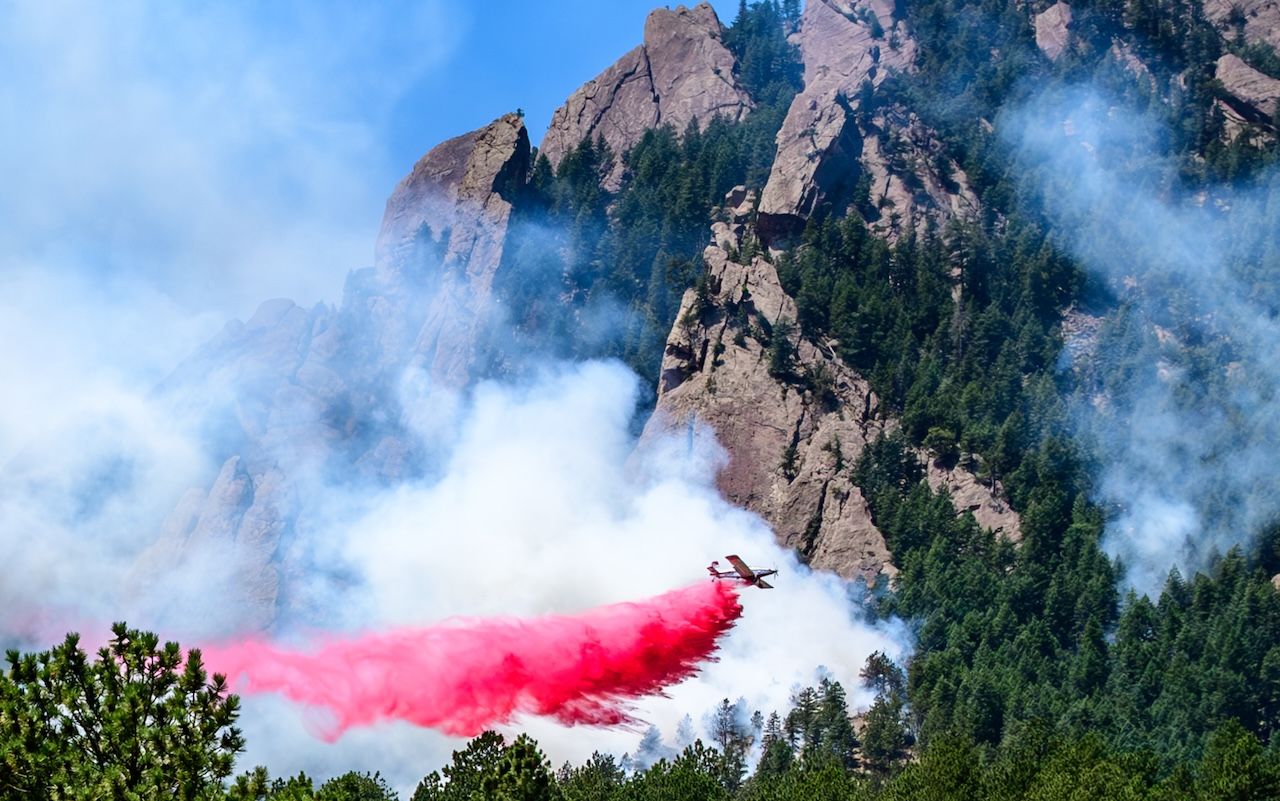
Single-engine Air Tankers (SEATs)
Two of these airplanes, based at the Northern Colorado Regional Airport, are contracted for exclusive use for 240 days each year.
- The fire division also holds contracts for additional planes and scooper aircraft as needed.
- By the numbers: One plane can deliver 800 gallons of fire retardant, suppressant or foam.
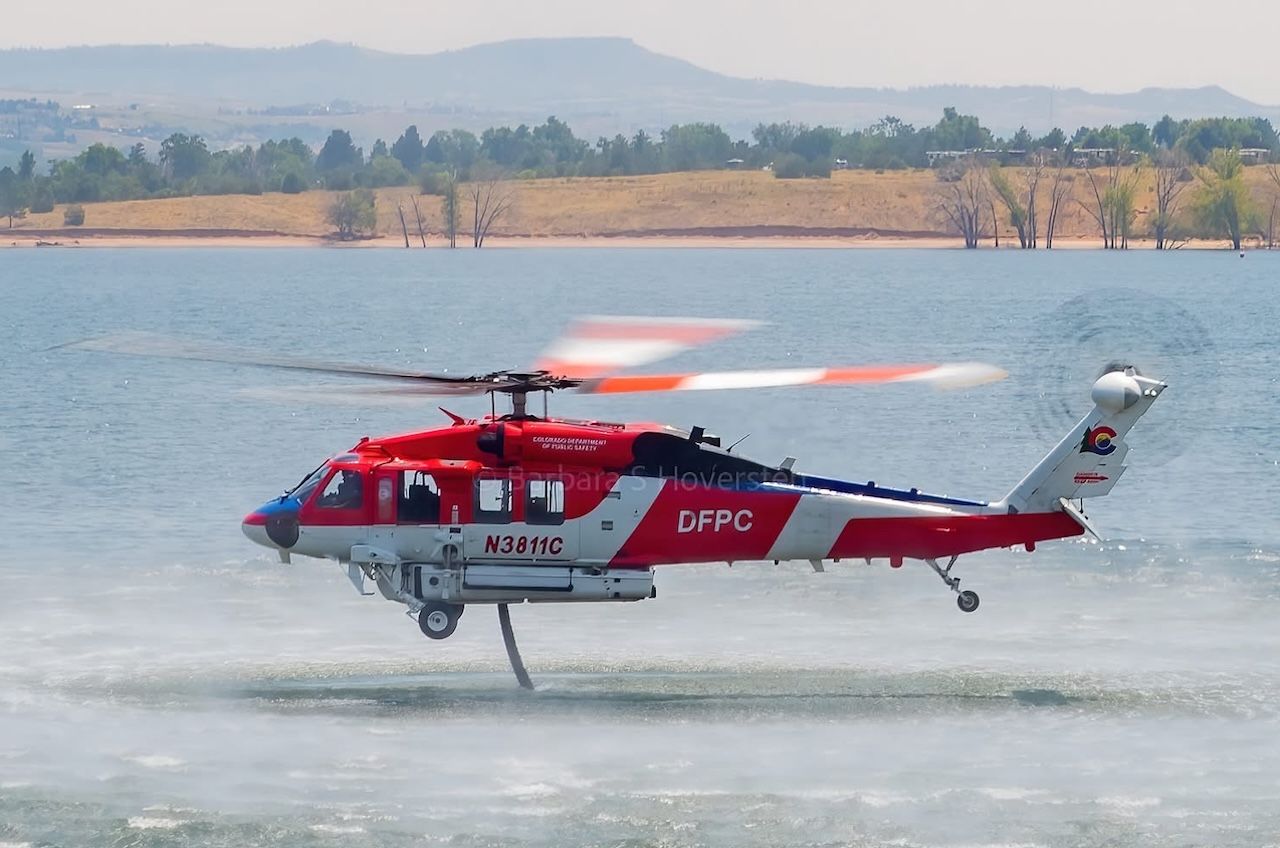
Type I Helicopter
Colorado owns two Type I Firehawk helicopters that work year-round to support local jurisdictions in fighting fires. They are located in Broomfield and Montrose.
- Both are staffed with state firefighters known as Helitack crews, and can deliver water, suppressants and supplies to wildfire areas.
- By the numbers: Each helicopter is equipped with a 1,000-gallon water tank.
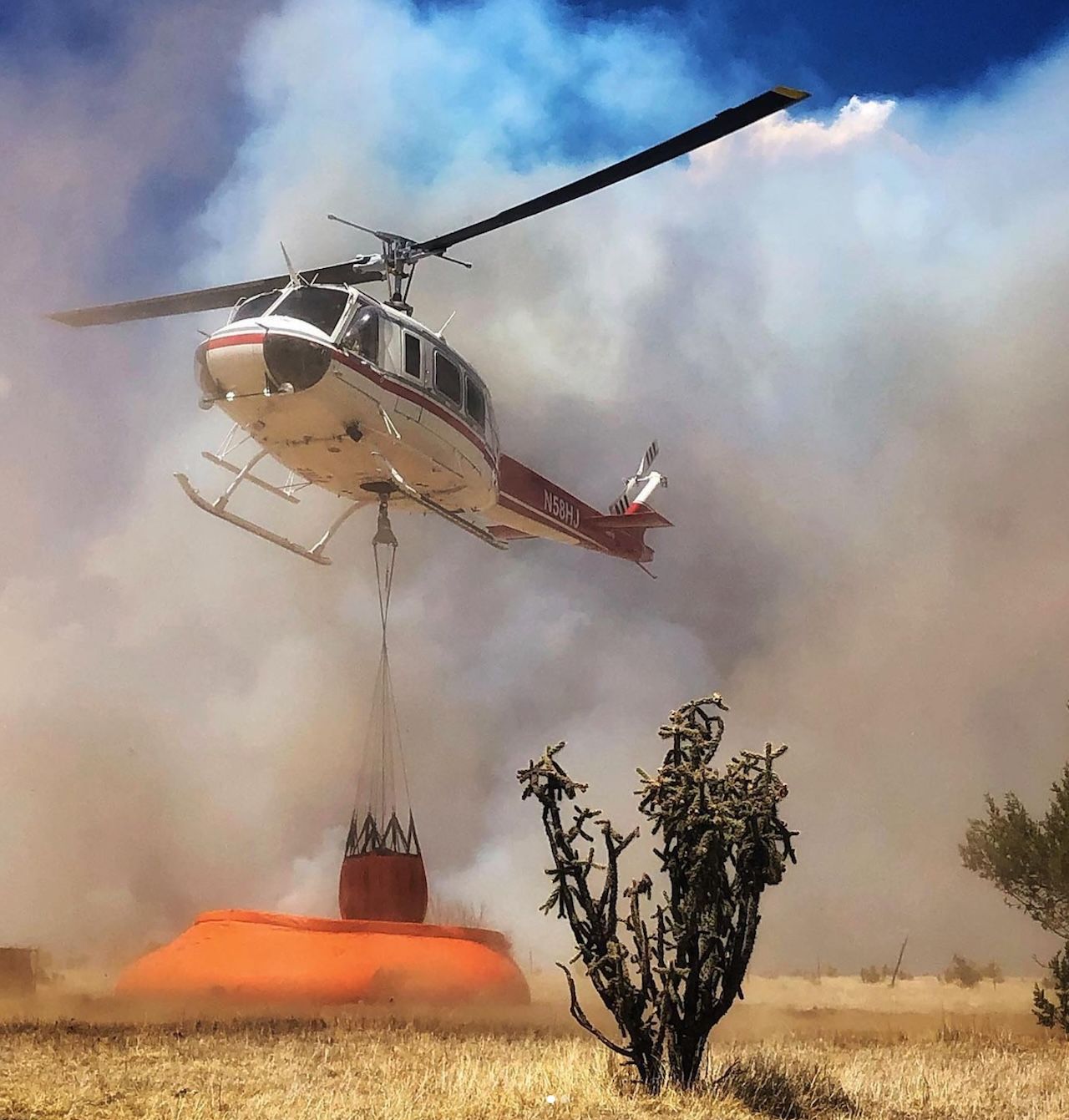
Type II Helicopters
The state's two helicopters, based in Cañon City and Broomfield, deliver water, suppressants, firefighters and supplies to support wildfire operations.
- They also assist with search-and-rescue missions.
Fire engines
On the ground, the state's fire division operates seven engines, each with four firefighters.
- The engines assist with the initial and extended attack of a wildfire, as well as medical response.
- The engines are based in Alamosa, Greeley, La Junta, Montrose and Sterling.
Modules
In addition to the aircraft and engines, the state operates six teams (known as modules) with 7–10 firefighters year-round.
- The modules assist with prescribed fires, training and other projects.
- The teams are based in Black Hawk, Colorado Springs, Pueblo, Cortez, Granby and Windsor.