Axios D.C.

March 31, 2026



1 big thing: Trump's ballroom bunker faces pivotal week

President Trump told reporters that the military "is building a massive complex" under the White House ballroom that's under construction — adding fresh intrigue to an already controversial renovation.
Why it matters: Major changes to the White House are rare — but Trump is rapidly reshaping the complex in his second term, often sidestepping traditional approval processes.
Driving the news: Trump said the $400 million ballroom "actually becomes a shed for what's being built" underneath by the military.
- Outfitted with bulletproof windows, "drone-proof roofs" and his favored Corinthian columns, the ballroom is weeks "ahead of schedule and under budget," with "not one dime of government money going into the ballroom."

The intrigue: White House officials told reporters that the underground complex is a matter of national security and declined to offer further details.
Context: Subterranean White House facilities aren't new. The Presidential Emergency Operations Center (PEOC) was created during WWII.
- It's been used during crises, including the 2020 George Floyd protests, when Trump was moved there.
- CNN reported in January that the existing PEOC had been "dismantled" during Trump's East Wing demolition and that a new, modernized facility was in the works.
More intrigue: Officials have suggested the classified underground work is why White House construction moved ahead without National Capital Planning Commission (NCPC) approval.
- White House official Joshua Fisher told the NCPC that the overall project would boost "mission-critical functionality" and make "necessary security enhancements," according to CNN.
- In a court filing to stop the East Wing demolition, officials warned that halting the work would "endanger national security."

Friction point: The ballroom design got more than 9,000 pages of negative public comments, but the NCPC, chaired by a top Trump official, is expected to vote to approve the project at its Thursday meeting.
- Local officials like D.C. Council Chairman Phil Mendelson, a member of the NCPC, are still voicing concerns about the addition overwhelming the White House: "I am disturbed about the height," he told reporters Monday.
Meanwhile, the National Trust for Historic Preservation has sued to halt the project, arguing that the president skipped over congressional approval.
What's next: In addition to the Thursday vote, U.S. District Judge Richard Leon, who's expressed skepticism over the project and its private donor funding, signaled that a ruling on the National Trust's lawsuit will come early this week — potentially halting the ballroom construction that's set to start in April.
2. It's a woman's economy now

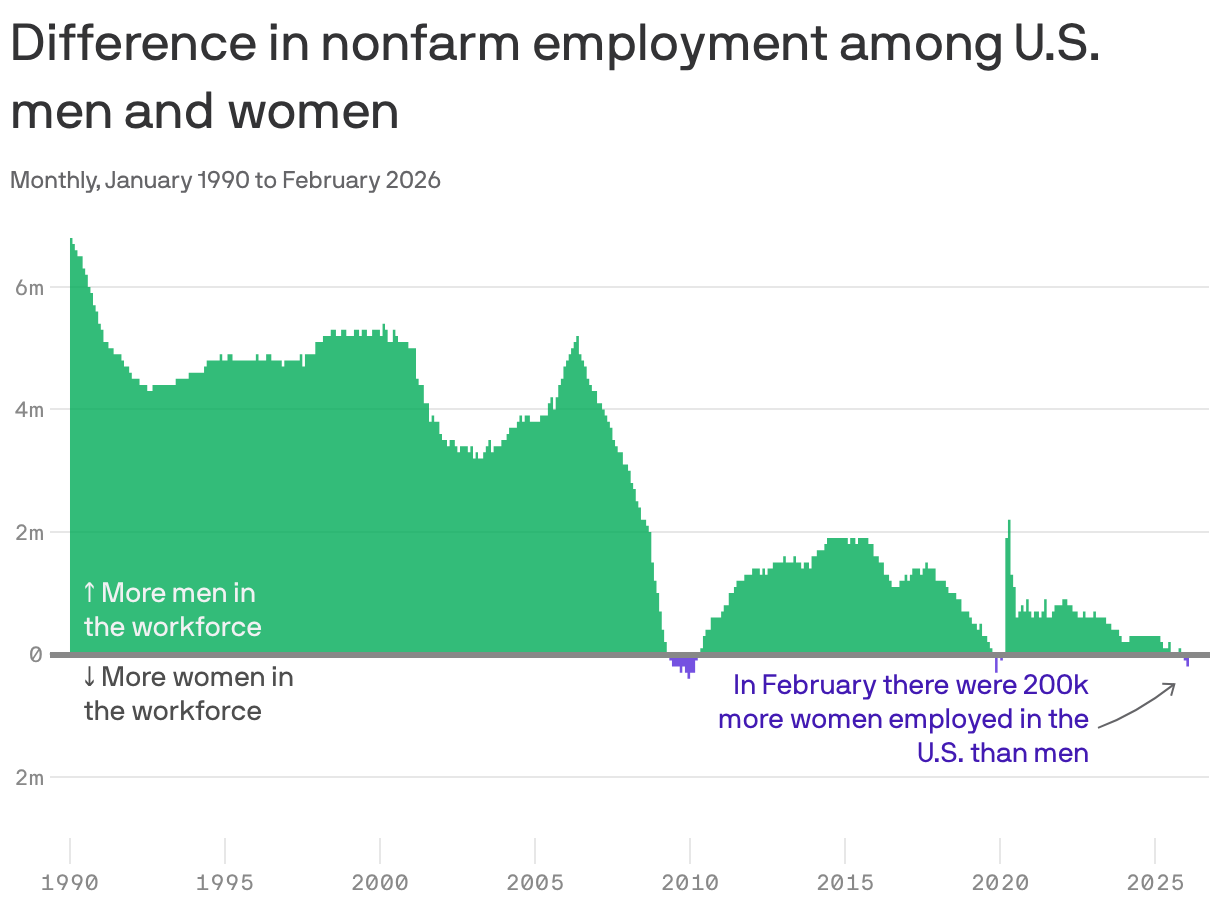
For only the third time ever, there are more women employed in the U.S. than men, according to federal data highlighted in a report from Indeed.
Why it matters: This isn't quite a women's empowerment story — what's happening in part is that traditional male-dominated occupations are shrinking, while female-led jobs are growing.
Between the lines: Overall, those jobs pay less than ones held by men.
- "If you're seeing a shift toward more female employment, all else equal, you would see a shift toward lower wages," Laura Ullrich, economic research director at Indeed, tells Axios.
Two dynamics are driving the shift:
1. The fastest-growing sector of the job market, particularly over the past year, is health care, where women dominate. Job growth in construction and manufacturing has been relatively flat or negative.
2. Men's participation in the job market has been declining. Male employment fell overall by 142,000 jobs from February 2025 to February 2026, Ullrich notes.
- That's also partly because the immigration crackdown pushed a lot more men out of the workforce and restricted their entry into it.
Friction point: It would seem like a no-brainer for more men to move into health care, but they so far have been reluctant to take jobs that can be perceived as "women's work."
3. Around the Beltway: 🚽 We're flush with protest art

4. Rye Bunny brings "fine-casual" to Adams Morgan
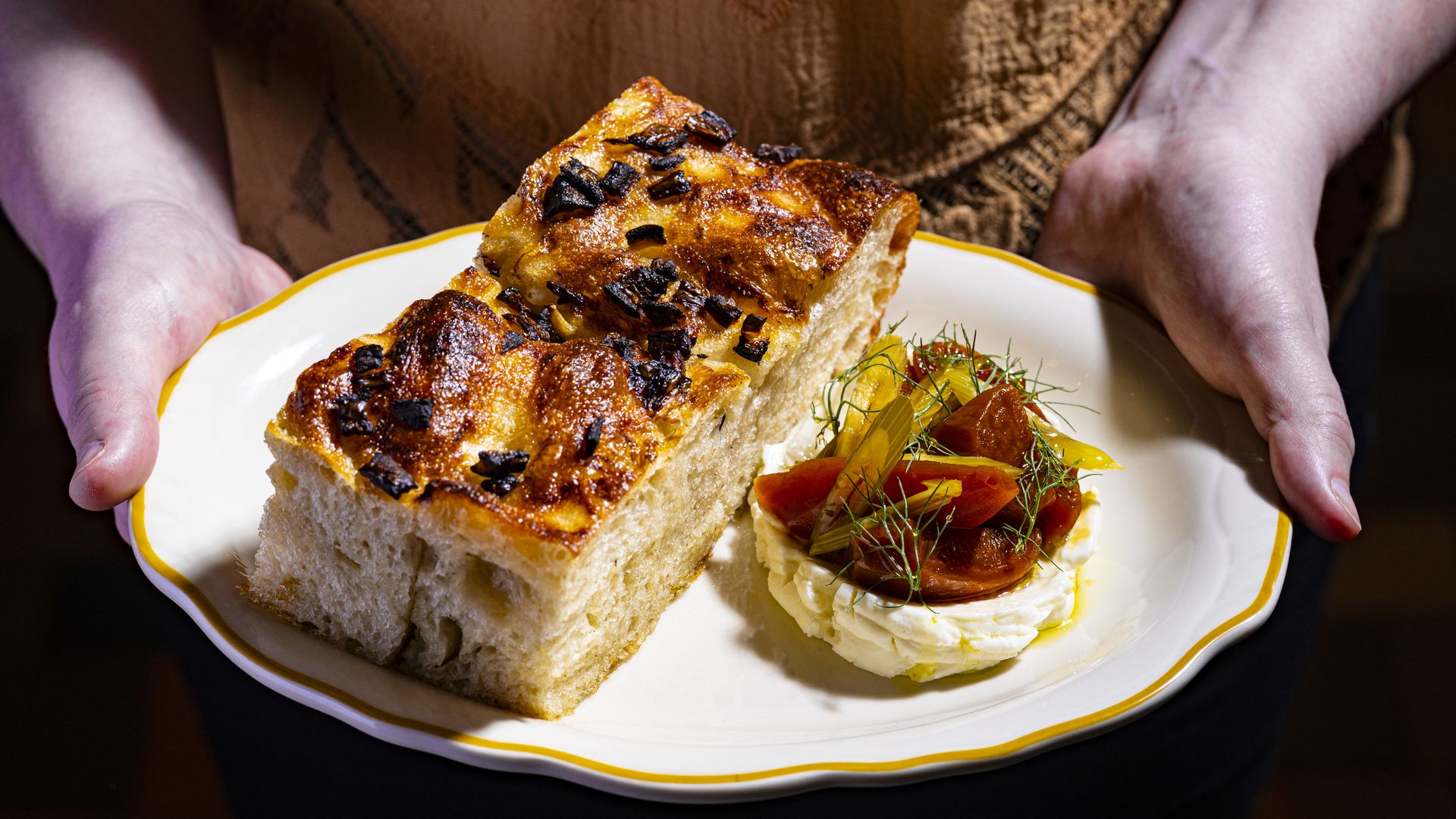
Move over, fast-casuals. "Fine-casual" is D.C.'s hottest restaurant trend, and one of the most anticipated openings lands Thursday: Rye Bunny.
Why it matters: Chef Jon Sybert and Jill Tyler are replacing their beloved Adams Morgan spot, Tail Up Goat, with a more laid-back sibling serving cheffy comfort food — still built to wow.
The big picture: As costs climb and diners pull back, restaurants in D.C. and beyond are going more casual, embracing models that are cheaper — and less labor-intensive — to run.
- When the Tail Up Goat team mapped out their next move, they looked to friends at Birdie's in Austin for inspiration.
- Like the award-winning counter-service prix fixe, Rye Bunny aims for high-caliber food and high-touch hospitality — minus the full-service overhead.

How it works: In the cozy, quilt-lined space, diners order at the counter (with drinks offered if there's a line). Staff circulate for refills, extra orders and anything else guests need.
What they're saying: Tyler admits she was initially "worried about the hospitality piece, because that's my favorite part" (she's got a Michelin service award to back it up). But the model supports a smaller team with competitive pay, benefits and PTO.
- Now, instead of back-and-forth at the table, "you're having all those conversations with amazing team members [at the counter] — who know the wine list and food, who're excited to be there."
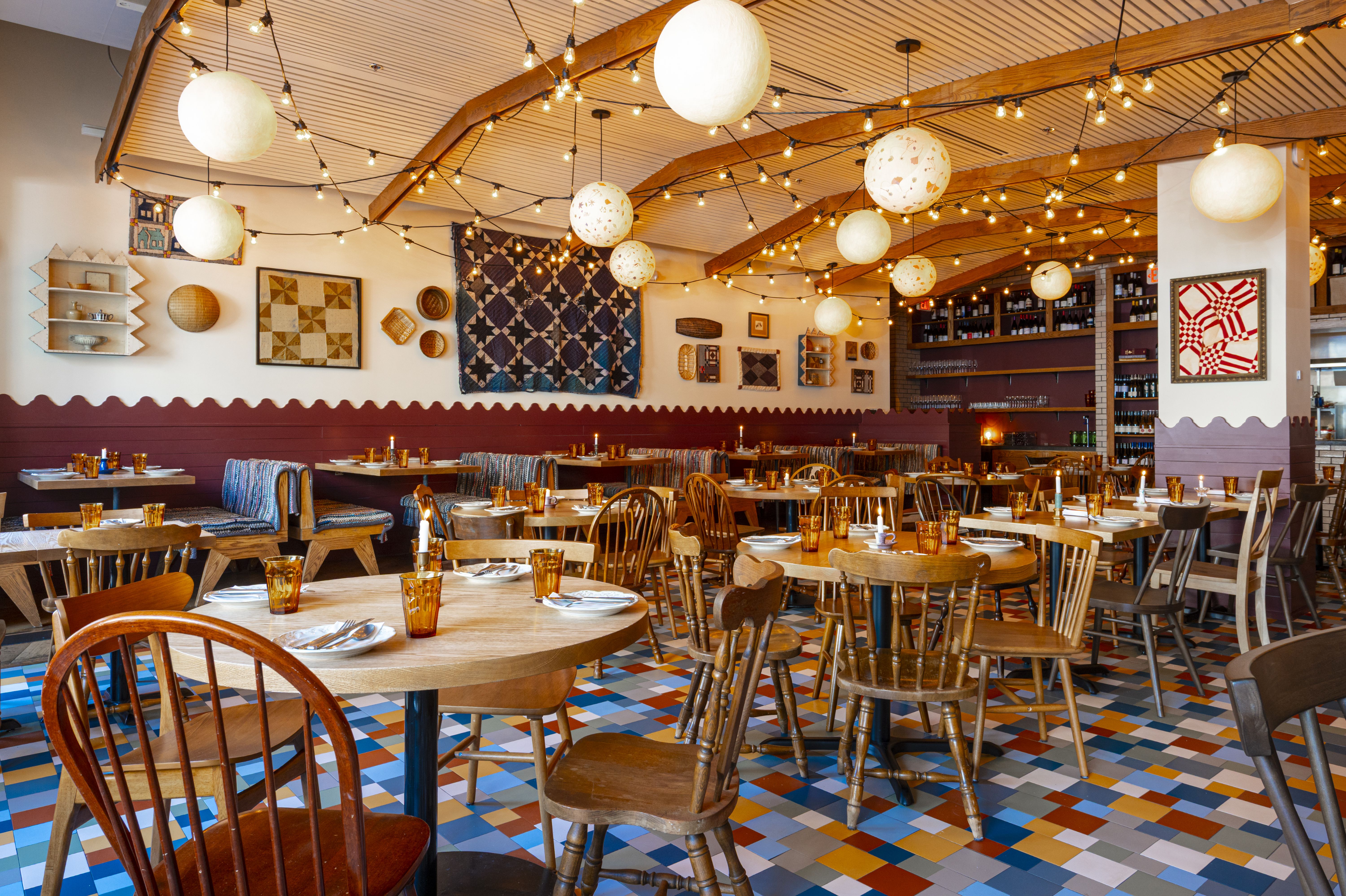
Dig in: Sybert is leaning into ambitious, seasonal comfort food — the kind that earned him acclaim at TUG and Reveler's Hour.
- There's no set cuisine — "just dishes that I would want to order every time I go out to a restaurant," says Sybert.
😋 Think: fennel focaccia with housemade ricotta and honey-poached beets; tagliatelle bolognese or wild greens–stuffed ravioli; plus shareable mains like fried chicken or chermoula-sauced rockfish.

To drink: Fun wines and beers, personalized martinis and plenty of zero-proof options.
- Wine starts at $12 a glass and around $50 a bottle (or BYO for $35).
The intrigue: Two nightly reservations are held for "people who love a sure thing" — with a local giveback twist.
- Each $25 OpenTable booking goes entirely to Dreaming Out Loud and the Amica Center for Immigrant Rights.
The bottom line: "The moments for hospitality and taking care of people still exist," says Tyler of the restaurant's new model. "I'm excited to get people who might be a little skeptical over to our side."

Axios D.C.
