Axios Communicators

July 25, 2024

🎉Welcome back! This week marks the second anniversary of Axios Communicators — thanks for reading along and supporting our journalism.
- 🙏🏻 As a token of our appreciation, we'd like to offer 10% off Axios Communicator Pro memberships. Sign up here using code "TWOYRS10".
Today's newsletter is 1,406 words, a 5.5-minute read.
1 big thing: CrowdStrike strikes out on comms

CrowdStrike CEO George Kurtz has received a lot of criticism from the communications community for his statements following the global outage that took down airlines, financial institutions and medical facilities.
Why it matters: The outage last Friday — and Kurtz's response to it — not only hurt CrowdStrike's reputation but could impact the reputation of its major customers like Delta and Microsoft.
Catch up quick: In Kurtz's initial statement, he identified the problem, described who was impacted and let customers know where they could find updates.
Yes, but: What was missing was the word "sorry," as many comms leaders and reporters pointed out.
- "Some committee of corporate comms people and lawyers wrote this very heartless, indifferent-sounding tweet, which became the first thing to really travel," Rostra founder and CEO Lulu Cheng Meservey said in an interview with John Coogan of Founders Fund.
Zoom in: While forensics will determine CrowdStrike's liability, issuing a human-sounding, empathetic statement could have salvaged the company's reputation, Meservey said.
- "There's a trade-off between increasing legal liability versus losing trust, and you just have to know that," she said. "But there's a lot of times when just taking the lawsuit or fighting it in court is cheaper than the damage to your reputation, which can be a lot more expensive and take longer to repair."
Another miss was how the outage was communicated given that most news travels across very visual platforms — whether it's TikTok, Instagram or YouTube.
- While Kurtz did go on a small TV media blitz, appearing on the "Today" show and CNBC, the company mainly relied on lengthy, jargon-filled statements.
- CrowdStrike did little to offer clear visuals to social media audiences, says Arvo Advisory principal, Doug Busk.
- "My view is to leverage that we live in a video and meme era," he said. "If your explanation for a crisis like this can be transmitted via meme or graphic, use it."
Zoom out: Microsoft's communications team worked overtime to ensure customers and the media understood it was a CrowdStrike issue, not a Microsoft outage.
- Delta CEO Ed Bastian has also publicly apologized for the impact CrowdStrike's outage has had on flyers and continues to offer updates across social media.
What they're saying: It's about understanding how to communicate and apologize to a broad base of consumers even when you're not at fault, said one tech executive.
- "When the consumer experiences something with a brand attached to it, that brand must be able to thread the needle by saying it's not our fault, but it is our problem. And it's our problem because you are experiencing real challenges."
The intrigue: Airlines faced a similar challenge this year during Boeing's quality control crisis. While it wasn't Alaska Airlines fault that the plane door flew off midflight, it was its problem.
- Boeing's reputation took the biggest hit in this year's Axios/Harris Poll reputation rankings, while the reputations of the airlines that operated its jets were not affected.
- So if the Boeing crisis is any indication of how a vendor's crisis can impact its customer's reputation, Delta and Microsoft should be fine.
The big picture: Even though CrowdStrike is a 13-year-old company and a leader in the cybersecurity space, this outage is most people's first introduction to it.
- This represents the blind spots of strictly B2B communications, because while other businesses might be the customers, the end-user is an individual consumer.
What to watch: CrowdStrike will have to rethink how it tells its corporate narrative to the general public moving forward — and it's next big opportunity will be Kurtz's congressional testimony.
💭Thought bubble from Axios Codebook author Sam Sabin: Seeing a cybersecurity CEO even apologize and confirm the source of an incident like this within the first 24 hours can be rare — although it still falls short of what the public wants to hear.
2. How to respond to an outage
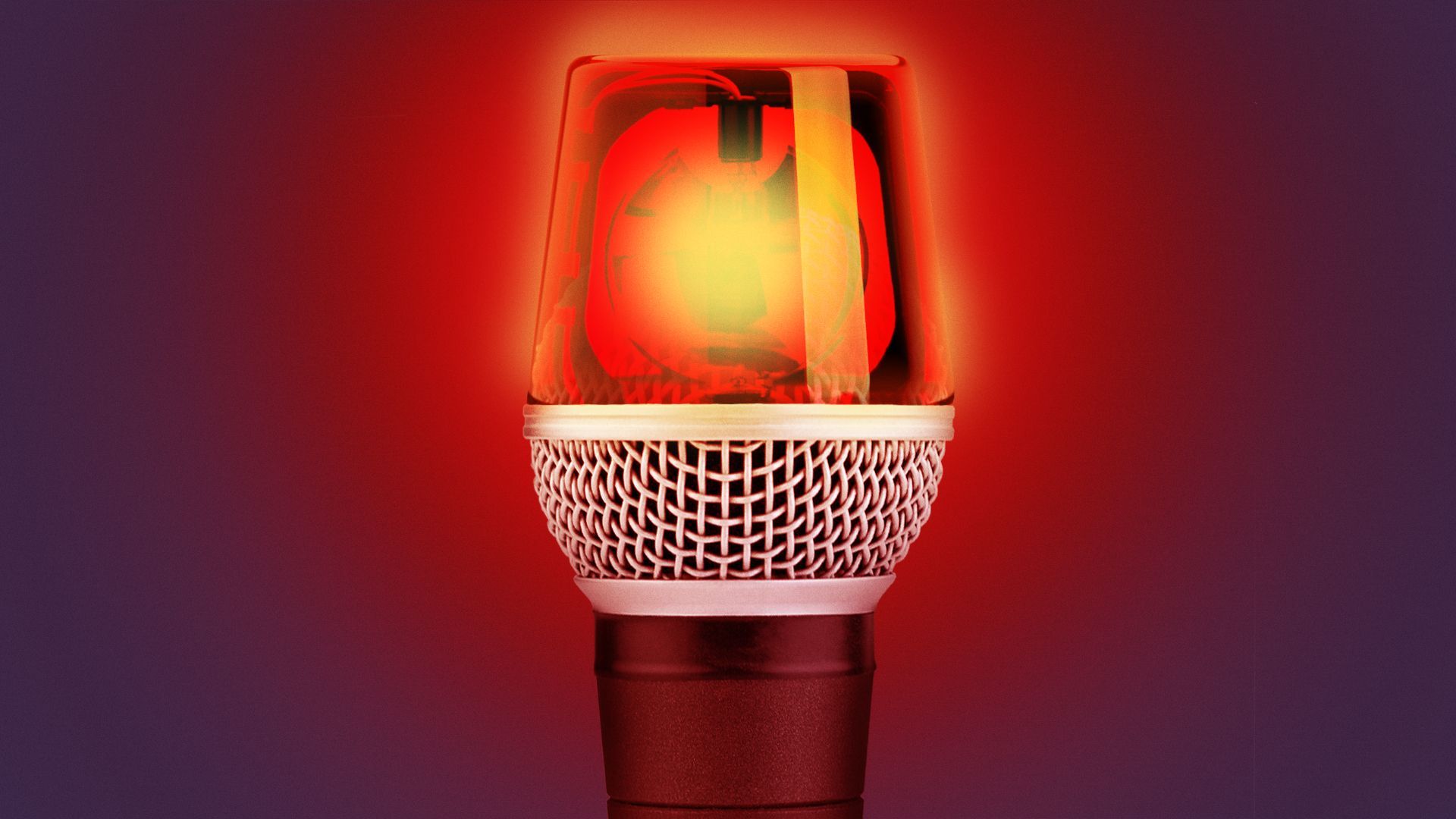
Every communicator will have to navigate an outage of some sort at one point or another.
- Why it matters: While the degree and scale might vary, the makings of an effective response remain the same.
Crisis communication experts Axios spoke with offer these do's and don'ts:
- ❌ Don't wait too long before acknowledging the issue.
- A lack of information fuels anxiety among consumers and investors. It also creates room for mis-and- disinformation to spread.
- ✅ Do gather as much information as possible, namely the cause, extent of the outage, timeline for return and any cybersecurity or customer data risks.
- ✅ Do draft holding statements and share across company channels.
- Arm customer service and account reps with the appropriate information and talking points.
- Communicate directly, at a senior level, with key individuals like members of the board, important customers, investors and key people managers.
- ❌ Don't use corporate jargon or legal speak.
- ✅ Do monitor coverage and ensure that media has the most up-to-date information.
- ❌ Don't skirt responsibility (legal teams be damned).
- ✅ Do identify and deploy the appropriate corporate spokesperson.
- ✅ Do use analogies or visuals to explain complicated, technical issues.
- ❌ Don't forget to follow-up and share the changes that have been made to prevent future outages.
- ❌ Don't stop communicating once the outage has been fixed.
- Communicators must continue to engage with the audiences that were most affected if the company wants to rebuild trust.
3. Groups that support reproductive rights and paid leave are teaming up

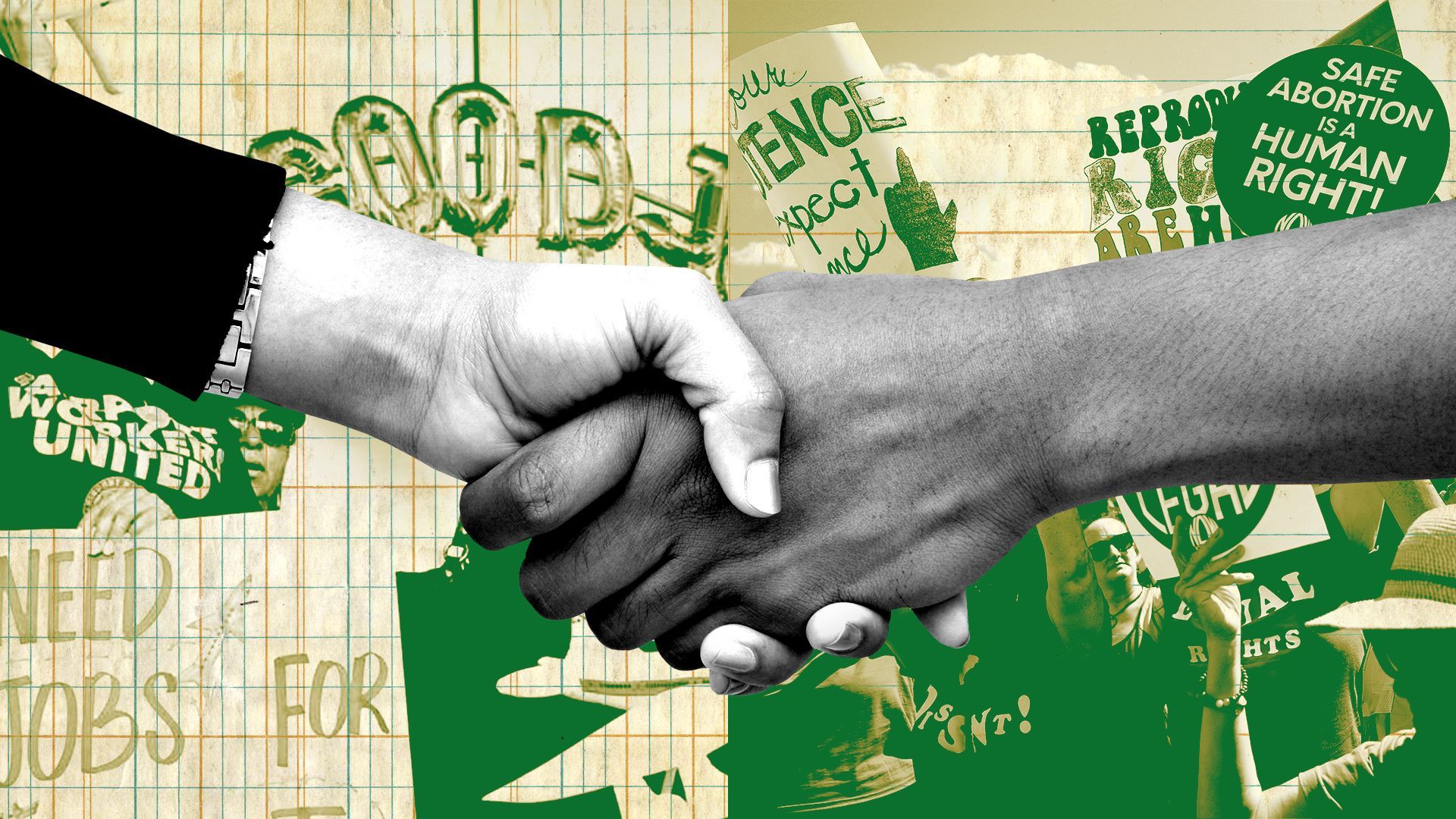
Advocates for abortion rights and paid leave are launching a $1 million media campaign together, Axios' Emily Peck reports.
- Why it matters: Though these two issues have been core to advocates for decades, they typically operated in separate lanes. The post-Dobbs environment and Vice President Kamala Harris' run for the presidency changed the equation.
State of play: Paid Leave for All and Reproductive Freedom for All (formerly NARAL) are launching the campaign. It includes paid and earned media plus what they call in a press release "civic engagement and canvassing" — essentially outreach to voters about these issues.
The big picture: The Supreme Court's overturning of abortion rights has changed perceptions of the issue for Democrats. "Everyone finally understands that abortion is an important and winning issue politically," says Dawn Huckelbridge, director of the paid leave group.
- Harris has made reproductive rights and paid leave key parts of her campaign, energizing advocates.
- A coalition of paid family leave groups are spending $500,000 on another ad focused on Harris' biography.
💭 Eleanor's thought bubble: If these advocacy organizations successfully marry the issues of abortion and parental leave, it could create communication challenges for employers who increasingly want to keep benefit offerings and politics separate.
4. Communicator spotlight: Khosla Ventures marketing and comms chief, Shernaz Daver

As an operating partner and chief marketing officer at venture capital firm Khosla Ventures, Shernaz Daver is tasked with supporting the firm's portfolio companies and revitalizing the firm's brand, she tells Axios.
- Why it matters: Daver is the first marketing and communications hire for the 20-year-old firm, which was the first to invest in companies like OpenAI, DoorDash and Block.
🗣️What she's saying: The biggest challenge for early-stage startups is that user acceptance always lags behind technology development, says Daver.
- Her job is to help bridge the gap by helping entrepreneurs "talk about themselves and create a story that is going to help their business," she added.
📍How she got here: Daver has spent her career advising companies from ideation to IPO.
- She recently served as executive adviser to Google Ventures and has supported companies like Netflix, Walmart, Zynga, Kitty Hawk and Guardant Health.
💡 Every founder should know that communications is not a "side thing." It is critical if you hope to meet business objectives.
📈 Trend spot: All politics, all the time.
- Of note: Khosla Ventures founder, Vinod Khosla, recently got into a back-and-forth with Elon Musk on X about the Tesla CEO's endorsement of former President Trump.
🧠 Best advice: Don't focus on being liked in the workplace. Focus on being respected.
Go deeper ... Read the entire spotlight
5. 💭 1 quote to-go
My first assignment as an Axios reporter was to cover a speech Microsoft CCO Frank Shaw gave at the International Association of Business Communicators conference in June of 2022.
🗣️ One thing he said has stuck with me throughout my reporting, which I will leave you with now, in honor of the newsletter's two-year anniversary.
"What is it I do for a living? The answer has changed over time, but when it comes down to it, communicators are responsible for speaking out, convening and negotiating for the right outcome — in short, we're diplomats."— Frank Shaw, Microsoft chief communications officer
🎉 Thanks again for reading along for two years! And thanks to editors Nicholas Johnston and Kathie Bozanich.
Want more Axios Communicators? Become a Comms Pro member today.
Sign up for Axios Communicators