Axios Closer

February 23, 2023
Thursday ✅.
Today's newsletter is 697 words, a 2½-minute read.
🔔 The dashboard: The S&P 500 closed up 0.5%.
- Biggest gainer? Nvidia (+14.0%), the chipmaker, beat expectations for its recent quarter.
- Biggest decliner? Domino's Pizza (-11.7%), after missing expectations for U.S. same-store sales and presenting a dour outlook. (More below.)
1 big thing: Tools of the trade
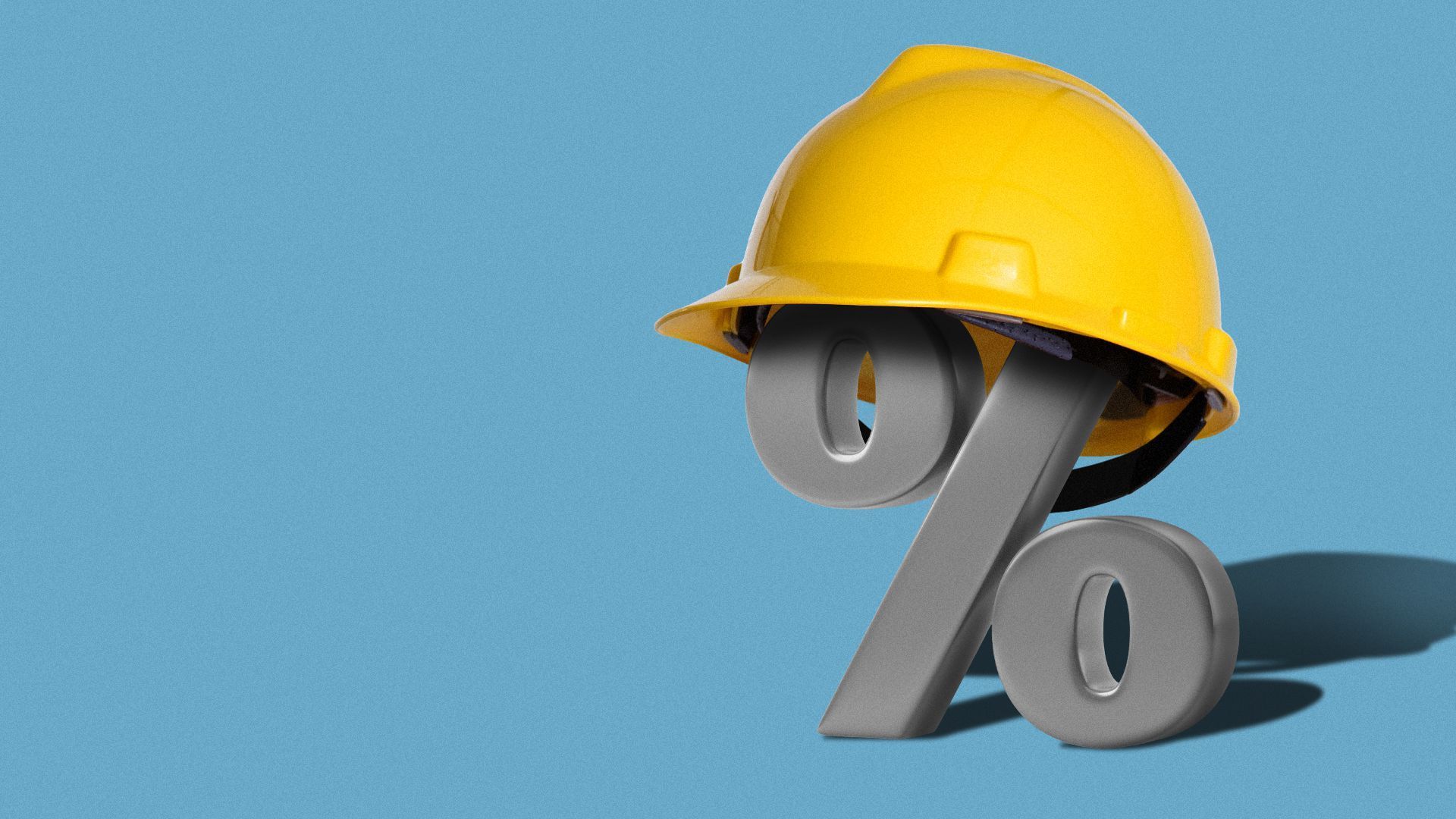
Illustration: Lindsey Bailey/Axios
Builders are winning the housing recovery by giving buyers what they want: lower interest rates.
Driving the news: The nation's three largest homebuilders — D.R. Horton, Lennar and Pulte — have seen 52-week highs for their stock prices this month, Axios' James Briggs writes.
- Builders are reporting strong sales thanks, in part, to price cuts and one especially popular incentive: mortgage buydowns.
State of play: Homebuilders have had buydowns in their toolbox "forever," as Axios' Emily Peck reported. But recently, it's one they've been reaching for a lot.
- "[It's] nothing like what we are seeing today," Rick Palacios Jr., director of research for John Burns Real Estate Consulting, tells Axios.
By the numbers: About 75% of builders are dangling mortgage rates that buyers can't find on their own through lending institutions, according to surveys conducted by John Burns Real Estate Consulting.
The big picture: New construction is the place for deals in this housing market.
- Sellers feel little pressure to cave on pricing. But builders, flush with inventory, are luring buyers out of the cold with price cuts and mortgage deals.
- "It's a huge competitive advantage over the resale market," Palacios says.
How it works: Builders pay money up front to cut the cost of a mortgage for a period as short as two years or as long as 30. For example, Pulte has offered 30-year fixed rates as low as 4.25% in recent weeks.
The bottom line: Rising rates and material costs made construction prohibitively expensive just a few months ago. Now, costs are settling down and builders are gaining an upper hand over the resale market by addressing buyers' top concern.
2. Charted: Milk disruption


It's not milk. It's oat milk.
- The FDA is proposing to allow companies to continue slapping the four-letter word on the end of names for drinks based on things like soy, oats and almonds, Nathan writes.
Why it matters: That's bad news for dairy milk, which has been suffering a decades-long decline in popularity and whose sellers blame that in part on these milky imposters.
The bottom line: If milk does the body good, Americans increasingly aren't buying it — at least not the traditional kind.
4. Ozy allegations
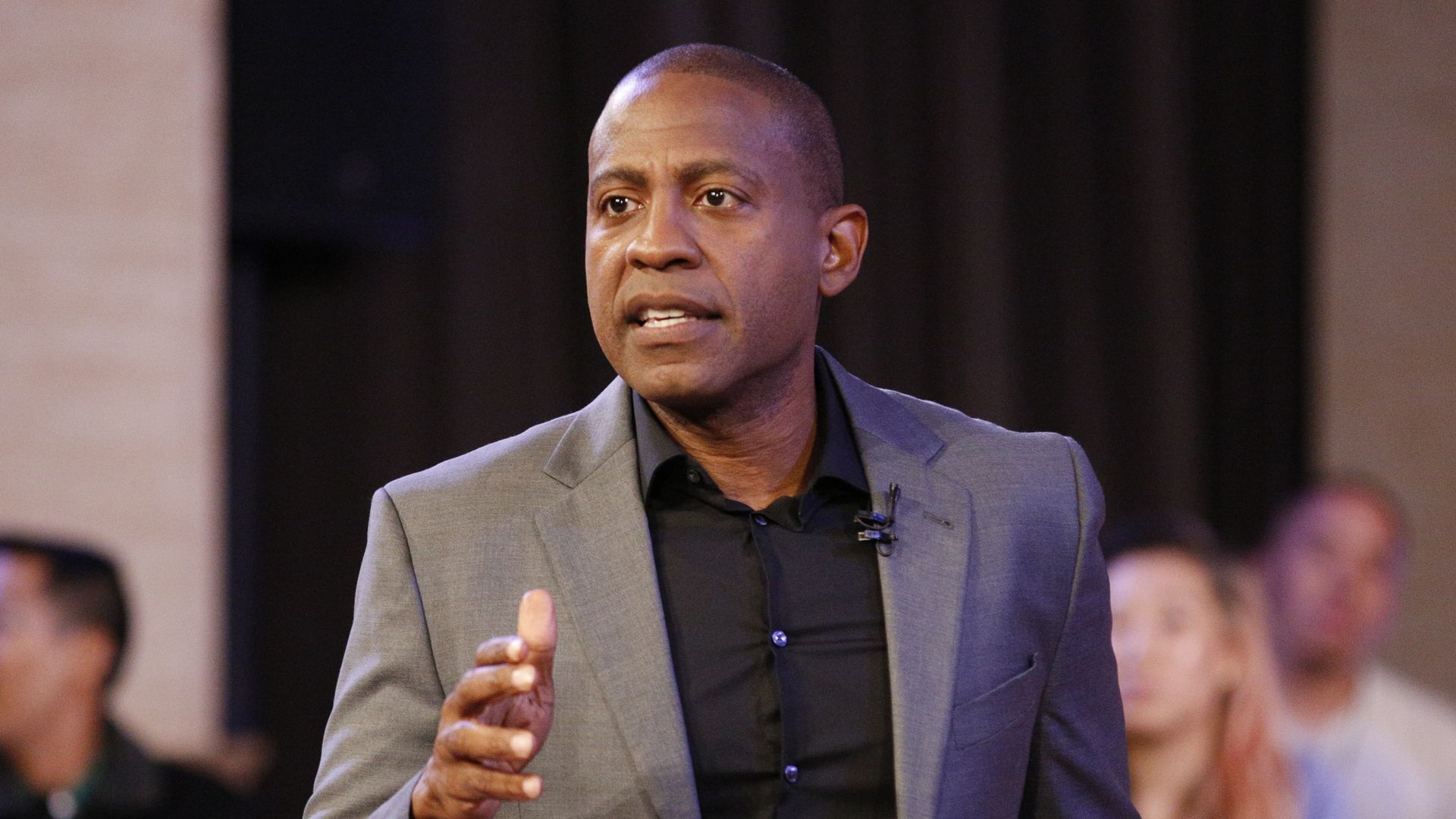
Carlos Watson in 2018. Photo: Kimberly White/Getty Images
Carlos Watson, the CEO and co-founder of embattled Ozy Media, was arrested on Thursday after the company's co-founder and ex-COO Samir Rao pled guilty to fraud charges, court filings show.
Driving the news: The charges appear to validate an initial report from The New York Times in late 2021, which kicked off a wave of others uncovering ways Ozy executives used misleading tactics to amplify their metrics and mislead business partners, Axios' Sara Fischer writes.
Between the lines: In one allegation, Rao, upon Watson's urging, agreed to send a fake contract to a bank lender to secure a loan faster, then agreed to impersonate an actual executive from a company whose signature they forged when the bank asked to follow up.
The big picture: The drama around Ozy sparked an industrywide conversation around transparency in digital media metrics and funding.
5. Flower power
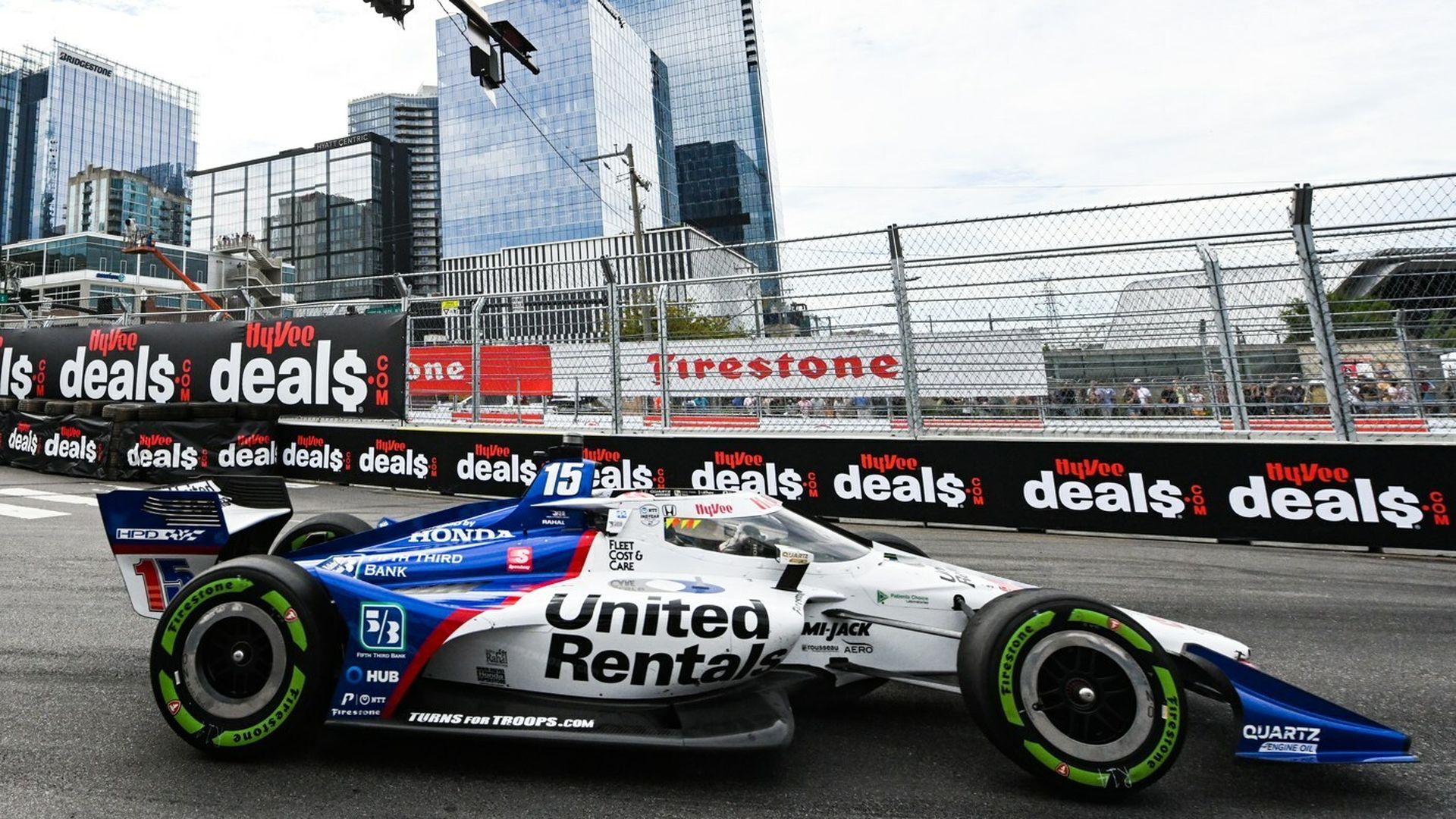
Several IndyCar races will feature Bridgestone tires made with rubber from a desert shrub this season. Photo: Bridgestone Americas
IndyCar is where the desert shrub meets the road, Nathan writes.
Driving the news: Bridgestone Americas announced today that its Firestone Firehawk race tires "made with rubber derived from the guayule desert shrub" will be used in IndyCar's five street circuit races this season.
- "The guayule plant, which is native to Northern Mexico and the Southwestern United States, bears small white flowers and narrow silvery leaves that grows in hot, arid desert areas with plenty of sun and little water," AP reports.
State of play: Bridgestone said it invested $42 million in 2022 to "establish commercial operations for planting and harvesting" the shrub.
6. What they're saying
"A relatively higher delivery cost during inflationary times leads some customers to prepare meals at home instead of getting them delivered."— Domino's Pizza CEO Russell Weiner in an earnings call after the company reported that its same-store delivery sales fell 6.6% in the fourth quarter, sending its stock down more than 11% today.
Today's newsletter was edited by Pete Gannon and copy edited by Sheryl Miller.
✏️ Was this email forwarded to you? Sign up here to get Axios Closer in your inbox.
Sign up for Axios Closer

Catch up on the day's biggest business stories and look ahead to important trends. Led by Nathan Bomey.