Axios AM

June 23, 2026

☕ Hello, Tuesday! Smart Brevity™ count: 1,672 words ... 6½ mins. Thanks to Noah Bressner for orchestrating. Edited by Andrew Pantazi and Lucia Maher.
🚨 Situational awareness: Iran won't let UN inspectors into the nuclear sites the U.S. and Israel bombed, foreign ministry spokesman Esmail Baghaei told reporters today, Axios' Barak Ravid writes.
- That contradicts Vice President JD Vance, who said yesterday that Iran had agreed in the Switzerland talks to let inspectors back into the country.
1 big thing: Britain's lost decade
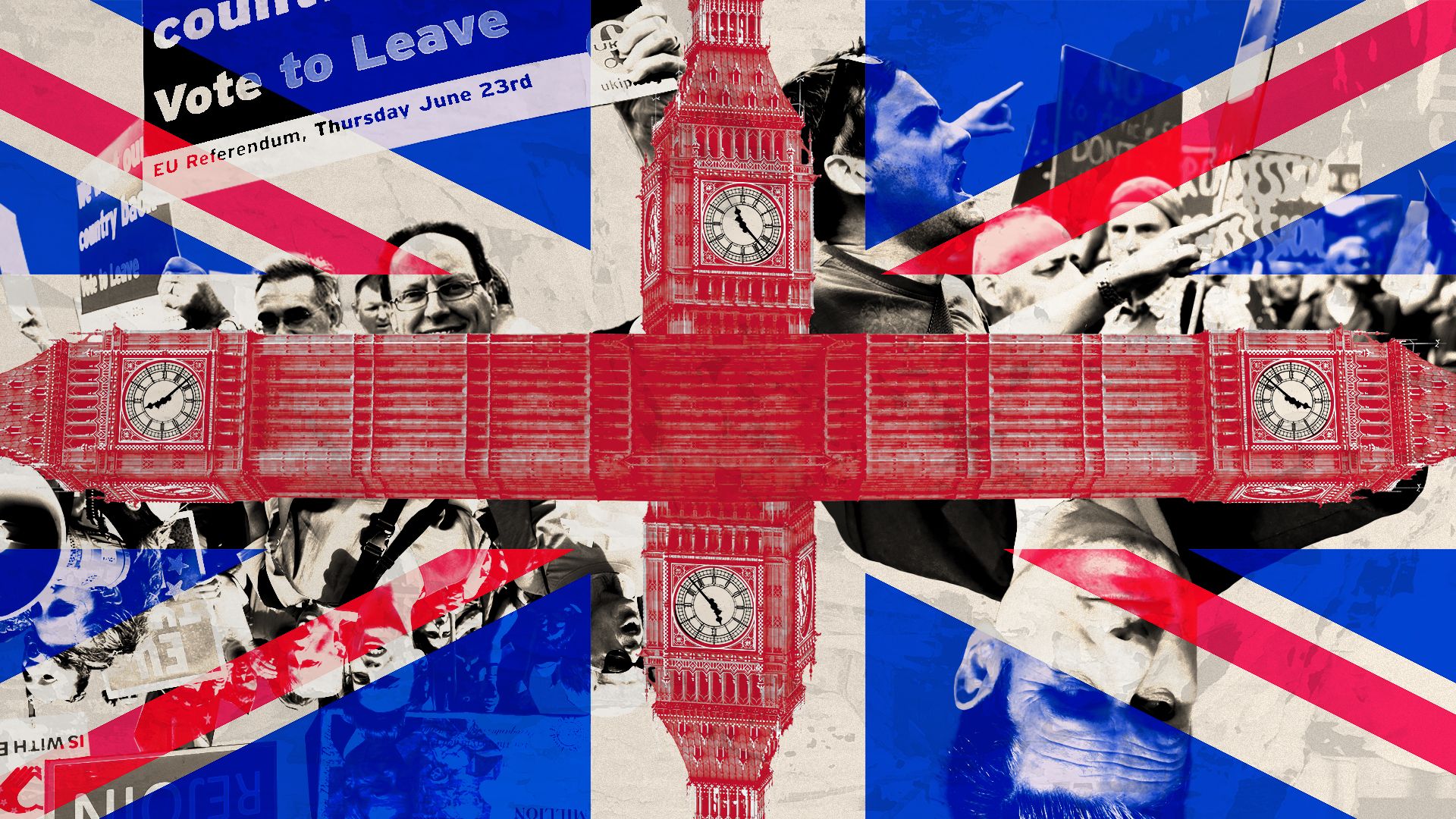
Ten years ago today — on June 23, 2016 — the Brexit referendum unleashed a populist tide that rewrote the rules of Western politics.
- A decade later, a diminished and fractured United Kingdom is preparing for its seventh prime minister — still haunted by the future it was promised, Axios' Zachary Basu writes.
Why it matters: Keir Starmer was elected as a competent, level-headed antidote to 14 years of Conservative rule — a period consumed by austerity, ideological warfare and the chaos of leaving the European Union.
- His resignation yesterday, less than two years after a historic Labour landslide, reveals Britain's chronic instability has outgrown partisan explanation.
State of play: For many Western leaders, the U.K. is the ultimate cautionary tale — a live experiment in modern populism, unfolding inside one of the world's oldest and wealthiest democracies.
- Brexit began with utopian promises of an unshackled "Global Britain" that could curb immigration, slash red tape and take back control of its borders and budget.
- Instead, a succession of Conservative prime ministers plunged the country into deeper dysfunction: Theresa May was broken by the Brexit negotiations, Boris Johnson by scandal, Liz Truss by market panic, and Rishi Sunak by electoral humiliation.
- Today, Britain remains marooned in a low-growth cycle — saddled with trade friction, high prices, strained public services and a hyper-sensitive electorate that tolerates virtually no political failure.
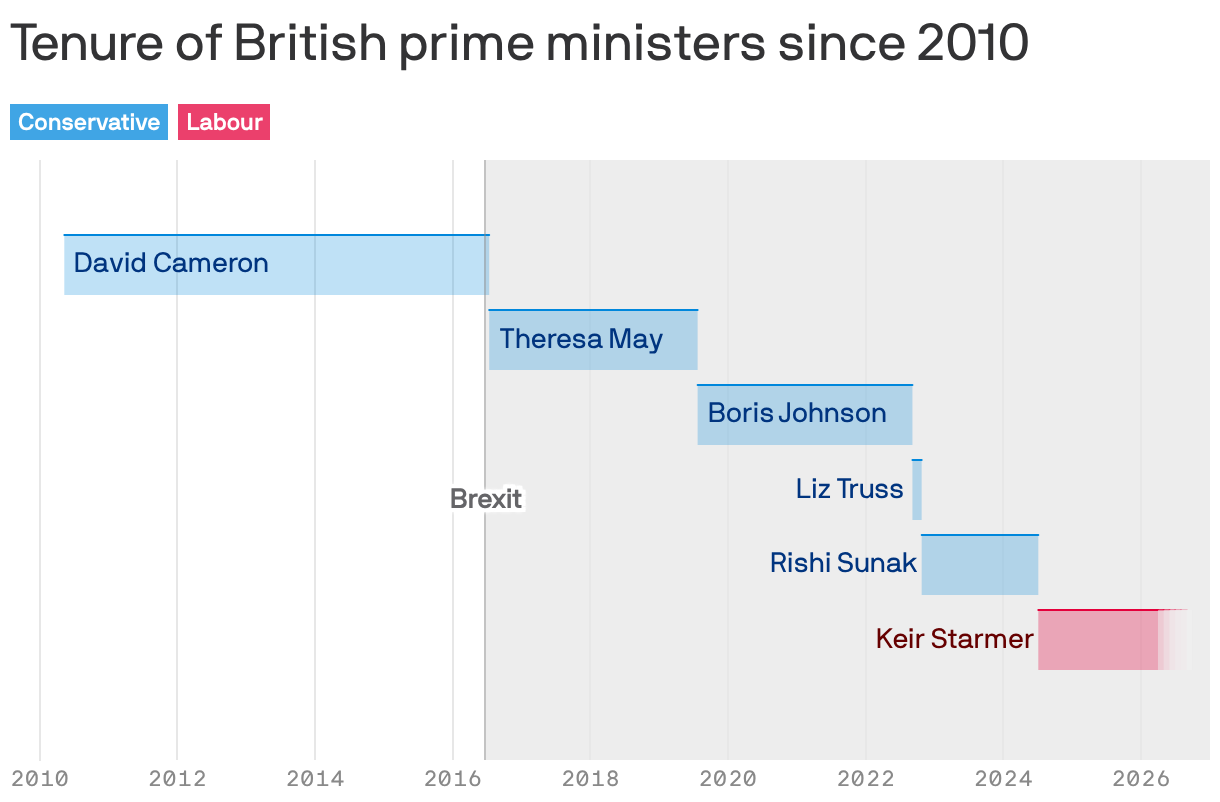
🔎 Zoom in: Starmer's tenure was consumed by migration and cost-of-living crises, providing ideal conditions for Nigel Farage's right-wing Reform UK to peel away Labour's traditional working-class support.
- Enter Andy Burnham: The former Greater Manchester mayor and charismatic "King of the North" is widely seen as the lone Labour heavyweight with the authentic populist appeal needed to blunt Farage's momentum.
- In a special election engineered to return him to Parliament, Burnham beat Reform decisively, likely clearing the way for him to take over the Labour Party and become Britain's next prime minister.
Zoom out: If and when he enters Downing Street, Burnham's greatest challenge will be incumbency — a proven liability across the democratic world in the years since COVID.
- In France, Emmanuel Macron's approval rating has at times fallen as low as 11%, while the far-right National Rally is polling as the favorite to win next year's presidential election.
- In Germany, the far-right AfD has made unprecedented gains and continues to widen its lead over Chancellor Friedrich Merz's conservatives.
- In Hungary, voters ended Viktor Orbán's 16-year rule this April, toppling the most entrenched nationalist government in the EU.
👓 Between the lines: Even President Trump, who faces a treacherous midterm test in November, is proving vulnerable to the same toxic anti-incumbent forces.
- His 2016 victory was intertwined with Brexit's geopolitical shock — a warning that voters across the West were willing to torch the establishment to express disgust with migration, globalization and elites' failures.
- But now Trump is the establishment. High prices and the Iran war have dragged his approval into the high 30s. The world's most successful anti-system politician is suddenly struggling to run against a system he controls.
2. ⚡ Bibi's Lebanon squeeze
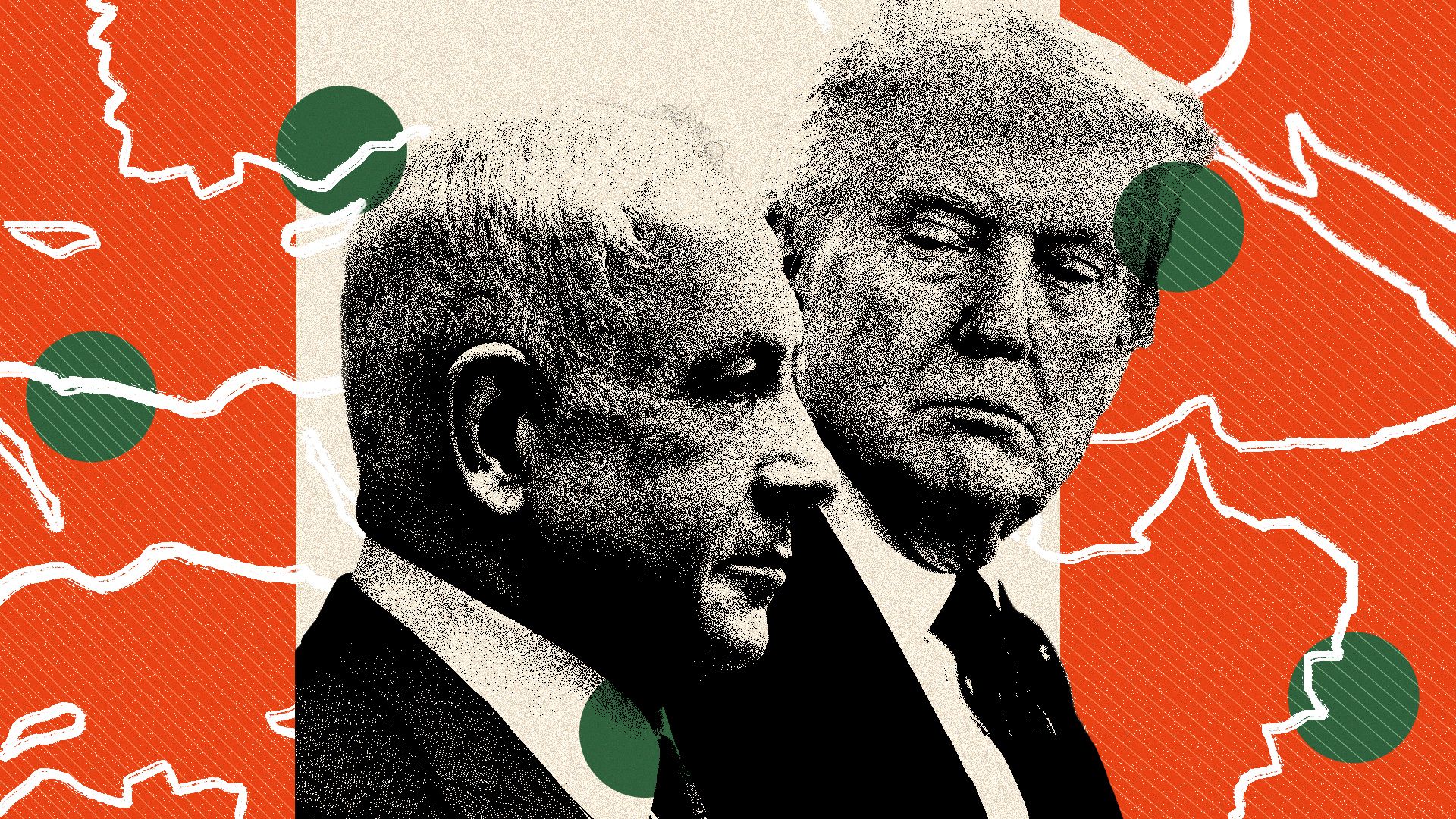
Israel's government is concerned the U.S. is effectively legitimizing Iran's influence in Lebanon and eroding Israel's freedom of operation there, two Israeli sources tell Axios' Barak Ravid.
- Why it matters: Iran has wrapped Lebanon into its U.S. talks to support its proxy, Hezbollah. The Trump administration accepts that it must now contain Israel's actions in Lebanon to advance its diplomacy with Iran.
Israeli officials worry negotiations in Switzerland will undermine months of U.S. and Israeli efforts to weaken Hezbollah and curb Iran's influence in Lebanon.
- More immediately, they're also worried about pushback from D.C. each time they want to strike inside Lebanon, or pressure from Trump to withdraw from southern Lebanon.
🔭 Zoom in: The U.S.–Iran memorandum of understanding signed Wednesday stipulates that both countries and their allies will end all hostilities, including in Lebanon, and ensure Lebanese sovereignty and territorial integrity.
- Several rounds of fighting broke out in the days that followed, though the latest ceasefire renewal has held since Saturday.
- Iran threatened to close the Strait of Hormuz and skip the Switzerland talks if Israel continued its attacks.
3. 📈 New data! Dem turnout surge
Americans are voting in Democratic primaries and special elections this year in far greater numbers than in previous contests, a Washington Post analysis finds.
- Why it matters: The lopsided turnout is an early sign "that voters are unusually motivated heading into November."
So far this year, 12.6 million ballots have been cast in Democratic House primaries — versus 8.6 million in GOP ones.
- In over 90% of Democratic House primaries this year, more ballots were cast than in 2022, when Republicans flipped the House, according to the Post's review of 990 races across 25 states and three cycles.
- Turnout is climbing even in races that aren't hotly contested and where the nominee has little shot in November.
The other side: Republicans argue their financial edge and a favorable map will matter more than crowded Democratic primaries.
- Keep reading (gift link).
🗳️ Driving the day: Primaries in New York ... Maryland ... South Carolina ... Utah.
4. ⚛️ Trump pushes quantum
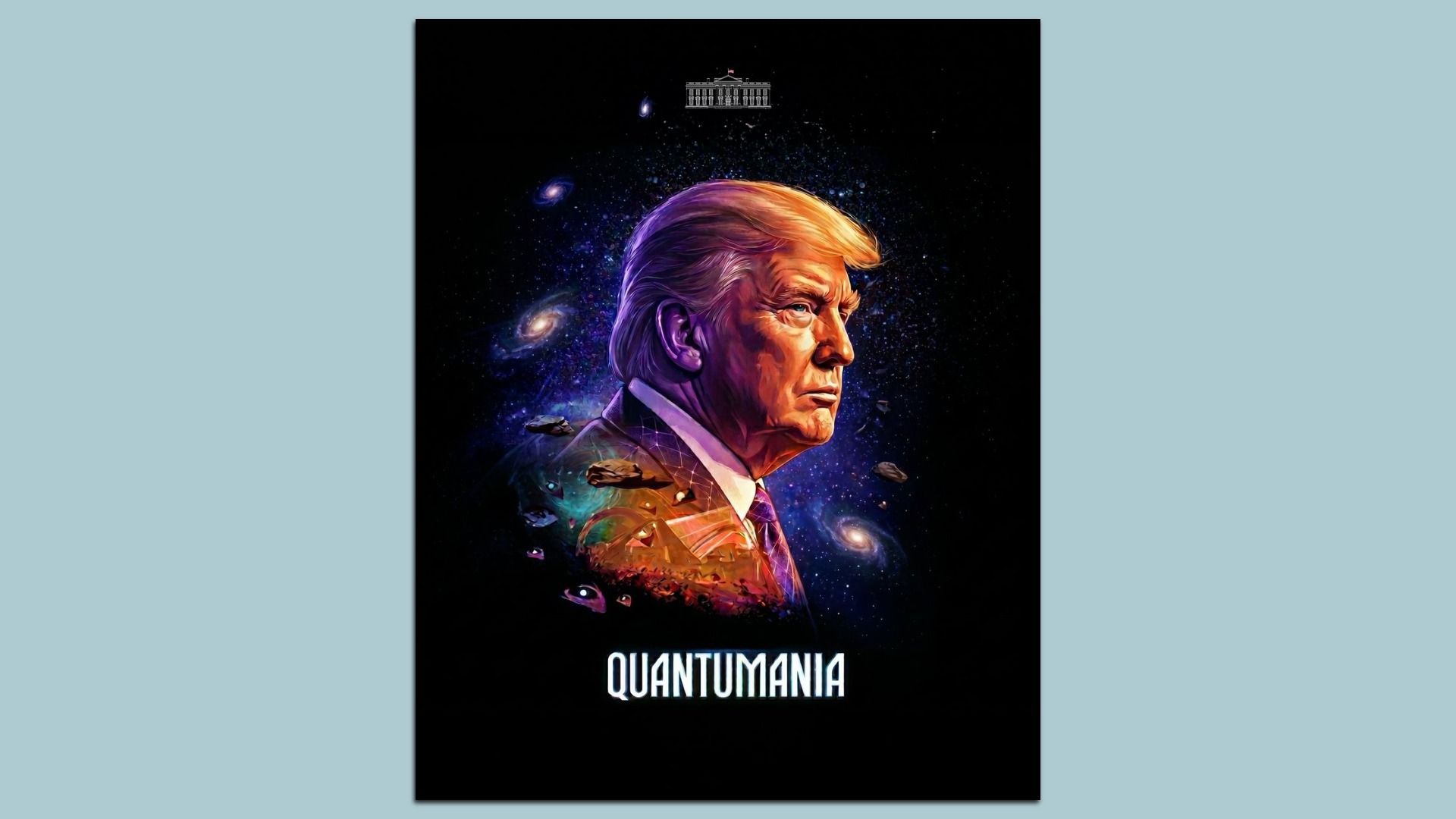
President Trump signed a pair of executive orders yesterday to accelerate domestic quantum computing research and mitigate the cybersecurity threat the technology could unleash.
- The first order launches a national effort to build a quantum computer "capable of performing important scientific calculations and to develop quantum-enabled sensors and networks in the next five years," Trump said.
- The second order pushes federal agencies to adopt algorithms that can withstand quantum-powered cyberattacks. It requires agencies to migrate high-value assets to these standards — known as post-quantum cryptography — by 2031.
Tech leaders flanked Trump at the Oval Office signing, including Alphabet president Ruth Porat and IBM CEO Arvind Krishna.
- Go deeper (Bloomberg gift link) ... White House fact sheet.
5. 📚 "Regime Change": How Trump has changed
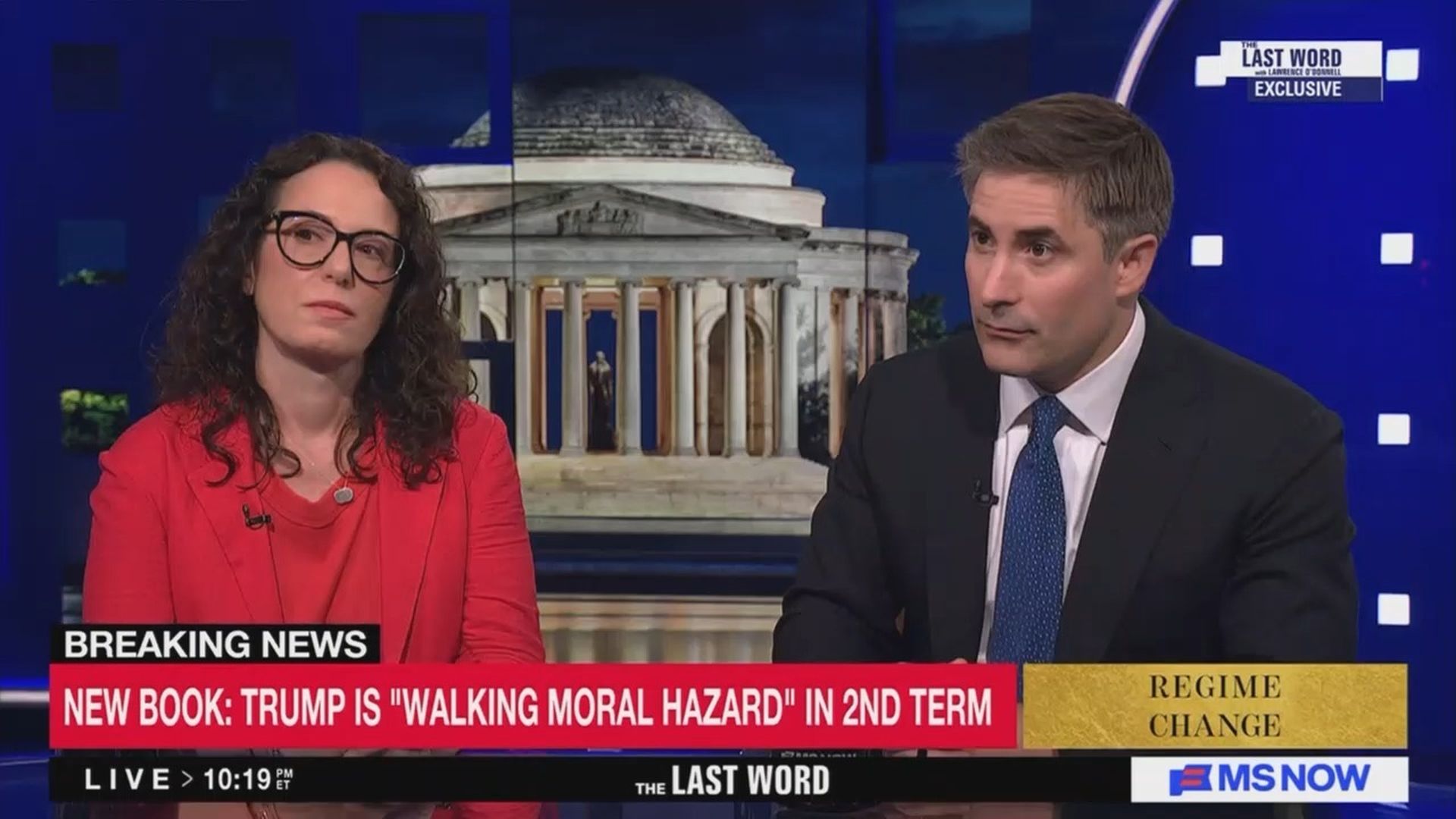
Maggie Haberman and Jonathan Swan tell me these are the top two themes of their book on President Trump's second term, "Regime Change," out today:
- His greater willingness to use power in his second term — like no other president, period.
- How four years out of office built up his determination to project that power globally.
📺 In the duo's first live interview about the book, Haberman said last night on Lawrence O'Donnell's "The Last Word" on MS NOW that people got used to Term 1: Trump didn't really know his government, and he was surrounded by aides who saw his behavior as dangerous.
- "There's none of that now," Haberman said. "They believe there is something almost mystical about him, that he can hear frequencies that maybe they can't. And they hate the mainstream media more than they hate things they see him doing, that they have concerns about."
Swan added during the MS NOW appearance, which ran an astonishing 46 minutes, that Trump wants to be "the capital G, Great Man of history."
- "He wants to reshape the world," Swan said. "I don't think he would have gone to war in Iran in the same circumstances in Term 1. I don't think he would have rolled the dice on what he did in Venezuela. … He wouldn't have started a trade war with the whole world. … But he's in a different mindset, and he's untethered from all of those domestic political considerations [of] the first term."
🔎 Behind the scenes: Haberman and Swan write that some Trump aides told them they wished their boss "was more anxious about the dangers he was courting, and about his plunging poll numbers."
"To the extent he still cared about polling at all, he was seeing far fewer polls than during his first term. His advisors knew he was not receptive to being briefed on harsh realities. In his second term, unlike his first, he was willing to take breathtaking risks, risks that could throw not only his presidency but the Republican Party and the entire world into chaos and carnage. More than ever before as President, he was operating on pure gut instinct." (p. 409)
Watch the interview … Book takeaways (NYT gift link).
6. 🚀 SpaceX levels off


Investors are tempering their enthusiasm for SpaceX shares, which tumbled over 16% yesterday, vaporizing roughly $400 billion in market value, Axios' Matt Phillips writes.
- The stock has now declined more than 20% in the last three trading sessions.
- The slump came even as SpaceX announced a deal to provide computing power to AI startup Reflection that could generate $6.3 billion in sales.
🖼️ The big picture: Even after the record $86 billion IPO earlier this month, SpaceX announced plans yesterday to raise at least $20 billion more by selling bonds — a sign that giant tech companies are leaning heavily on the corporate bond market, not just stocks, to fund the AI buildout.
7. 🦾 Nvidia's robot referee
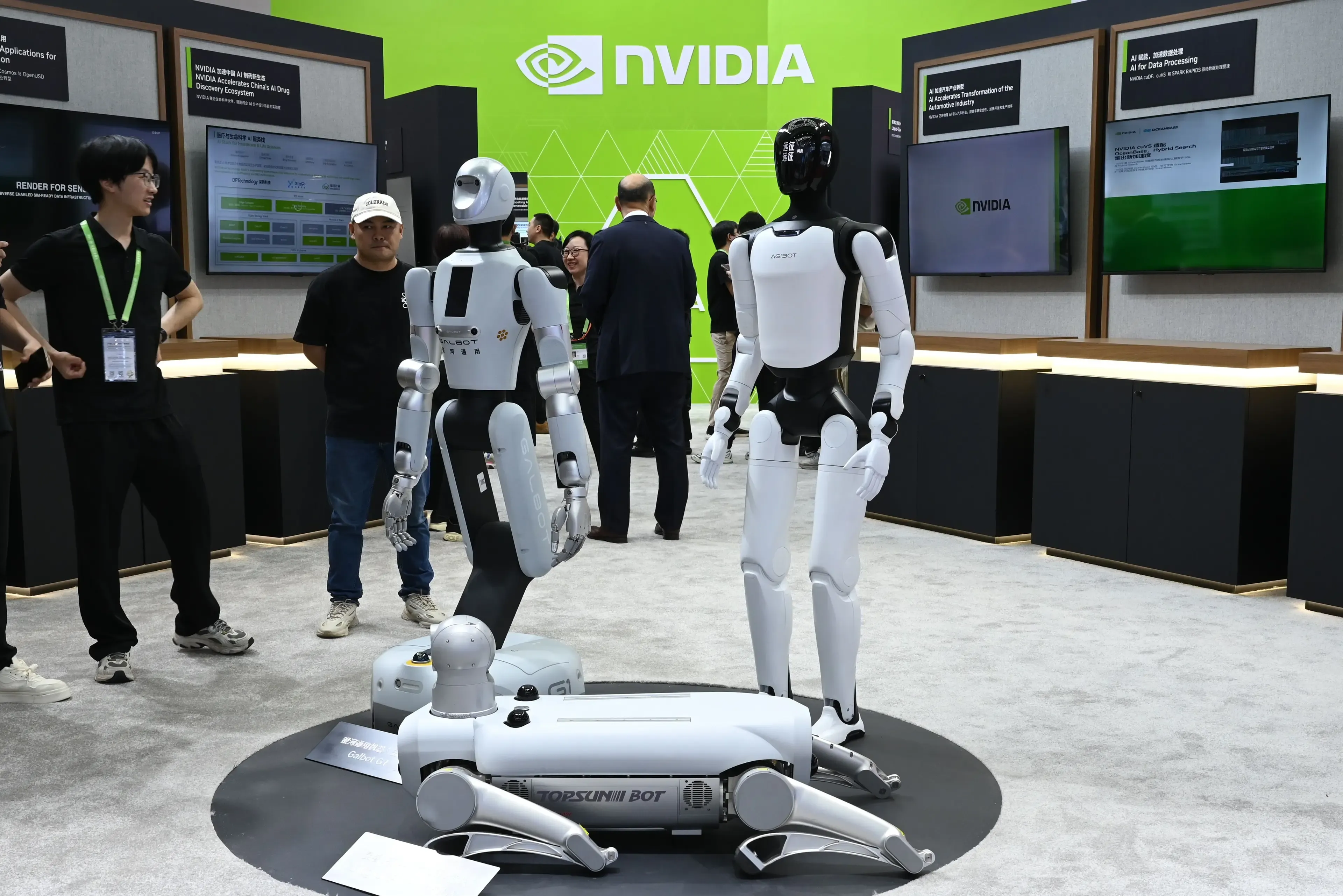
Nvidia rolled out what it calls a "comprehensive safety system" — called Halos for Robotics — for humanoid robots designed to ensure that they can be deployed alongside humans, Axios' Nathan Bomey writes.
- The system incorporates software, processing power, sensors and inspection capability drawn from the company's work on autonomous vehicles.
8. ⚽ 1 fun thing: Messi makes history
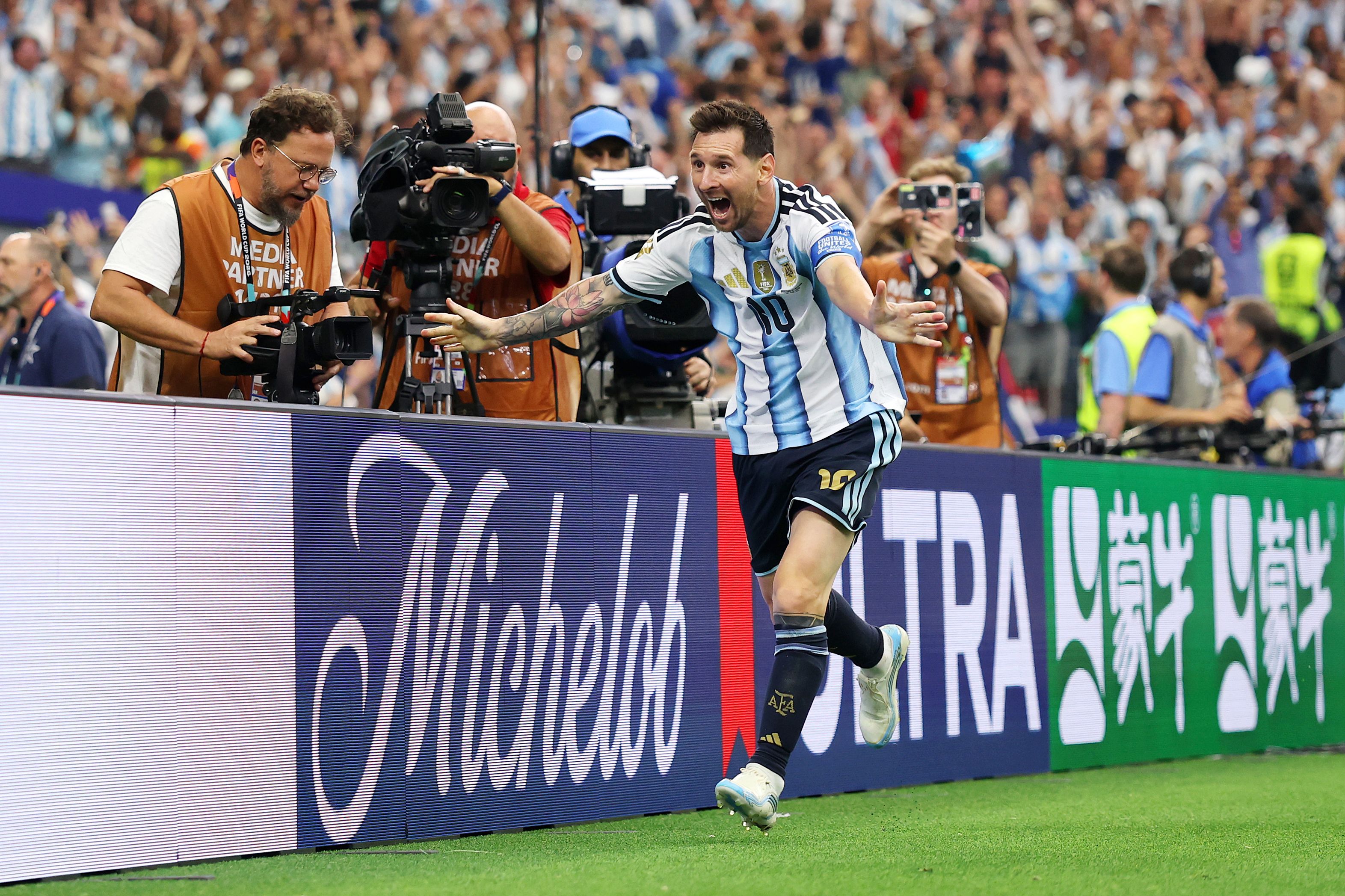
Argentina's Lionel Messi needed to score only once yesterday to break the record for most career goals in World Cup history.
- He scored twice against Austria to reach 18 total goals, Axios Dallas' Naheed Rajwani-Dharsi writes from the stadium.
🇫🇷 🇳🇴 Two other superstars scored twice yesterday: France's Kylian Mbappé and Norway's Erling Haaland.
- Mbappé is tied for second all-time with 16 career World Cup goals.
⚽ Today's schedule: Portugal vs. Uzbekistan (1 p.m. ET) ... England vs. Ghana (4 p.m. ET) ... Panama vs. Croatia (7 p.m. ET) ... Colombia vs. DRC (10 p.m. ET).
📬 Thanks for reading! Please invite your friends to join AM.
Sign up for Axios AM