Axios AM

March 28, 2020
⚡ Situational awareness: The Pentagon says it's made no decisions yet about calling up reservists following President Trump's order authorizing the call-up of an unspecified number to help with coronavirus response, AP reports.
- The Defense Department says it'll consult with state officials, and anticipates tapping people mainly for administrative duties and "high-demand medical capabilities whose call-up would not adversely affect their civilian communities."
☕ Please tell your friends about Axios AM/PM.
- Today's Smart Brevity™ count: 993 words ... < 4 minutes.
1-minute read: 10 fact-based steps to a virus crisis

Illustration: Sarah Grillo/Axios
Here's the quickest possible review of the story so far — how it happened and how the U.S. lost control, narrated by managing editor Scott Rosenberg:
- The first known cases in Wuhan emerged in November or December, and Chinese officials spent part of January downplaying the problem.
- In early January, China posted the virus' genome for all to study. Later that month, China put strict measures in place that helped eventually limit its outbreak.
- Communities around the globe that had previous experience with the SARS outbreak prepared early and have so far avoided the worst impacts.
- The U.S. bought itself some extra time by screening passengers from Wuhan mid-January and advising against unnecessary travel to China later that month.
- But the U.S. squandered that time — failing to resolve the breakdown of its testing system, to ramp up production of masks and ventilators, or to move quickly on social distancing measures.
- Invalid comparisons with seasonal flu outbreaks led individuals and leaders to downplay the virus’ danger.
- For now, until we develop treatments and vaccines, distance and hygiene are the only weapons against the spread of this new virus.
- Shutdowns cause widespread economic harm. So does mass illness. Economies can recover. The dead can’t.
- Our errors have all been on the side of underestimating the virus and, despite warnings, under-preparing for the crisis.
- Whatever mistakes lie behind us, each day offers new chances to limit future harm.
2. Focus group: Minnesota swing voters balk at Easter deadline

Illustration: Sarah Grillo/Axios
Midwestern swing voters who supported President Trump's handling of the coronavirus less than two weeks ago are balking at his (now "aspirational") call for the U.S. to be "opened up" by Easter, Alexi McCammond writes.
- They say they'll tolerate business closures for as long as it takes to contain the spread.
Why it matters: This feedback suggests that some voters who're otherwise mostly supportive of the president — and who still see financial threats outpacing health threats — don't want to risk rolling back safeguards too quickly.
- It also suggests that they'd give Trump a pass if he eases off an April 12 goal (15 days from now), as some White House advisers are pushing.
State of play: Axios and Engagious/FPG reconnected (virtually) with most of a focus group from Edina, Minn., which first met on March 14.
- While a focus group isn't a statistically significant sample like a poll, these responses show how some citizens are thinking and talking.
Between the lines: As in our last discussion with these swing voters, they're still primarily viewing coronavirus as a financial threat.
- All eight participants said yes when asked if it would be worth extending closures of businesses and schools for another six to eight weeks to save 1 million Americans.
- The participants still think Trump is mostly handling the crisis OK — including the one person who voted for Hillary Clinton over Trump.
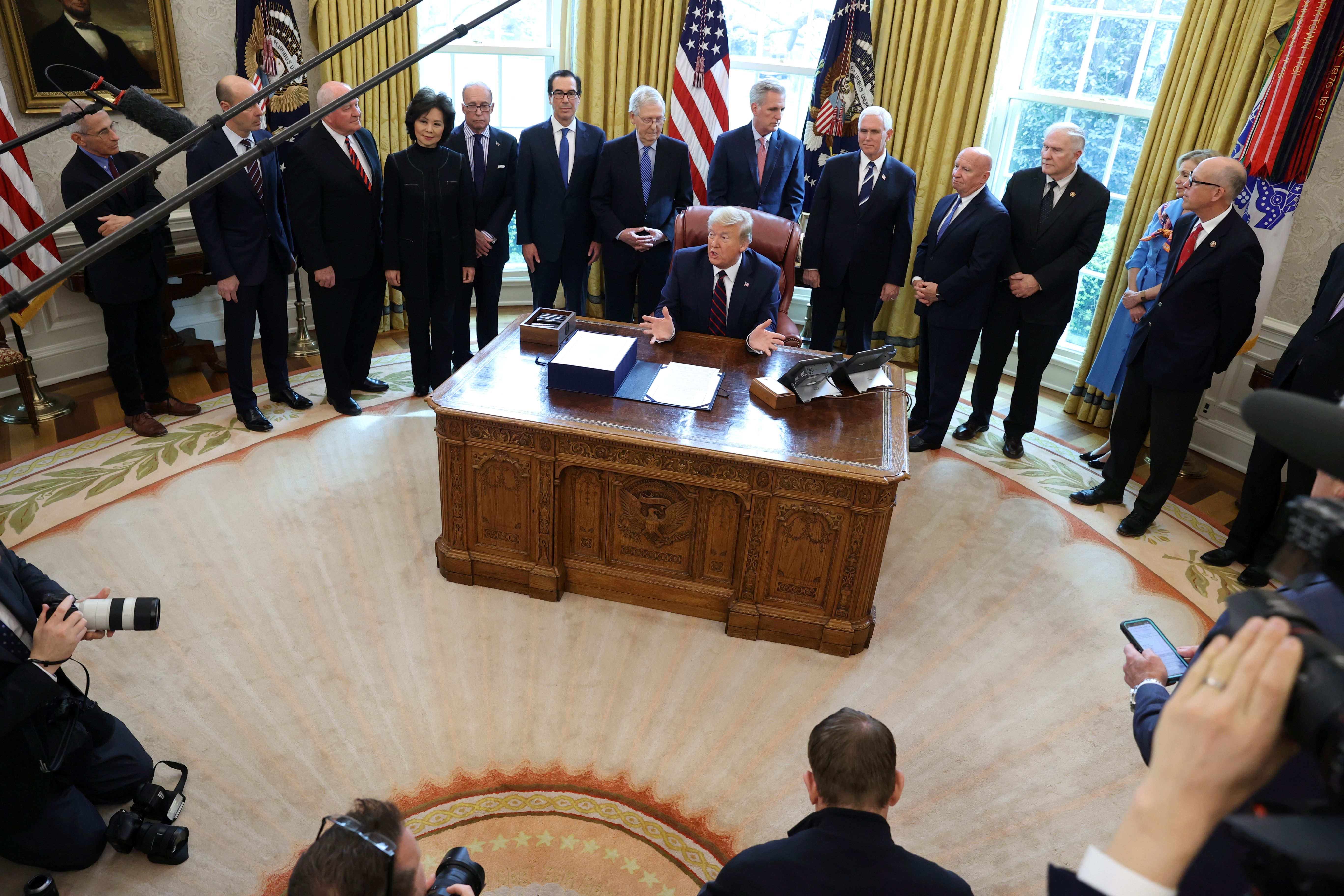
3. What $2,200,000,000,000 looks like

That tall box by Trump's right hand is the text of the $2.2 trillion H.R. 748 CARES Act (Coronavirus Aid, Relief, and Economic Security) as he signed it yesterday, with Democratic leaders not invited.
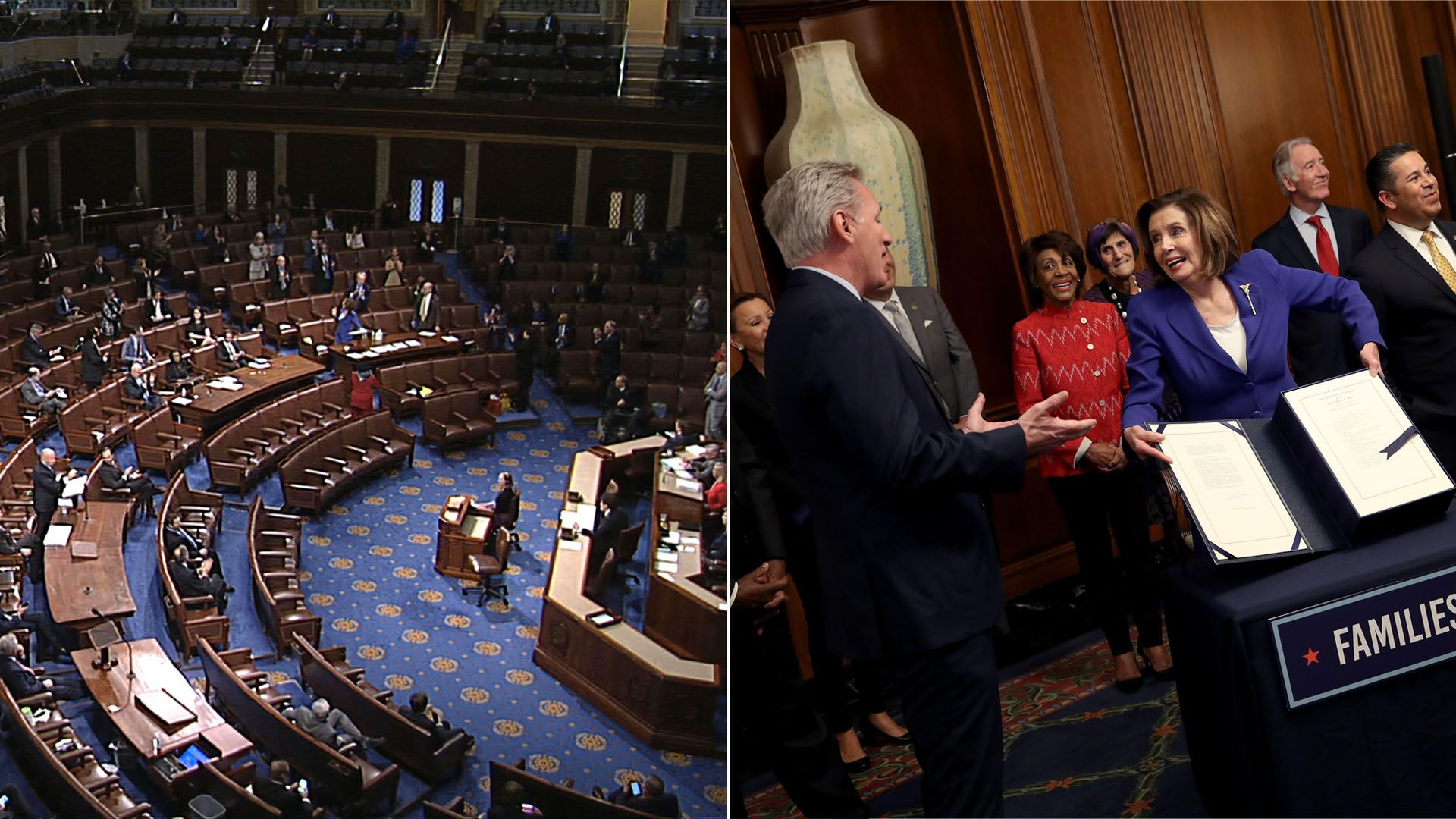
Below, left: House members practiced social distancing as they debated the bill.
- Below, right: Speaker Pelosi was surrounded by a bipartisan group of House members, including House Republican Leader Kevin McCarthy, as she signed the stimulus bill on a table with the banner: "FAMILIES FIRST." (Corrected)
4. Such a great pic

A Costco employee in King of Prussia, Pa., sanitizing carts returned from the parking lot, looks back at a shopper wearing a mask and snorkel.
5. For the time capsule
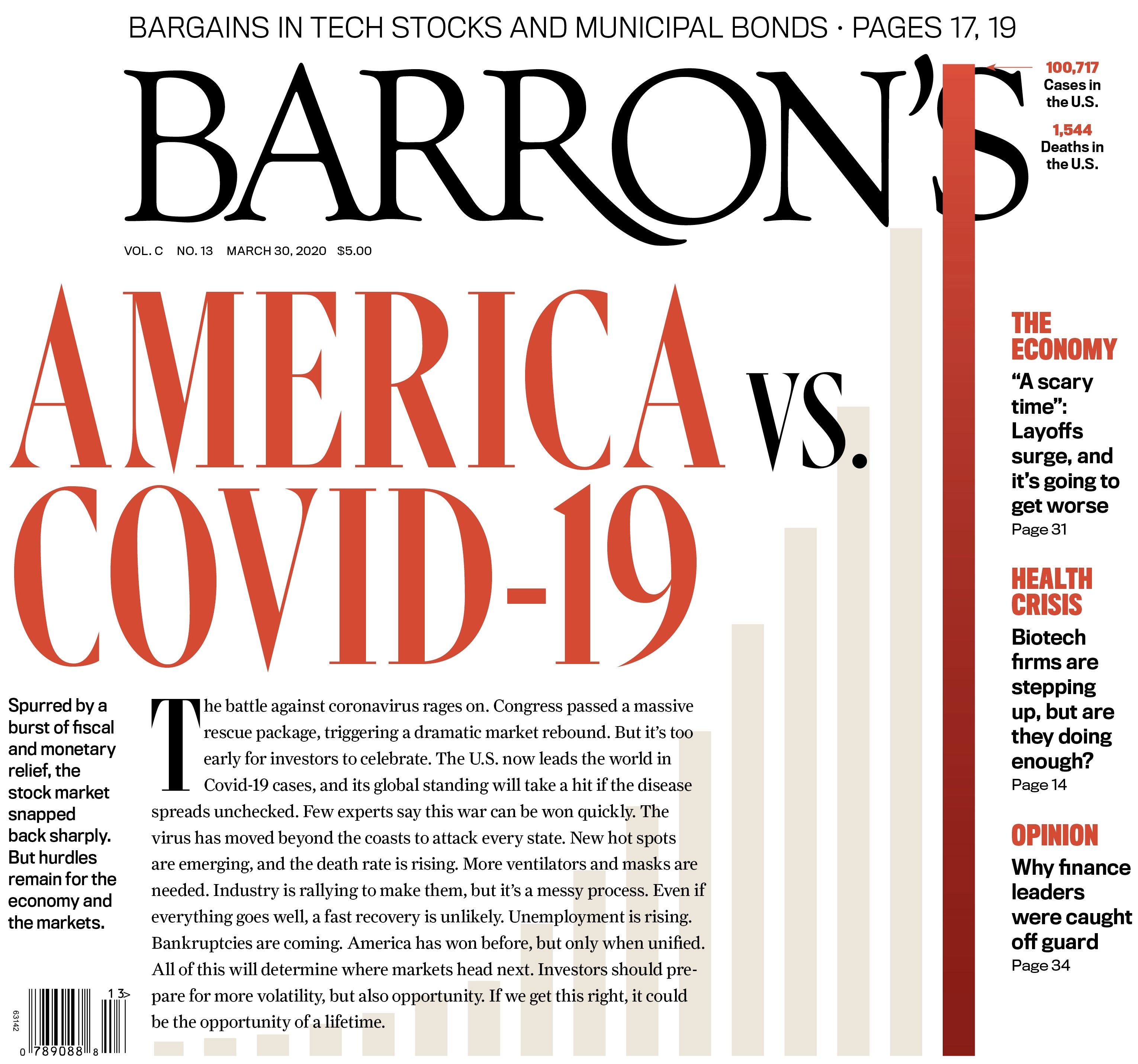
Barron's tells investors this morning: "If we get this right, it could be the opportunity of a lifetime."
6. How it's playing
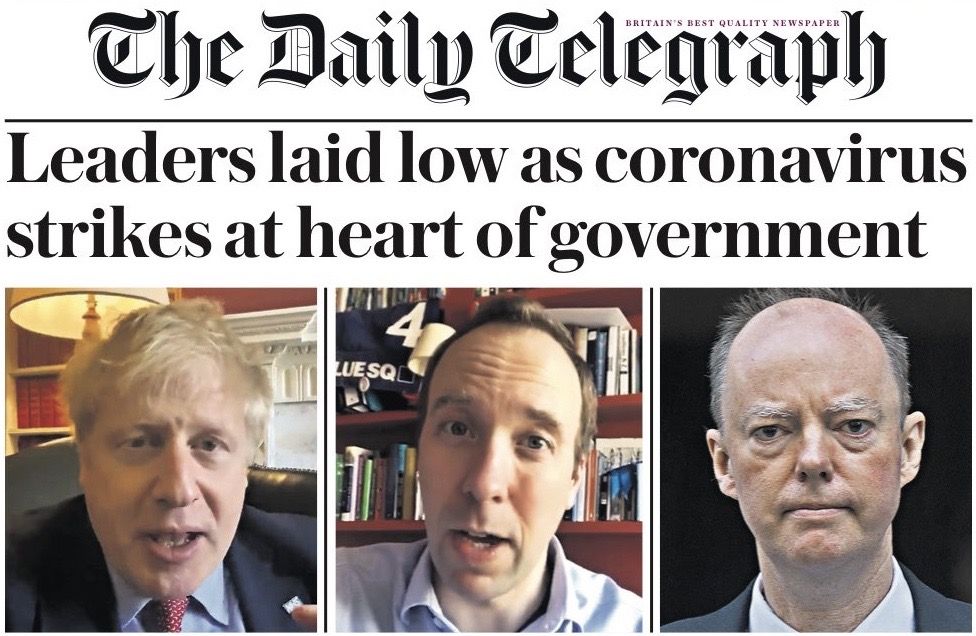
Prime Minister Boris Johnson tested positive for coronavirus and is self-isolating in Downing Street.
- Health Secretary Matt Hancock (middle) said he had also tested positive.
- Chief medical adviser Chris Whitty has shown symptoms. (BBC)

7. Snapshot

This visualization by the UK's National Air Traffic Services compares flights in the air last year with the low number of planes now.
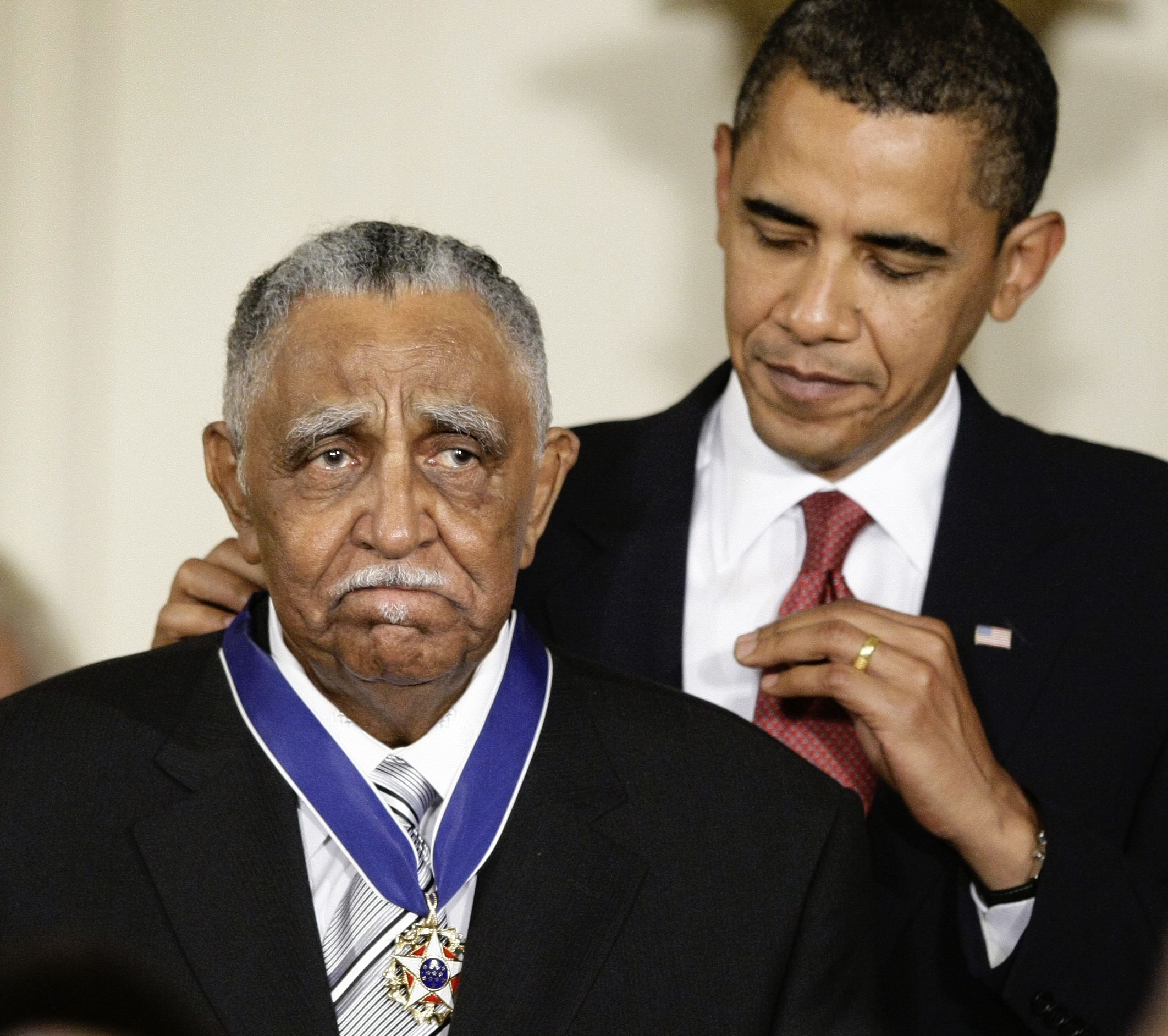
8. Great lives: Joseph Lowery, 98

The Rev. Joseph Lowery fought to end segregation, and lived to see the election of the country's first black president, AP writes.
- For more than four decades after the death of his friend, the Rev. Martin Luther King Jr., the fiery Alabama preacher was on the front line of the battle for equality, with an unforgettable delivery that rivaled King's.
Lowery, 98, died Friday at home in Atlanta, surrounded by family members, from natural causes unrelated to the coronavirus outbreak.
- "We ask you to help us work for that day when black will not be asked to get in back; when brown can stick around; when yellow will be mellow; when the red man can get ahead, man; and when white will embrace what is right," Lowery prayed at President Obama's inaugural benediction in 2009.
9. Quick history: "Politics is motion"
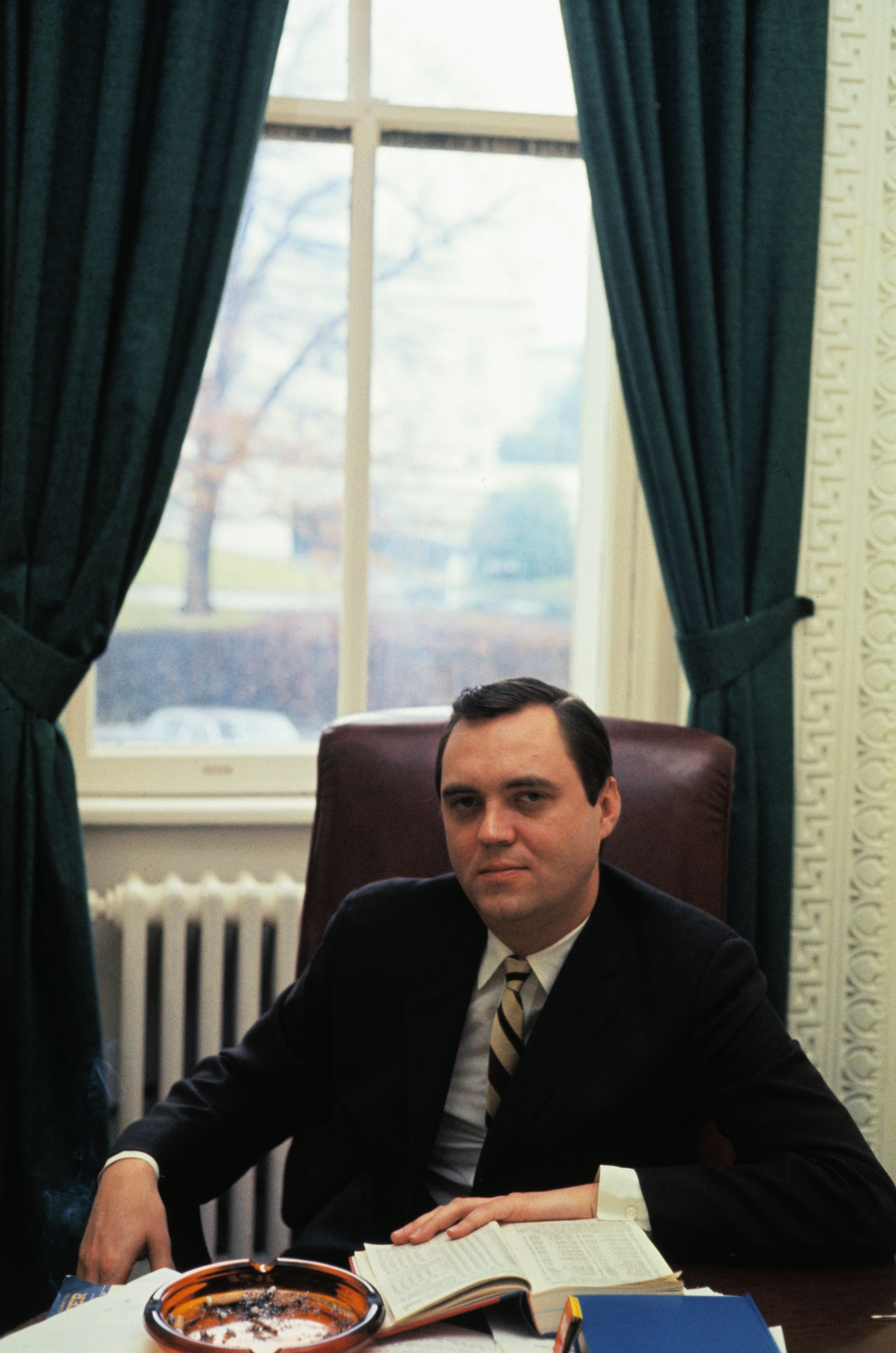
That was the trademark phrase of John Sears, who gets this deft obit lead from the N.Y. Times' Kit Seelye (subscription):
- "John P. Sears, a Republican political strategist who worked for Richard M. Nixon and Ronald Reagan and was fired by both, died on Thursday in Miami. He was 79."
In a 2014 biography, "Tricky Dick," former colleague Roger Stone quotes Sears, "the introverted Irishman":
The key to moving is to be interesting to the voters. ...
The worst thing you can do in politics is trying to sit on a lead or freeze the ball. ... If you are not gaining voters, you are losing votes. Sitting on a lead ultimately bores the voters and they begin to look elsewhere.
10. 1 smile to go

A 102-year-old woman in Genoa, Italy, as recovered from coronavirus after spending more than 20 days in the hospital, per CNN.
- "We nicknamed her 'Highlander' — the immortal," said doctor Vera Sicbaldi, who treated Italica Grondona.
- "Italica represents a hope for all the elderly facing this pandemic."
📬 Thanks for your time during this trying week. Please spread the word about Axios AM/PM.
Sign up for Axios AM

Catch up with the most important news of the day