Axios AM

February 03, 2026

☀️ Hello, Tuesday! A blockbuster issue today, jammed with exclusive Axios expertise & reporting.
- Smart Brevity™ count: 1,649 words ... 6 mins. Thanks to Noah Bressner for orchestrating. Edited by Andrew Pantazi and Bill Kole.
🏛️ The latest: President Trump extracted "yes" votes from two House GOP holdouts for a spending bill yesterday, bringing Speaker Mike Johnson closer to ending the government shutdown now on its fourth day. Keep reading.
- Bill and Hillary Clinton agreed to testify about Jeffrey Epstein before the House Oversight Committee behind closed doors, giving in to Republicans days before a contempt vote. Keep reading.
1 big thing: 3 historic shifts
You can only fully understand politics, business and your own anxiety in 2026 by reckoning with the three, once-in-a-generation shifts unfolding at once, Jim VandeHei and Mike Allen write in a "Behind the Curtain" column:
- The ideologies, tactics and tone of governance.
- The lightning-fast advancements in AI.
- The overnight transformation of how our realities are shaped.
Why it matters: All three are hitting all of us — and all at once. If you focus on only one (like many do with President Trump), you miss the enormity of change pushing our minds and nation somewhere new, different and uncertain.
The good news: Once you see it, you can't unsee it. It helps explain your anxiety, your visceral sense that work and business are evolving, and your confusion about politics and policies. And then you can do something about it.
- We plan to spend this year illuminating these shifts bluntly, but helpfully. We're big believers that you can only successfully navigate reality by fully understanding it.
The shifting tectonic plates:
1. A once-in-a-century shift in politics and governance. President Trump reinvented the Republican Party ... then American politics ... then American governance. He has proudly turned Republicans into an America First movement and stretched the powers of the presidency to unprecedented lengths.
- His actions — and the reactions to him — are reshaping what the parties believe in, who votes for them, the language and platforms our politicians use, the relevance of institutions and outside experts, and the way other nations view us.
- The politics and norms of one short decade ago are unrecognizable today. Democrats, especially California Gov. Gavin Newsom, are adopting many of Trump's most pugnacious tactics. And Democrats are as likely to counter with socialism as they are with more conventional liberalism.
- Whatever politics was before, it won't be again, absent a massive reset.
2. A once-in-a-generation shift in how our realities are formed. Stop thinking about news as a way to understand the world. That's no longer how your reality, and what's left of our shared reality, forms. We call this the "post-news era." We're breaking into hundreds or thousands of information bubbles, shaped and hardened based on our age, politics, jobs and interests.
- Pick six random people (we've both done this at dinners). You'll often find that most get their information from platforms the others never visit, and trust people the others have never heard of.
- The common window we once collectively looked through has splintered into countless pieces. In its place: podcasters, YouTubers, Substackers, and digital and encrypted communities. With attention scattered and trust shattered, we've grown highly susceptible to manipulation, polarization and frustration.
3. A once-in-a-generation technology shift. AI has the promise, and high likelihood, of upending society at a scale greater than the internet — and possibly as profoundly as fire or electricity.
- Anthropic CEO Dario Amodei warns it could destroy half of all entry-level white-collar jobs in a few short years, and has a 25% chance of essentially wiping out human existence. Sit with that sentence for a minute.
- At the same time, there's nothing on the American or global landscape with more promise to cure disease, extend life, stretch our economy and enrich our imaginations. We've no choice but to get this right. You can't slow it or stop it, and government is mostly on the sidelines.
You might find this panoramic portrait of the American landscape horrifying or confusing or electrifying. But it's the most accurate picture of our reality today.
- Any one of these shifts could cause grand social or political upheaval. All three, moving at once, crashing into each other, virtually guarantee it.
The bottom line: Never before has the nation needed more people spending more time thinking more originally about how to change government, business and personal thinking to meet this moment.
- Never before have your understanding and participation been more imperative.
2. 📱 WATCH: New "Behind the Curtain" video series
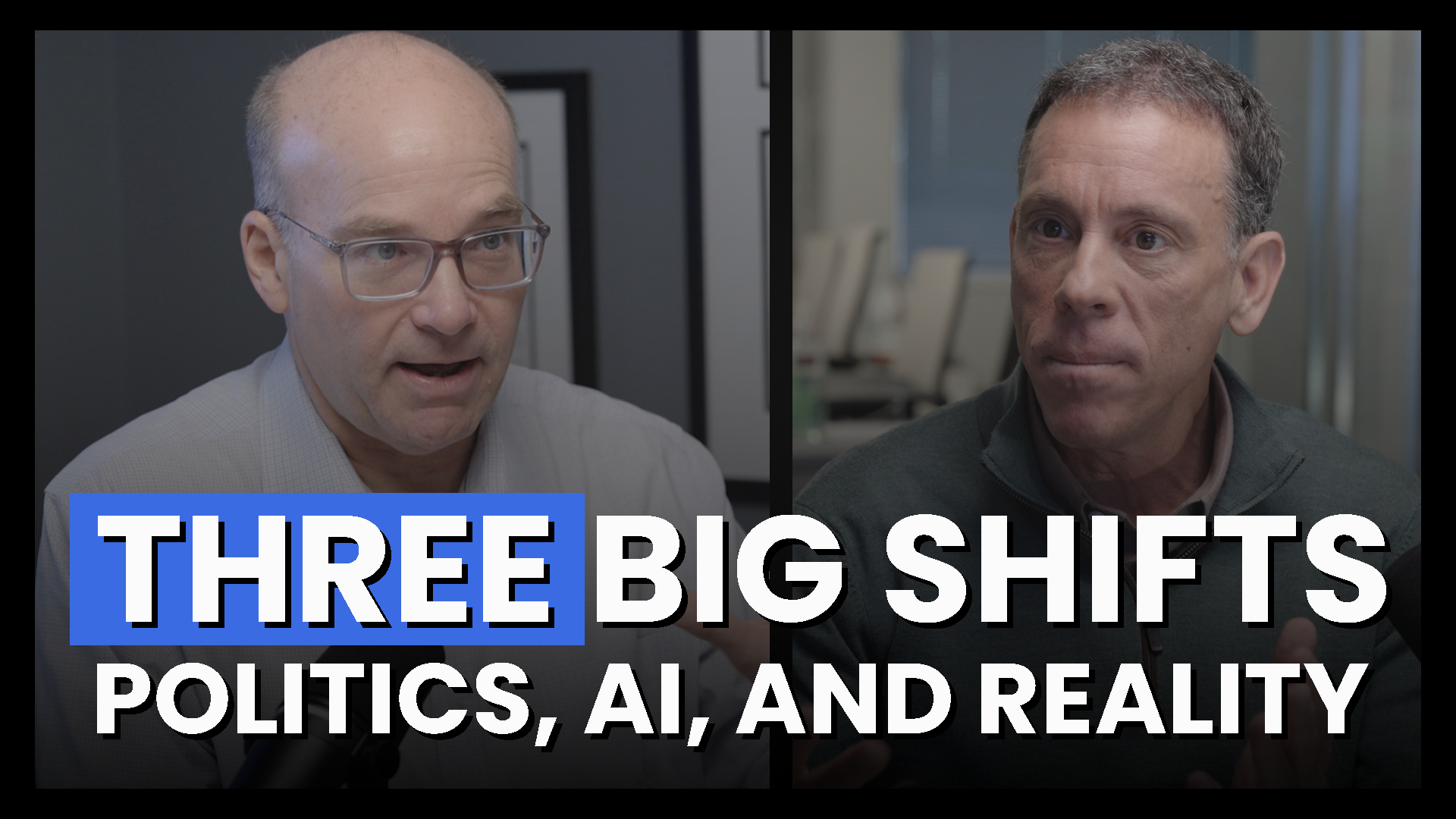
Jim & Mike are back with the second episode of our "Behind the Curtain" video series, produced by Axios' Jimmy Shelton.
3. 🤖 Elon's biggest bet
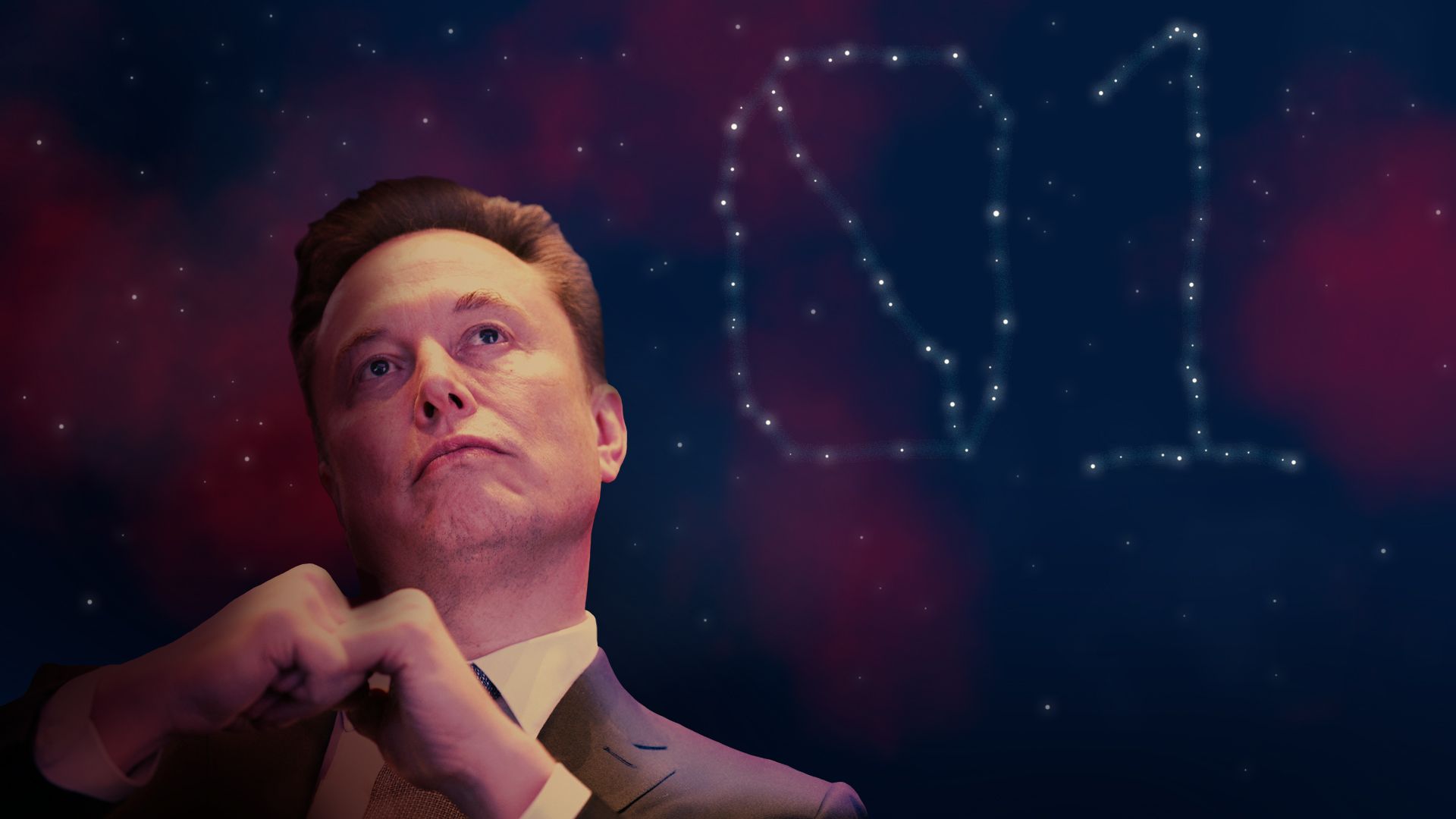
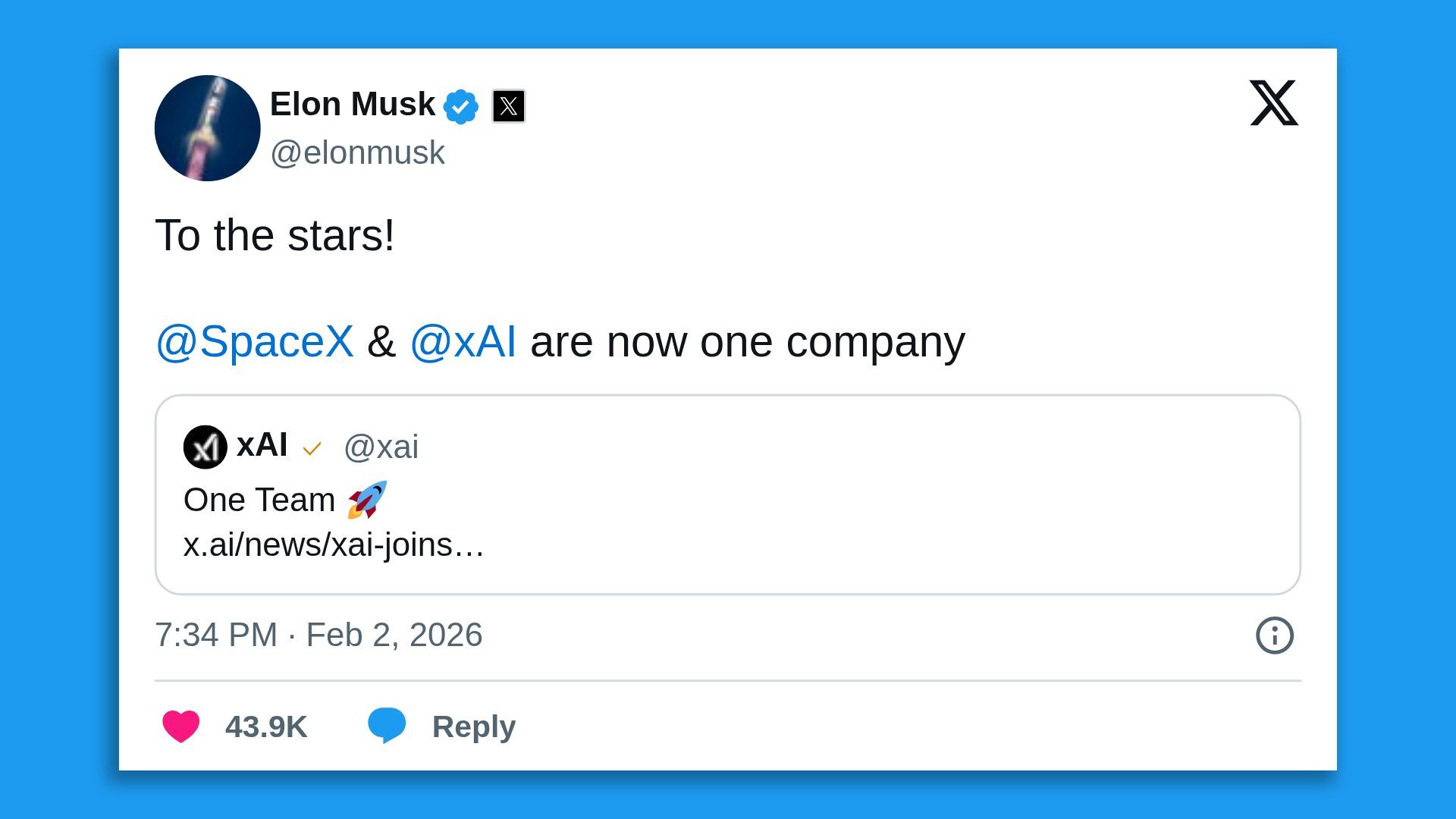
With SpaceX's acquisition of xAI, Elon Musk is making one of the most audacious moves in tech history, Axios Pro Rata author Dan Primack writes.
- Why it matters: Musk — by uniting his space and AI companies — is betting his empire on orbital data centers powered by the sun.
Don't be surprised if this is a prelude to a merger with Tesla, which recently invested $2 billion in xAI:
- Tesla would make the chips.
- SpaceX would be responsible for launches and satellites.
- xAI would build the models and agentic networks.
The big picture: If this works, it could threaten OpenAI — the only AI giant it's impossible to see Musk partnering with or selling services to.
- The combined SpaceX-xAI company is valued at around $1.2 trillion.
4. 🔍 Why the Epstein scandal may never die

The internet is awash in speculation, suspicion and disgust over the millions of new pages of Jeffrey Epstein files released by the Justice Department on Friday, Axios' Zachary Basu writes.
- Few believe the story is anywhere near finished.
Why it matters: The DOJ's final release has delivered tantalizing revelations about Epstein's ties to elite society. But it has brought neither clarity nor closure to the questions that have kept this scandal alive.
Five reasons the public's obsession is unlikely to abate in 2026:
1. An expanding blast radius. Some Epstein associates — British power broker Peter Mandelson, Norwegian royal Mette-Marit, celebrity doctor Peter Attia — are paying real reputational and professional costs.
2. A gap between government and public. The Justice Department has framed its massive document release as the end of its Epstein review, with no sign of further prosecutions.
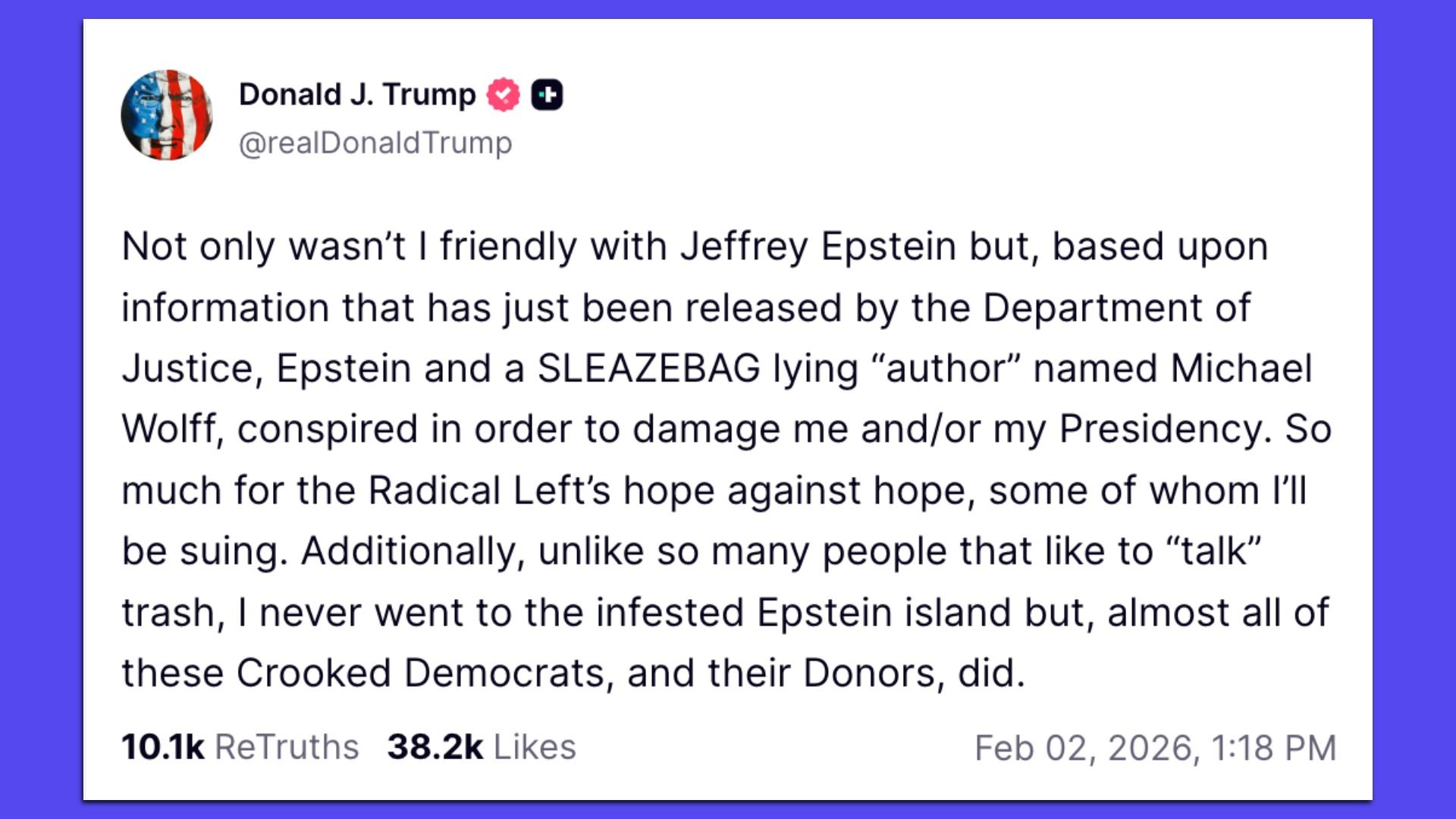
3. Endless intrigue, overwhelming volume. The sheer scale of the Epstein archive — millions of pages of emails, contacts, calendars and recordings — ensures a steady stream of new stories and leads for both journalists and conspiracy theorists.
4. Thriving misinformation. The Epstein files are being consumed in an information ecosystem that struggles with nuance, context and legal standards — where guilt by association is the default.
- AI compounds the confusion: Fake emails, doctored screenshots and AI-generated images circulate alongside authentic ones, tricking even veteran journalists.
5. Epstein as a symbol. The Epstein case has become shorthand for a deeper belief that powerful figures operate by different rules, and that the system is either unwilling or unable to hold them fully to account.
5. 💥 Trump tries gunboat diplomacy on Iran
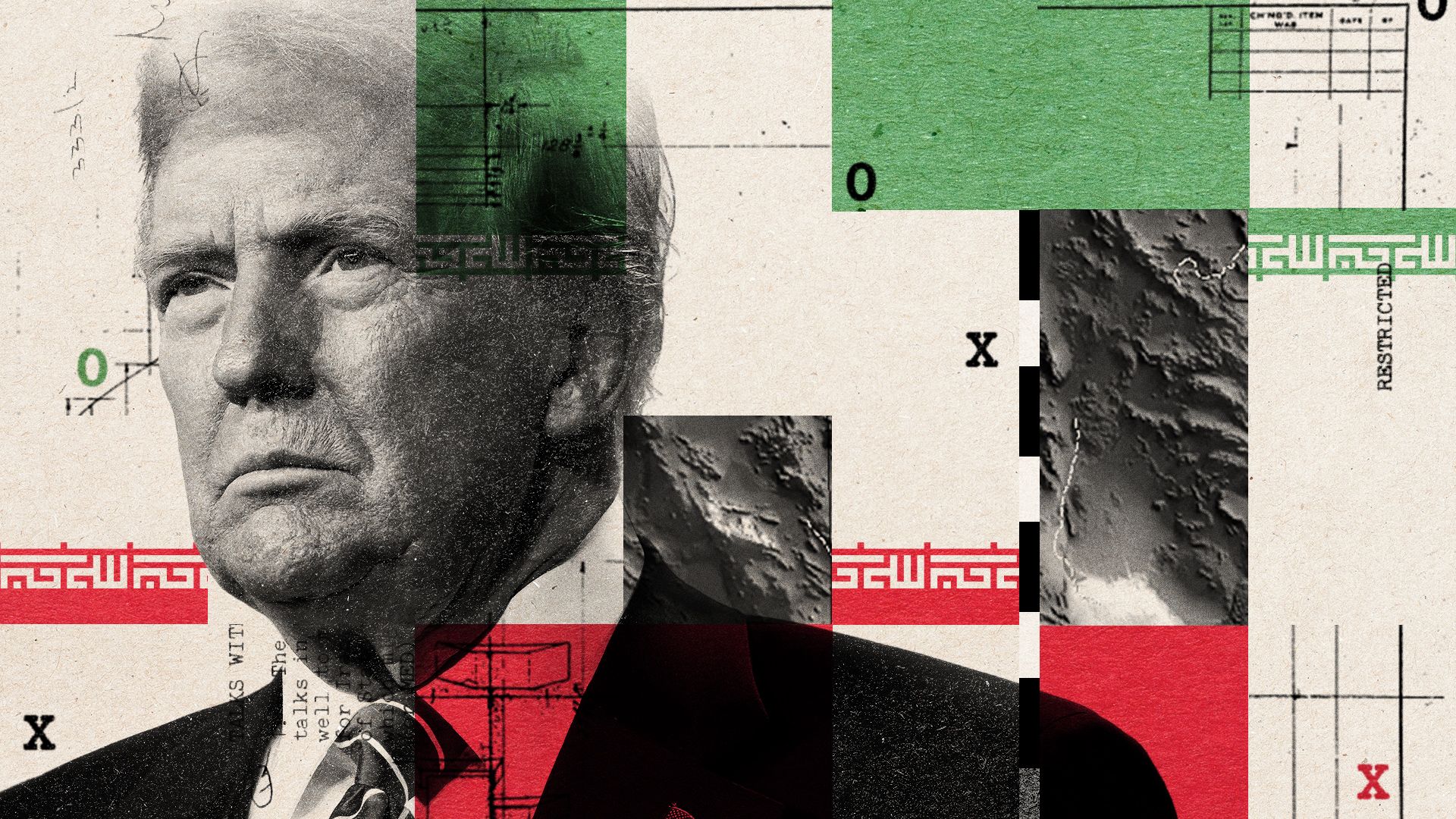
For the third time since returning to office, President Trump is seeking a nuclear deal with Iran, Axios' Barak Ravid and Marc Caputo write.
- Why it matters: Trump heads into the talks planned for Friday with significant leverage: A massive military buildup in the Gulf and an Iranian regime left weaker and more isolated by massive protests.
At the same time, U.S. officials are skeptical that Iran's supreme leader is willing to go anywhere close to the conditions Trump has set for a deal.
- While U.S. officials say the renewed effort is sincere, Trump has veered away from diplomacy and into war once before.
⚡ Behind the scenes: A senior U.S. official said Trump "really does not want to do it."
- In June, Trump believed Iran's nuclear activities posed a "legitimate, imminent threat," the official said. "He does not feel that way here."
- Three Trump advisers told Axios they think launching a military option now wouldn't be the right way to go. One said that skepticism holds for many in Trump's close orbit.
👀 What to watch: Trump is on the diplomatic path, but he might not follow it for long.
- A senior official from one of the mediating countries told Axios: "If Iran doesn't come to the talks on Friday with tangible things, it could find itself very quickly in a very bad situation."
6. 🚧 Kennedy Center makeover plans

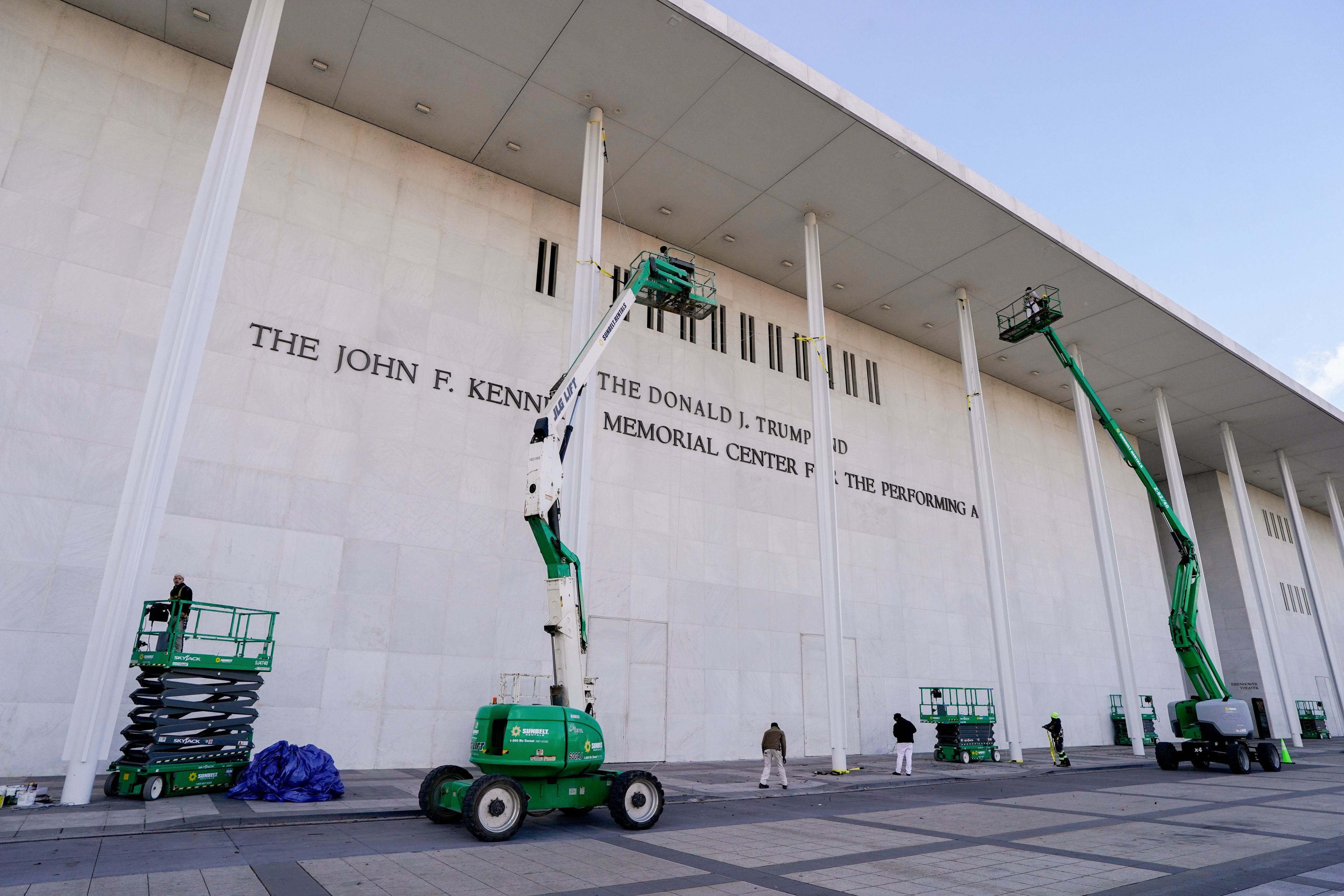
President Trump's forthcoming closure of the Kennedy Center — announced with few details — casts doubt over one of Washington's most prominent cultural institutions, Axios D.C.'s Cuneyt Dil and Anna Spiegel write.
- Why it matters: The president's vague promise of a "complete rebuilding" could further roil the arts world, trigger clashes with Congress and federal planners, and disrupt thousands of local jobs.
Asked yesterday if he'd tear down the building, Trump told reporters: "I'm not ripping it down. I'll be using the steel. So we're using the structure, we're using some of the marble and some of the marble comes down."
- He also said the venue would "have all brand-new heating, air conditioning."
Go deeper: What we know about Trump's Kennedy Center closure.
7. 📸 1,000 words

White House Press Secretary Karoline Leavitt and White House Chief of Staff Susie Wiles use their phones as President Trump announces the creation of a U.S. strategic reserve of critical minerals.
- The strategic reserve is designed to protect domestic manufacturers from supply shocks and ease reliance on China, Axios' Ben Geman writes.
8. 🦎 1 for the road: Frozen lizard bounty
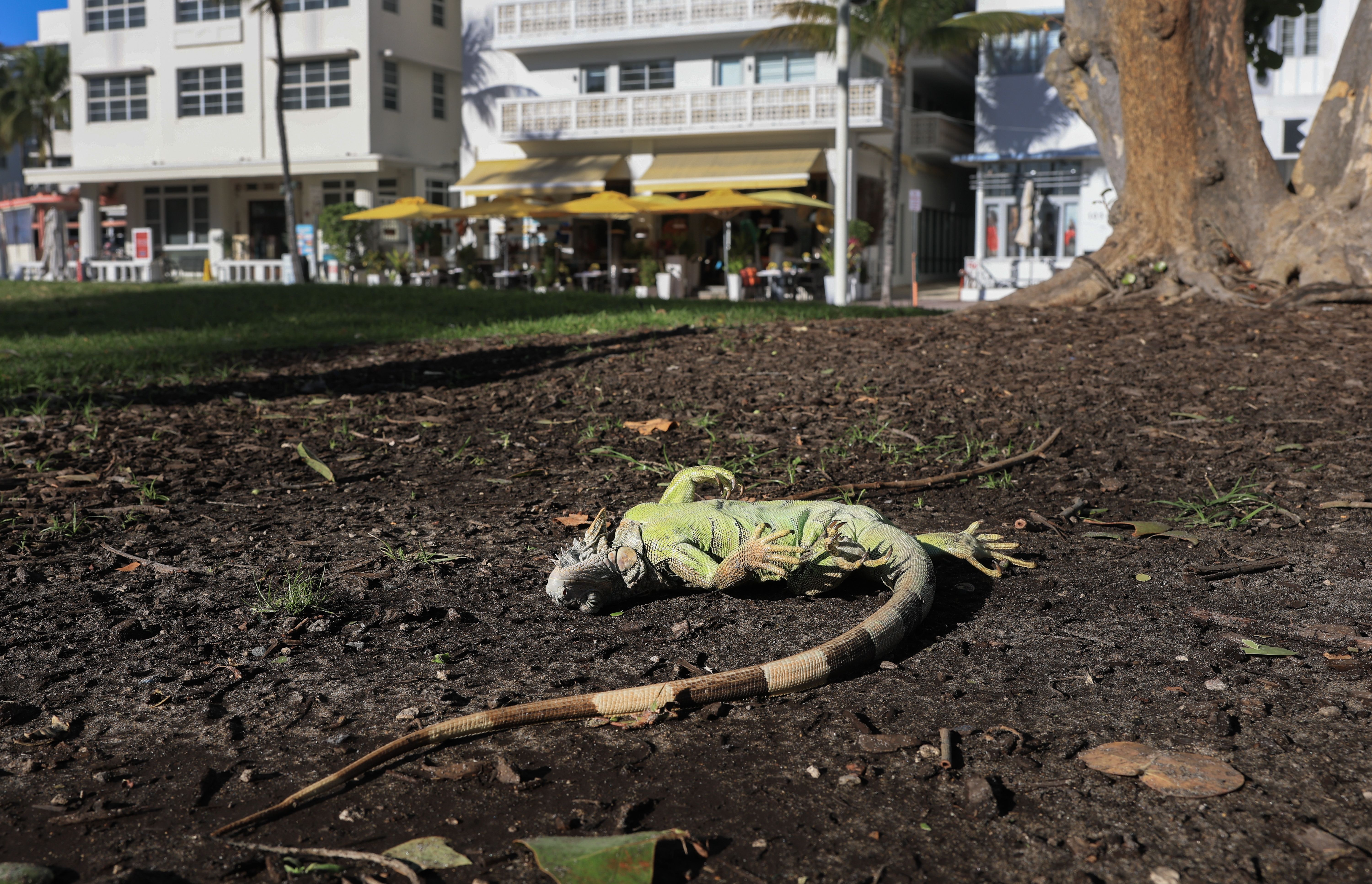
Floridians have captured more than 2,000 stunned iguanas during the cold snap, Axios Miami's Martin Vassolo writes.
- Florida's Fish and Wildlife Conservation Commission asked residents to take advantage of the unusually frigid weather — which stuns the reptiles — to remove the invasive lizards.
During the two-day roundup, the state waived a permit requirement to possess and transport live iguanas. They can be "humanely killed" year-round with landowner permission.
- Keep reading ... Get Axios Local: Newsletters in 34 cities.
📬 Thanks for reading! Please invite your friends to join AM.
Sign up for Axios AM