Axios AM

March 02, 2026

1 big thing: Trump's lethal presidency
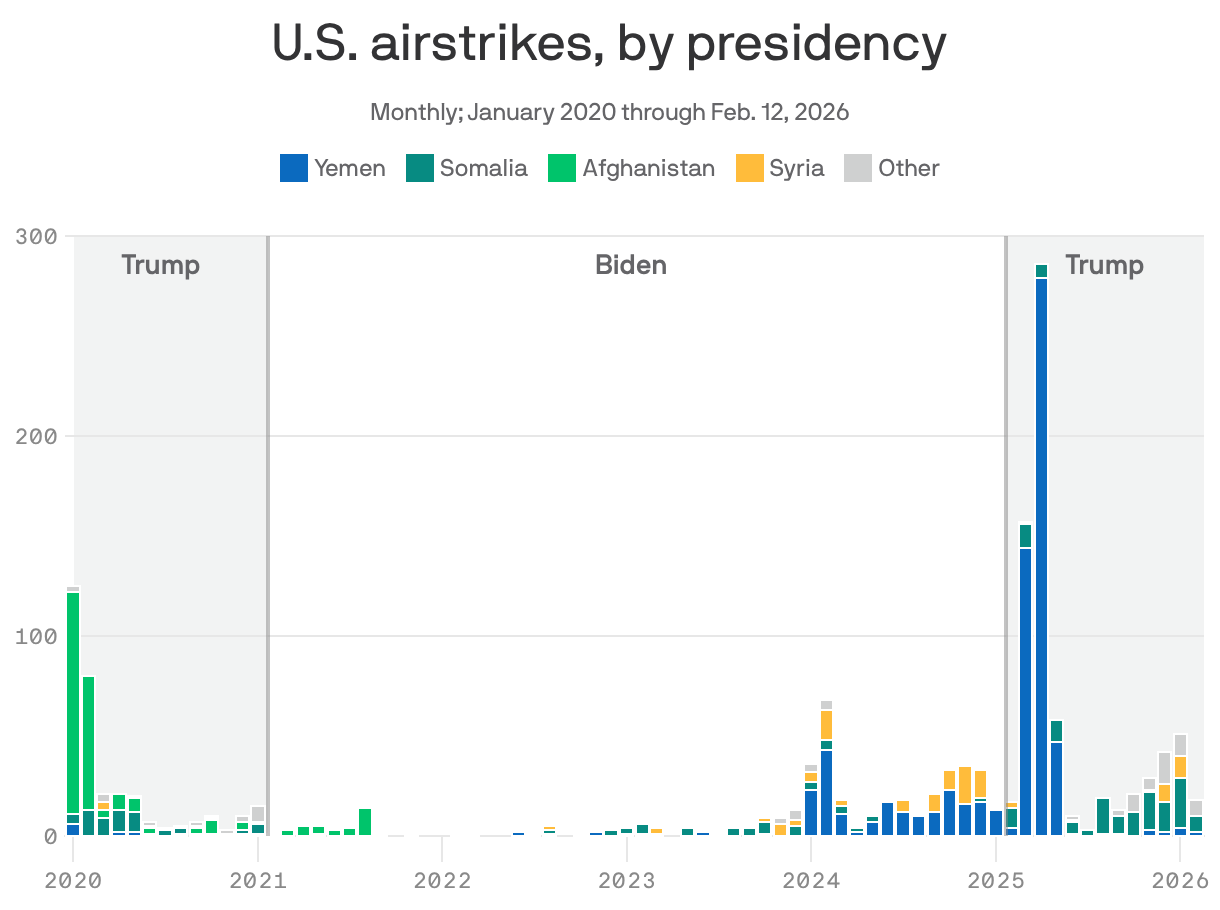
No president in the modern era has ordered more military strikes against as many countries as Donald Trump, Axios' Zachary Basu writes.
- He has attacked seven nations, three of which — Iran, Nigeria and Venezuela — had never been targeted by U.S. military strikes. He authorized more airstrikes in 2025 than President Biden did in four years.
Why it matters: Trump ran as an anti-war candidate. The White House argues he still is — that he exhausts diplomacy before acting, and that projecting overwhelming force is itself a path to lasting peace.
- The deaths of three U.S. service members in the first 24 hours of Trump's Iran strikes puts that argument to its most brutal test.
- "Sadly, there will likely be more before it ends. That's the way it is," Trump said in a video statement yesterday. "But we'll do everything possible where that won't be the case," he added, vowing to "avenge their deaths."
🖼️ The big picture: Trump's strikes are historically distinctive not just in number but in kind.
- President Bush's post-9/11 campaigns and President Obama's drone wars were massive in scale — but concentrated in inherited or congressionally authorized theaters.
- Alongside traditional counterterrorism efforts, Trump has opened new fronts — a Christmas Day strike in Nigeria, drug boats sunk in the Caribbean, Nicolás Maduro snatched from Caracas.
- His preferred model is consistent: no boots on the ground, no lengthy entanglements, overwhelming force applied quickly and framed as essential to defending American interests.
Zoom in: The ongoing U.S. military operation against Iran now stands in a league of its own — the most aggressive, high-risk foreign policy act of Trump's presidency.
- Trump launched Operation Epic Fury — a joint U.S.–Israeli campaign explicitly aimed at toppling Iran's government — without congressional authorization or sustained public debate.
- It was preceded by the largest U.S. military buildup in the Middle East since the 2003 invasion of Iraq — a warning to Iran that failed talks in Geneva would have consequences.
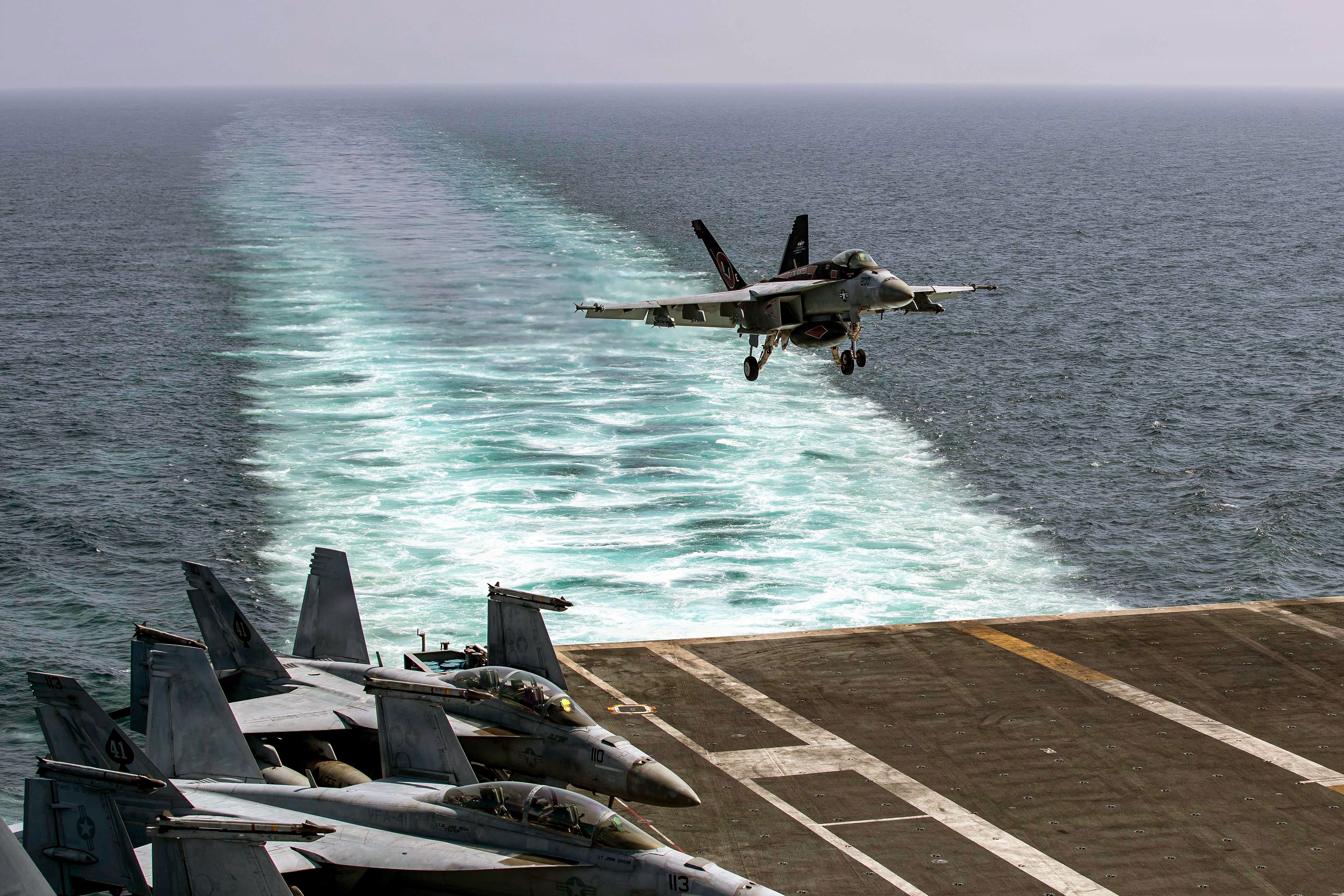
🔭 Zoom out: Trump outlined multiple targets for an operation he said could last four weeks: destroy Iran's ballistic missiles, its rocket factories and its navy.
- Iranian Supreme Leader Ali Khamenei was assassinated by Israeli strikes in the first 24 hours, along with dozens of senior regime officials.
- U.S. and Israeli strikes show no sign of letting up, as Iran's retaliatory missiles and drones batter Gulf allies.
Back home, some of Trump's most loyal supporters are struggling to square this war with the candidate they elected.
- Several MAGA influencers resurfaced a warning last June from the late activist Charlie Kirk, who called regime change in Iran "insane" and predicted it would result in "a bloody civil war."
2. ⏳ Inside Trump's Iran strike delay
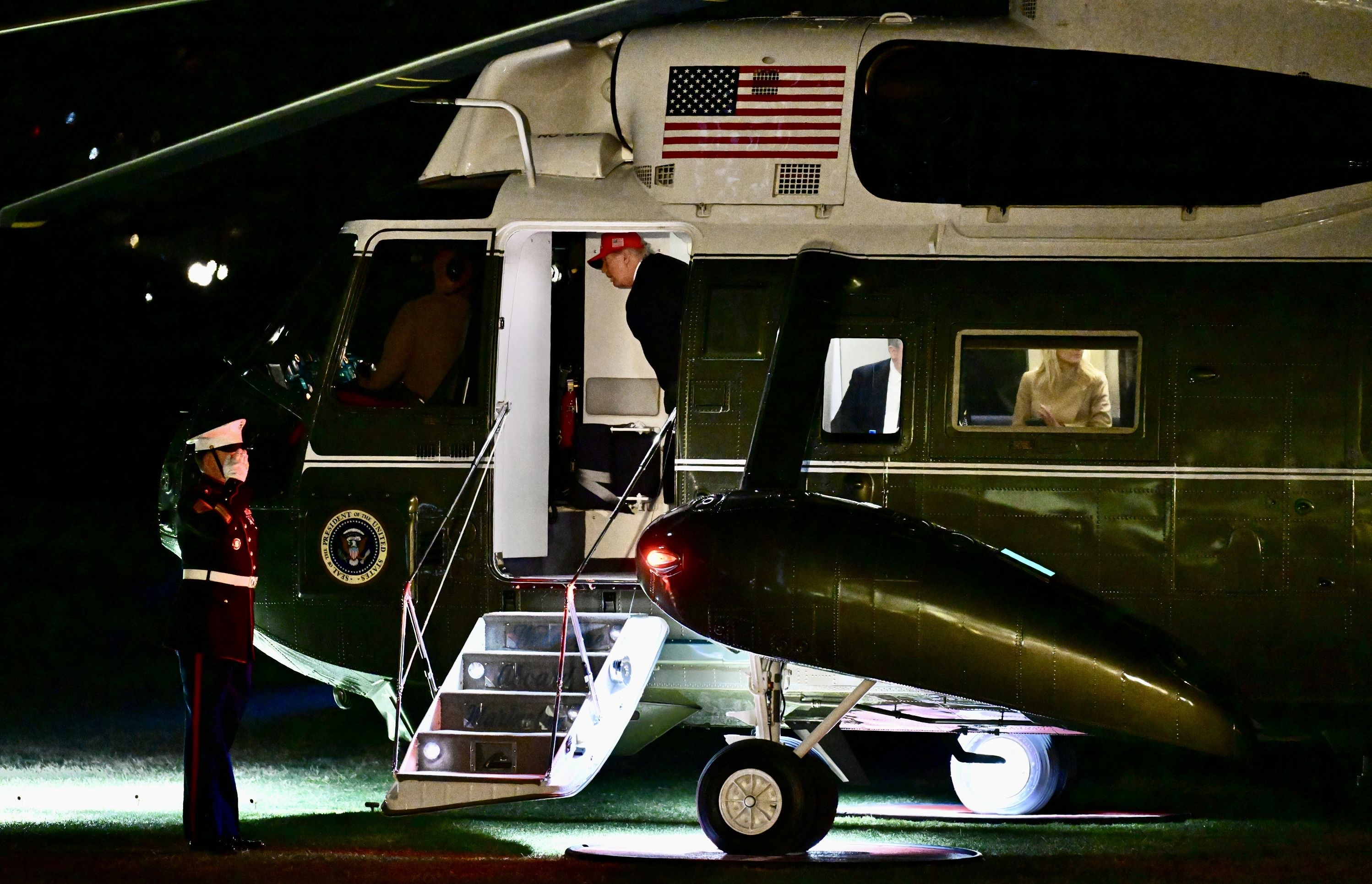
The U.S. and Israel originally planned to attack Iran a week before they did, but the opening strike was delayed for operational and intelligence reasons, senior U.S. and Israeli officials tell Axios' Barak Ravid and Marc Caputo.
- Why it matters: The delay gave President Trump another week to choose between the two parallel tracks — diplomacy and war — he had been walking for nearly two months.
It also made the final round of nuclear talks in Geneva far more consequential, giving Iran one last chance to make a deal.
👀 Behind the scenes: After the second round of U.S.-Iran talks ended without significant progress on Feb. 17, U.S. and Israeli military planners were preparing to launch strikes four days later — on Saturday, Feb. 21.
- But the go-ahead never came. U.S. and Israeli officials cited bad weather as a key reason.
- A second Israeli official said the delay was driven primarily by the U.S. side and linked to the need for better coordination with the Israel Defense Forces.
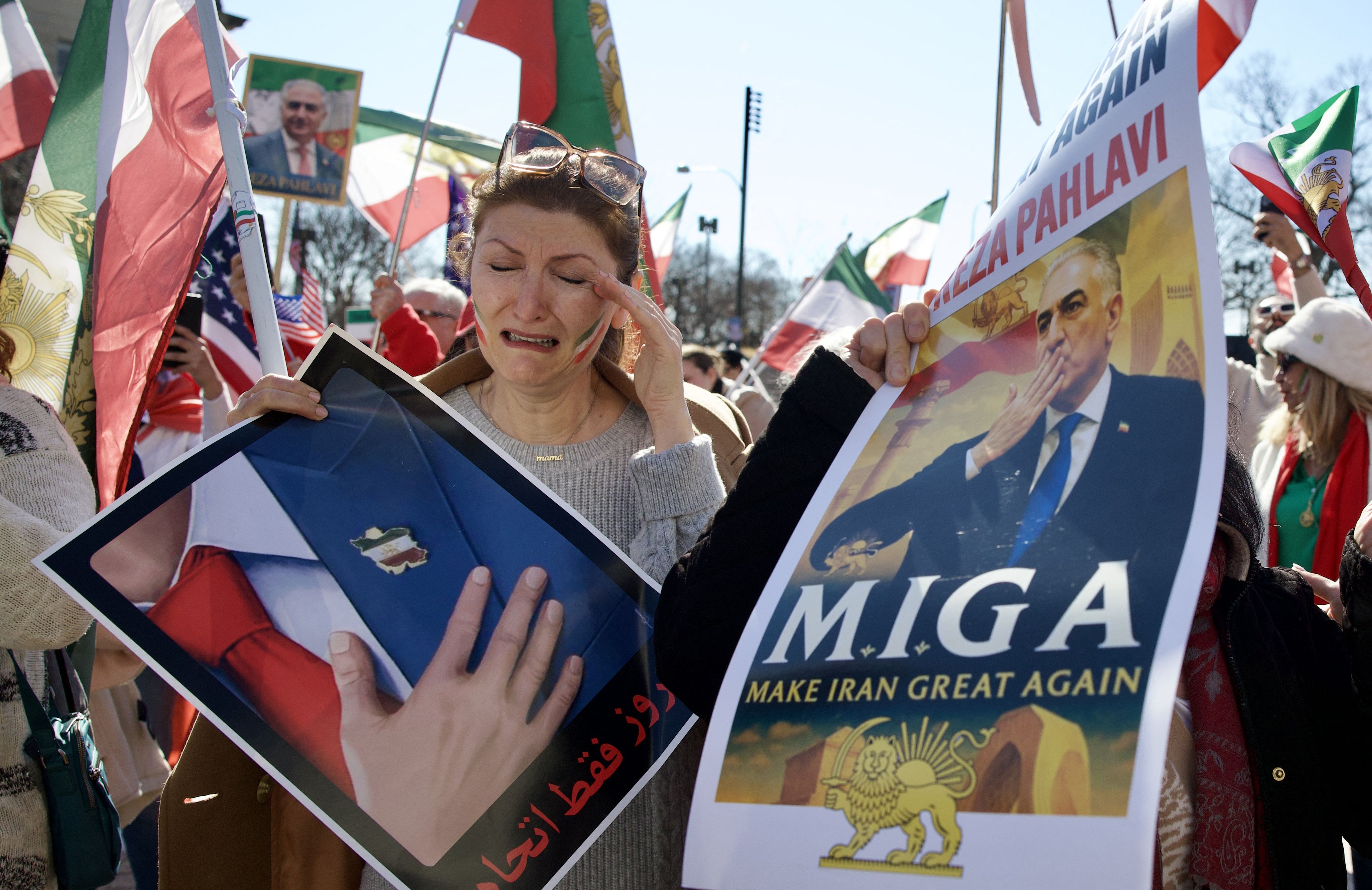
🔎 Zoom in: The opening strike was designed to hit Iranian Supreme Leader Ali Khamenei and his sons, as well as several gatherings of senior Iranian officials — including a routine meeting held every Saturday, according to a senior Israeli official.
- In the week between the original and updated strike dates, Israeli and U.S. intelligence officials grew increasingly nervous that Khamenei would move from his residence to an underground bunker.
3. 👢 GOP's Texas trepidation
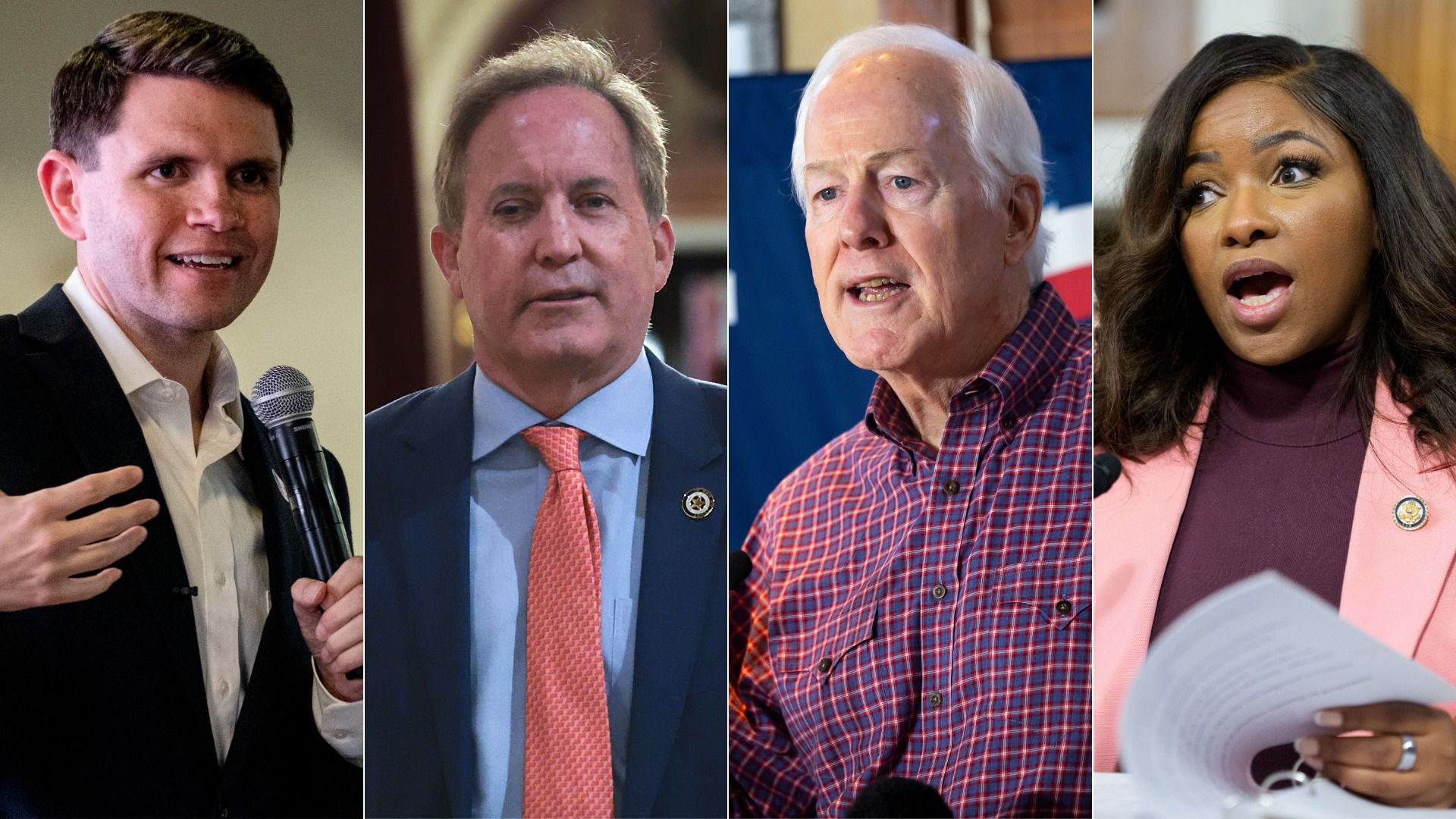
GOP operatives tell Axios they're worried their worst possible scenario is unfolding in tomorrow's Texas Senate primaries, Axios' Alex Isenstadt writes.
- Why it matters: Sen. John Cornyn's seat has long been a virtual lock for the GOP. But competitive races in both parties' primaries — and the national headwinds facing Republicans — have blown up all assumptions.
Top Republican operatives think James Talarico, a state House member and seminary student, has a slight edge over his Democratic primary rival, Rep. Jasmine Crockett.
- Republicans believe Talarico and his "progressive Christian" campaign pitch would be a tougher general election opponent than Crockett, who has gained a national profile with her sharp criticism of the Trump administration.
On the GOP side, party strategists say Texas Attorney General Ken Paxton — a MAGA loyalist they regard as a weaker November candidate than Cornyn — has the advantage over the senator tomorrow, if recent polls are right.
- Paxton and Cornyn are expected to be the top two vote-getters in the crowded Republican primary. They'd face each other in a May 26 runoff if neither gets a majority.
4. 🛢️ Charted: War hits oil
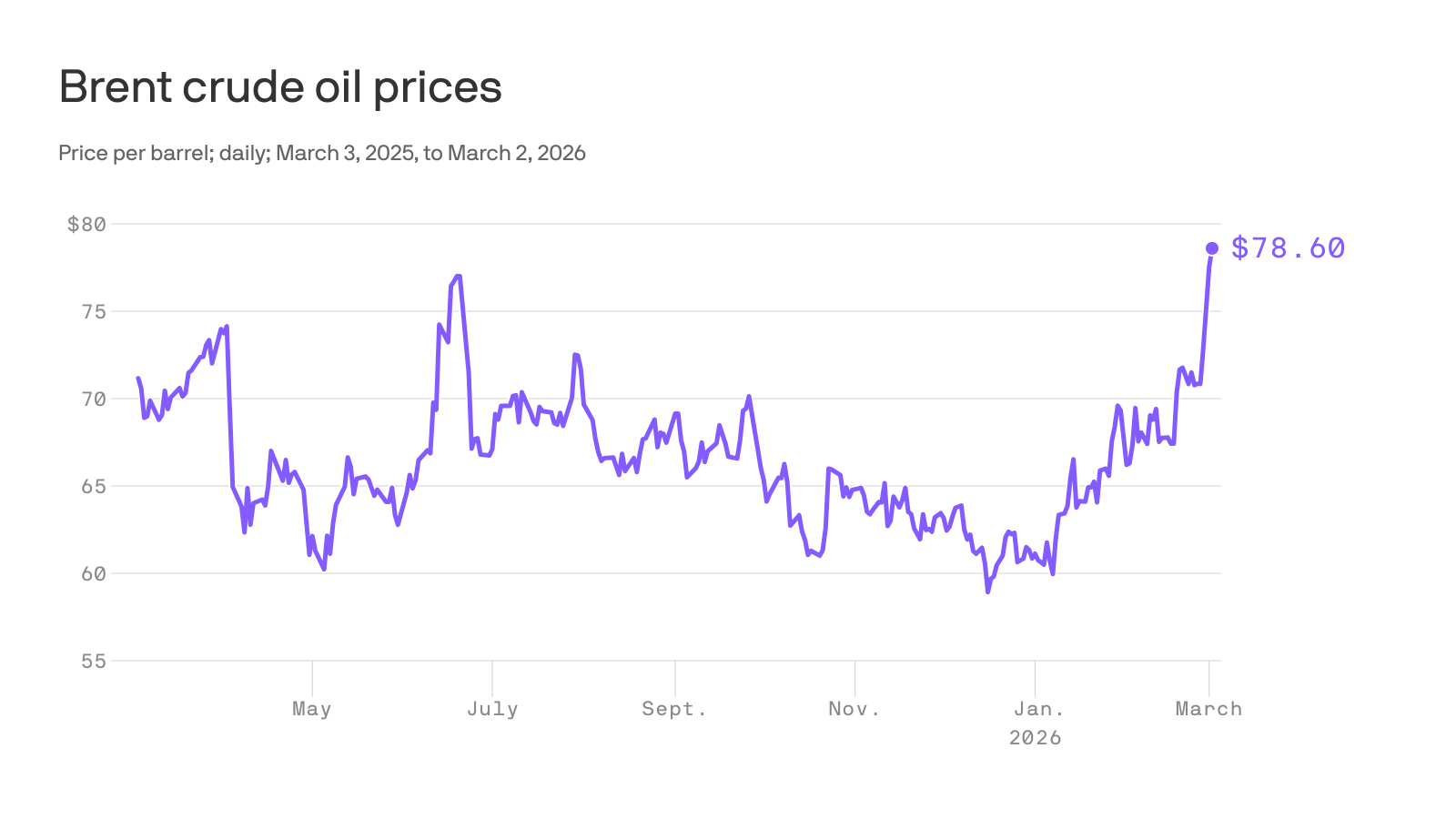
Saudi Arabia's largest oil refinery, Aramco's Ras Tanura, was at least partially shut down as a precaution today after a drone attack.
- And an oil tanker was attacked in the Gulf of Oman by a bomb-carrying drone boat, sparking a fire and killing one, Oman says.
Why it matters: The refinery strike could mark a widening of the new Middle East war, which previously hadn't targeted petroleum-related sites, writes Ben Geman, author of Axios Future of Energy.
- Torbjorn Soltvedt, a top analyst with risk intelligence firm Verisk Maplecroft, said in a note: "The attack on Saudi Arabia's Ras Tanura refinery marks a significant escalation, with Gulf energy infrastructure now squarely in Iran's sights."
5. 🔎 Austin shooting probed for terror links
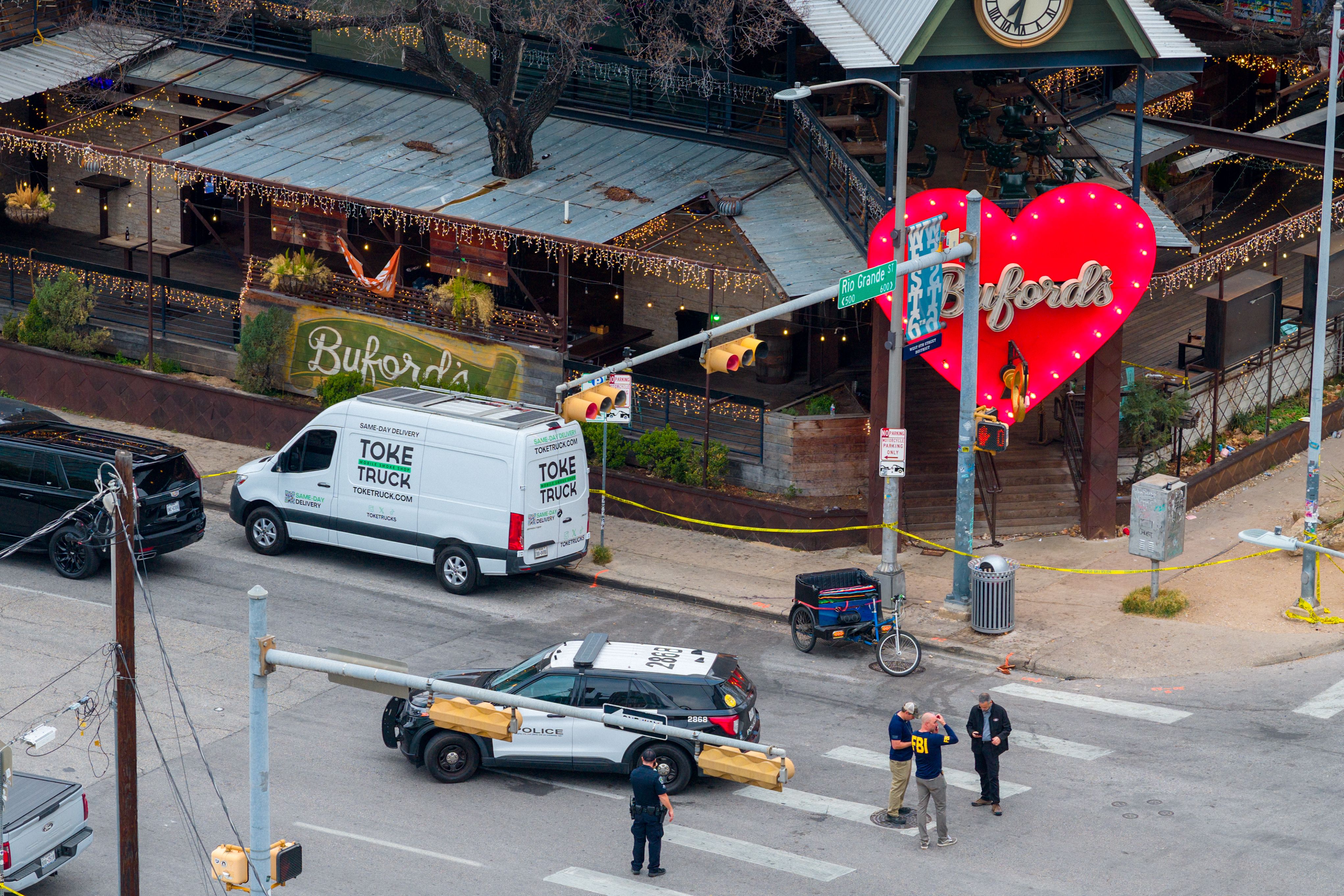
The gunman in a mass shooting on popular West Sixth Street in Austin early yesterday morning wore a sweatshirt that said "Property of Allah" and another shirt with an Iranian flag design, a law enforcement official told AP.
- The FBI is investigating the shooting in the downtown bar district as a potential act of terrorism, Axios Austin's Nicole Cobler writes.
The shooting at Buford's bar left two dead and 14 wounded, with three in critical condition.
- Police identified the shooter as Ndiaga Diagne, 53, a naturalized U.S. citizen originally from Senegal. Police shot and killed the gunman.
6. 🗳️ Iran strikes shake up Dem primaries
7. 📸 New statues in Rose Garden
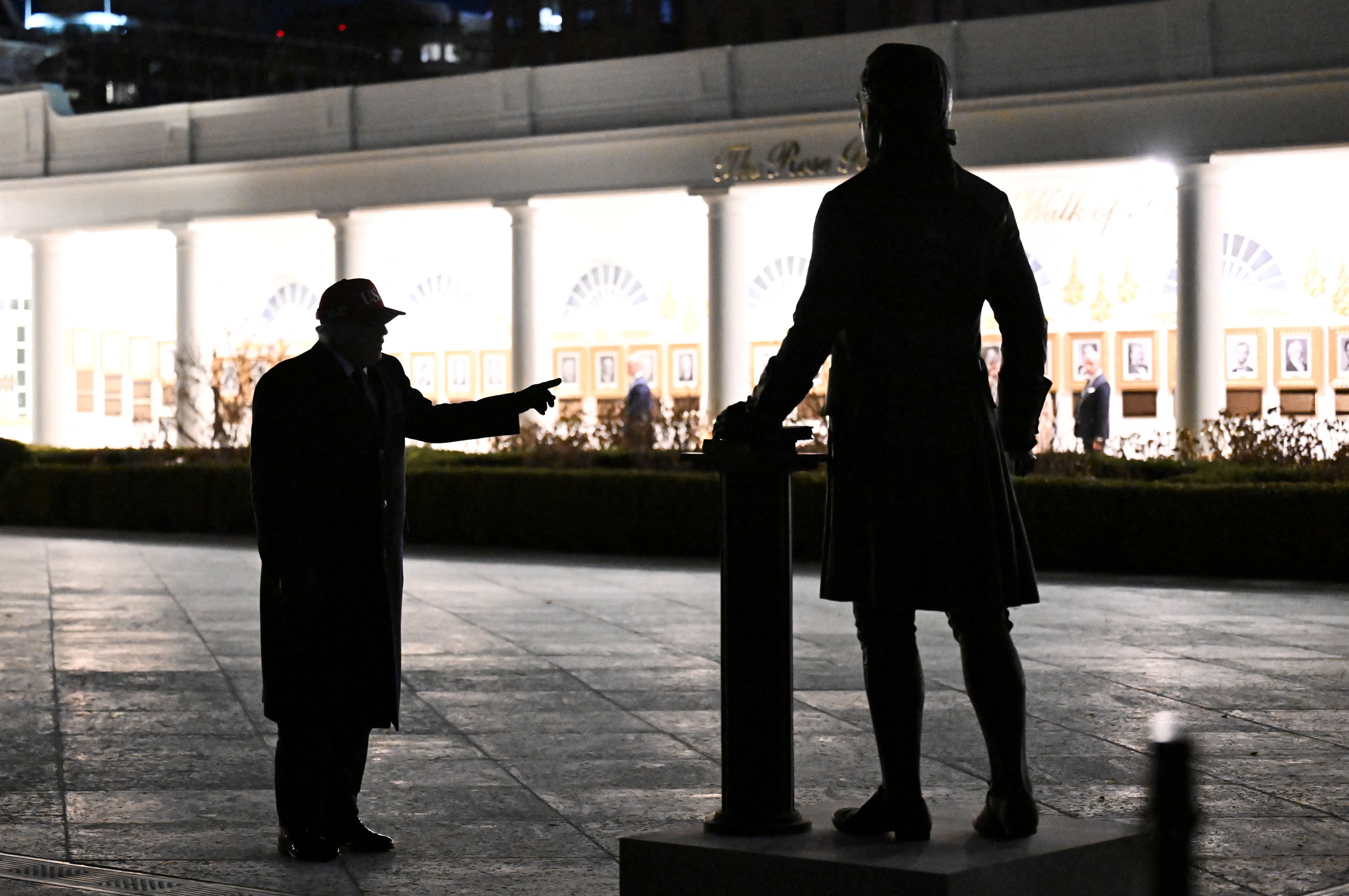
As the White House cranks up preparations for America's 250th birthday this summer, statues of Founding Fathers have been added to the now-paved Rose Garden. President Trump checked out the new statuary as he returned last night after overseeing the Iran attack from Mar-a-Lago.
- Above, Trump views the newly installed Thomas Jefferson, framed by the new Presidential Walk of Fame visible on the West Colonnade.
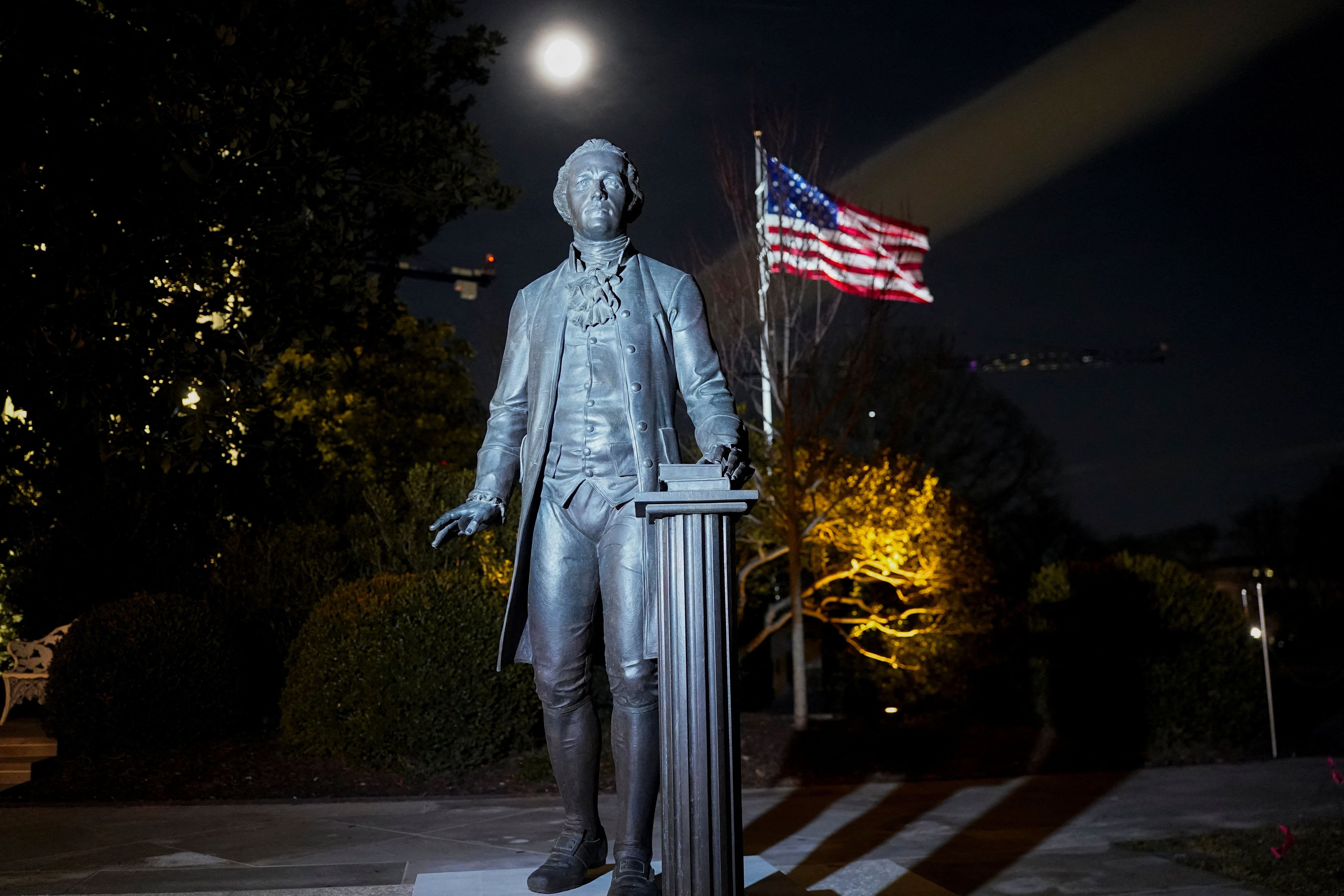
Jefferson lived in the unfinished White House and helped design the grounds.
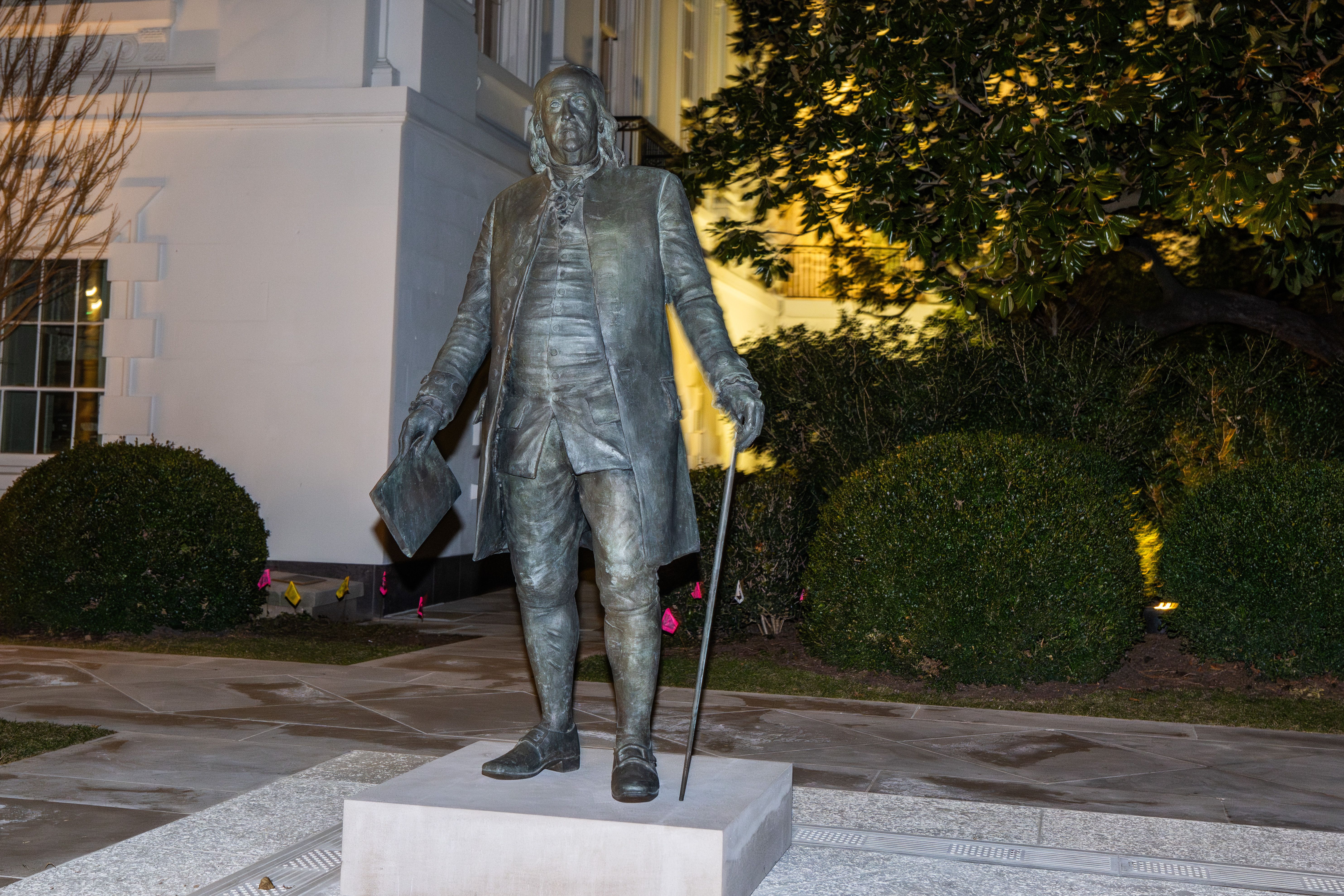
Benjamin Franklin has a corner spot in the Rose Garden.
8. 🍪 1 fun thing: Holiday cookie remix

Axios AM