Axios AM

February 20, 2025

1 big thing: Trump's mega-MAGA month
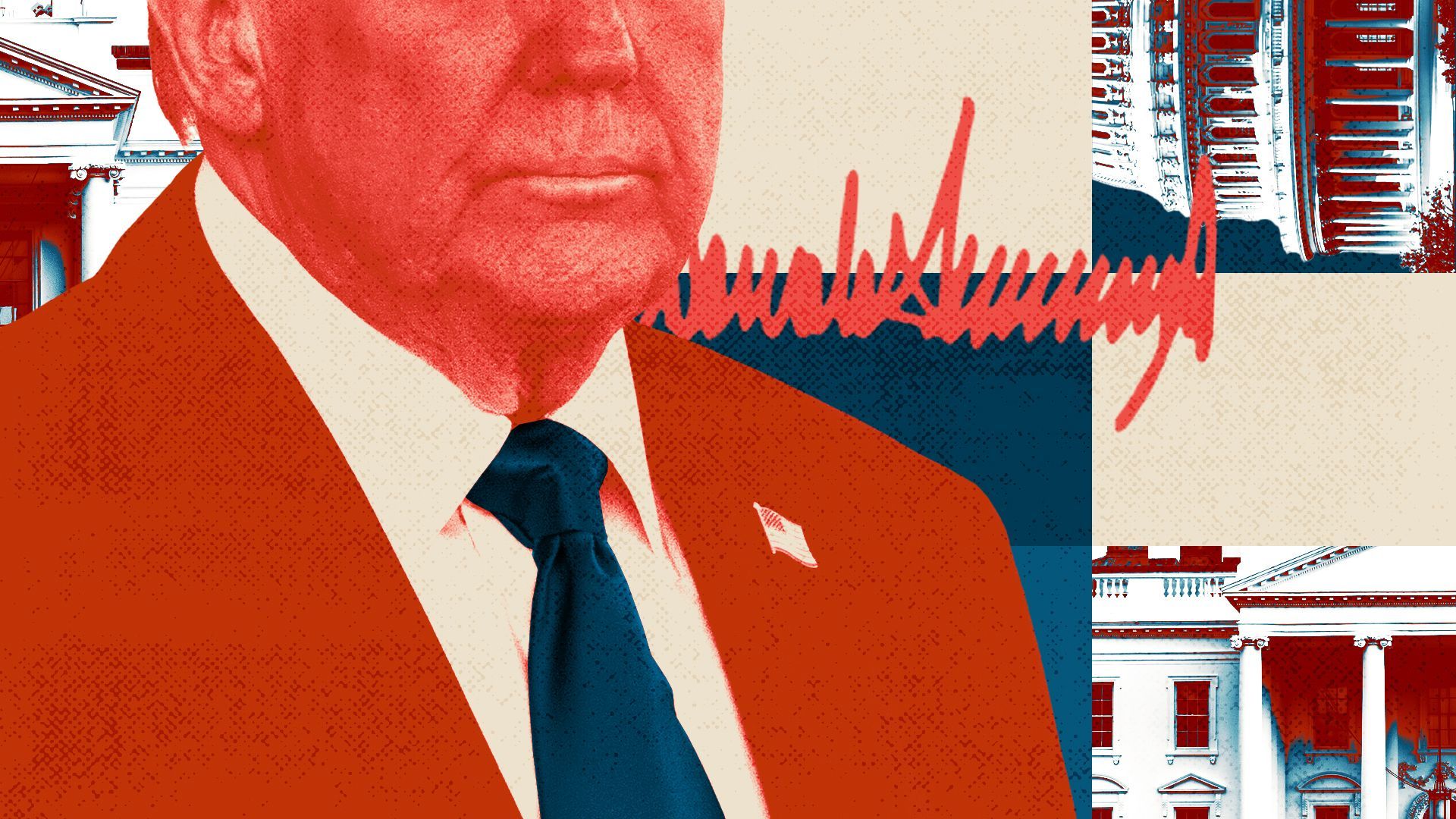
President Trump's first month of his second term has exceeded the wildest dreams of his most loyal supporters, and the darkest nightmares of his fiercest detractors, Axios' Zachary Basu writes.
- Why it matters: Both groups can agree that the America Joe Biden left behind at noon on Jan. 20 is no longer recognizable — erased in four frenetic weeks by an empowered, implacable and historically popular MAGA presidency.
Like Trump 1.0, the firehose of news and norm-busting behavior is — and will continue to be — the defining feature of this administration.
- Unlike Trump 1.0, the chaos is calculated — and explicitly designed to institutionalize MAGA, paralyze the president's enemies and permanently break the Washington establishment.
🔎 Zoom in: Above all else, Trump's first month has been dominated by his war on the federal bureaucracy — and his various efforts to probe, prod and blow through the limits of presidential power.
- The White House's early attempt to freeze federal funding has set the stage for a massive legal fight over Congress's "power of the purse," which is laid out in Article 1 of the Constitution.
- Elon Musk and his DOGE allies are slashing and burning their way through government agencies.
- The rapid dismantling of USAID and the government-wide assault on DEI have sent clear signals that any programs misaligned with Trump's MAGA will be on the chopping block. The Education Department could be next.
- At the Justice Department, the purging of career prosecutors and FBI agents punctured any veneer of independence from the White House.


🔎 Between the lines: The shock treatment of the U.S. government by Trump and Musk has overshadowed the two huge issues that dominated the 2024 campaign — immigration and inflation.
1. On immigration, Trump has moved with lightning speed to enforce his promise of a sealed border.
- Arrests from border crossings plummeted to 21,593 in January — down from 47,316 in December, and an all-time high of 250,000 in December 2023. "Call it the Trump Effect," the White House said.
- Trump's goal of deporting millions of undocumented immigrants has proven more difficult, with the pace of operations stalling because of a lack of funds, officers and infrastructure.
2. "Inflation is back," Trump acknowledged in an interview with Fox News' Sean Hannity this week. "I had nothing to do with it," Trump argued, pinning the blame on Biden.
- Despite promising to "end inflation" starting on Day 1, Trump is right that the effects of his policies won't show up immediately.
- The danger: Trump's sweeping use of tariffs is injecting deep uncertainty into global markets, and could turn inflation into a long-term feature of the U.S. economy.
💡 What to watch: With the dust still settling on America's new normal, Congress soon will move to codify vast swaths of Trump's agenda.
- With a razor-thin majority in the House, Trump's vision for "ONE BIG BEAUTIFUL BILL" is a huge gamble — but one that would clear the way for a historic, and enduring, reordering of the American economy.
2. 💰 Charted: Corporate America shrugs
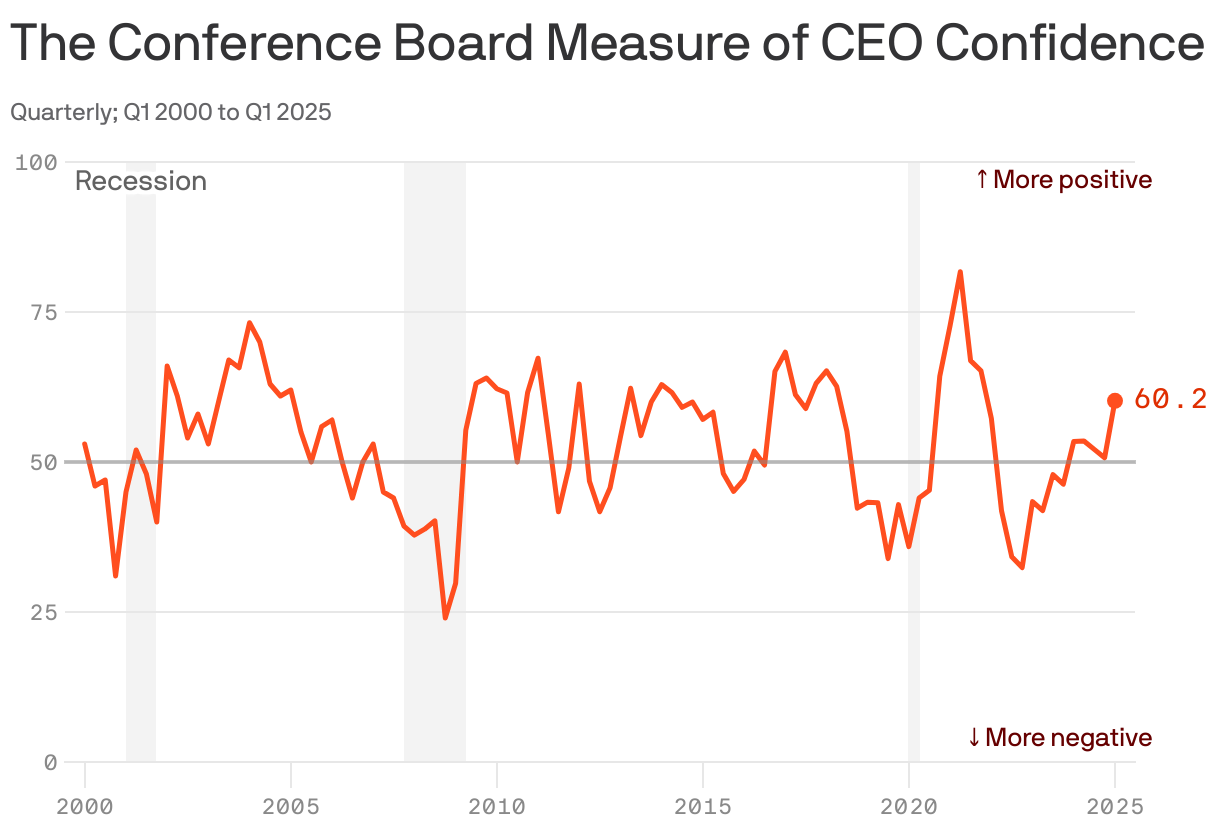
CEOs are facing more uncertainty from Washington than ever before — on tariffs, on their DEI policies and even on who will regulate them and how.
- They're mostly shrugging it all off, Axios' Emily Peck and Courtenay Brown write.
Why it matters: As a new survey of Fortune 500 Global CEOs out this morning from The Conference Board and The Business Council shows, corporate America's leaders are more confident than they've been in three years, despite all the chaos in the headlines.
🔬 Zoom in: The first 30 days of the Trump administration challenged C-suites on many fronts — but none more so than DEI and tariffs.
- On DEI, companies are scrambling after a Trump executive order targeted their diversity practices, and a memo from Attorney General Pam Bondi directed DOJ investigations. (Go deeper on DEI.)
- The uncertainty from tariffs — against whom, on what, starting when, if they even happen — is just as bad. So far the impacts have been minimal, but that could change. Ford's outspoken CEO Jim Farley recently warned Trump's tariff plans could "blow a hole" in the U.S. auto industry.
Go deeper: CEO confidence at highest level in three years.
3. 🗞️ Historic war on media
President Trump — in small and unprecedented ways — is punishing media companies more than any leader since America's founding, Axios Media Trends author Sara Fischer writes.
🎨 The big picture: Trump is targeting traditional media sources at a moment of tremendous business and cultural vulnerability for the industry.
- American trust in media has hit an all-time low. Most U.S. counties have little to no local news sources anymore.
In his first four weeks, Trump has:
- Barred AP from the Oval Office and Air Force One. The AP declined to directly follow Trump's executive order renaming "Gulf of Mexico" as "Gulf of America" in its style guidance.
- Cut federal news subscriptions. The State Department on Feb. 11 told embassies and consulates in Europe to cancel "media subscriptions (publications, periodicals, and newspaper subscriptions) that are not academic or professional journals," the WashPost reports. That was shortly after the administration said it would stop spending money on Politico Pro.
- Reshuffled Pentagon press. The Defense Department informed several outlets — including NPR, NBC News, Politico and CNN — that they had to move out of their workspaces.
4. ⚖️ Courts = final guardrail
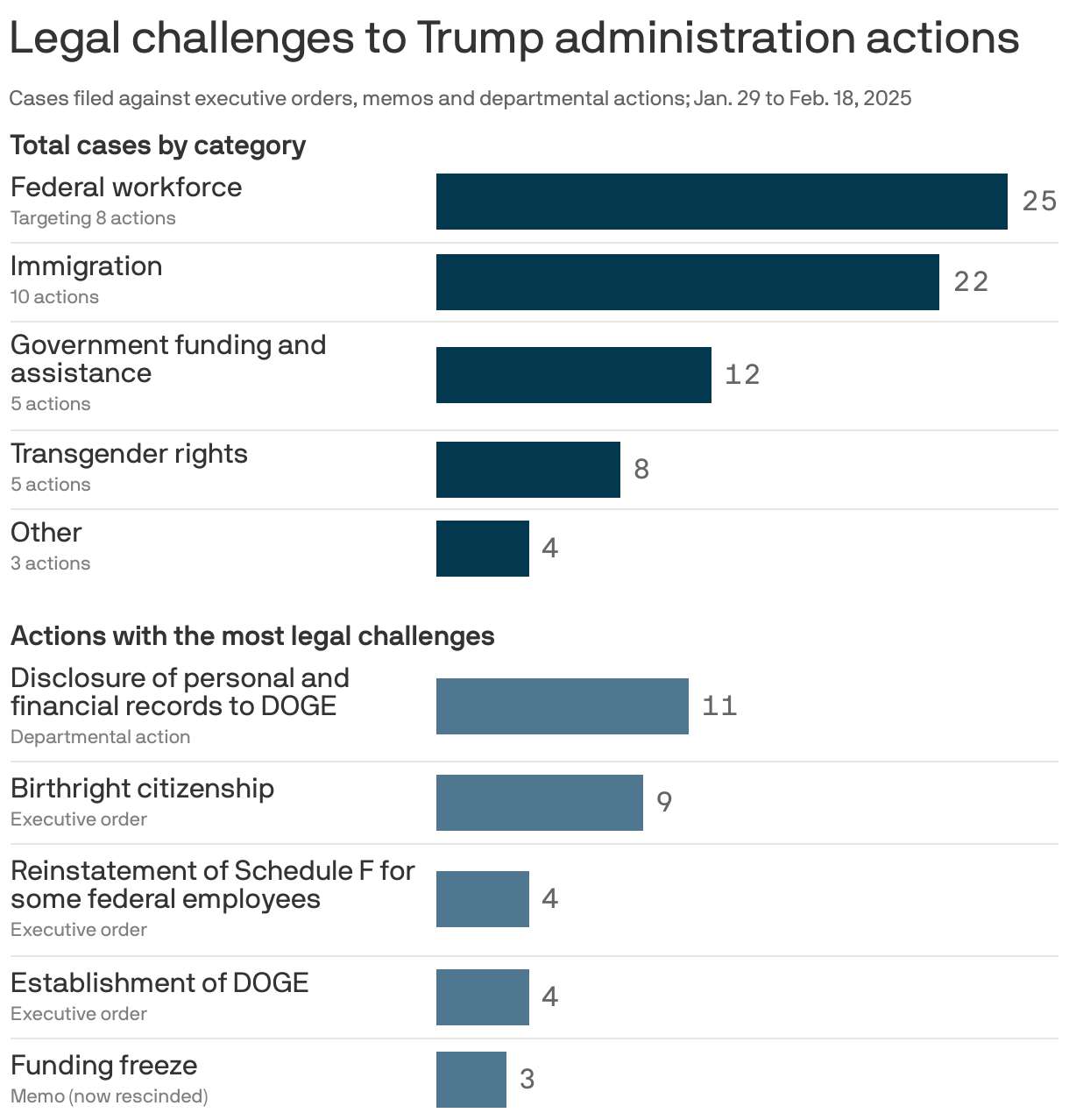
With a compliant, Republican-led Congress virtually in President Trump's pocket, the courts appear to be the main guardrail for his push to remake government and boost his presidential power, Axios' Erin Doherty writes.
- Why it matters: Trump's most sweeping executive orders have drawn a series of legal challenges — which his administration has vowed to fight.
🧮 By the numbers: More than 70 lawsuits now have been filed against aspects of Trump's agenda. More than two dozen court rulings have paused some of Trump's executive orders.
- Trump has already filed an appeal to the Supreme Court in a dispute over whether the president can fire the head of an independent agency — the first of what's likely to be many challenges that will wind up at the nation's highest court.
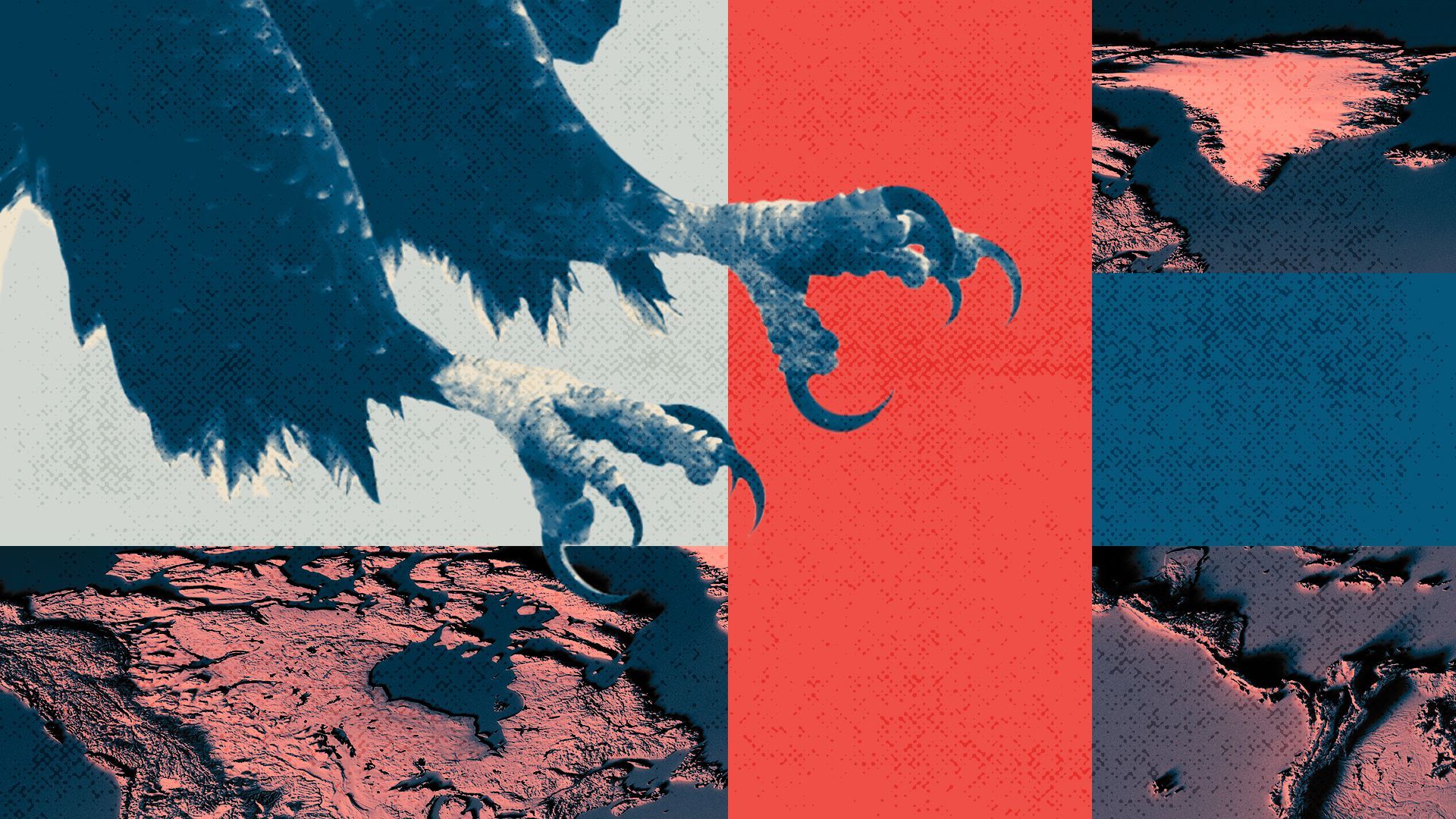
5. 🌐 Trump's American expansionism
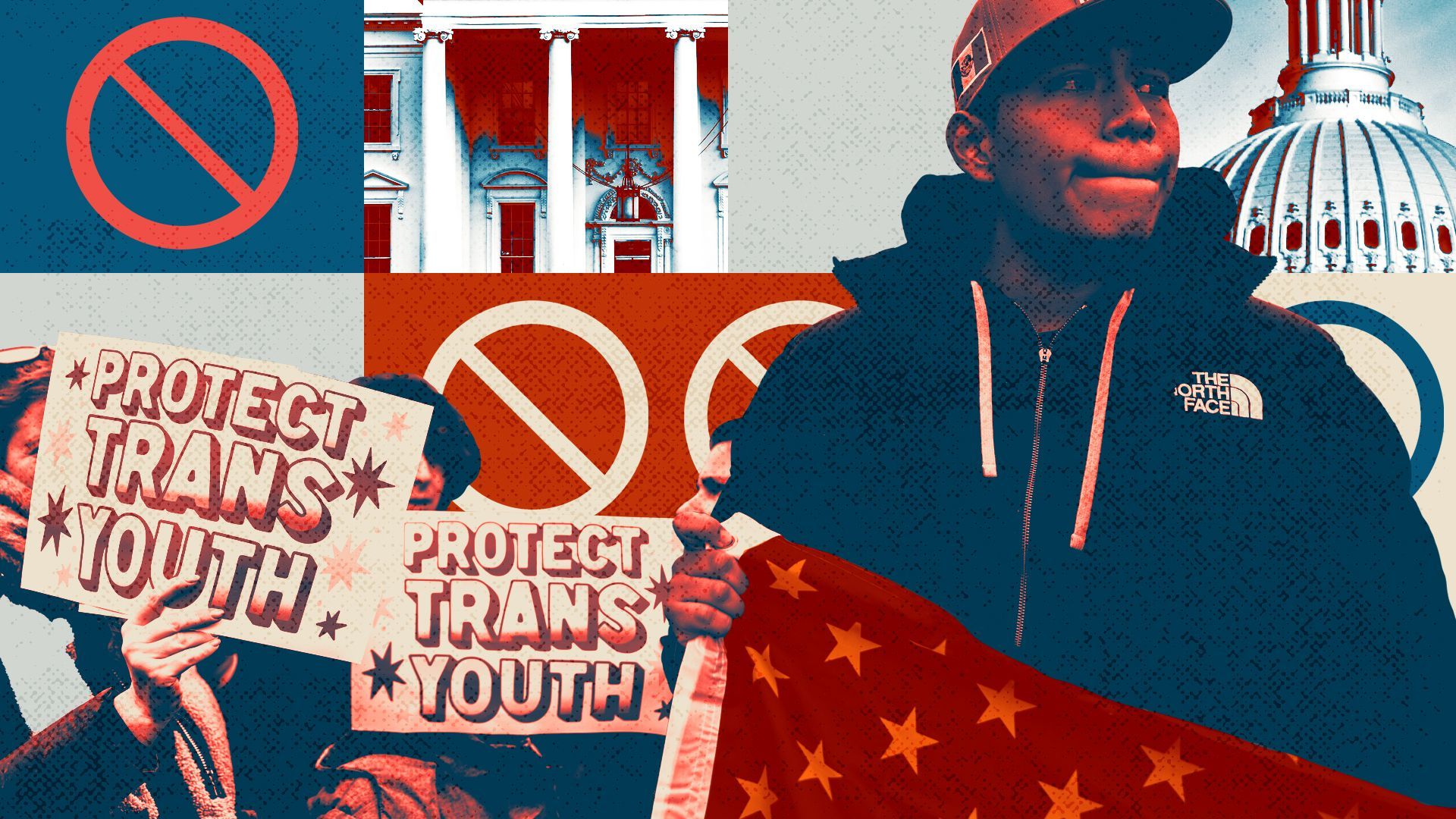
6. 👀 First month of fear
7. 🏈 Everything is politics

In his first month, President Trump dropped by the Super Bowl, took a lap around the Daytona 500 track, and hit a craps table in Vegas, Axios' Erica Pandey writes.
- Why it matters: "MAGA isn't just retaking the White House. It is gaining a firmer foothold in the broader culture," The Wall Street Journal notes. (Gift link)

Even when he's not in the room, he's part of the conversation.
- The Trump administration came up in the opening monologues at the Golden Globes, Grammys and Critic's Choice Awards.
8. 💰 1 for the road: New Andrew Ross Sorkin book
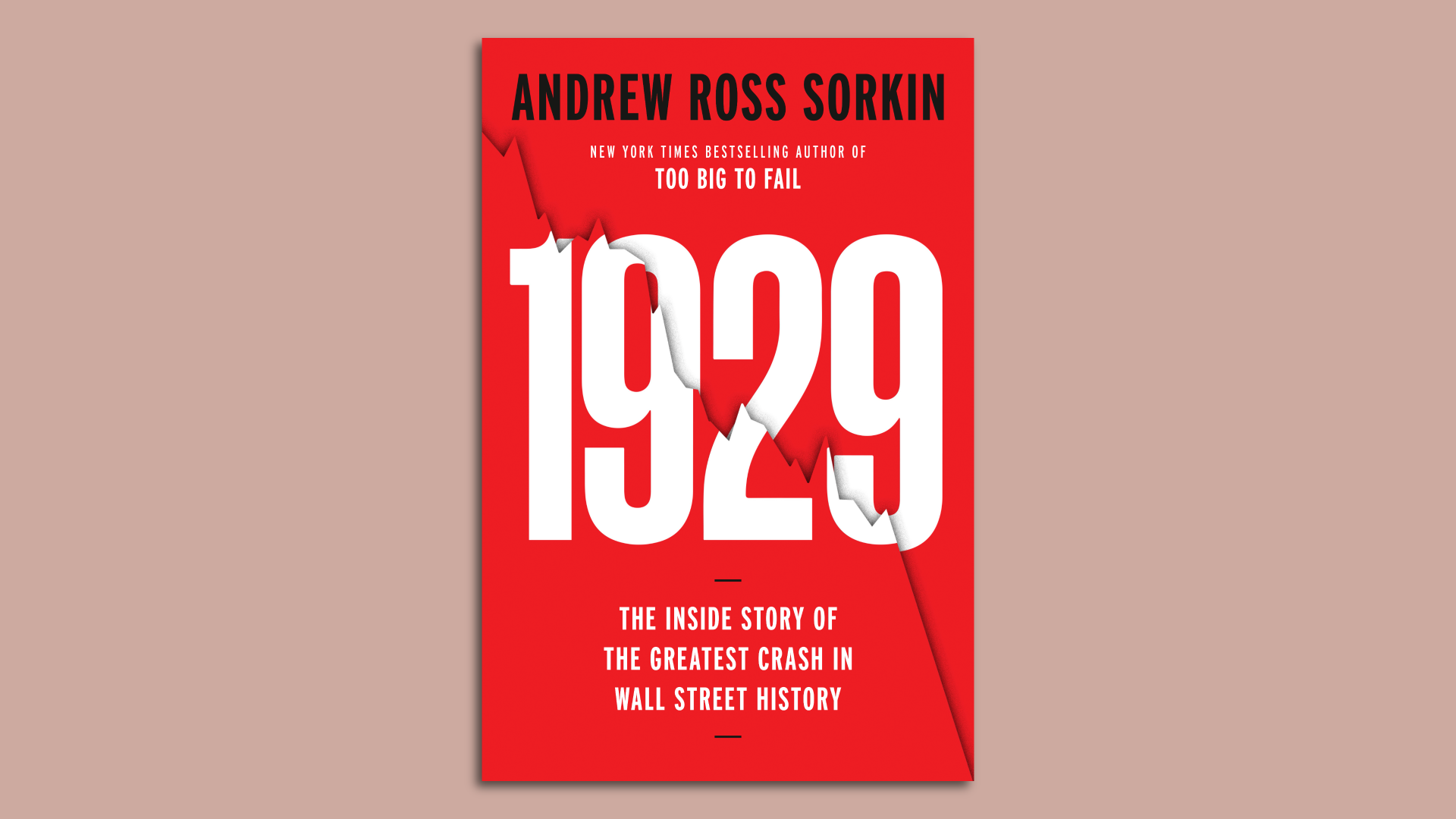
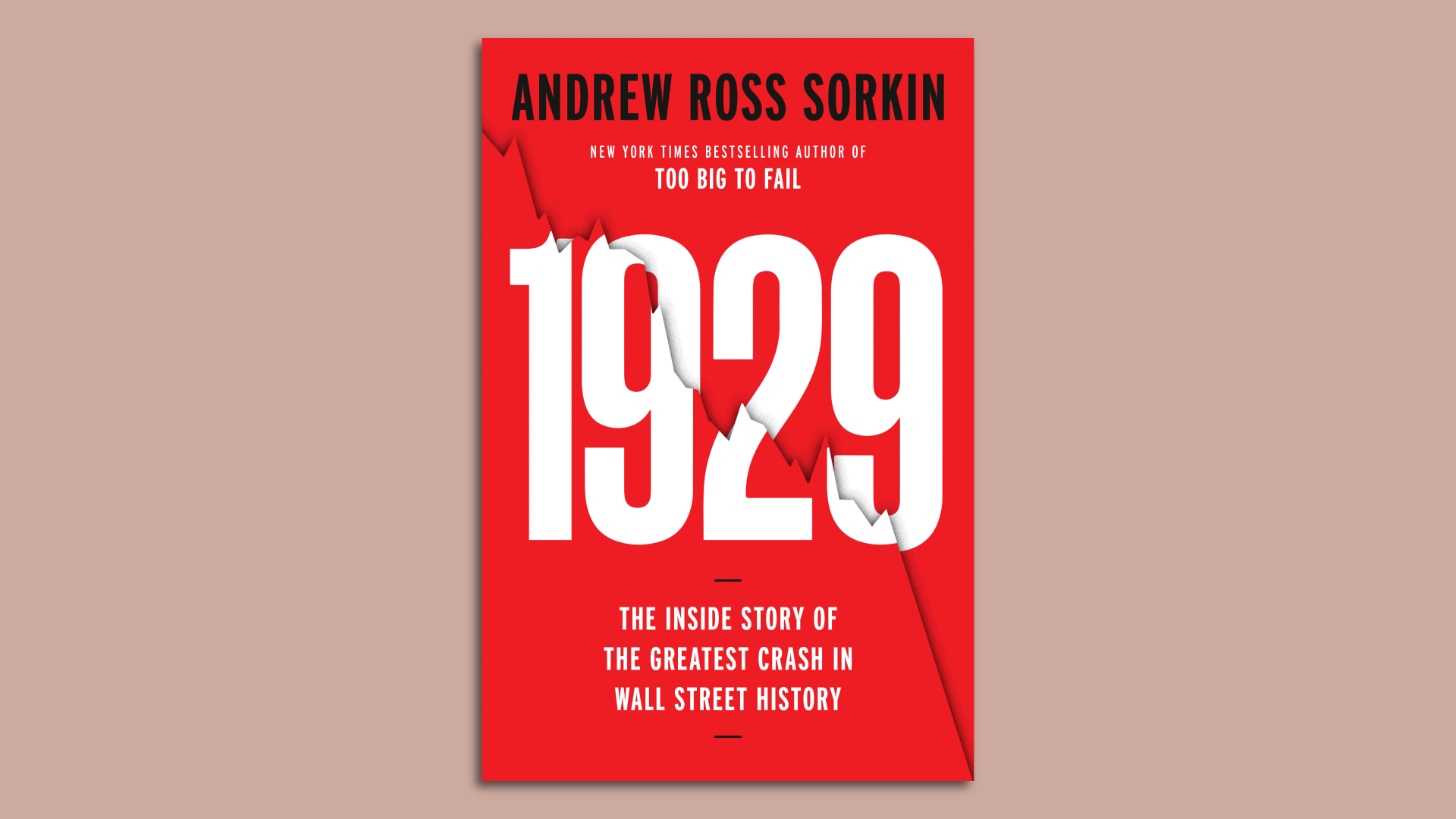
Andrew Ross Sorkin has been quietly working on this for eight years: He'll be out this fall with "1929: The Inside Story of the Greatest Crash in Wall Street History," told as an immersive, electrifying "tale of power, psychology, and the seductive illusion that 'this time is different.'"
- Think of it as a prequel "Too Big to Fail," Sorkin's definitive history of the 2008 banking crisis, which was on the New York Times bestseller list for over six months.
Why it matters: "The billionaires of today who are increasingly intertwined with government are not that different than the titans of that era," Sorkin told me.
📚 Sorkin — co-anchor of CNBC's "Squawk Box," and award-winning New York Times journalist and founder of DealBook — told me he "started work on the book in 2017 — and actually even earlier."
- He had become "obsessed with chronicling 1929 as a human drama — an inside-the-room, tick-tock account of the decisions, miscalculations and desperate maneuvers of Wall Street and Washington."
"I combed through thousands of diaries and letters and transcripts," added Sorkin, also co-creator of Showtime's "Billions."
- "The characters are colorful — and some eerily similar — to those that lead our institutions today. The narrative is an attempt to make one of the most well-known, but largely abstract, financial crises accessible to the modern public and policymakers, in the hope that history doesn't once again repeat itself."
The announcement from Viking, the publisher, says "1929," out Oct. 14, has "the depth of a classic history and the drama of a thriller," and "unravels the greed, blind optimism and human folly that led to an era-defining collapse."
- Sorkin's drama includes "disregarded alarm bells, financiers who fell from grace, and skeptics who saw the crash coming — only to be dismissed until it was too late."
Axios AM