Axios AM

January 05, 2024

1 big thing: White House podium battle
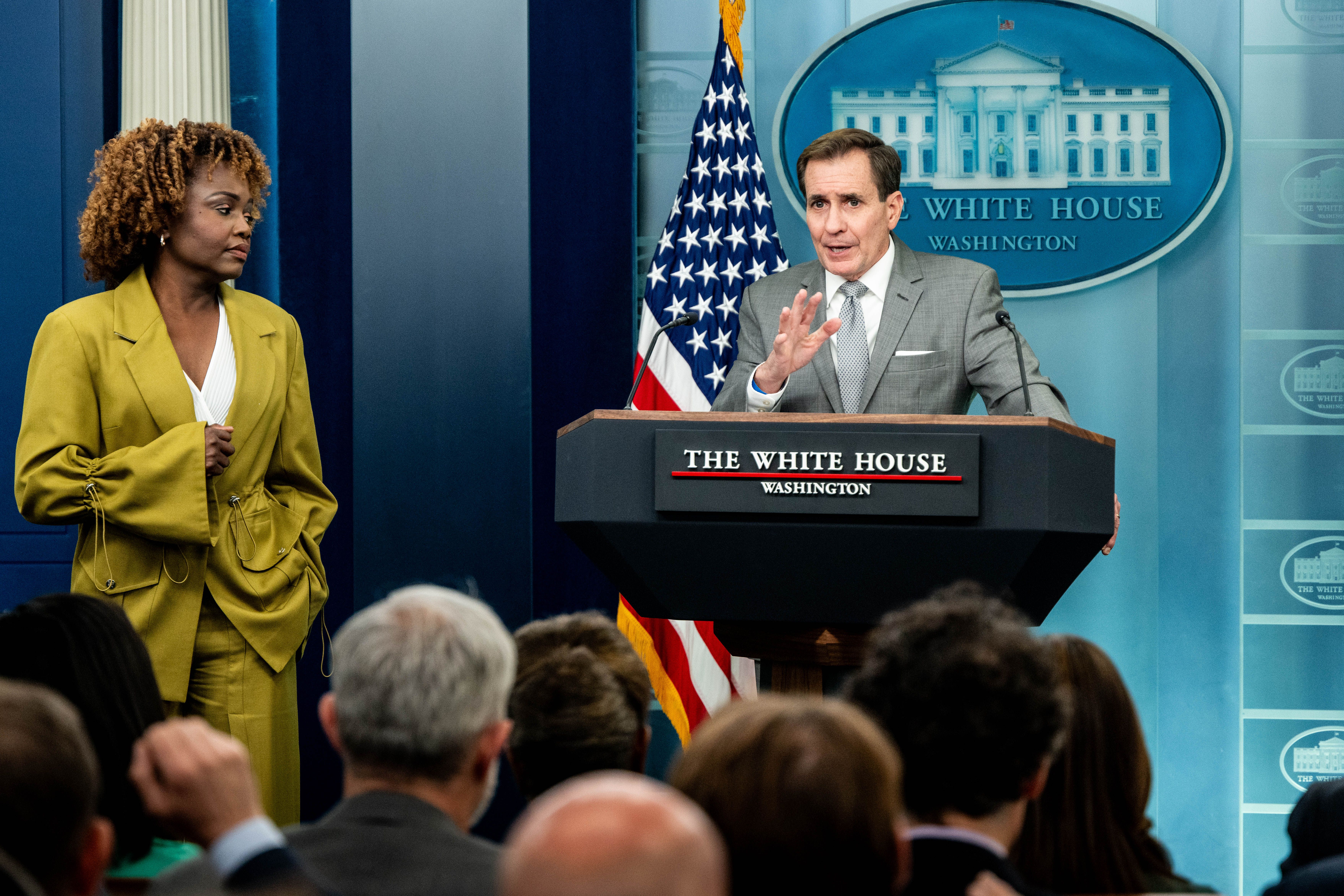
They share a podium — and a mutual frustration.
- White House press secretary Karine Jean-Pierre and the National Security Council's John Kirby frequently split the podium at media briefings. Behind the scenes, their relationship is fraught with tension, Axios' Alex Thompson reports.
Why it matters: The pairing is an awkward design: The White House press secretary historically fielded questions on all topics. But Biden, a former Senate Foreign Relations Committee chairman, likes Kirby — and likes having an expert talking on national security.
Some of the tension stems from how much time each gets at the podium.
- Kirby has become the public face of the administration's response to the Israel-Hamas war.
- Jean-Pierre has told people she plans to stay through the election and beyond if Biden wants her — and that he has asked her not to leave.
👂 What we're hearing: The two are on prep calls together and their teams work together. But they're not friends.
Between the lines: The two keep appearing at the podium together for one reason: Biden likes it.
- Kirby has become more influential publicly and behind the scenes as he developed a close relationship with the president.
- Biden frequently asks for Kirby to personally brief him. Senior adviser Anita Dunn recently had Kirby start traveling on Air Force One for domestic trips, not just international ones.
Jean-Pierre still runs the press briefings — and selects which reporters ask Kirby questions, rather than letting him choose.
2. 🌐 U.S. drawn deeper into Middle East
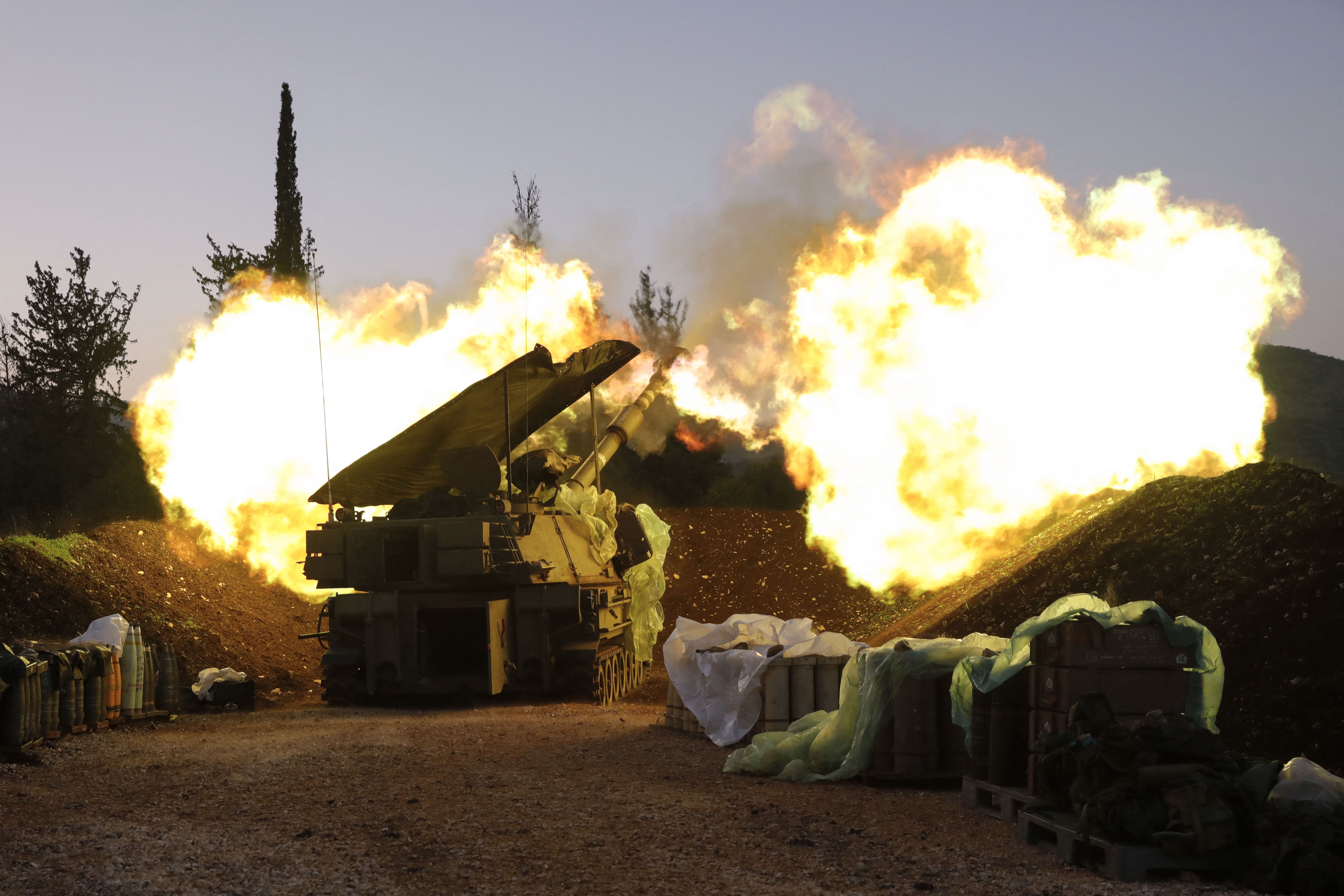
As the fighting in Gaza continues to intensify, the U.S. is increasingly becoming more involved, militarily and diplomatically, in three other hotspots in the Middle East — with fears growing that rising tensions could spiral into a much bigger war, Axios' Barak Ravid reports.
- Why it matters: One of the Biden administration's main goals since the Oct. 7 Hamas terrorist attack has been to prevent fighting in Gaza from spilling over to other parts of the region. As time passes, that's tougher.
State of play: The U.S. has over the last three months sent dozens of Navy ships, hundreds of fighter jets and other aircraft, and thousands of soldiers to the Middle East in hopes of deterring Iranian-backed groups from launching attacks that could lead to a regional war.
- But tensions have continued to escalate across the region.
Three theaters to watch:
1. Iraq and Syria: Since Oct. 7, there have been more than 100 attacks by pro-Iranian militias against U.S. forces in Syria and Iraq, with the U.S. conducting several strikes in retaliation.
- The most recent took place in Baghdad yesterday, when the U.S. killed a leader of the Shiite militia Harakat al-Nujaba and one of his aides in an air strike.
- The Pentagon says the militia leader was involved in planning and conducting attacks against U.S. forces.
- This was the most significant U.S. air strike since Oct. 7 — both because it was done in the Iraqi capital and because the target was a senior figure in Iraq. The strike increased tensions between the Biden administration and the Iraqi government, which denounced the U.S. attack.
2. Houthis and the Red Sea: Tensions are also rising in the Red Sea, where Yemen's Houthi rebels have attacked more than 25 commercial ships and U.S. Navy vessels since November, according to the Pentagon.
- U.S. officials said the Biden administration has been considering taking military action against the Houthis for several weeks, but President Biden has been hesitant. That's partly because of concerns it could drag the U.S. further into the crisis militarily, and fears it could hurt the Yemen peace process.
- Instead, the administration has focused on building an international coalition of countries and a multinational naval task force aimed at trying to deter the Houthis. But the situation has continued to deteriorate.
3. Hezbollah and Lebanon: Tensions between Hezbollah and Israel along the Lebanon-Israel border continue to escalate, despite U.S. efforts to contain the situation. The assassination by Israel of senior Hamas official Saleh al-Arouri in Beirut earlier this week has heightened concerns even more.
✈️ What's next: Secretary of State Tony Blinken is heading to the region for the fourth time in three months.
3. 🚢 Supply chain reels


The price of sending goods around the world is spiking after six weeks of disruptions in the Red Sea, where Iran-backed Houthi militants are attacking commercial shipping vessels, Axios' Emily Peck reports.
- Why it matters: The situation could mean higher prices, just as inflation is coming down, and cause shortages of goods, just as retailers have finally recovered from the roller coaster of the past few years.
🖼️ The big picture: The disruptions pose a threat to the global economy, nearly four years after COVID woke the world up to the existence — and fragility — of supply chains.
🧮 By the numbers: Spot rates for shipping goods from Asia to Northern Europe are up 173% compared to before shippers started rerouting shipments, and rates to North America's East Coast are up 52%, according to Freightos, a booking and payments platform for international freight.
🧠 State of play: About 30% of global container ship volume moves through the Suez Canal, which links the Red Sea with the Mediterranean Sea, according to the digital transformation company UST.
- But since the Houthi attacks got underway, shippers have been forced to reroute container vessels to avoid the area.
- The situation is unfolding at the same time the Panama Canal — which handles 8% of shipping volume — is at reduced capacity due to drought. Shippers were using the Red Sea as an alternative.
💡 How it works: Diverting container vessels adds lots of time to shipping.
- If a carrier goes around Africa's southern tip, instead of through the Suez to ship goods to New York, it adds two weeks of travel time, per UST.
5. 🇨🇳 Scoop: Biden plans to keep many Trump tariffs
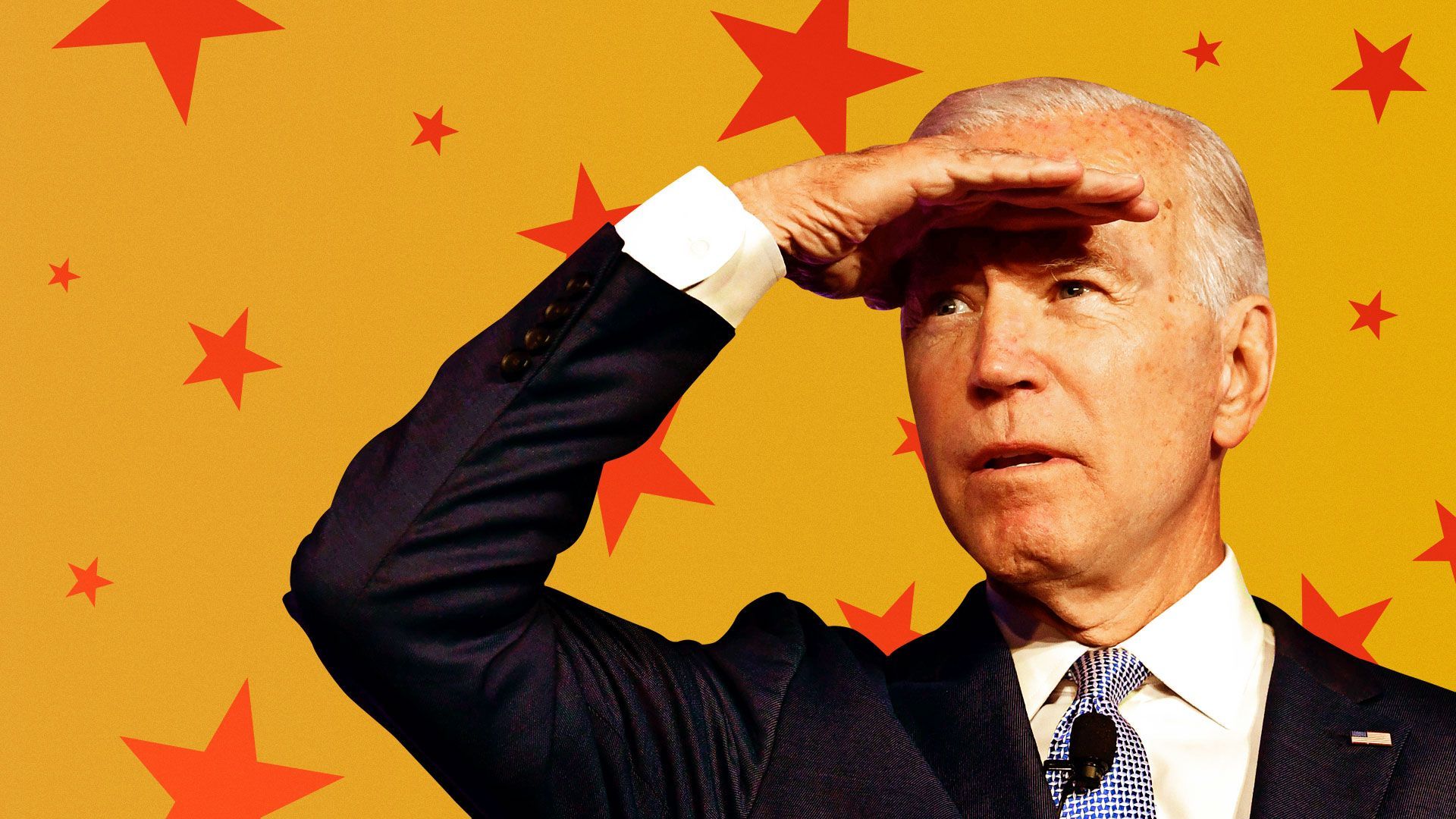
Photo illustration: Eniola Odetunde/Axios. Photo: Frederic J. Brown/Getty Images
6. 👀 Inside Trump's endorsement machine

"They always bend the knee," former President Trump privately gloated after a recent endorsement from a Republican he had torched, the N.Y. Times' Jonathan Swan, Shane Goldmacher and Maggie Haberman report.
- Why it matters: Trump has built a "disciplined and methodical political operation" that takes a long view on endorsements he grants — and seeks.
🧮 By the numbers: Trump's presidential campaign has endorsements from nearly 100 members of the House. The next closest candidate, Ron DeSantis, who served in the House, has five. Nikki Haley has one.
🍿 Behind the scenes: "Trump insiders were hired by candidates as 'consultants' for the sole purpose of saying nice things about them to Mr. Trump in the hope he might endorse them," The Times reports.
- "Trump received these candidates at his homes in Florida and New Jersey and watched gleefully as they, in Mr. Trump's own words to aides, 'kissed my ass.'"
The bottom line: "Though he still brands himself an outsider, Mr. Trump is now unequivocally the favored candidate of Republican insiders."
- Keep reading (gift link — no paywall).
7. Crib videos offer clue to deaths

Illustration: Aïda Amer/Axios
8. 🥇 1 for the road: Winners show how cars are changing
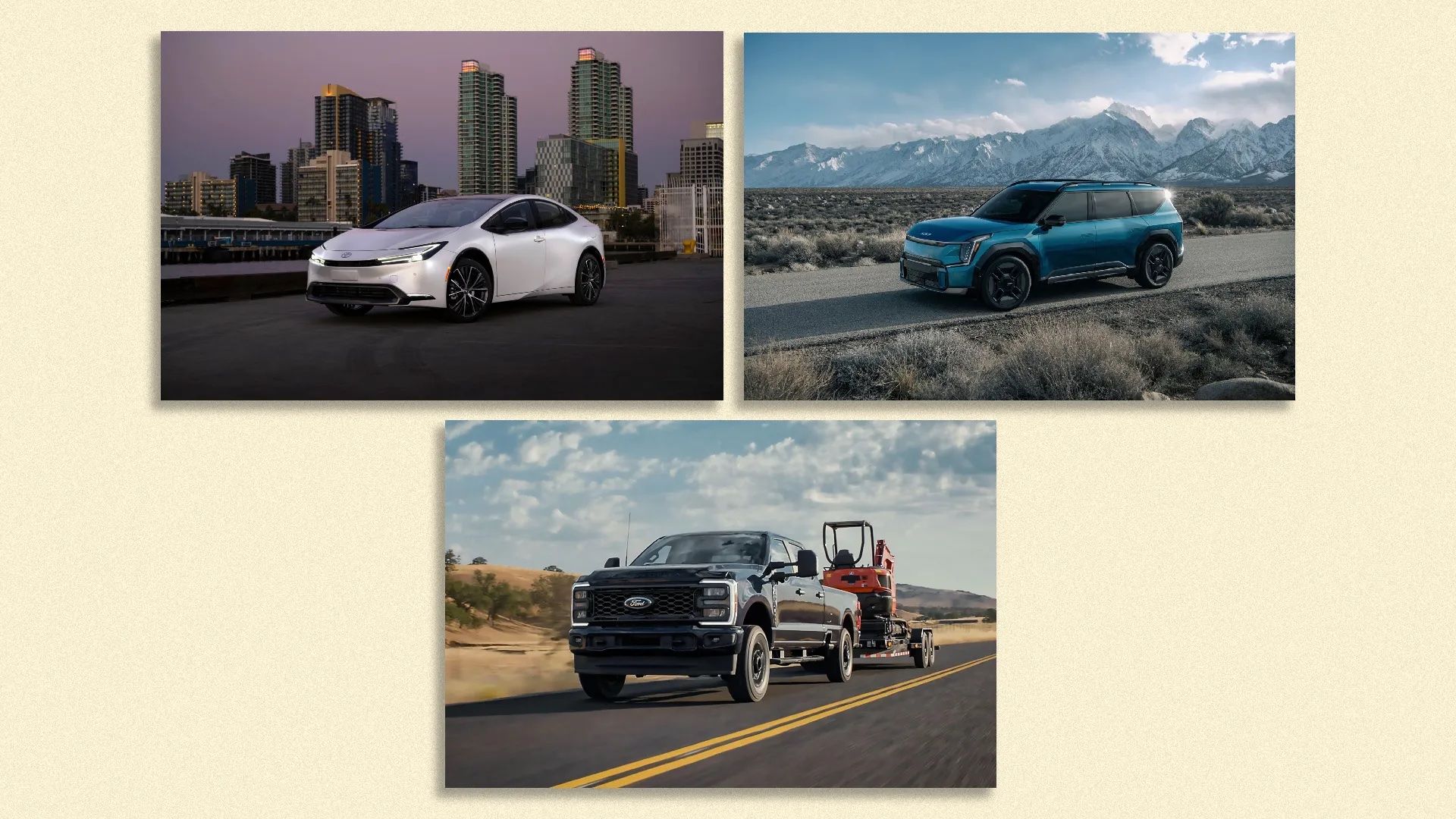
The Toyota Prius, the Ford Super Duty and the Kia EV9 are the winners of the 2024 North American Car, Truck and Utility of the Year awards, writes Axios' Joann Muller, one of 50 automotive journalists on the jury.
- Why it matters: The year's best vehicles feature a variety of powertrains (hybrid, gasoline and electric battery), reflecting the historic transition underway in the auto industry.
The winners were announced yesterday:
- The redesigned Toyota Prius hybrid (along with the Prius Prime plug-in hybrid version) was named car of the year, beating the electric Hyundai Ioniq 6 sedan and gas- or hybrid-powered Honda Accord.
- The Ford Super Duty, used mostly for hauling and towing, beat two Chevrolet truck models: the new Silverado EV and the midsize Colorado.
- Kia's EV9 — the first three-row electric SUV for families — was the best utility of the year, beating the Genesis Electrified G70 and the Hyundai Kona (available in both gas and electric versions).
Go deeper: Best cars Joann drove in 2023 ... Share this story.
Axios AM

Catch up with the most important news of the day