Axios AM

April 03, 2025

1 big thing: Tariffs harsher than expected
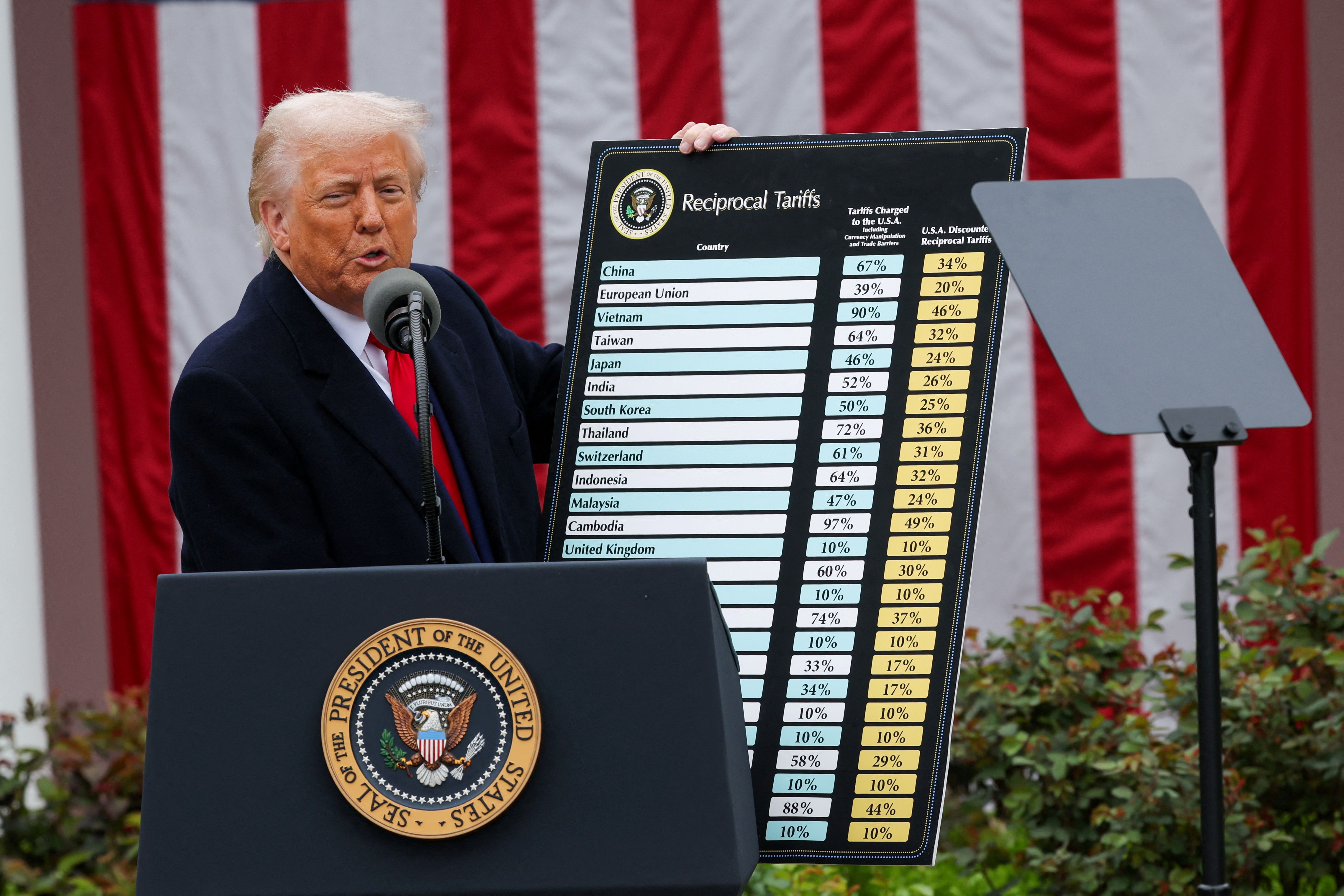
President Trump's "Liberation Day" tariff plan is one of the biggest, most abrupt economic gambles in presidential history, Axios' Courtenay Brown and Neil Irwin write.
- He acted against the advice of most business leaders, many economists and even some Republican officials.
Why it matters: The reciprocal tariffs, which go into effect in one week, target vital trading partners with massive levies — the kind that could raise consumer prices, interrupt business activity and upend global trade.
🌐 The big picture: With a single stroke of his pen, Trump seeks to reorder the global economy in a way that he believes will create a golden age for U.S. industry.
- A senior White House official called President Trump's announcement of new tariffs yesterday the "most ambitious economic realignment the American people have ever seen." It's hard to disagree.
On Day 74 of his term, Trump made this historic attempt to choke off the flow of foreign goods — or at least make it much pricier for Americans to consume them.
- But there's a reason all those people have recommended a more restrained approach. Prices on imported goods are likely to surge, a recession is possible, and far-reaching ripples in international economics and diplomacy are a certainty.
🌡️ Between the lines: Trump, in disregarding those recommendations, touched the hot stove, knowing he risks getting burned.
🔎 Zoom in: It's hard to overstate the scale of the change to U.S. trade policy that has occurred in these still-early days of Trump's term.
- The president's 10% global baseline — applying to countries worldwide — is lower than the 20% some in financial markets had anticipated.
But make no mistake: This is the maximalist scenario economists had feared, with eye-popping taxes on around 60 nations that Trump sees as the worst offenders.
- The tariffs would translate into a 2.3 percentage point increase to overall inflation this year, according to new estimates from the Yale Budget Lab, or about a $3,800 impact for the average household.
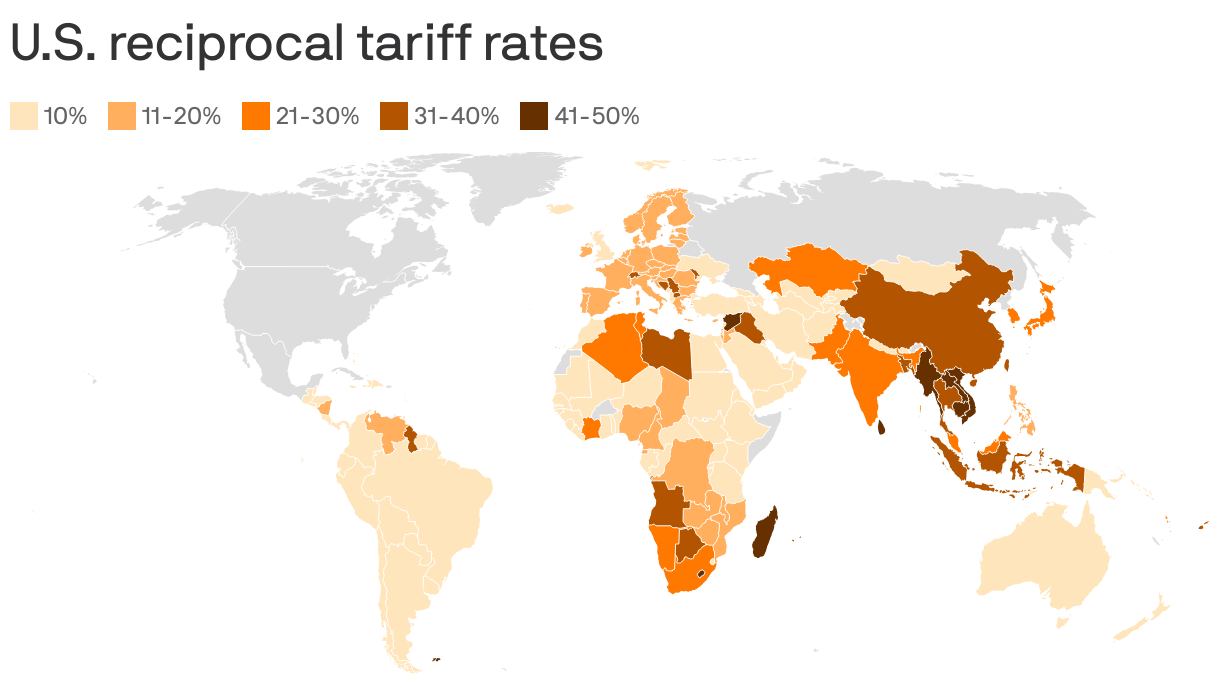
🧮 By the numbers: Chinese imports will be subject to 54% tariffs starting next week, a figure that stacks the 34% reciprocal rate with the previous 20% already in effect.
- Including tariffs imposed during Trump 1.0, the average U.S. tax on Chinese imports will be 76%, according to Chad Bown, a senior trade fellow at PIIE.
- Any manufacturers who shifted production to Vietnam to avoid China tariffs are out of luck: That country will now face a 46% tariff.
- Imports from Japan, South Korea and India now face tariffs of upwards of 25%.
- European imports will face 20% tariffs, while vehicles manufactured there are subject to 25% tariffs as of this morning, under a policy announced last week.
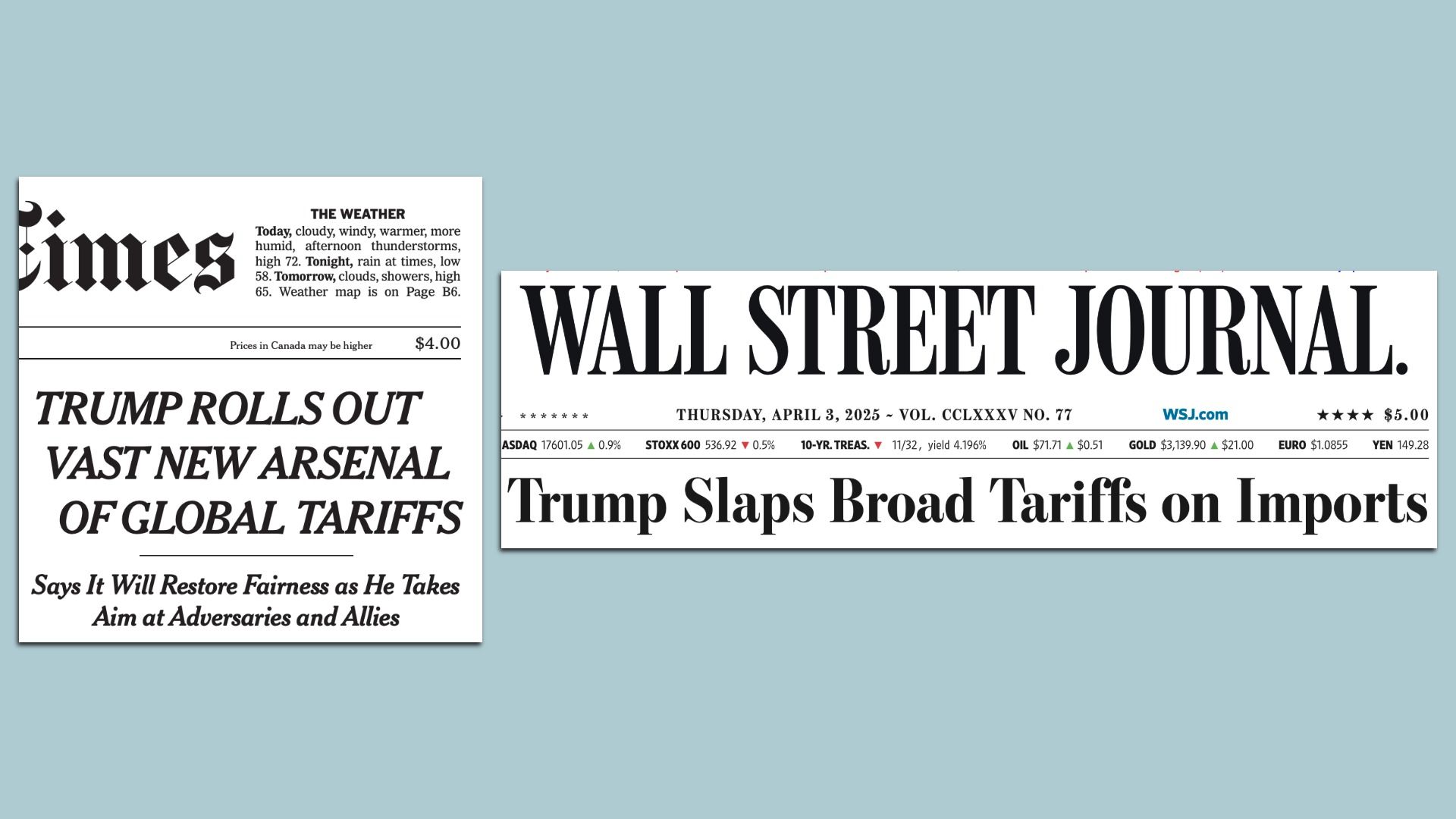
👀 What to watch: Trump and senior officials suggested a tough path for countries to escape tariffs.
- "This is not a negotiation," a senior administration official told reporters. "This is a national emergency."
- "Any country that thinks that they can simply make an announcement promising to lower some tariffs is ignoring the big central problem of their massive non-tariff barriers," the official said.
The bottom line: For decades, American consumers have benefited from a constant flow of cheap goods manufactured from around the world.
- Be ready to find U.S.-made substitutes — or prepare to pay more.
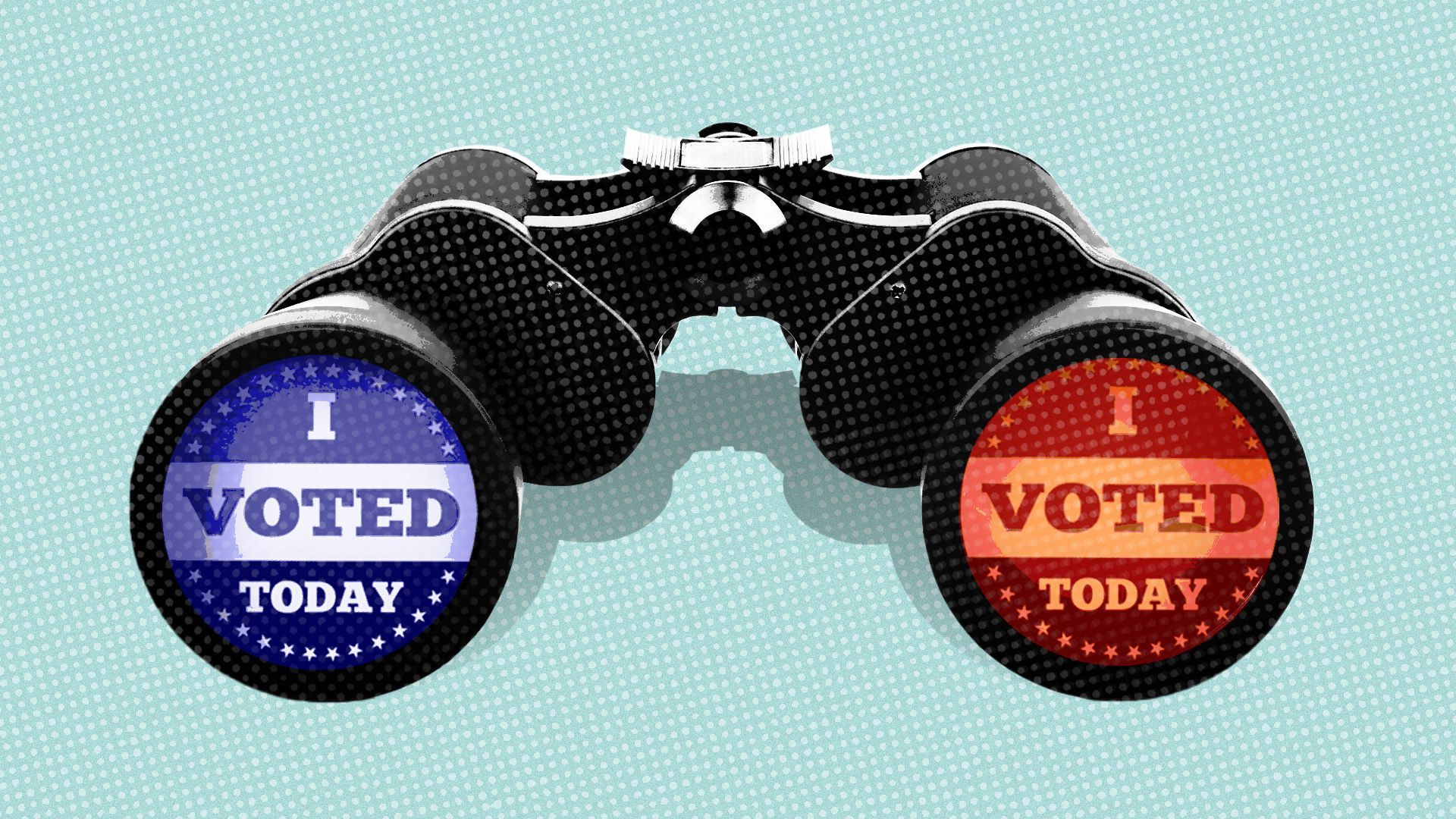
2. 🗳️ GOP's big voter problem
3. 🐊 Florida exposes GOP's deep divisions
/2025/04/03/1743641395027.gif?w=3840)
4. 🍿 Dems to Musk: Campaign in our districts
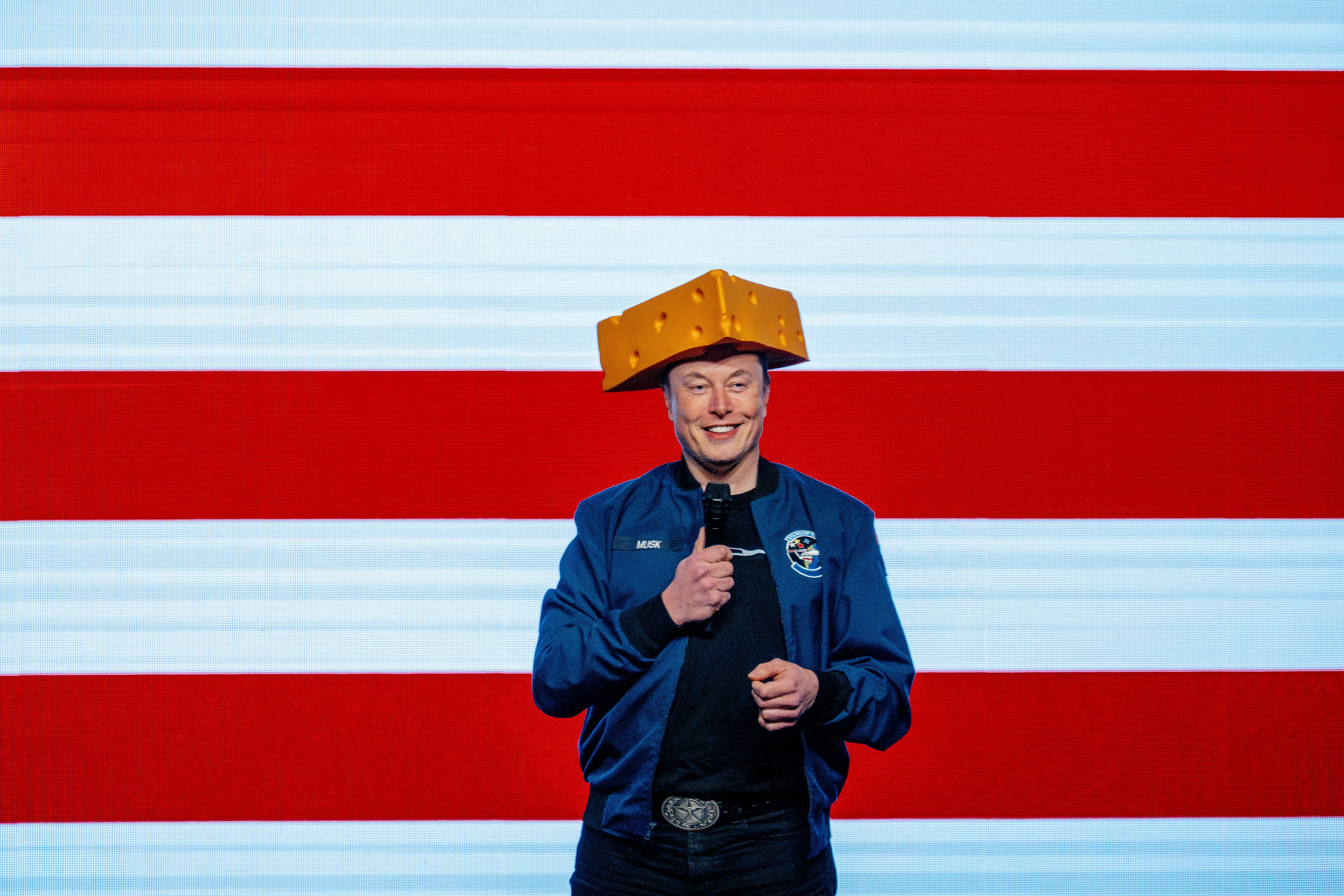
House Democrats are making an unusual plea to billionaire Trump lieutenant Elon Musk: Come campaign for our Republican opponents next year, Axios' Andrew Solender writes.
- Why it matters: Democrats see the Republican-aligned candidate's wipeout in Tuesday's Wisconsin Supreme Court election as a clear signal that Musk has become electoral poison for the GOP.
Musk invested heavily in the Wisconsin race, traveling to the state on behalf of conservative Brad Schimel and doling out millions of dollars on ads and direct giveaways to voters.
- Reacting to liberal Susan Crawford's 10-point win, House Minority Leader Hakeem Jeffries (D-N.Y.) said: "Elon Musk was just rejected decisively."
🏛️ What they're saying: Rep. Mark Pocan (D-Wis.), asked if he wants Musk to campaign for his congressional neighbor and bitter enemy Rep. Derrick Van Orden (R-Wis.), told Axios, "I'll pay for his coach flight."
- Battleground-district Rep. Hillary Scholten (D-Mich.) said of Musk coming to her district: "Yes, please! Can you arrange that? Who do I speak to about that?"
5. 📱 Coming soon: First-of-its-kind media report

6. 🤖 ChatGPT's new scam potential

7. 📚 Exclusive: New Jon Karl book includes Trump interviews
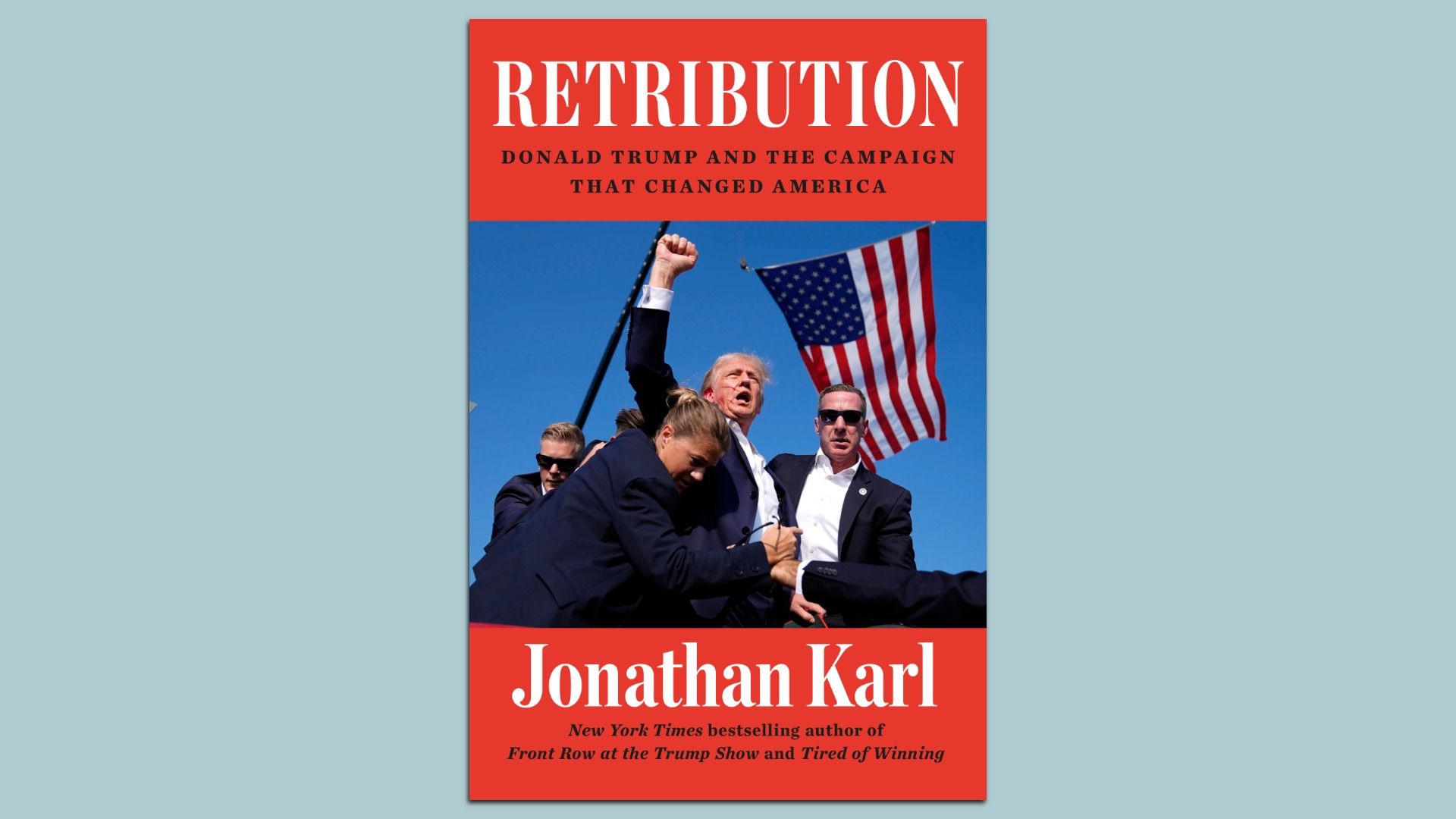
Jonathan Karl — ABC News' chief Washington correspondent, co-anchor of "This Week" and author of three bestselling Trump books — will be out Oct. 28 with "Retribution: Donald Trump and the Campaign That Changed America."
- Why it matters: JKarl tells me that by exploring root causes of President Trump's comeback, the new book will deal "quite directly" with "why I was wrong." Karl thought it was "highly unlikely" Trump would return.
Karl, who didn't take book leave, talked to Trump at key moments throughout the campaign. Much of the book's reporting is on the record, from both presidential campaigns.
- Karl started reporting this book as soon as it was clear Trump would win the GOP nomination, with barely a lull after Karl's last New York Times bestseller, "Tired of Winning." The quartet launched with "Front Row at the Trump Show," followed by "Betrayal."
The new book will explore how a new team coalesced around Trump "with the goal of creating an entirely new world order," the publisher writes in the book announcement.
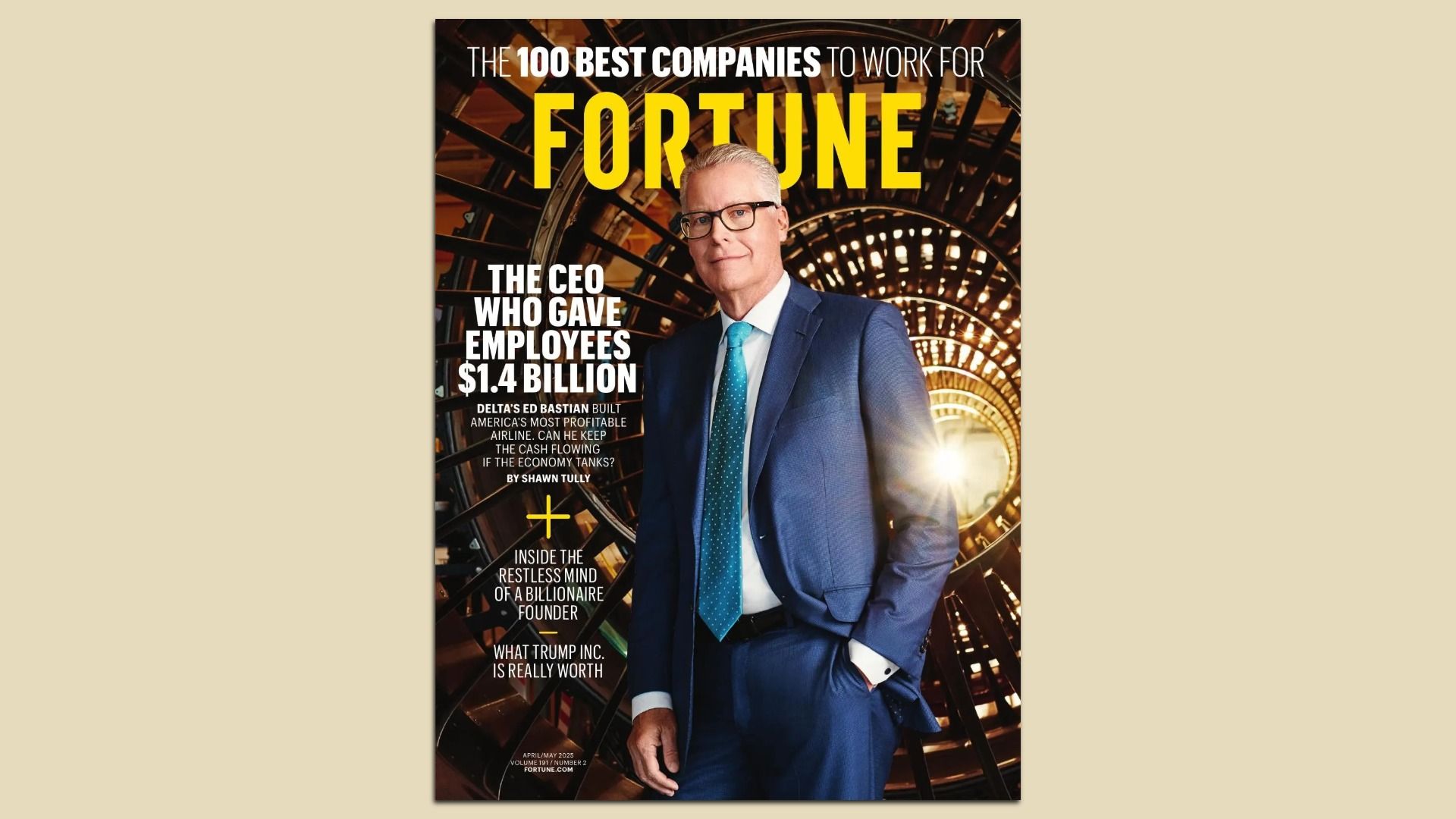
8. 💰 1 for the road: Great employers
Axios AM