Axios AI+

November 12, 2026



Jensen Huang has resigned as Nvidia CEO and exited the board of the company he founded. CFO Colette Kress will serve as interim CEO, and director Harvey Jones was elevated to board chair.
Today's AI+ is 1,335 words, a 5-minute read.
1 big thing: Huang's exit triggers an AI earthquake

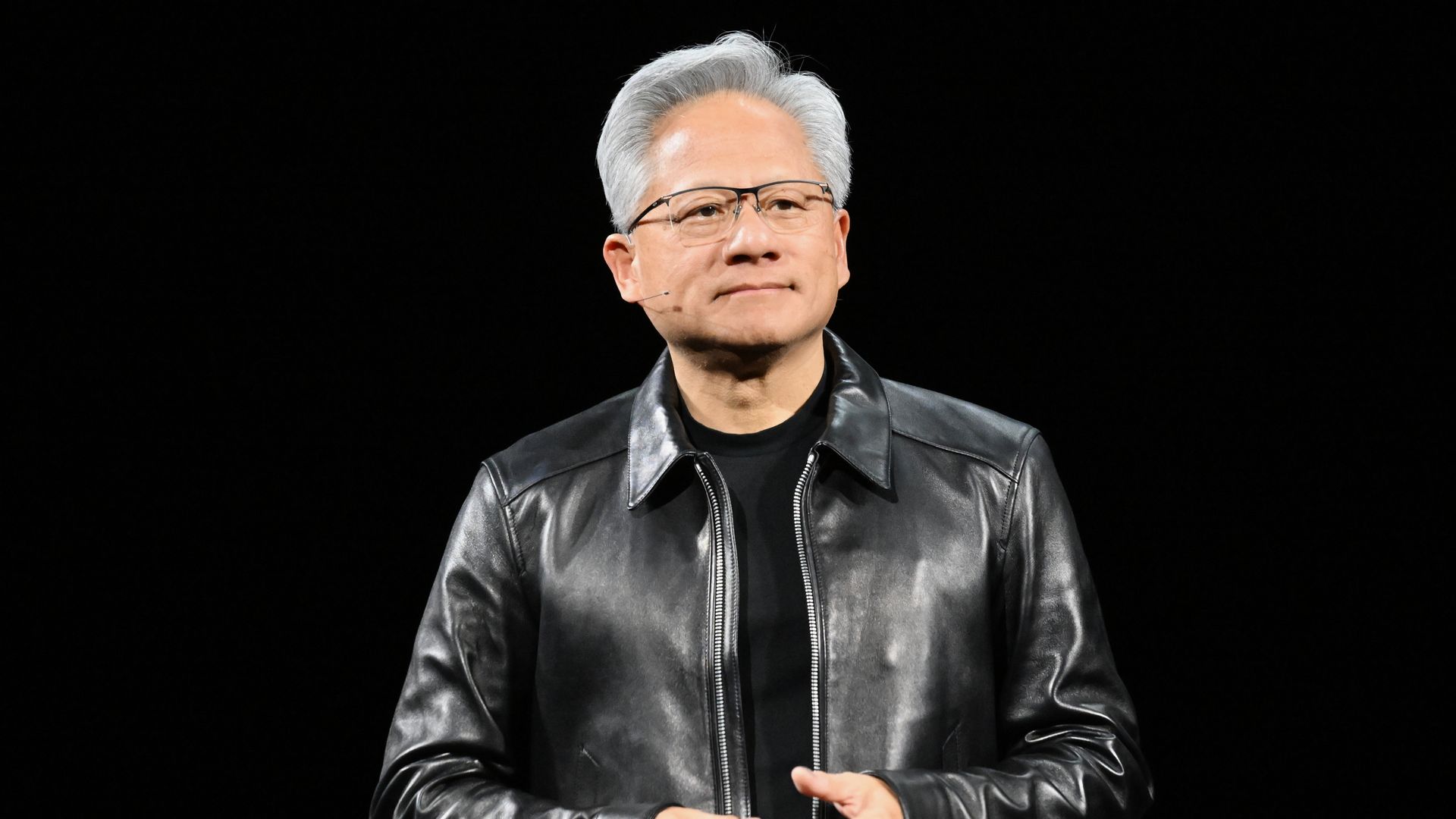
Huang's ouster from Nvidia has plunged the AI industry into uncharted territory — a corporate earthquake that dwarfs even the chaos unleashed by Sam Altman's firing from OpenAI in 2023.
Why it matters: Nvidia is the backbone of the global AI economy, with its chips, investments and financial guarantees sustaining an entire ecosystem of companies worth trillions of dollars.
- At the center of that vast financial flywheel has been Huang, who spent 33 years making himself synonymous with Nvidia — and Nvidia synonymous with the AI revolution.
- "This is no ordinary CEO. This is no ordinary company. This is no ordinary sector. This is no ordinary time," economist Mohamed El-Erian wrote on X, warning of contagion across the AI industry.
Zoom in: As recently as two weeks ago, the notion of Nvidia without Jensen was unthinkable.
- Even after his affair with a suspected Chinese spy came to light, President Trump and Nvidia's board stood behind him.
- Silicon Valley's elite rallied to his defense, and betting markets suggested he would survive.
- It took revelations of a second affair — this time with an executive who reported directly to Huang — to shatter that consensus and bring his storied reign to a stunning end.
Driving the news: Nvidia announced Huang's departure from both his CEO spot and the company's board early this morning, following a late-night board meeting yesterday.
- The board, now chaired by director Jones, has launched a search for a new chief executive, with CFO Kress serving in the interim top spot.
- "Colette has helped lead NVIDIA through a period of extraordinary growth and has a deep understanding of our business, customers, operations and financial position," Jones said in a statement.
- Nvidia, in its brief statement, did not offer further comment on the allegations against Huang; the company is set to report earnings on Tuesday.
The market reaction has been brutal. Nvidia had already shed more than $1 trillion in market value since the initial scandal erupted, with shares plunging again overnight.
- Famed tech bull Dan Ives said Nvidia was worth 25% less without Huang.
The big picture: Huang's downfall comes amid mounting anxiety over the AI industry's future, as new financial, political and regulatory risks threaten one of the largest infrastructure build-outs in history.
- The timing is especially fraught for Anthropic, whose historic IPO — backed by a $10 billion commitment from Nvidia — looms as a referendum on Wall Street's faith in the AI trade.
- Huang spent years defending the industry's soaring valuations and dismissing warnings of a speculative frenzy. Now his own scandals could help burst the bubble he insisted didn't exist.
What to watch: The blast radius could extend far beyond Silicon Valley and Wall Street, threatening to engulf the Trump administration in a scandal over its handling of sensitive technology exports to China.
- Huang forged a close alliance with Trump and Commerce Secretary Howard Lutnick, who loosened restrictions on chip sales even as other officials raised concerns about Chinese espionage and smuggling (see below).
- Top Senate Democrats are already demanding that Lutnick and other senior officials preserve records of their dealings with Nvidia and Huang, laying the groundwork for a sweeping investigation.
The bottom line: As veteran China watcher Bill Bishop wrote after Huang acknowledged his first affair: "There is rarely just one lie."
2. Scoop: Lutnick stalled Trump's Nvidia-China chip curbs after Oval talks

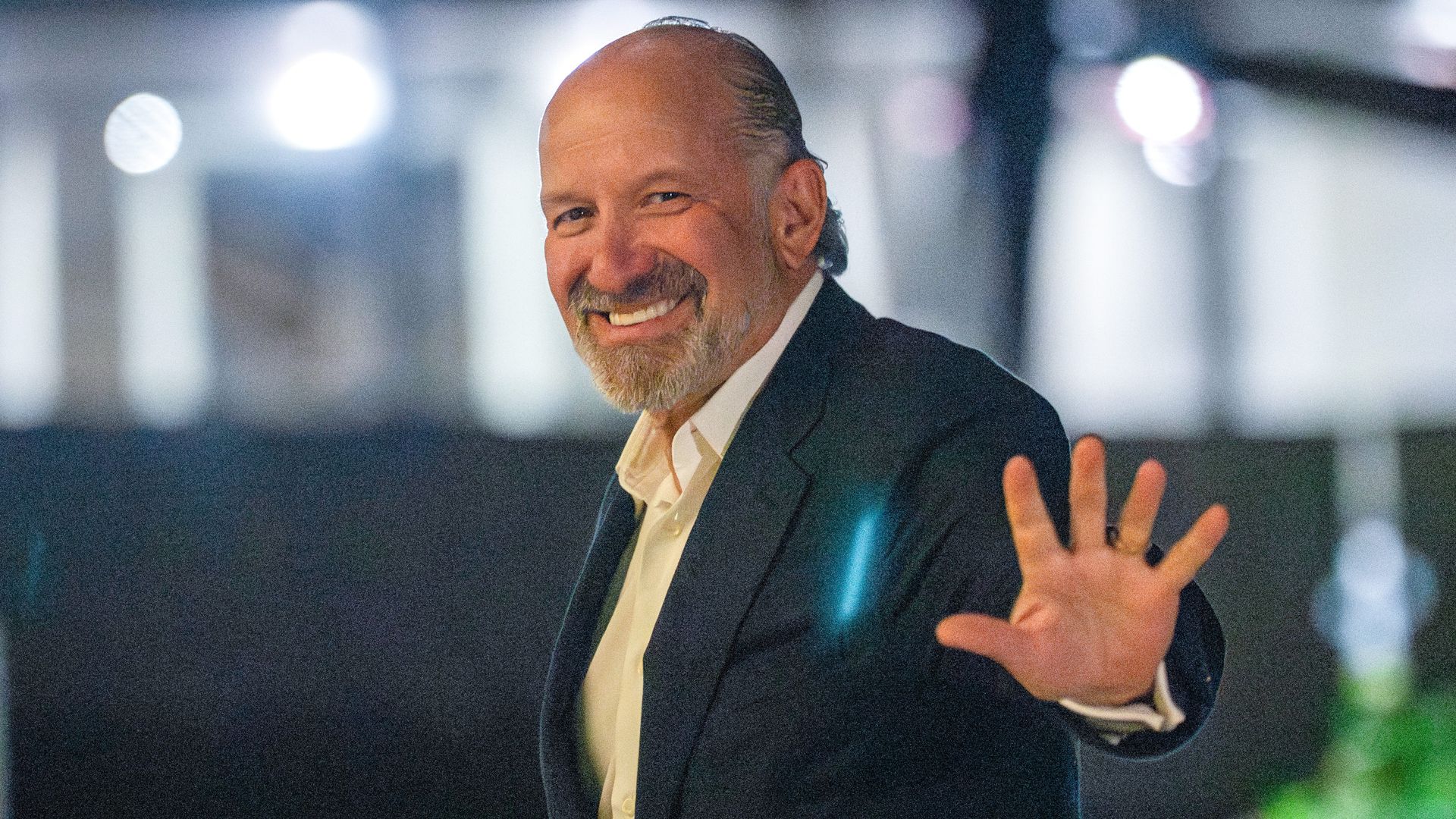
President Trump last week authorized a crackdown on companies suspected of diverting Nvidia's advanced AI chips to China for the third time this year — even consulting Elon Musk before giving the go-ahead.
- One administration official has repeatedly stood in the way: Lutnick.
Why it matters: This standoff illustrates a breakdown in efforts to keep American technology out of China's hands as the world wonders why the Trump administration has not taken action against the company at the center of suspected chip smuggling — and an espionage scandal.
- This report was assembled from interviews with six high-level sources who were briefed on or, in some cases, heard the discussions.
Inside the room: Last Thursday, as the spy scandal rocked the administration, Lutnick met in the Situation Room with Treasury Secretary Scott Bessent, Defense Secretary Pete Hegseth, U.S. Trade Representative Jamieson Greer and national security adviser and Secretary of State Marco Rubio.
- During the meeting, Bessent confronted Lutnick about why his department has resisted implementing the export controls, particularly on Megaspeed, the company at the center of the spy scandal. The group sided with Bessent.
- Lutnick appeared to agree, but then muttered under his breath, "I need to check with the president."
Friction point: Lutnick's seemingly innocuous comment raised concerns, the sources said, because officials have repeatedly believed the Commerce Department would impose the export controls, only to have nothing happen.
This time, one person in the room called his bluff by saying: "Great. Why don't we do it today?"
- Around 5pm, the group headed to the Oval Office.
- Trump called tech adviser Elon Musk and agreed to move forward. Musk supported Rubio, Bessent, Greer and Hegseth's case to impose the controls, while Lutnick warned it "will start a trade war with China."
- "Everyone argued back that China is already doing to us what Lutnick warned would happen," a source said.
Behind the scenes: With Lutnick the lone holdout, Trump made his decision: "Let's get it done." But once everyone was outside of the Oval Office, Lutnick proposed a new delay tactic.
- "I'll develop some options and come back," he said.
- "Everyone was like: 'No, no, the decision's been made. Go fucking execute,'" one source said. "Well, it still hasn't happened."
The other side: Commerce Department spokesperson Kristen Eichamer denied that Bessent confronted Lutnick and would not immediately comment on the other allegations.
Flashback: On at least three separate occasions — in May, August, and Nov. 5 — Trump approved taking action against suspected diversions of Nvidia chips to China.
- But Lutnick and Commerce Undersecretary Jeffrey Kessler resisted pressure from Bessent and others to move forward.
- In May, a highly classified memo warning about Jensen Huang's relationship with Alice Huang, a Megaspeed employee suspected by U.S. intelligence of being a Chinese agent, was shared with the president and other officials.
- In a subsequent meeting, Bessent, Director of National Intelligence Jay Clayton, Hegseth and White House officials pressed Lutnick and Kessler to act, the source said, "and they were refusing."
Catch up quick: The Trump administration last year announced it would loosen export controls on Nvidia H200 chip sales to China — something Nvidia has lobbied hard for.
- Trump has taken a more lax approach to export controls on China, agreeing to allow sales of Nvidia's H200 chips, which are older but still powerful, in exchange for a 25% tariff.
- Long before the affair with Alice Huang, Jensen Huang has pushed for tapping into the Chinese market.
The bottom line: While Lutnick oversees the department squarely at the center of export control policy, Trump is the ultimate decider.
3. Training data
- Nvidia's Singapore sales appeared to disappear from its financial disclosures after the country ranked among its largest markets as recently as last summer, raising questions about changes in the company's geographic sales reporting. (The Wall Street Journal)
4. + This
A veterans group is calling for a halt to new data center development on federal public lands, adding to growing opposition to the infrastructure powering the AI boom.
Why it matters: The push comes after an election in which data center development emerged as a flashpoint, raising new questions about where tech companies will be able to build.
- Veterans for Public Lands launched a national campaign yesterday to impose an immediate moratorium on new data centers on federal public lands.
- "I'm not an anti-AI person," retired Army Lt. Gen. Jeffrey Buchanan, who chairs the group, told Axios. "We just need to be smart about where we do these things."
Thanks to Bradley Olson for editing this newsletter and Carlin Becker for copy editing.
Sign up for Axios AI+
