Pinellas prosecutors enabled con artist to win cases, new book says

Add Axios as your preferred source to
see more of our stories on Google.
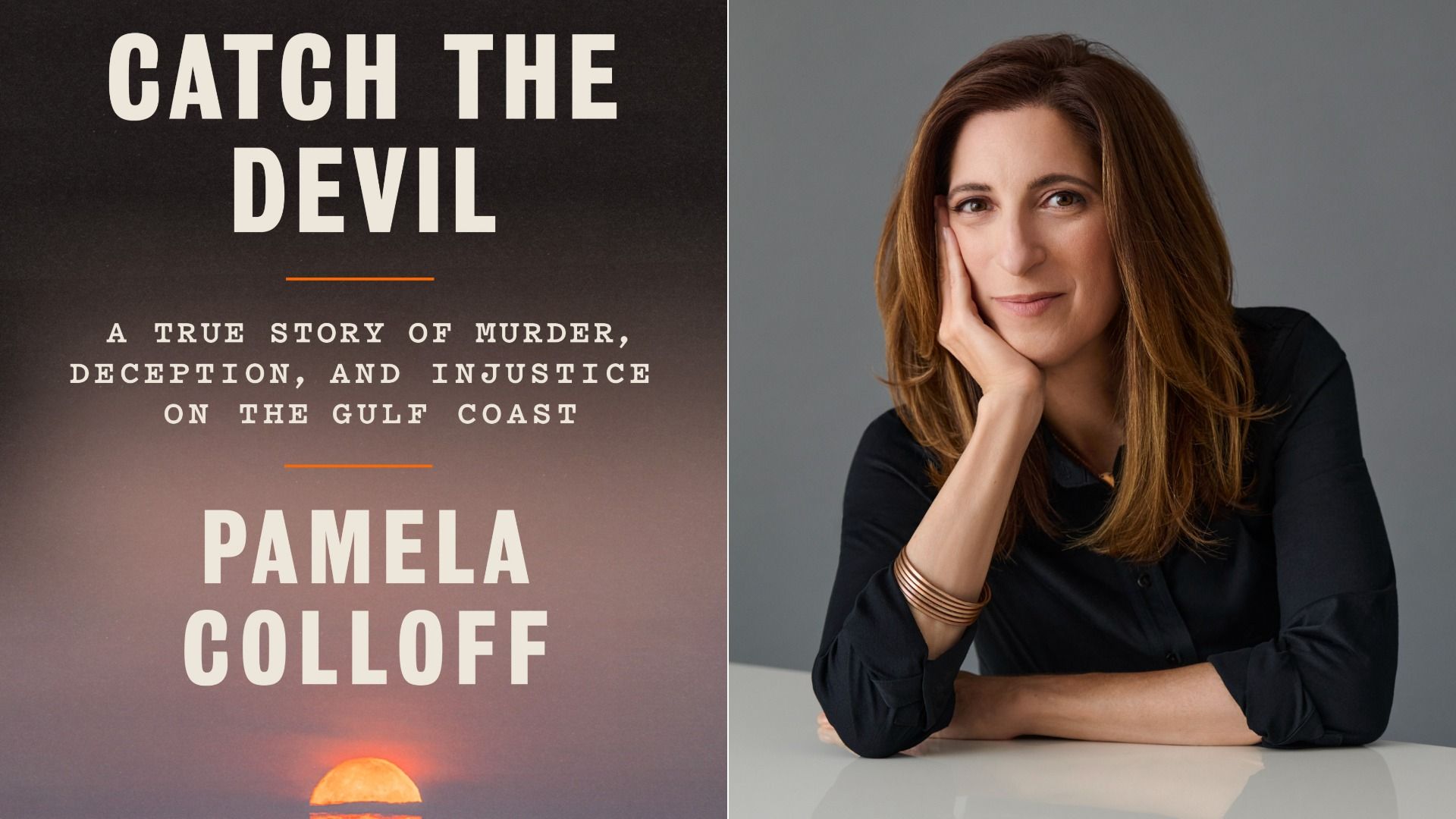
On left, the book cover. Photo: Courtesy of Knopf. On right, author and investigative reporter Pamela Colloff. Photo: Peter Yang
One of this summer's buzziest true-crime reads follows a serial con artist's manipulation of the criminal justice system and the Pinellas County prosecutors who enabled him.
Why it matters: In "Catch the Devil: A True Story of Murder, Deception, and Injustice on the Gulf Coast," investigative reporter Pamela Colloff uncovers just how many convictions leaned on Paul Skalnik's dubious accounts of supposed confessions by his fellow inmates at the Pinellas County Jail.
- In return, Skalnik was rewarded with leniency, despite a growing list of victims across Florida and Texas, writes Colloff, who is set to speak Monday night in St. Petersburg.
- And while the book primarily describes cases from the 1980s, the Pinellas-Pasco State Attorney's Office "is still vigorously defending those convictions and the practices that led to those convictions," Colloff told Axios in an interview.
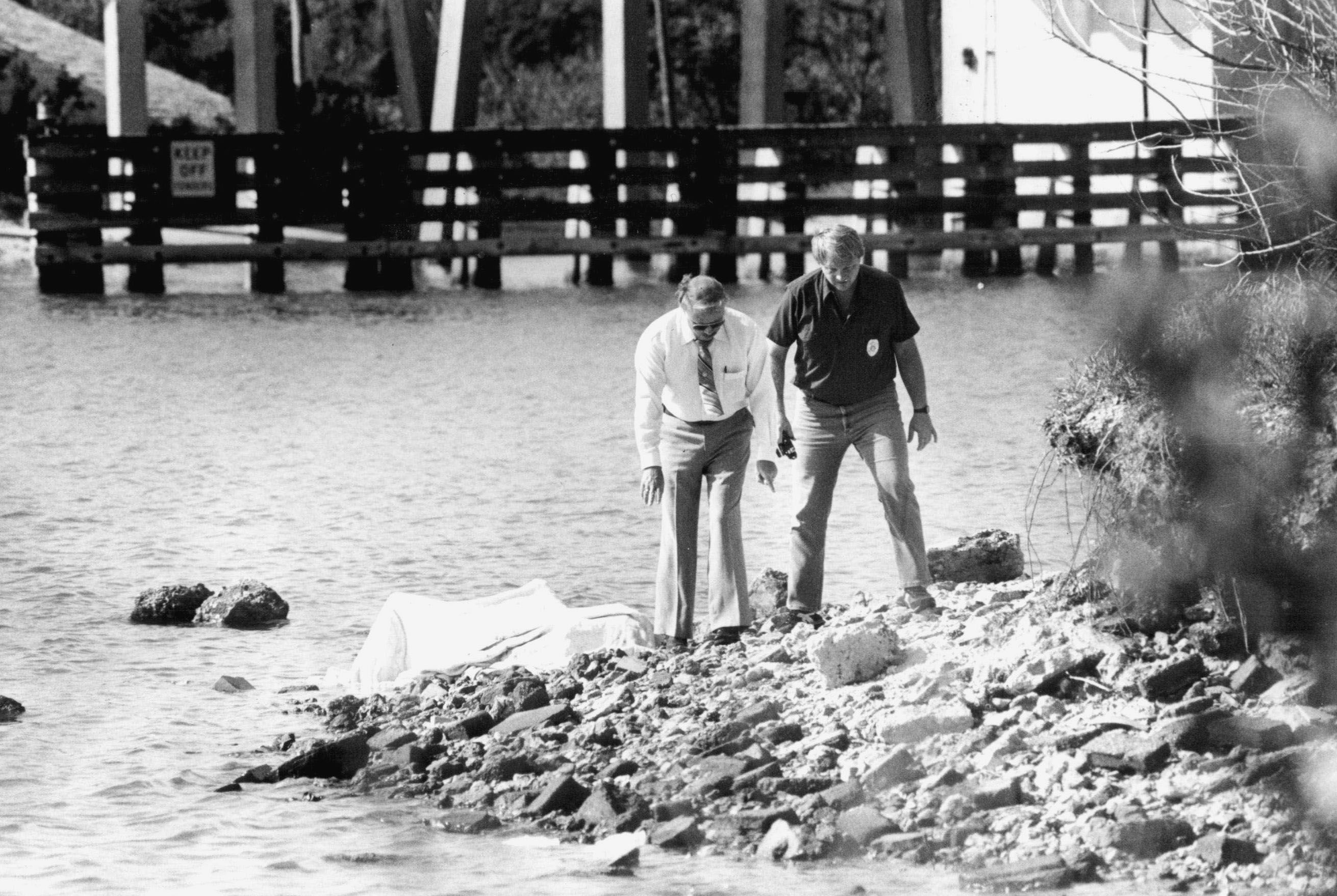
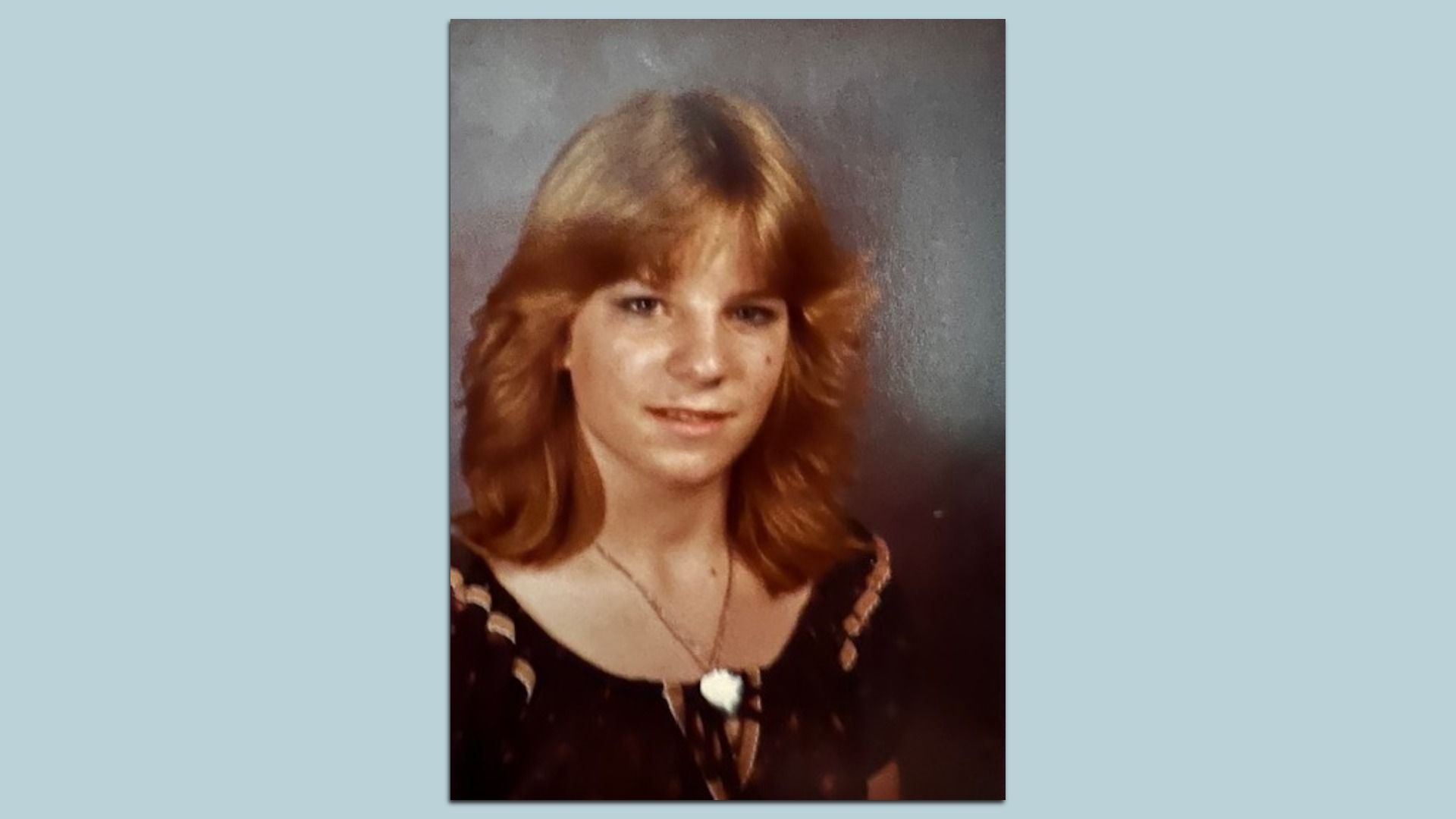
State of play: Among those Skalnik helped prosecutors convict was James Dailey, who remains on death row for the 1985 murder of 14-year-old Shelly Boggio near Indian Rocks Beach, Colloff writes.
- With no physical evidence tying Dailey to the murder, Skalnik's testimony of Dailey's supposed confession filled holes in the state's case and helped prosecutors secure the death penalty after they'd failed to do so with another man implicated in the murder.
The big picture: Testimony from so-called jailhouse informants like Skalnik, who died in 2020, "is notoriously unreliable," according to a National Registry of Exonerations report highlighted in Colloff's book.
- It found that among 142 people freed from death row, a quarter had been convicted using such testimony.
Between the lines: Some prosecutors, including former Hillsborough State Attorney Andrew Warren, have recognized the fallibility of the criminal justice system and launched divisions to investigate claims of innocence.
- Others, including Pinellas-Pasco, have doubled down on convictions even if they relied on questionable practices from the tough-on-crime 1980s, Colloff said.
- That posture was not uncommon during that period, but Pinellas' prolific use of the death penalty was, she writes.
What they're saying: The office has "never done a full accounting" of its use of Skalnik and other informants like him, Colloff said.
The other side: State Attorney Bruce Bartlett, who has worked for the office since 1979, did not respond to Axios' multiple requests for comment, including a detailed list of questions and a voicemail left on his cell phone.
- Officials also didn't respond to Colloff, she writes, although the office under the late State Attorney Bernie McCabe issued a statement for Colloff's initial investigation into Skalnik, published in 2019.
- "The State Attorney's Office never provided any leniency to Paul Skalnik in exchange for his testimony," it said.
Yes, but: "It's impossible to square that with the record," Colloff said.
Case in point: In 1982, Skalnik was released on probation in a grand theft case after a prosecutor advocated for a lenient sentence. Just a month later, he molested a 12-year-old girl, she and two eyewitnesses told police.
- Officers arrested Skalnik that December, but the state dropped the lewd and lascivious charge in what Colloff writes was "a remarkable plea agreement."
- With that charge out of the way, prosecutors "could present him to jurors as a former police officer turned small-time scam artist, rather than a man who had molested a child."
The latest: Prosecutors defended the decision as recently as 2020.
- At a court hearing stemming from Dailey's efforts for a new trial, assistant state attorney Sara Macks said there were "credibility issues" with the victim, identified in the book by her married name, Karen Parker.
- Among them were "some concerns about her sexual activity in general," Macks said, according to a court transcript.
- Macks, who did not return Axios' request for comment, also told the judge there was no corroboration of Karen's account, despite two eyewitness accounts described in investigative reports, Colloff writes.
"As I read Macks' words, I felt sick," Colloff writes, saying she had recently heard from a woman in Texas who said Skalnik had molested her when she was a minor in the 1970s. (She didn't report it to police.)
- And she brings up another girl who told police that Skalnik had sexually abused her in 1991 — nine years after Karen. Skalnik said he was innocent but pleaded no contest in the case.
- "I thought of all the other girls he had hurt; I was sure there were more. And then I thought of the lawyers at the State Attorney's Office, so determined to preserve a conviction that they were willing to defend the indefensible."
If you go: Colloff's talk is at 7pm at Coastal Creative. Tickets start at $37 and include a copy of the book.