Florida's property tax amendment lacks champions

Add Axios as your preferred source to
see more of our stories on Google.
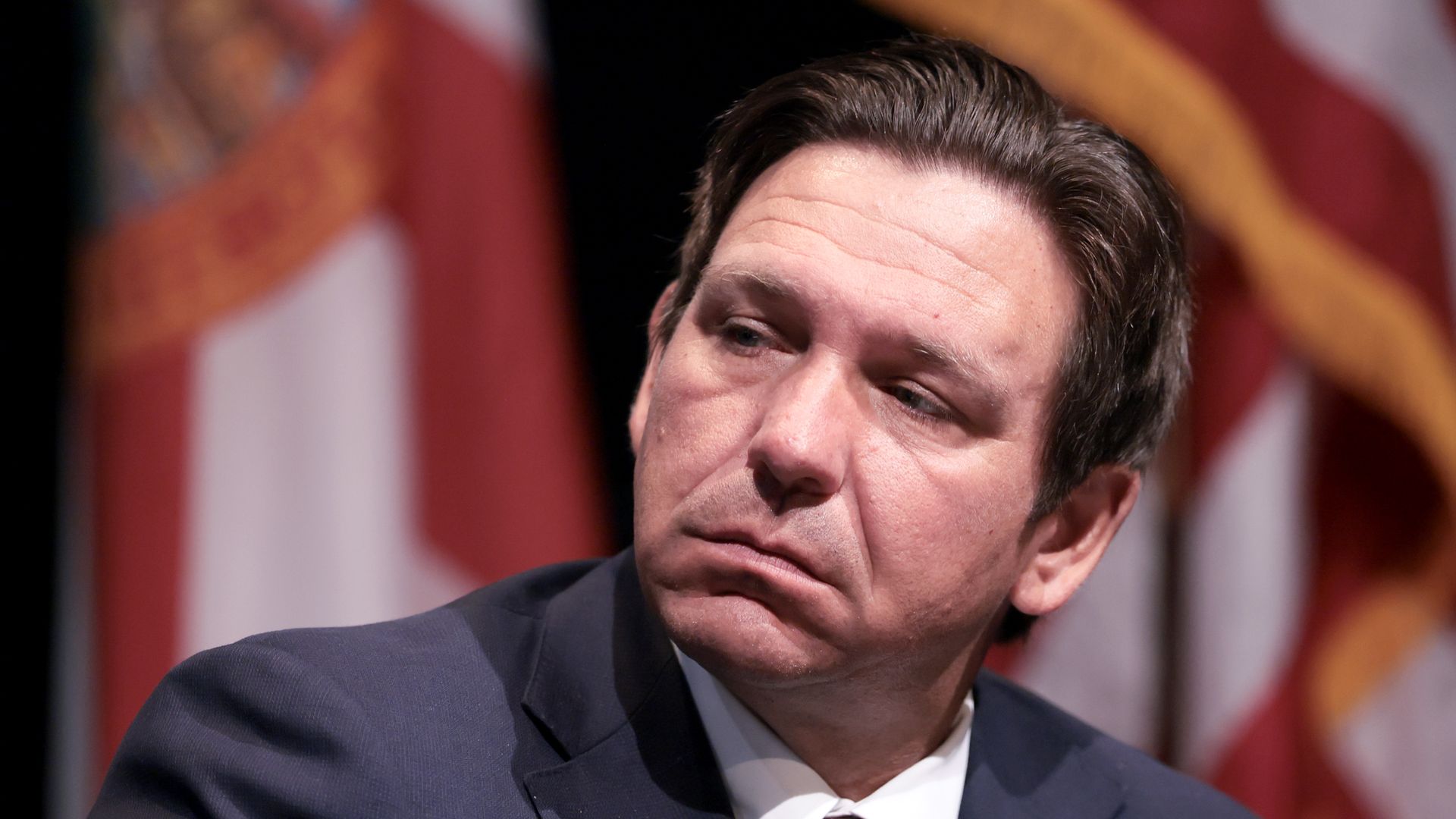
Photo: Joe Raedle/Getty Images
Opposition is mounting to the state's sweeping property tax overhaul — and its once-biggest champion is nowhere to be found.
Why it matters: The constitutional amendment, if passed by 60% of voters, would leave some local governments starved for revenue as they scramble to maintain services and offset billions of dollars in losses.
- Hillsborough County has already warned that it may have to shrink its workforce, nix entire departments and create new taxes, likening the amendment's impact to that of the Great Recession.
Driving the news: Former state Sen. Jeff Brandes (R-St. Petersburg) and former U.S. Rep. Al Lawson (D-Tallahassee) sued last week to keep the amendment off the ballot, arguing its language is "biased and misleading."
- Specifically, the former lawmakers took issue with the amendment's title, "SAVE OUR HOMES FROM EXCESSIVE PROPERTY TAXES," which they contend says nothing about what the amendment does.
- They also argue the ballot summary is misleading for suggesting the amendment "benefits Florida taxpayers," when, they say, "only a small slice" of homeowners will benefit at everyone else's expense.
Zoom out: A new political committee, Floridians for Shared Prosperity, formed this week to campaign against the amendment.
- The coalition includes labor groups, nonprofits and community leaders and is the third formal campaign launched against the amendment, according to Politico Florida.
The big picture: The amendment's supporters have yet to mount a major campaign — and don't expect Gov. Ron DeSantis to become its marquee messenger.
- The governor announced last week that, although he will vote for the amendment, he will not "lead the effort" in campaigning, explaining that the version passed by the Legislature "wasn't my proposal."
Between the lines: His hands-off approach is uncharacteristic for a governor who has spent his tenure seeking to influence elections large and small.
- In previous cycles, the governor poured his political capital into local school board races and used state resources to fight pushes for marijuana legalization and abortion rights.
The bottom line: The amendment may test whether a popular idea needs an organized campaign to win at the ballot box.