Plant Museum unveils Gasparilla exhibit

Add Axios as your preferred source to
see more of our stories on Google.

Photo: Courtesy of the Henry B. Plant Museum
The Henry B. Plant Museum unveiled a new exhibit during the weekend exploring the history of Tampa's Gasparilla Pirate Fest.
Why it matters: The annual celebration is ingrained in Tampa's history and helped shape many of the traditions that define the city.
Driving the news: The "Gaspar's Gold: Carnival and Community in a New South City" exhibit opened Saturday and runs through Aug. 30.
- The exhibit features coronation invitations, dance cards and rare artifacts dating to 1904, along with items from the community groups and krewes that helped expand the celebration.
- It includes original float designs by John F. Gasthoff, known as the dean of American float makers.
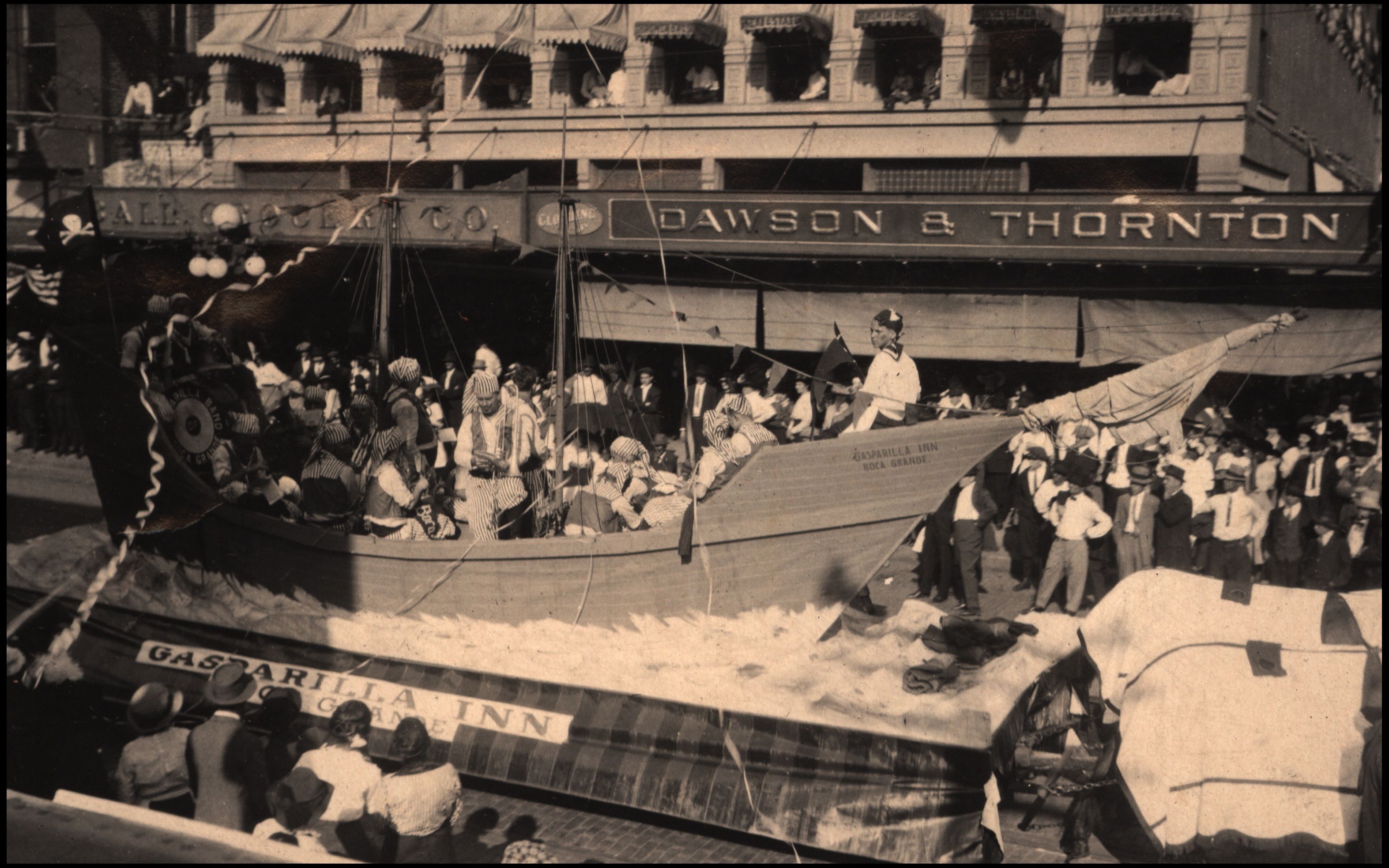
Zoom in: The exhibit explains that the men who first donned pirate garb in 1904 were not only imitating New Orleans krewes; they also adapted European traditions from the late Middle Ages.
- Dressing as pirates allowed the krewe to shed "the rules of respectability that governed their daily lives," according to the exhibit.
- The myth of Spanish pirate José Gaspar also allowed the city's new arrivals to link themselves to Florida's Spanish colonial past as "whites took increasing control of Tampa's cigar industry."
If you go: The museum is hosting several events tied to the exhibit, including one scheduled for Feb. 20 at 6:45pm titled "Parade Roots: Mardi Gras Mayhem and Meaning in the Gulf South."
- It's open from 10am to 5pm Tuesday through Saturday, and from noon to 5pm on Sunday.