Study explores how Florida's immigration crackdown upends lives

Add Axios as your preferred source to
see more of our stories on Google.
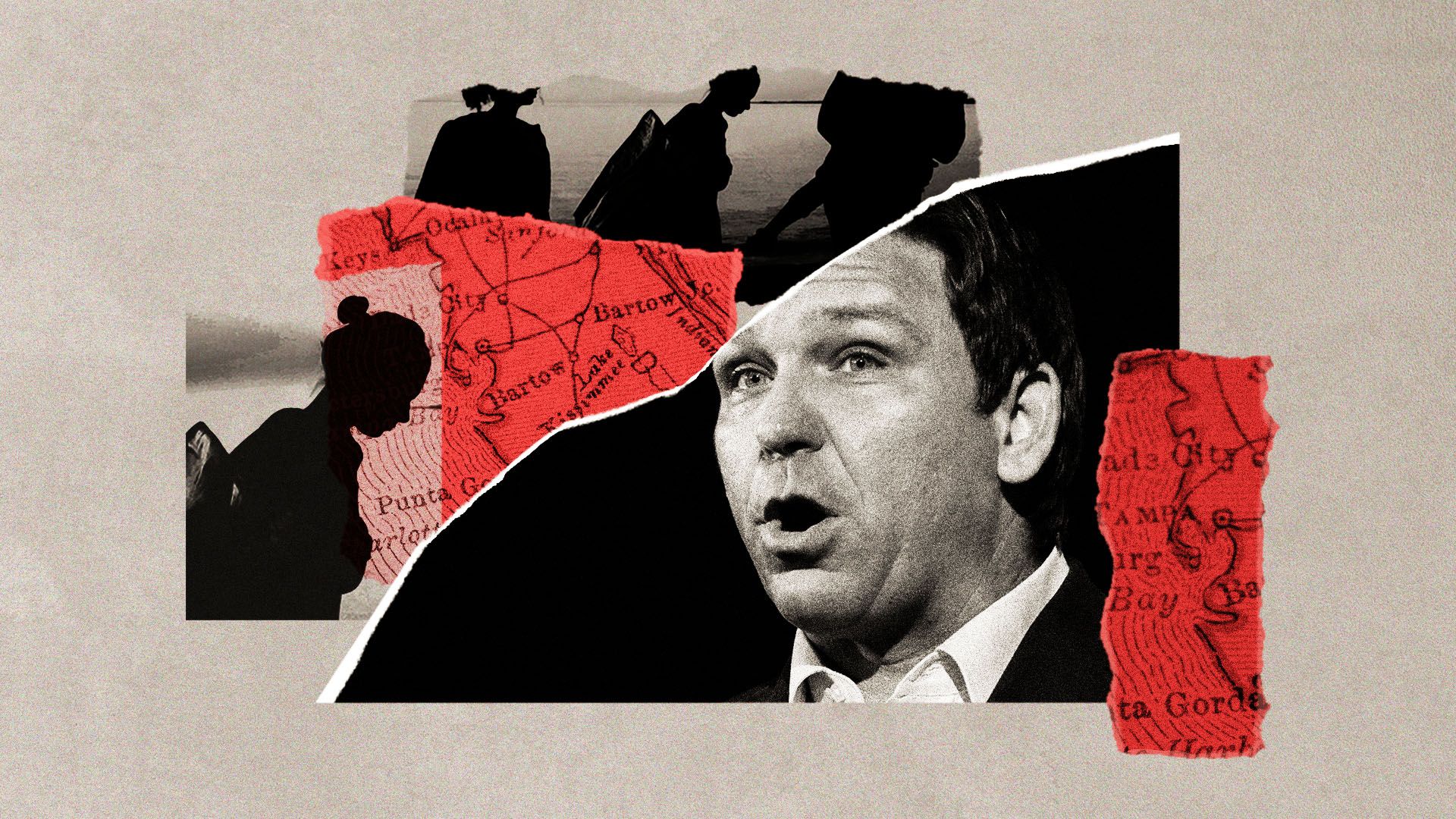
Photo illustration: Tiffany Herring/Axios; Photo: Ronda Churchill/Getty Images
Florida's immigration crackdown, in lockstep with the federal government, has eroded the financial, physical and emotional well-being of immigrants and their children, research from the University of South Florida finds.
Why it matters: The report — which draws from 52 interviews this year with mixed-status families in Central Florida — shows how state and federal efforts to curb undocumented immigration have upended lives.
- The effects of these policies are far-reaching and have impacted not only undocumented immigrants but also permanent residents and citizens, researchers found.
Driving the news: Researchers had already observed the psychological toll and "spillover" effects of the state's heightened immigration enforcement in 2023, and Florida was only getting started.
- This year, Gov. Ron DeSantis and the Legislature have convened special sessions to ramp up immigration enforcement, passed bills that force counties and cities into compliance, and erected detention facilities.
- The result: Families have stopped attending church out of fear of deportation, young adults have forgone college, and children are experiencing anxiety, appetite problems and sleep disturbances.
The other side: The DeSantis administration did not immediately respond to a request for comment.
What they're saying: "We thought the worst had already passed," an unidentified immigrant who has lived in the U.S. for 30 years told researchers. "We never expected this situation."
- "We are really being hunted," she went on. "Because now it's not just ICE, it's everyone, everyone. The highway patrol, the local police, the agricultural police, all the agencies are doing the same thing."
The big picture: Florida is home to 1.2 million undocumented immigrants; 89,000 of whom reside in Hillsborough and Pinellas counties, according to estimates from the Migration Policy Institute.
Zoom in: Immigrants told researchers that they've abandoned construction and agricultural work in favor of lower-paying, "potentially exploitative" jobs closer to their homes.
- Many say they've experienced insomnia, appetite loss, fatigue and anxiety, symptoms they directly linked to enforcement news, social media videos of arrests and local detentions, per the report.
- Their children, some of whom are U.S. citizens, have assumed more responsibilities, such as driving their parents to work.
Between the lines: Researchers worked with a smaller sample for this report than in the past and shifted from surveys to in-depth, hourslong interviews.
- "When you have quantitative data [from a survey], you can identify patterns and trends," Elizabeth Aranda, director of USF's Im/migrant Well-being Research Center, tells Axios.
- "What we can't identify is the experience of what the pattern suggests," she added. So, this time around, "we spent on average one to three hours with participants, just talking to them and learning about their lives."