Fort De Soto's footless bird survived fishing line injuries, but many don't

Add Axios as your preferred source to
see more of our stories on Google.
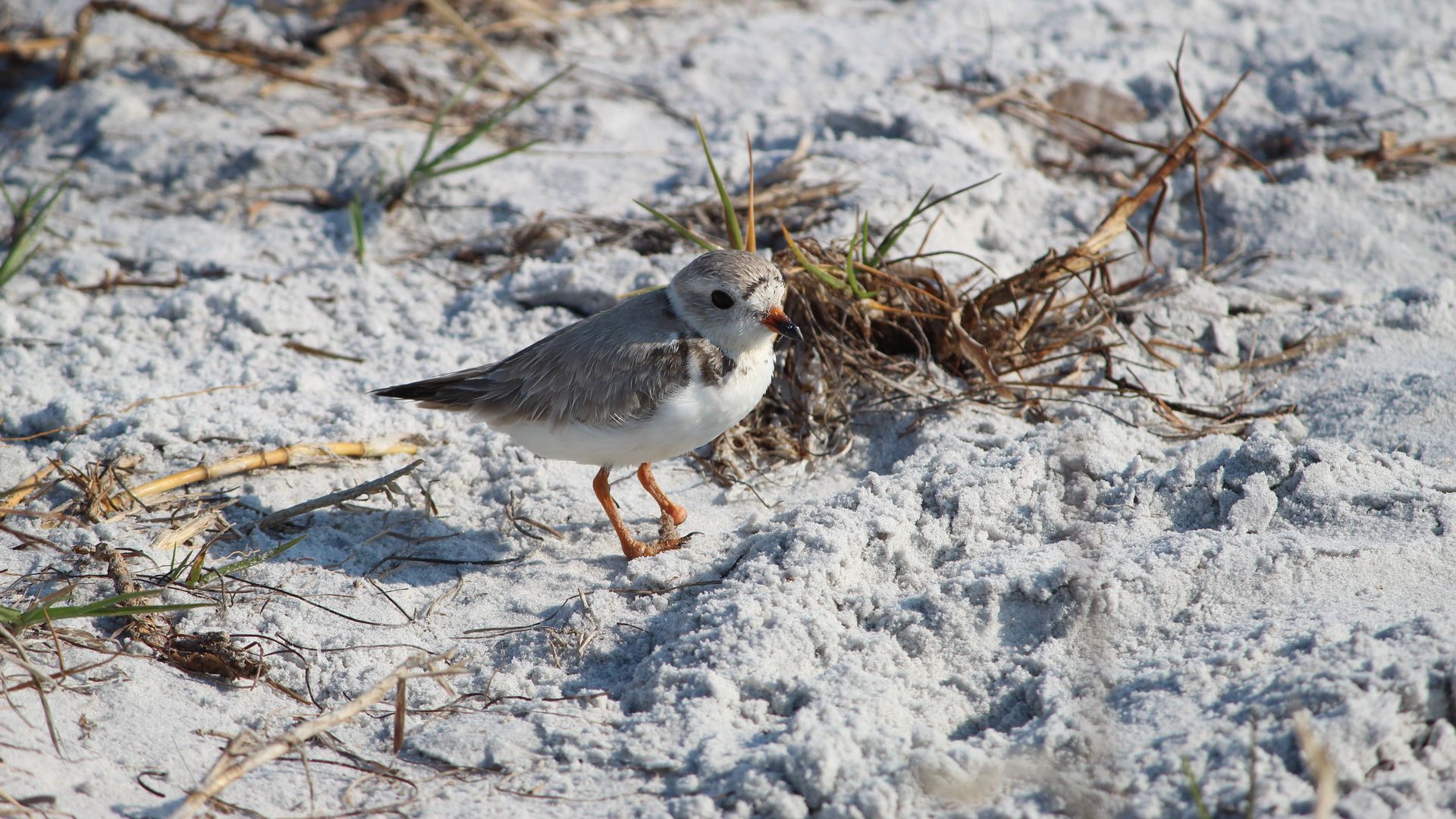
Phoenix when he still had one foot. Photo: Abby McKay/Audubon Florida
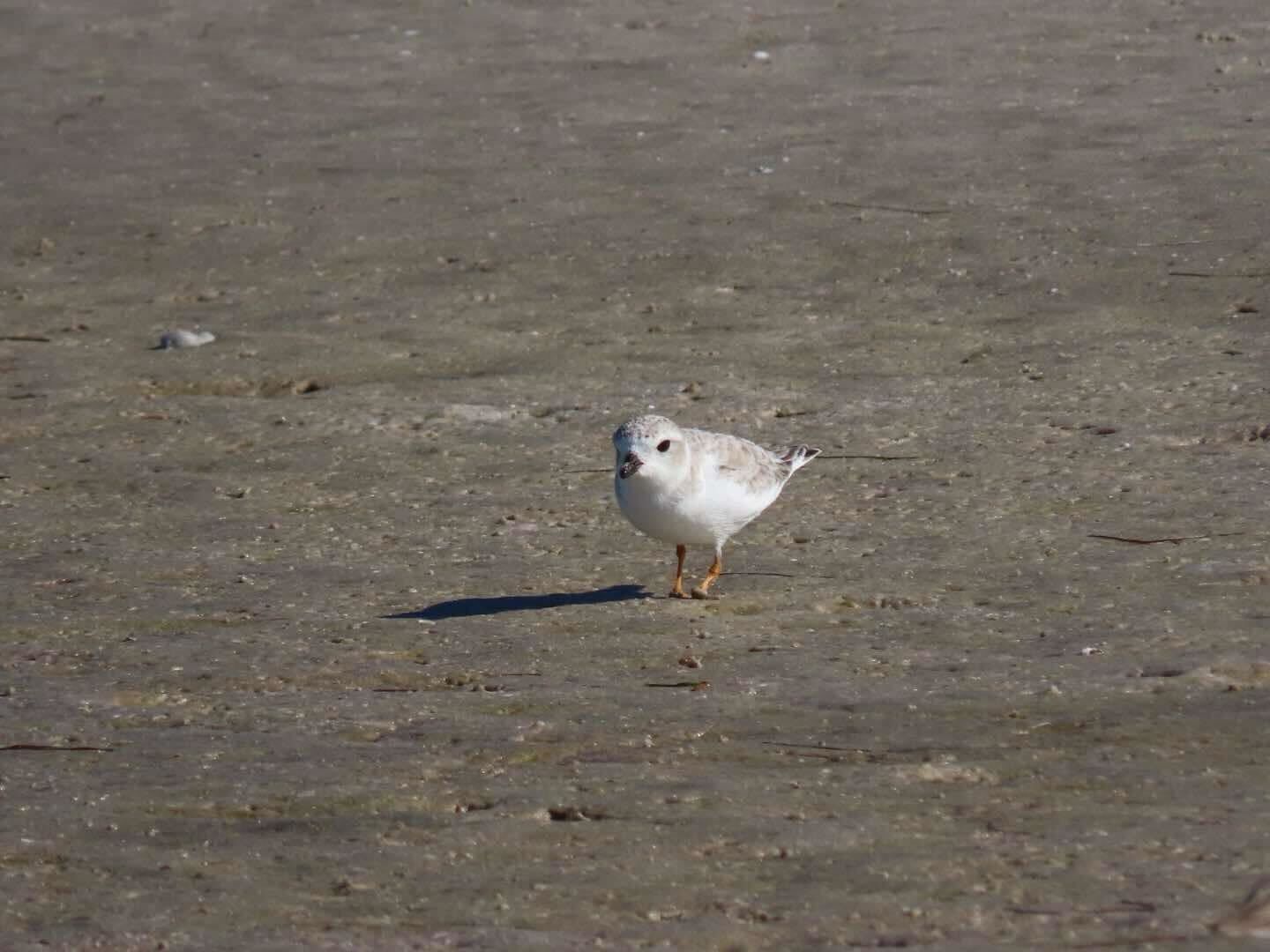
Gathered near a tide pool on Fort De Soto's North Beach, a photographer pointed out a tan-and-white shorebird with an unusual feature.
- Instead of the usual webbed toes, the bird skittered across the sand on tiny orange nubs. His feet were gone.
Why it matters: Phoenix, as the piping plover is known to some locals and bird enthusiasts (for obvious reasons), is a living example of one of the leading perils faced by our avian friends: injuries from fishing gear.
👋 Kathryn here. I couldn't stop thinking about this little guy (technically, Phoenix's gender is unknown) and neglected to get the photographer's info, so I reached out to Florida Audubon.
- Coastal biologist Abby McKay said she spotted Phoenix in 2023 with fishing line tangled around one of his feet.
- McKay, rescue groups and rangers tried to catch the plover "to no avail — he was resilient!" she said. Eventually, the foot fell off, and the other foot later met the same demise.
What they're saying: "Everyone was so concerned," McKay said, "but he surprised us all when he was still able to get around and forage well."
Yes, but: Not all birds have such happy endings.
- At least 40% of Seaside Seabird Sanctuary's caseload is due to a fishing line or hook injury, avian hospital director Melissa Edwards told Axios.
- For brown pelicans, it's double that, she said. The Indian Shores rescue takes in an average of 3,000 to 3,500 sick or injured birds per year.
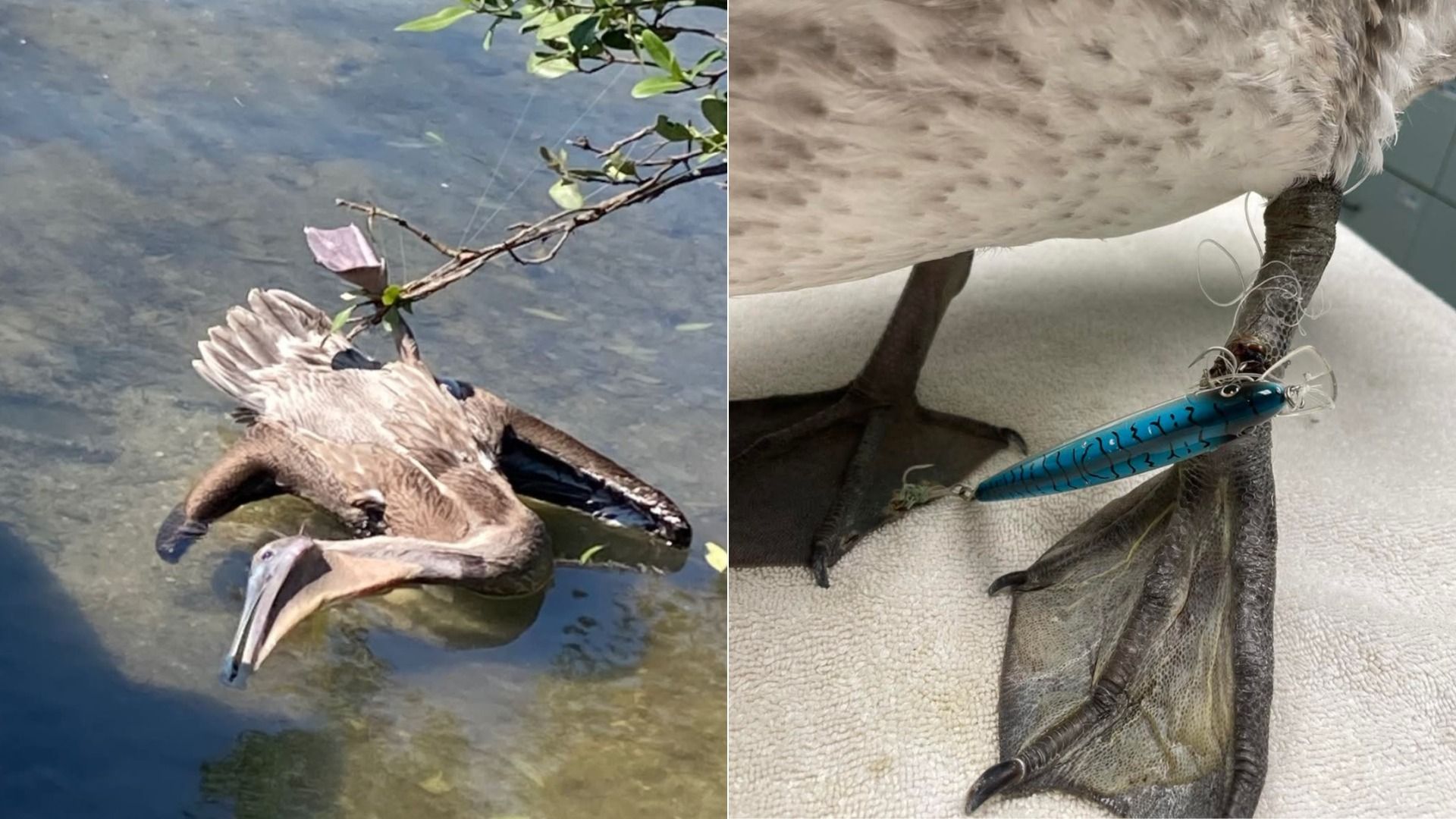
Threat level: Injuries range from cuts to constriction, when line is tightly wound around a wing or leg. Those wounds can also lead to secondary issues like dehydration and starvation, Edwards said.
- Many birds die in the wild, tangled in mangroves or suspended from docks or piers.
- Bradenton nonprofit Friends of the Pelicans posts almost daily on Facebook about birds they rescue — or find too late.
The latest: Bird advocates celebrated the recent closure of the south end of Skyway Fishing Pier State Park, an area Edwards said was a "nightmare for birds."
- While state transportation officials attributed the closure to structural issues, Friends of the Pelicans had been advocating for the change for years.
- Audubon recently began a research project aimed at better understanding how hooking and entanglement are harming pelican populations in Southwest Florida.
How to help: For starters, don't feed wildlife. It causes them to congregate around humans and makes injuries likelier, Edwards said.
- Use stronger fishing line to reduce line breaks. Edwards recommends 30-pound line.
- If you do hook a bird, don't cut the line. Slowly reel the critter in, push through the hook to expose the barb, and cut it. Remove the hook, then release the bird.
- If the bird is still struggling, contact a sanctuary. Here's how to reach Seaside Seabird's rescue hotline.
The bottom line: Phoenix survived without help, but so many more birds are in need.