Tampa Bay restaurants still passing off imported shrimp as wild‑caught

Add Axios as your preferred source to
see more of our stories on Google.
Illustration: Maura Losch/Axios
The shrimp-vestigators returned to Tampa Bay, and the results of their latest probe were mixed.
Why it matters: While there was some improvement from an initial inquiry in January, numerous local restaurants are still serving up imported shrimp despite suggesting otherwise, according to testing by SeaD Consulting.
What they did: SeaD, a technology company that uses genetic testing to monitor fraud in the seafood industry, tested 44 restaurants in January and found just two that served wild-caught shrimp.
- Last week, they visited a random sample of half the originally tested restaurants.
What they found: Of the 22 sampled restaurants, just three served domestic wild-caught shrimp.
- The 86% "inauthenticity rate," as SeaD characterized it in a news release, is an improvement from January's 96% rate.
Yes, but: Considering that restaurants had already been put on notice, "the results were surprisingly bad," said Michael Stephens, CEO of St. Petersburg-based seafood wholesaler Bama Sea Products and a board member of the Southern Shrimp Alliance.
- "It's not just deceptive, but it's fraud," Stephens told Axios. Imported shrimp is cheaper to source, and misrepresenting the origin allows restaurants to sell a cheaper product at a premium price.
- It also hurts a domestic industry that has dealt with rising costs in recent years, he said.
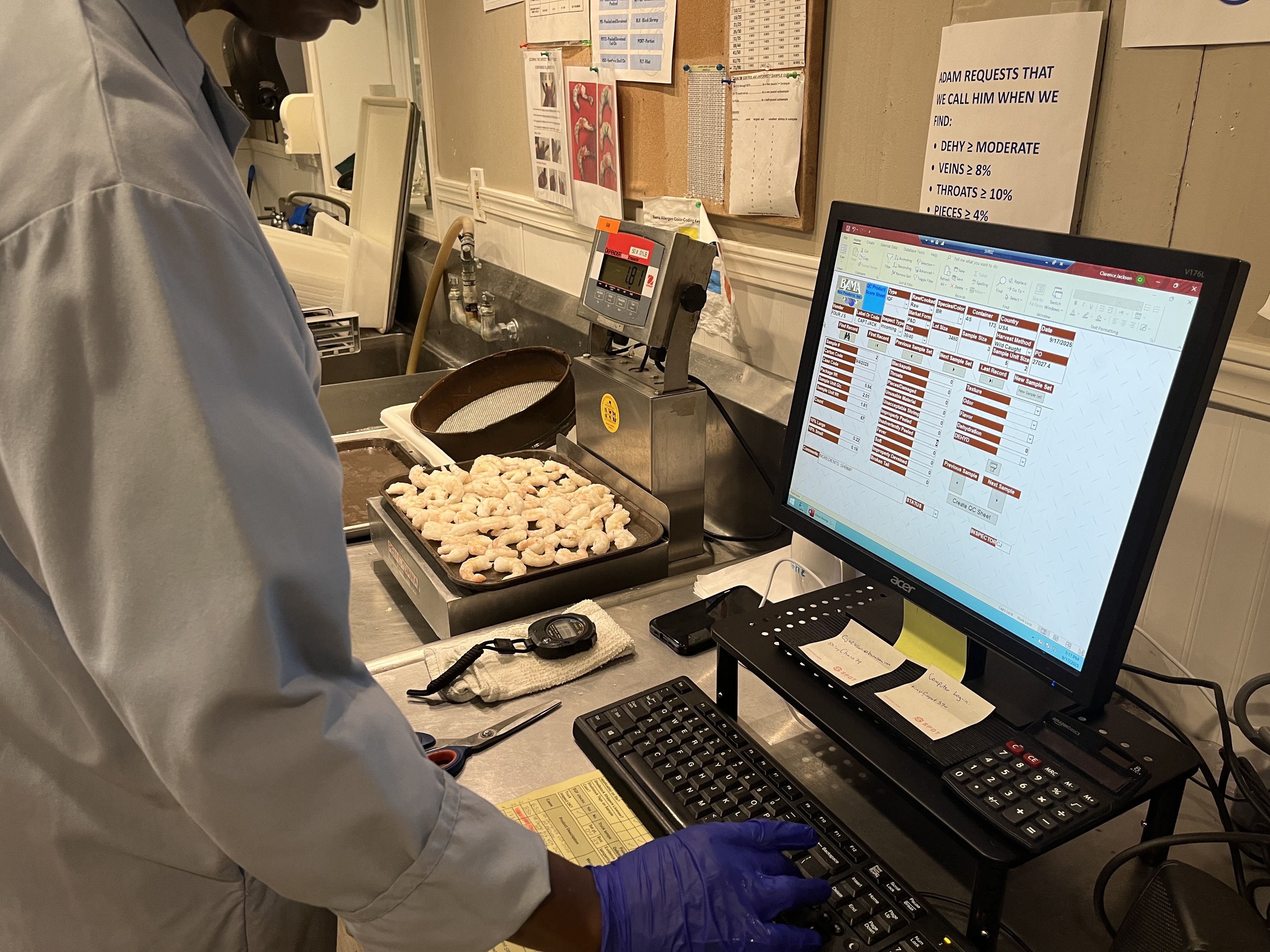
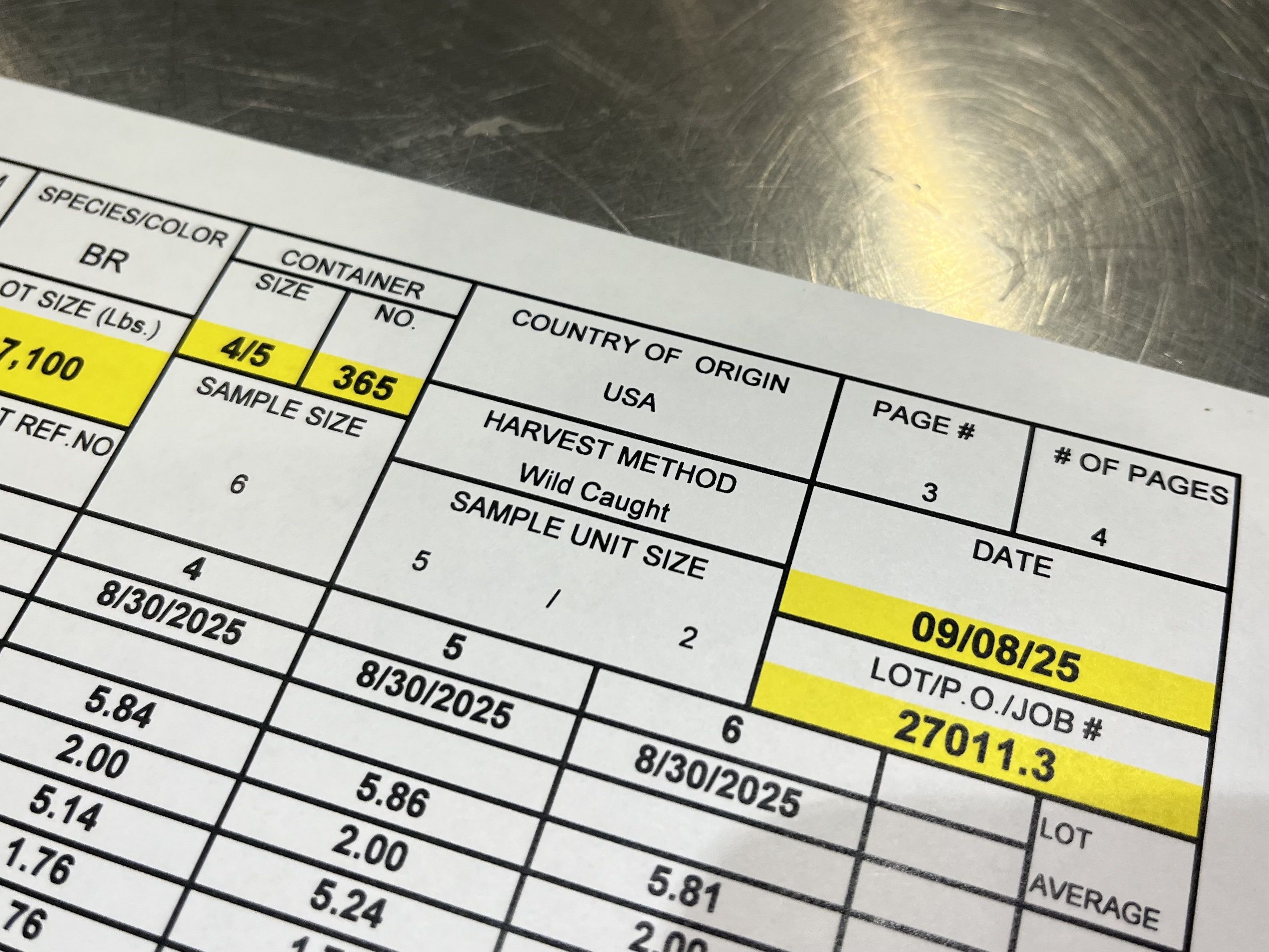
Zoom in: Salt Shack on the Bay in Tampa passed both tests, per the findings. Stillwater Tavern in St. Pete — the other restaurant found to be serving wild-caught shrimp in the first test — was not part of the retest sample.
- Fourth Street Shrimp Store in St. Pete served imported shrimp in January but was found to be serving wild-caught shrimp in last week's test.
- That was also the case for the third restaurant, which didn't want to be identified in the report, per SeaD. The report also didn't name the 19 restaurants that were caught serving imported shrimp.
By the numbers: All 19 served imports during both tests, with 12 considered "explicitly inauthentic," meaning menus or staff indicated that shrimp were wild-caught.
- The remaining seven were "implicitly inauthentic," SeaD said. That means branding, marketing or decor suggested that locally caught shrimp was being served.
Between the lines: Unlike other Gulf states like Louisiana and Alabama, Florida has no law on the books regulating seafood labeling.
- That needs to change, SeaD said, for any real progress to be made.