Birds in Florida and nationwide are vanishing — fast


Add Axios as your preferred source to
see more of our stories on Google.
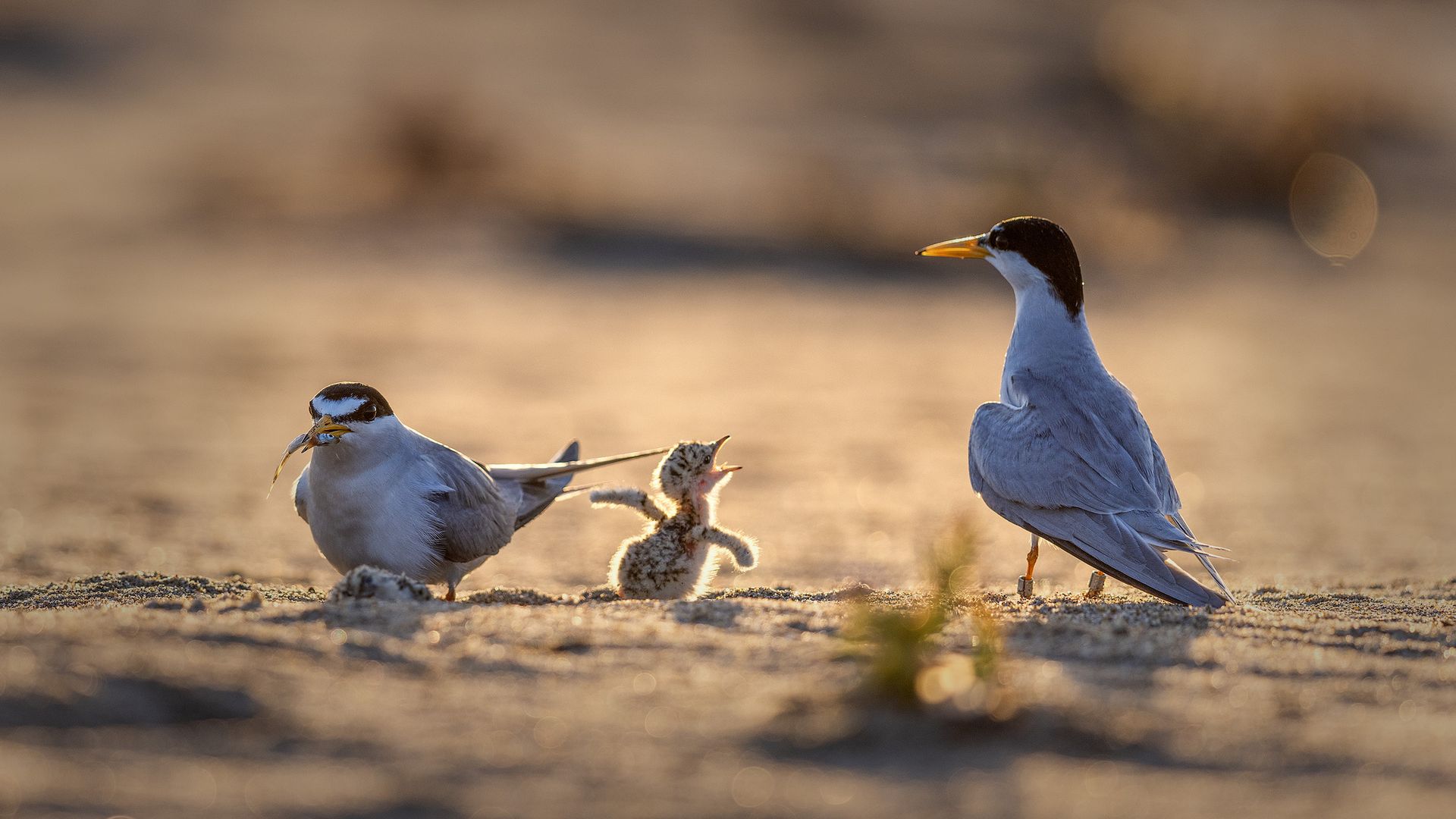
A family of least terns. Photo: Sandeep Dhar/Audubon Photography Awards
Birds that call Florida's coastline and pine forests home are in serious decline, according to a sweeping new conservation report.
Why it matters: Birds are indicators of the overall health of their habitats and signal early warnings of broader trouble.
- If these habitats can't support birdlife, they likely can't sustain other wildlife — or even humans — for long.
What they're saying: A list of species that have lost more than half of their populations in the last 50 years is "like a hit parade of Florida birds," Audubon Florida executive director Julie Wraithmell told Axios.
- That's in part due to migration patterns, she said. "Florida has an outsized importance for birds of this hemisphere because we're kind of like a Grand Central Station."
State of play: Coastal species, including the Wilson's plover, sanderling and least tern, have experienced steep declines, according to the North American Bird Conservation Initiative's 2025 State of the Birds report.
- So have woodland birds like the Bachman's sparrow and Florida scrub jay — the only bird endemic to the Sunshine State — as the pine forests they inhabit shrink or disappear due to development.
Zoom in: Several of the declining shorebirds are nesting now along Tampa Bay beaches, Wraithmell said, including the least tern, Wilson's plover and snowy plover.
- So are black skimmers, a species that didn't make the list but that Wraithmell said is similarly struggling in Florida.
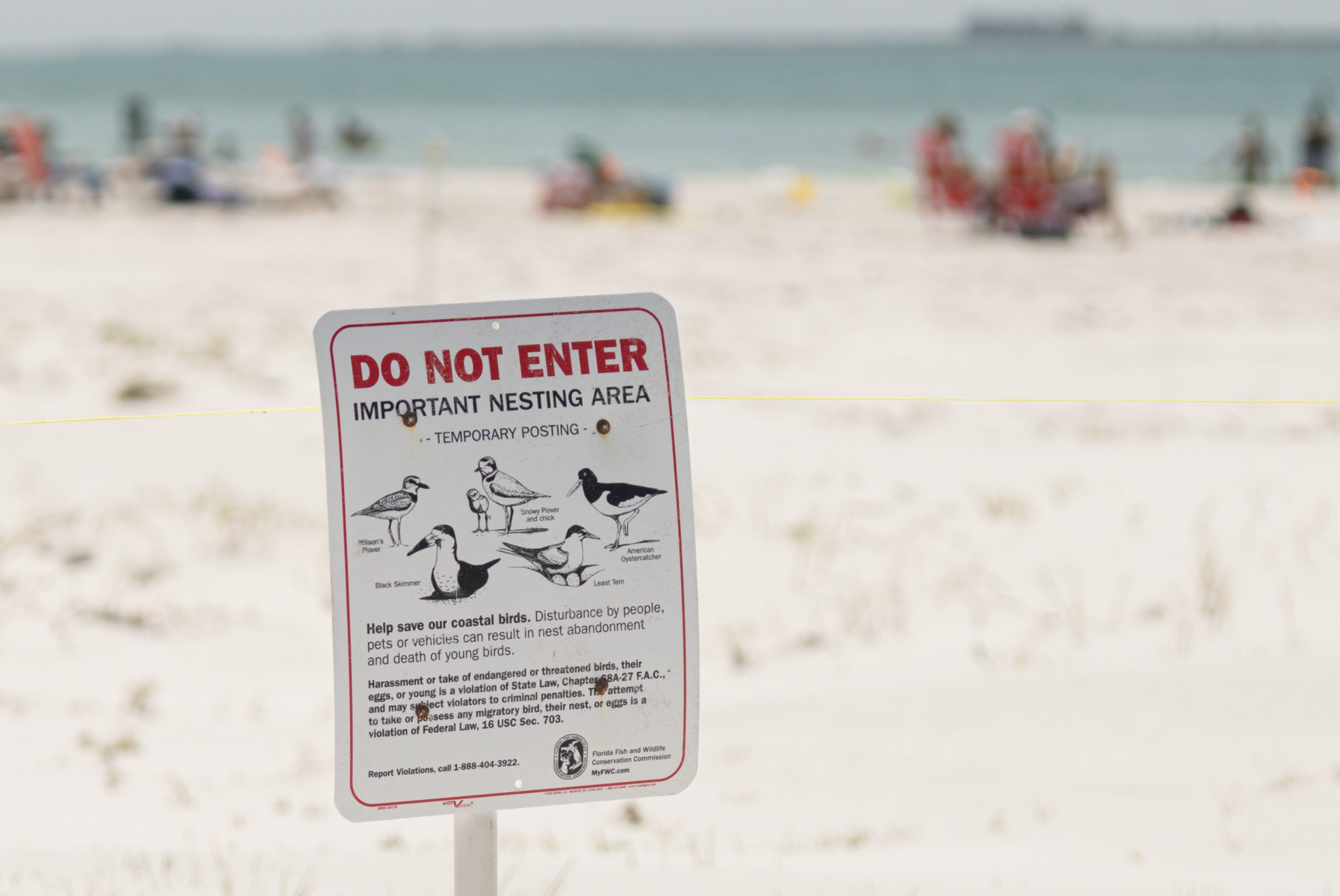
Friction point: These birds lay their eggs directly on the beach, making their nests particularly vulnerable.
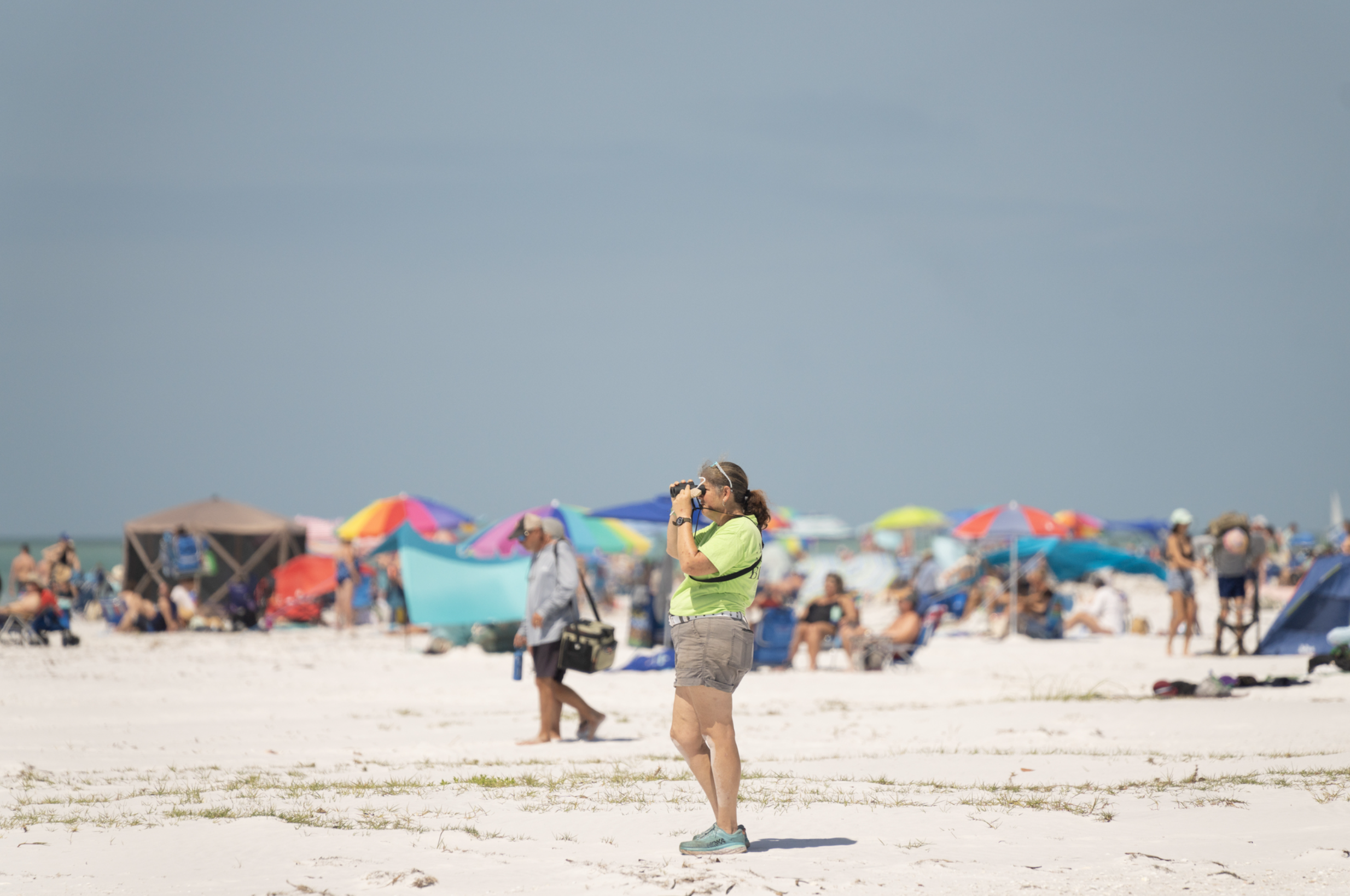
- That's why beachgoers may see areas of sand blocked off to pedestrians or Audubon Florida's bird stewards keeping watch.
- "People aren't expecting eggs in a small, shallow indentation of sand," Wraithmell said. "A single person cutting through can cause the failure of an entire colony."
- Struggling to find undisturbed beach sites, some birds have turned to flat gravel rooftops, which presents its own set of challenges.
The big picture: It's not just Florida. Researchers tracked species nationwide and found declines almost everywhere — even among birds once thought resilient, like waterfowl.
- Roughly one-third of U.S. bird species — 229 in total — are now classified as high or moderate conservation concerns.
Yes, but: There are signs of hope.
- Conservation efforts helped the breeding population for American oystercatchers, which also nest along Tampa Bay beaches, bounce back 43% since 2009, although further conservation efforts are needed to sustain that recovery, per the report.
What's next: Scientists are calling for bigger investments in habitat protection — particularly on private lands and in partnership with local communities and Indigenous nations.
The bottom line: "When we do good things for birds," Wraithmell said, "we are all also doing good things for us."