How local archivists preserve Asian American history

Add Axios as your preferred source to
see more of our stories on Google.
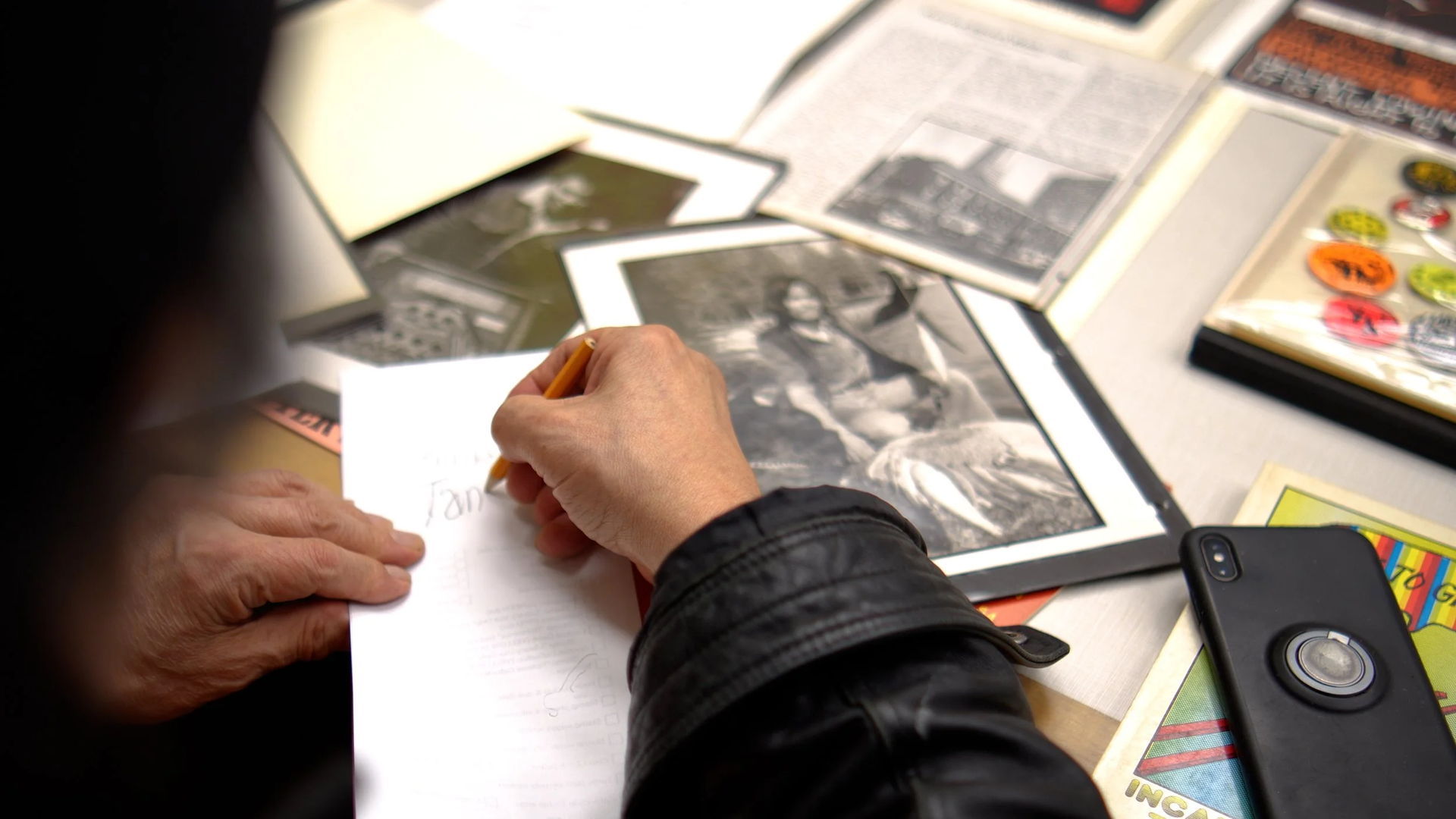
Sifting through the past, one note at a time. Photo: Courtesy of Katie Quan
Gold Rush-era anti-Asian violence and the destruction of San Francisco's Manilatown are dark chapters in local history, and they may have been lost to time if not for community archivists.
The big picture: A new documentary by a third-generation San Franciscan explores these stories through the eyes of the people preserving them for future generations.
- "From the Ground Up," sponsored by the AAPI Civic Engagement Fund, premiered in March at the Manilatown Heritage Foundation and is showing again next week.
Artist and activist Leon Sun, one of the film's subjects, compares archving to traveling on a road through time.
- "Archiving is sort of like the gas stations on the way to keep you going forward [and also] a trail that you can look back on to see what happened in the past," he told Axios.
The 35-minute film follows four community archivists:
- Sun, whose photography captured the lives of everyday people in movements like anti-Vietnam War protests and Black-Asian solidarity.
- Manilatown Heritage Foundation executive director Caroline Cabading, whose work preserves the legacy of San Francisco's Filipino enclave and its destruction after the 1977 International Hotel eviction.
- Barnali Ghosh and Anirvan Chatterjee of the South Asian Radical History Walking Tour, which touches on chapters like Gold Rush-era racial violence, the origins of South Asian LGBTQ+ organizations, and the life of activist Kala Bagai.
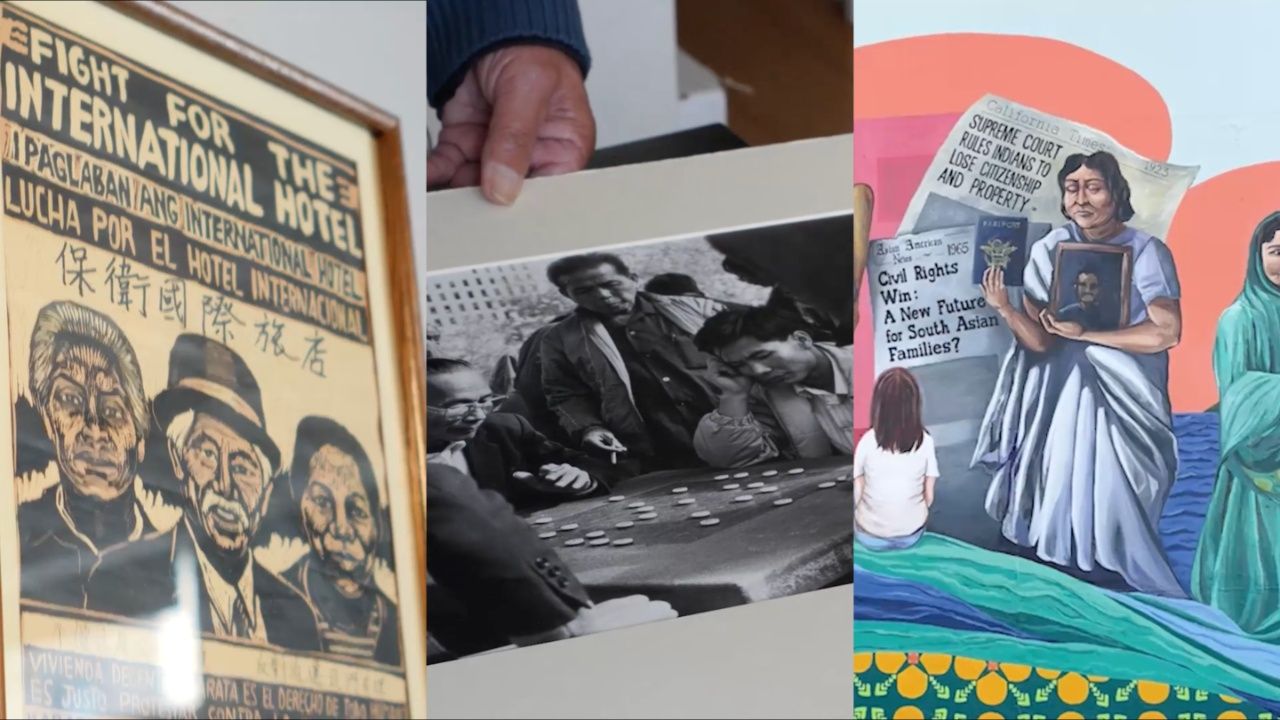
Behind the scenes: Director Katie Quan started working on the film a few years ago while delving into archives like the Bay Area hip-hop collection at the African American Museum and Library at Oakland.
- "Giving credit to archives doesn't really come naturally," Quan told Axios, noting that people often "pick and choose things" without thinking through how the materials are preserved.
- But they are crucial to filling in gaps for marginalized communities, she said, especially as attacks on DEI continue to escalate. "If we don't save our own history, no one else is going to do it," she said.
Case in point: Many people today are shocked to learn that there used to be a thriving, 10-block-long Filipino neighborhood adjacent to Chinatown, Cabading told Axios.
- But Manilatown is where her grandfather first found solace as an immigrant in the early 1900s. Her aunt and uncle were also part of the human chain that defended the I-Hotel against urban renewal plans.
- "You have to remember on the community's behalf," Cabading told Axios, noting that young Filipinos often feel empowered when they find out they are part of "at least two generations of warrior stock."
Between the lines: For the four subjects of Quan's film, archiving is more than just preserving — it's honoring Asian American resistance.
- "Our traditions are not just about like Bollywood or samosas," Ghosh says in the documentary. "We wanted to push that narrative to show folks that organizing is as much part of our culture as anything else."
What's next: Watch "From the Ground Up" at its next screening at 7:30pm on April 16 at Clarion Performing Arts Center.