Inside SF's Filipino American legacy

Add Axios as your preferred source to
see more of our stories on Google.
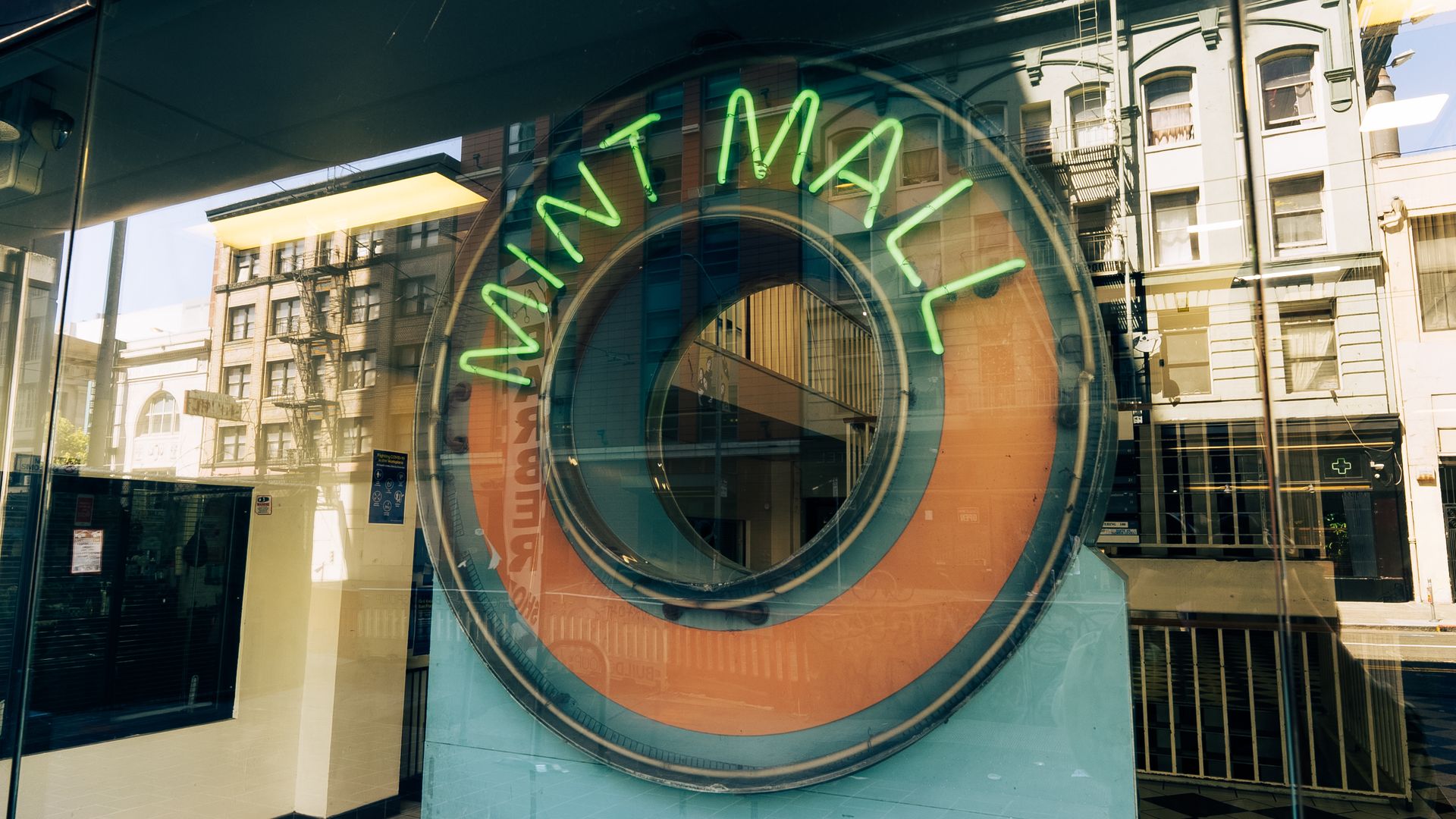
The entrance to Mint Mall and Hall. Photo: Courtesy of Nix Guirre/SOMA Pilipinas Cultural Heritage District
In San Francisco's South of Market neighborhood, a modest plaza tells a story of survival, one that spans from the erasure of Manilatown to continued struggles against gentrification.
Why it matters: Mint Mall and Hall, located at 951-957 Mission St., serves as a hub for Filipino Americans and has been an activism nucleus for decades. Some community members now fear further displacement as the AI industry makes its presence known across SF and the threat of immigration raids lingers.
Driving the news: The Board of Supervisors recognized Mint Mall and Hall as a cultural landmark earlier this month, in part to honor Filipino American History Month.
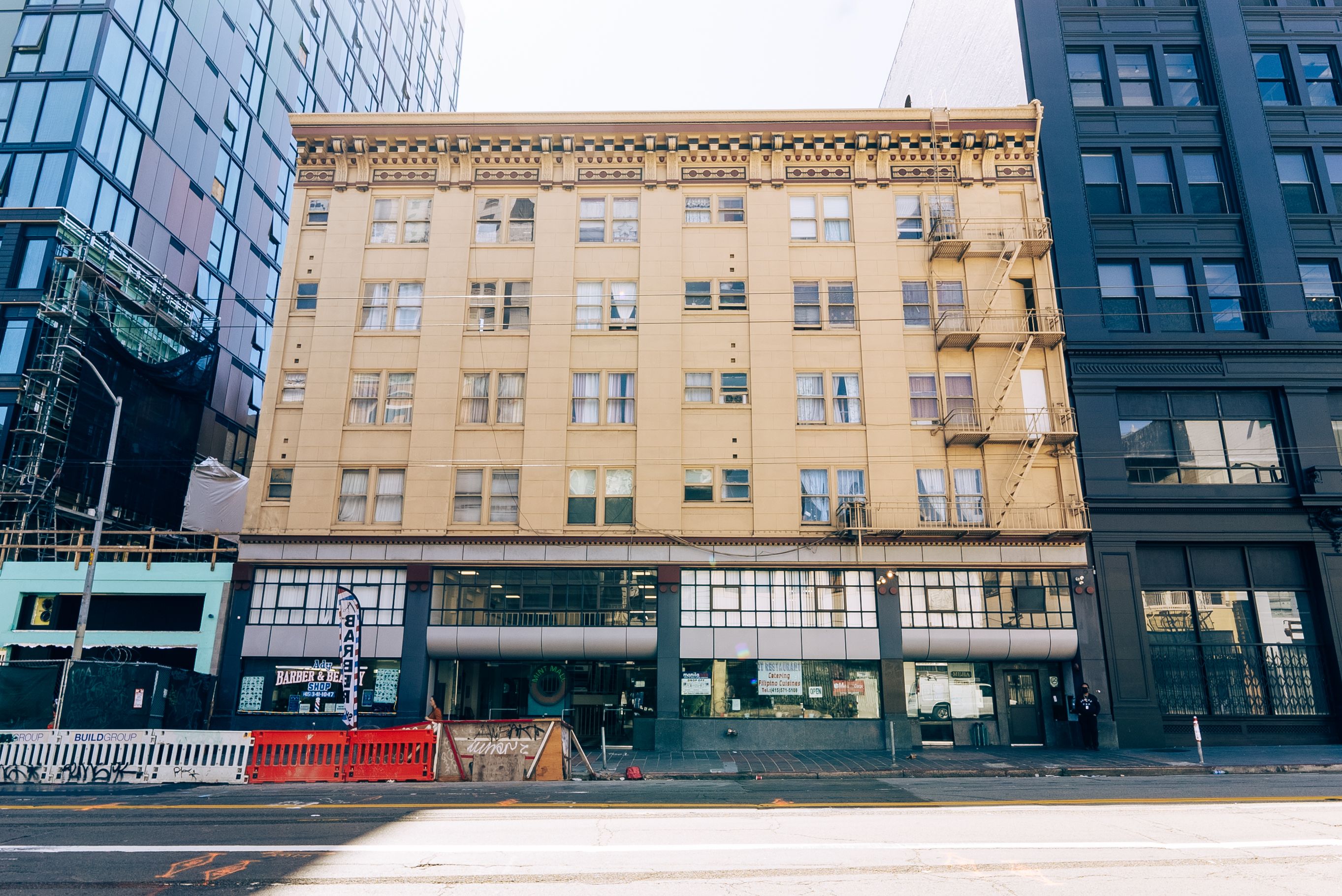
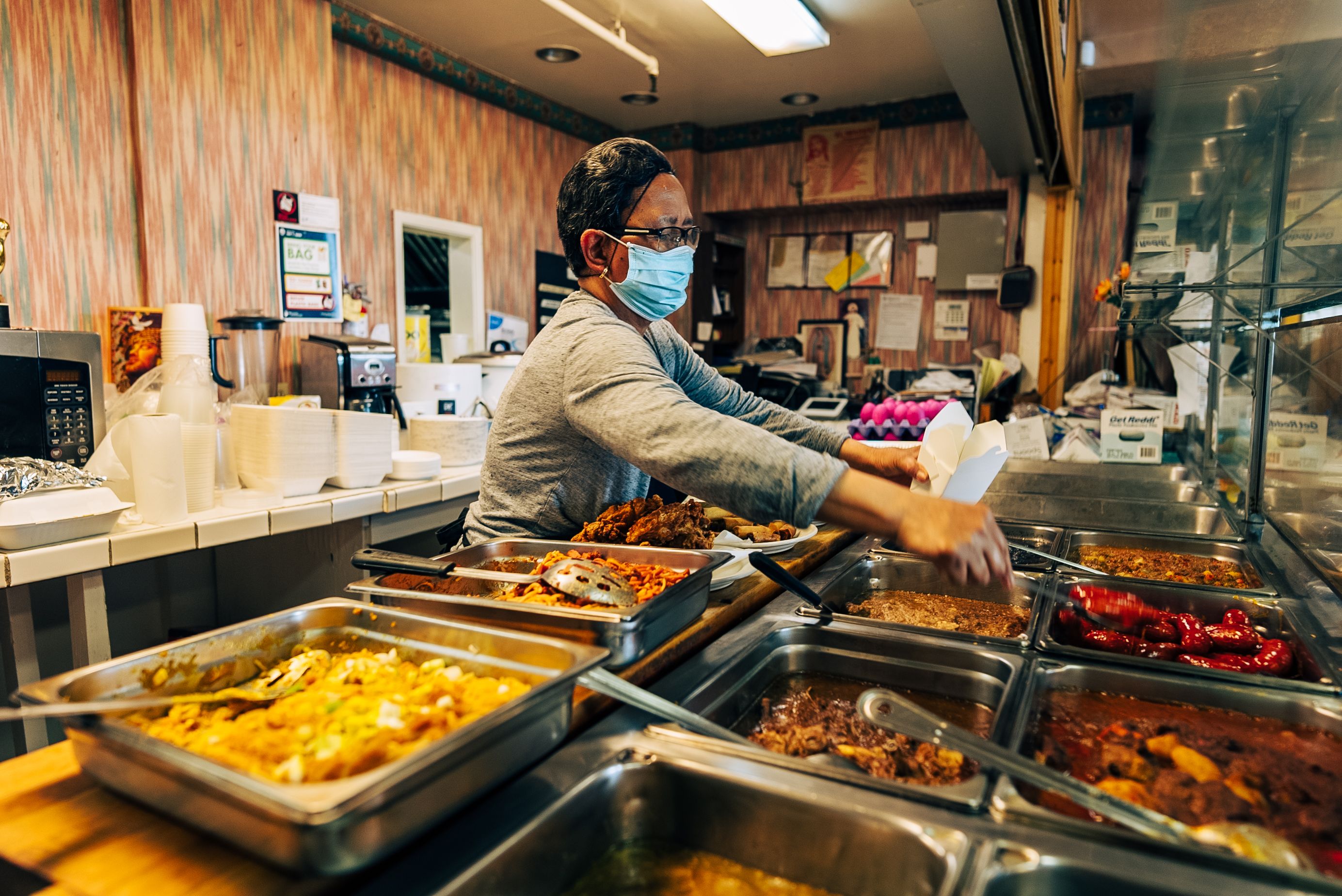
- The building today houses institutions like JT Restaurant, neighborhood-serving businesses like barber and garment shops, community rooms and affordable housing units.
- It anchors the SoMa neighborhood, which has been a "gateway community" for Filipinos for decades, according to Raquel Redondiez, director of the SOMA Pilipinas Cultural Heritage District.
Flashback: In the 1990s, Mint Mall and Hall became a refuge for displaced Filipino World War II veterans and residents following the Delta Hotel fire. It was a go-to spot for Filipinos arriving in San Francisco — "a place of chain migration," especially for families, Redondiez said.
- After the Manilatown neighborhood was effectively razed during redevelopment, Mint Mall and Hall became a crucial space for organizing against disinvestment, paving the way for a cultural district designation.
Context: The Dot Com boom led to landlords being incentivized to kick out long-term businesses and rent to higher-paying tech companies, Redondiez told Axios.
- "That's why we have ... a lack of Filipino-serving businesses in the neighborhood," she said, contrasting the area to "thriving commercial corridors" in Chinatown and Japantown.
- "That's been our biggest challenge," she added.
Threat level: The AI boom has reignited concerns about displacement, according to Redondiez.
- "We've gone through so many waves of it," she said. "Upzoning basically creates more speculation, more drive for landlords to push out existing tenants so that they can ... make more money from their properties."
- At the same time, ICE raids have increased anxieties among local community members. The population of unauthorized immigrants from the Philippines is the sixth-largest in the U.S., per the Migration Policy Institute.
The big picture: SOMA Pilipinas estimates that around 36,000 Filipino Americans live in San Francisco.