Trump's trade whiplash: How his tariffs could impact the Bay Area


Add Axios as your preferred source to
see more of our stories on Google.
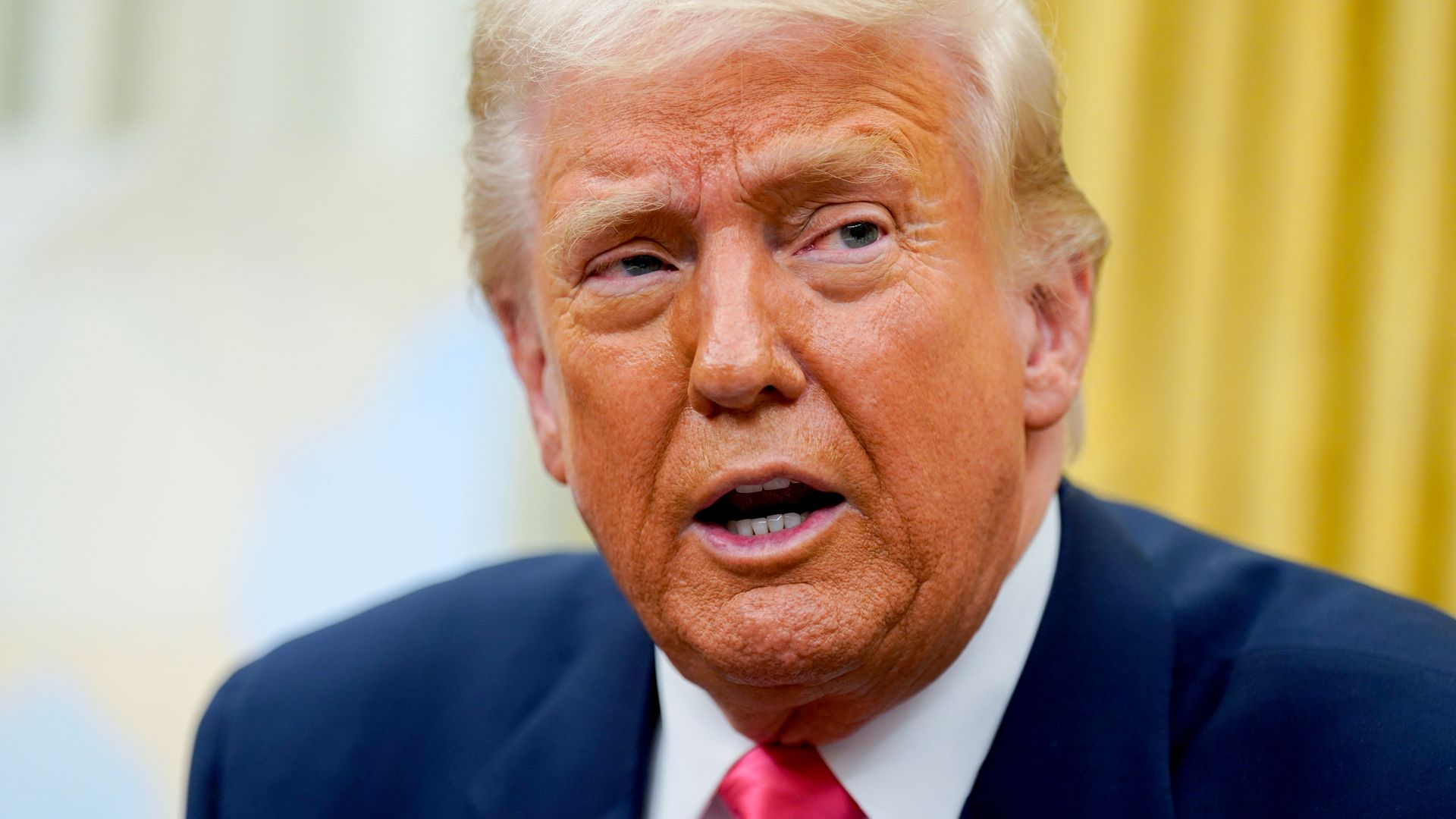
President Trump speaks on March 6 prior to signing an executive order to pause some tariffs on imports from Mexico and Canada. Photo: Al Drago/Bloomberg via Getty Images
Stocks sank Thursday after the Trump administration's latest trade policy pivot rattled businesses and consumers.
Why it matters: The up-and-down unpredictability is likely to continue and the tariffs announced Tuesday alone could cost the average American household at least $830 per year, economists have warned.
Follow the money: President Trump's tariffs would have an estimated $33 billion impact on California and effectively represent a 209% increase from existing tariffs, per data from Trade Partnership Worldwide.
The latest: On Thursday, two days after the U.S. enacted 25% tariffs on goods from Mexico and Canada, Trump paused them for a good chunk of imports amid fear of economic fallout.
- The tariffs will not apply until April 2 for imports that comply with the 2020 USMCA trade pact signed during Trump's first term, including motor vehicle parts and chemicals.
- That gives U.S. automakers a 30-day reprieve.
Yes, but: About 62% of imports from Canada are not USMCA-compliant and will likely still be taxed, according to AP.
- Half of non-USCMA-compliant imports from Mexico will also face tariffs.
- The development comes after the U.S. imposed a 10% tariff on China in February and tacked on an additional 10% on Tuesday.
- Meanwhile, 25% tariffs on steel and aluminum imports are still set to take effect March 12 and reciprocal tariffs, which would levy tariffs on any country that imposes them on the U.S., for April 2.
Zoom in: Local experts say the tariffs will likely lead to price hikes in the Bay Area's manufacturing, hardware, grocery and homebuilding industries in particular.
- The Port of Oakland, which has strong trade ties to China and supports over 98,000 jobs, could also see its trade volume drop, leading to ripple effects among related businesses like warehousing and transportation.
The big picture: In the last month, the White House announced tariffs on incoming goods from Mexico and Canada that were later paused, imposed again, and now paused once more.
Between the lines: Tariffs function like an additional tax on goods and are often passed on to consumers. Some retailers have already warned that they could be forced to raise prices.
- Here are some of the everyday goods expected to get caught in the crossfire as things continue to play out.
Energy
The U.S. relies on Mexico and Canada for critical energy exports that could make everyday activities — like cooking, driving and heating homes — more expensive for Americans.
- Oil and gas are some of the U.S.' top imports from Mexico, while top imports from Canada are crude oil, petroleum gas and coal.
Household goods
The U.S. is the largest market for Chinese exports, buying about 15% of everything China sends out.
- This encompasses a wide array of everyday household goods, from machinery, toys, furniture, sporting goods, footwear, clothing and textiles.
Food and beverages
The U.S. imports large amounts of food and beverage products from Canada and Mexico.
- In 2023, 63% of U.S. vegetable imports came from Mexico. The nation also supplied 43% of the United States' fruit and nut imports, including avocados, per the U.S. Department of Agriculture.
- About 81% of U.S. beer imports came from Mexico in 2023.
- Canada is another major source of food for the U.S. In 2023, almost 64% of U.S. agricultural imports from Canada consisted of "meat and other animal products, grains and feeds, and oilseeds and oilseed products," per the USDA.
Electronics
Computers and other electronics are expected to see persistent price increases due to the tariffs.
- The U.S. imports a significant portion of its electronics from China, including smartphones and computers.
Courtenay Brown and Ben Berkowitz contributed reporting.