Super Bowl parties double as a cultural statement for Bad Bunny fans

Add Axios as your preferred source to
see more of our stories on Google.
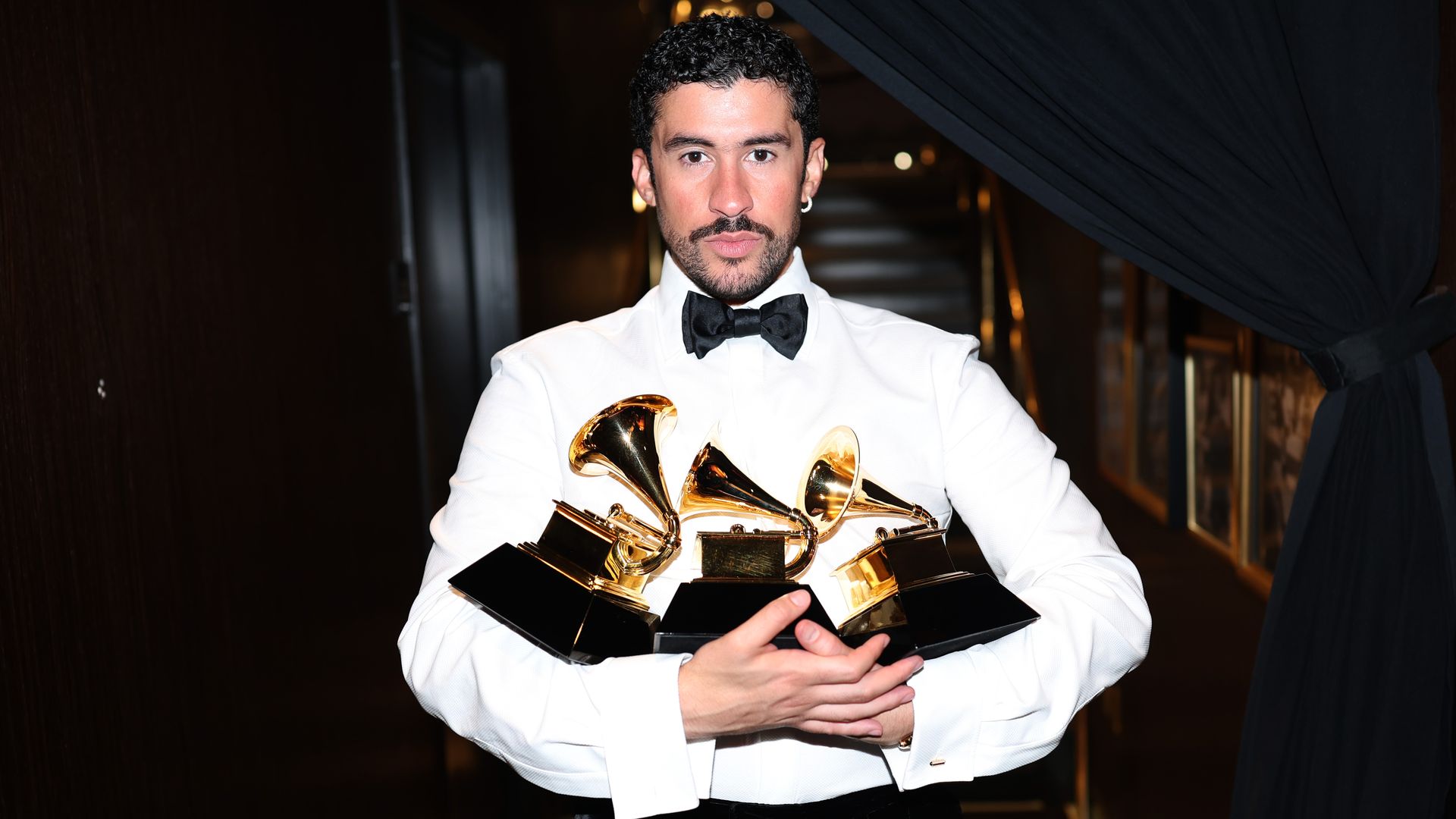
Bad Bunny at the Grammy Awards. Photo: Matt Winkelmeyer/Getty Images for The Recording Academy
For many Latinos, this year's Super Bowl parties double as a joyful form of resistance as global superstar Bad Bunny takes the halftime stage.
Why it matters: It's a rare moment of Latino visibility on a stage that has historically featured English-language pop and rock acts.
The latest: "Benito Bowl" has become a phenomenon, fueling a cottage industry of house parties, bar events, merchandise and recipes centered on the Puerto Rican artist, whose real name is Benito Antonio Martínez Ocasio.
The big picture: Veronica Ramirez, owner of Texas-based Sin Miedo Market, is selling "Benito Bowl" T-shirts — and says the moment reflects Latinos refusing to make themselves smaller.
- "In a political climate that targets our communities, our joy becomes radical," Ramirez tells Axios. "Dancing, singing, laughing, showing pride in our rhythms, our language and our culture is an act of defiance."
Flashback: When the NFL announced Bad Bunny as the halftime performer in September, backlash followed, much of it racially charged and rooted in familiar questions about language, identity and who belongs on America's biggest stage.
- The All-American Halftime Show was launched as a conservative alternative to Bad Bunny's performance.
By the numbers: Eventbrite, a global events marketplace, tells Axios that week-over-week ticket orders tied to Bad Bunny–inspired events surged more than 1,000% nationwide in the first two weeks of January, with another 560% jump the following week.
The vibe: Across San Antonio, bars and restaurants are hosting Bad Bunny–themed watch parties, including Chifladas Cocktail Bar on the West Side.
- "It just hits different when you see someone who looks like you on one of the biggest stages in the world," Chifladas owner Natasha Riffle tells Axios. "In the climate we're in, we want to celebrate who we are — and keep doing that every day, no matter what."
What they're saying: "Our cultural heartbeat doesn't stop because someone is uncomfortable with it," Ramirez says. "If anything, it gets louder. For those who can't celebrate openly — because of fear, status or safety — we celebrate for them. We carry the joy for them."