Push for monarch butterfly endangered status continues


Add Axios as your preferred source to
see more of our stories on Google.
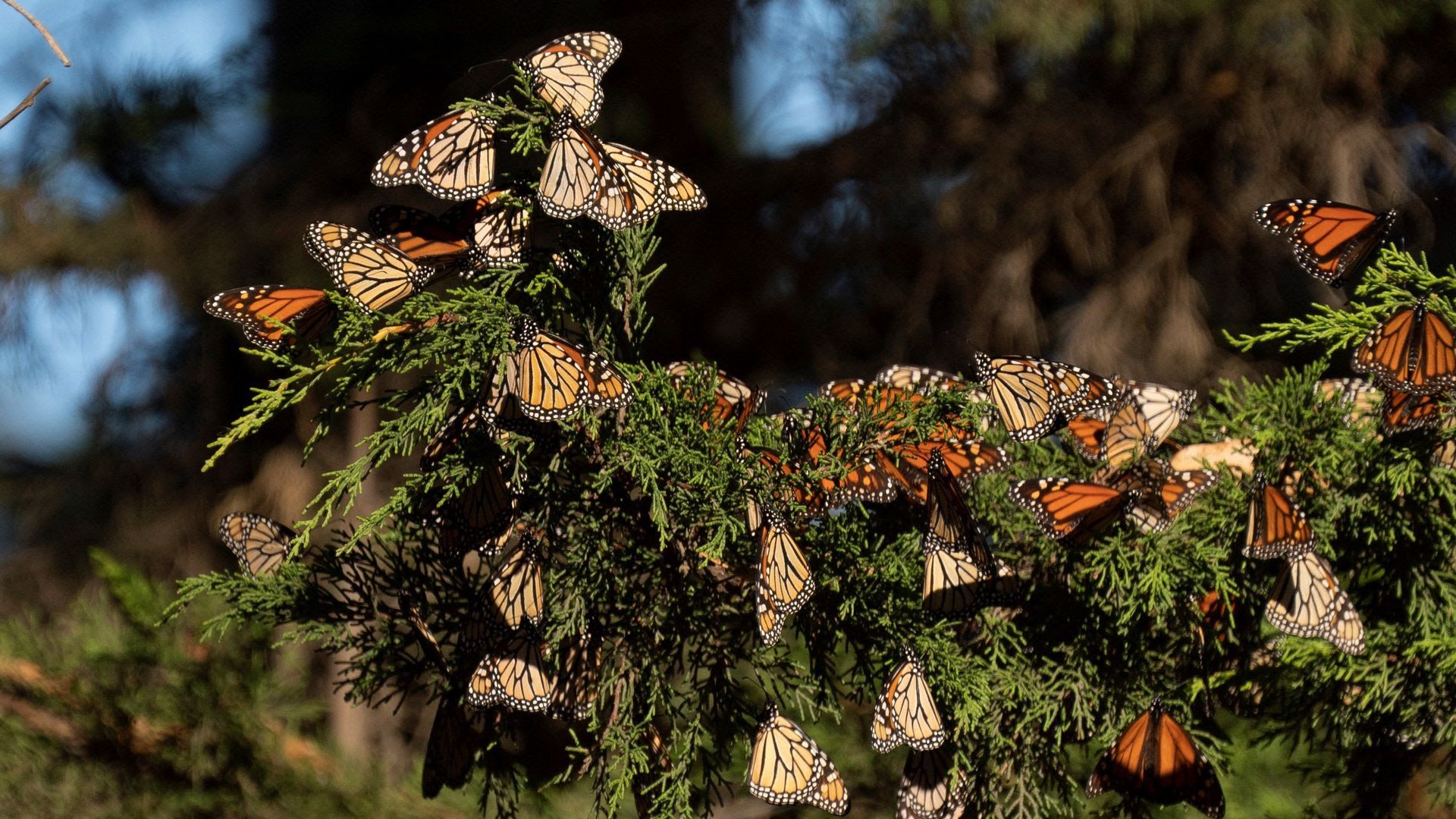
The U.S. government is considering listing the monarch butterfly as a threatened species. Photo: Li Jianguo/Xinhua via Getty Images
The monarch butterfly's annual migratory journey from Mexico to the U.S. and then Canada is a breeze compared to the federal government's lengthy process to protect the dwindling species.
Why it matters: The monarch — whose population has declined more than 80% since the 1990s — has waited more than 10 years for protection under the Endangered Species Act.
Driving the news: The U.S. Fish and Wildlife Service announced Tuesday it would reopen the public comment period on a proposal issued by the Biden administration to list the monarch as a threatened species with enhanced habitat protection.
- Public comment is open until May 19.
Friction point: Although wildlife groups tell Axios it's not uncommon to allow the public more time to comment on complicated rules, Center for Biological Diversity senior scientist Tierra Curry said some conservationists worry the administration is delaying protections for political reasons.
Catch up quick: Wildlife groups first petitioned the Fish and Wildlife Service to list the monarchs in 2014.
- The monarch was placed on a waitlist until last December, when the agency formally proposed the butterfly's Endangered Species Act listing and unveiled a list of recommended conservation efforts. This began the initial public comment period that ended March 12.
Between the lines: Wendy Caldwell, executive director of the Monarch Joint Venture, told Axios that protecting the monarch is complicated because the species migrates across all 48 continental U.S. states and two international borders.
- The agriculture industry would also be impacted by pesticide regulations designed to protect monarch habitats, adding an extra wrinkle to federal government involvement, she said.
- Because of the scope of the proposed Endangered Species Act listing, Caldwell said she doesn't think it's a bad thing to have extra time for public comment.
Zoom in: San Antonio is a key first stop in the monarchs' spring and fall migrations, making milkweed and nectar plants vital for their survival.
- Monarchs are also culturally revered in Latino communities as symbols of returning souls and immigration, adding a deeper connection in the city.
Flashback: In 2015, San Antonio became the first U.S. city to be named a Monarch Champion by the National Wildlife Federation (NWF).
- The city committed to all 24 NWF pledge actions to support monarch migration, including public gardens, science projects and landscape policy changes.
- The San Antonio Zoo's Monarch Fest — happening Saturday and Sunday — is one of the results of the designation.
- The zoo participates in conservation efforts by tagging monarchs and reporting sightings to track their migration. It also installed a native butterfly habitat at Will Smith Zoo School, an onsite preschool, zoo spokesperson Hope Roth tells Axios.
What's next: Everyday gardeners don't have to wait for the U.S. government's okay to start helping monarchs.
- Planting a pollinator garden with milkweed — the only plant the butterflies will lay eggs on — and nectar-producing plants for food can provide a hospitable stopover for migrating monarchs between August and October.
Yes, but: Make sure you're planting the right milkweed and cutting it back in the fall to encourage the butterflies to continue their migration journey.
- Curry said to plant native — not tropical — milkweed. The tropical variety develops a parasite that can make butterflies sick and unable to reproduce.